

From a Hollywood Reporter online article:
It was during a run-in with Coco Chanel in 1958 that Hanne-Karine changed her name to Anna Karina, which the fashion designer told her sounded better. She used the moniker for her movie career, which began in earnest in 1960 with A Woman Is a Woman— just Godard’s second feature to be released —and lasted until 2008 with Victoria, a road movie she directed as well as starred in.
Anna Karina, the French New Wave starlet who rose to international acclaim in films directed by her then-husband Jean-Luc Godard, has died. She was 79.
She and Godard were married from 1961-64, and she served as his muse in such memorable works as A Woman Is a Woman (1961) — for which she received a Silver Bear at the Berlin Film Festival — Vivre sa vie (1962), Band of Outsiders (1964), Pierrot le Fou (1965) and Alphaville (1965).
The actress’ productive career was not limited to the movies of Godard, however. She accumulated more than 50 feature credits, working with other major auteurs like Jacques Rivette, Luchino Visconti, Chris Marker, Volker Schlöndorff and Rainer Werner Fassbinder.

 For more than fifty years, Walter Bernard and Milton Glaser have revolutionized the look of magazine journalism. In Mag Men, Bernard and Glaser recount their storied careers, offering insiders’ perspective on some of the most iconic design work of the twentieth century. The authors look back on and analyze some of their most important and compelling projects, from the creation of New York magazine to redesigns of such publications as Time, Fortune, Paris Match, and The Nation, explaining how their designs complemented a story and shaped the visual identity of a magazine.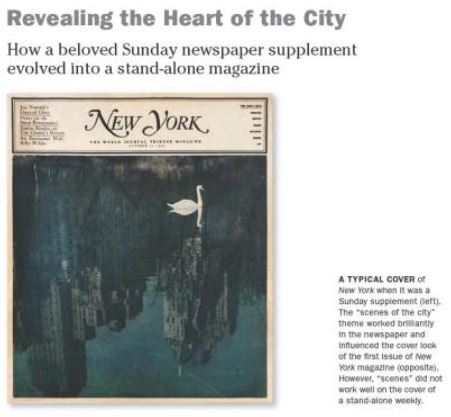
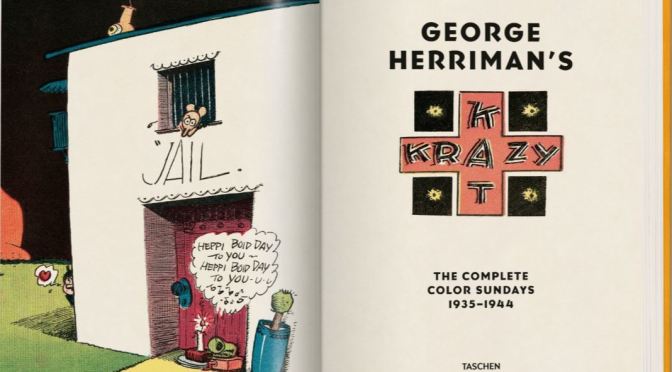
 The premise is simple: a black cat loves scheming a white mouse who incessantly throws bricks at the cat’s head, which police dog Officer Pupp, secretly harboring a passionate love for the cat, tries to prevent.
 The 300 SL celebrated its premiere at the? International Motor Sports Show? in New York, which took place from February 6th to 14th, 1954. Mercedes-Benz experienced an enormously positive response from visitors to the 300 SL at the Motor Show, so series production began in August 1954 at the Sindelfingen plant.
 This 300 SL Roadster was delivered in Germany on September 22, 1960. In the mid-1980s, the car came into the possession of an experienced Mercedes specialist. The roadster underwent extensive restoration under his direction. According to the available documentation, the body was separated from the chassis and completely overhauled. Since then, the car has only been moved about 28,000 km and serviced regularly. A few years ago, the vehicle changed hands within Germany to a businessman and classic car enthusiast who used the roadster for nice trips and events.
 “Today, we made history,” said Greg McDougall, CEO and founder of Harbour Air Seaplanes. “I am incredibly proud of Harbour Air’s leadership role in re-defining safety and innovation in the aviation and seaplane industry. Canada has long held an iconic role in the history of aviation, and to be part of this incredible world-first milestone is something we can all be really proud of.”

 The arresting visual beauty of “A Hidden Life,” which was shot by Joerg Widmer, is essential to its own argument, and to Franz’s ethical and spiritual rebuttal to the concerns of his persecutors and would-be allies. The topography of the valley is spectacular, but so are the churches and cathedrals. Even the cells and offices are infused with an aesthetic intensity at once sensual and picturesque.
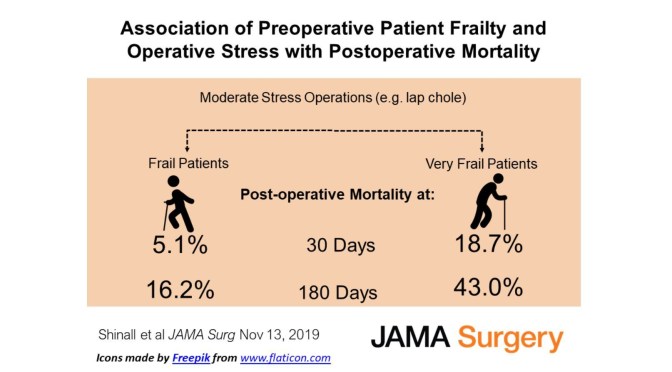
 “Our data indicate that there are no low-risk procedures among patients who are frail,” Dr. Hall and his co-authors concluded in their study.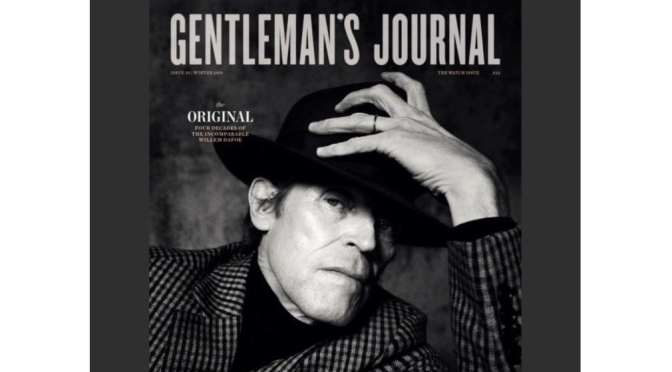
 Thankfully, Willem Dafoe and Willem Dafoe’s face have used this innate recognisability to their joint advantage. To date, the actor has appeared in well over 100 films, and his prolific career can be charted through the cracks and comments — some nice, some not so nice — that those in the industry have made about his looks.
 Boomers Daily