Tag Archives: Previews

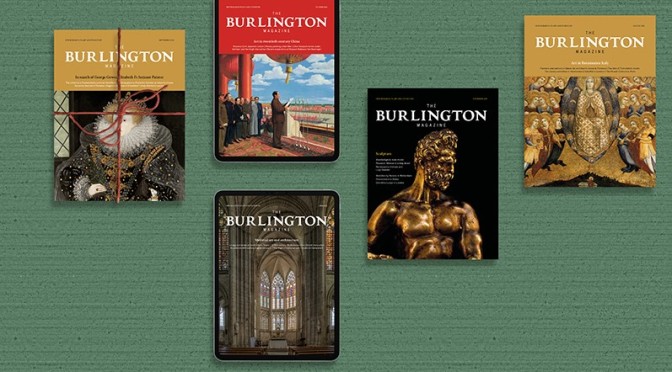
The Burlington Magazine – May 2026 Preview

May 2026, #1478 – Vol 168 | Current issue | Current issue − The Burlington  Magazine

The Burlington Magazine: The latest issue features….

Main Articles and Research

“The Consolidation of Collections: New Light on the 18th-Century British Art Market” An in-depth study by the editorial team and guest contributors exploring how major British estates restructured their private galleries during the mid-1700s. The article utilizes newly discovered ledger books to trace the provenance of several key Italian Baroque works.

“Paolo Veneziano and the International Gothic in Venice” Following the research trends seen in the early part of the year, this feature provides a technical analysis of recently restored altarpieces attributed to Veneziano, focusing on the use of ultramarine and gold leaf techniques that defined the Venetian style in the 14th century.

“Nicholas Lanier and the ‘Star’ Drawings: New Discoveries” Building on recent scholarship (featured in related symposiums), this article identifies several previously unrecognized drawings from the collection of Nicholas Lanier (1588–1666). It specifically examines the “star-shaped marks” used by Lanier and his uncle Jerome to catalog their sixteenth-century Italian acquisitions.

Editorial and Shorter Notices
Editorial: “The Future of Art History in the Digital Age” Editor Christopher Baker discusses the balance between traditional archival research and the integration of AI and digital imaging in art historical authentication.

Object in Focus: “George Frederic Watts’s Satan (1847)” A specialized notice providing a new interpretation of Watts’s massive canvas. The author argues that the figure’s pose was inspired by the Monte Cavallo Horse Tamers in Rome rather than the Apollo Belvedere, as previously thought.

Exhibition and Book Reviews
The Farnese Gallery Drawings (Musée du Louvre, Paris): A critical review by Ketty Gottardo on the exhibition focusing on the Carracci brothers’ preparatory works.

Studio Prints: A History, 1968–2011: A review of the new publication by Paul Holberton Publishing, detailing the impact of the London workshop on 20th-century printmaking.

Modernizing the Catalog: A review of the Patek Philippe exhibition and the intersection of fine horology with decorative arts history.

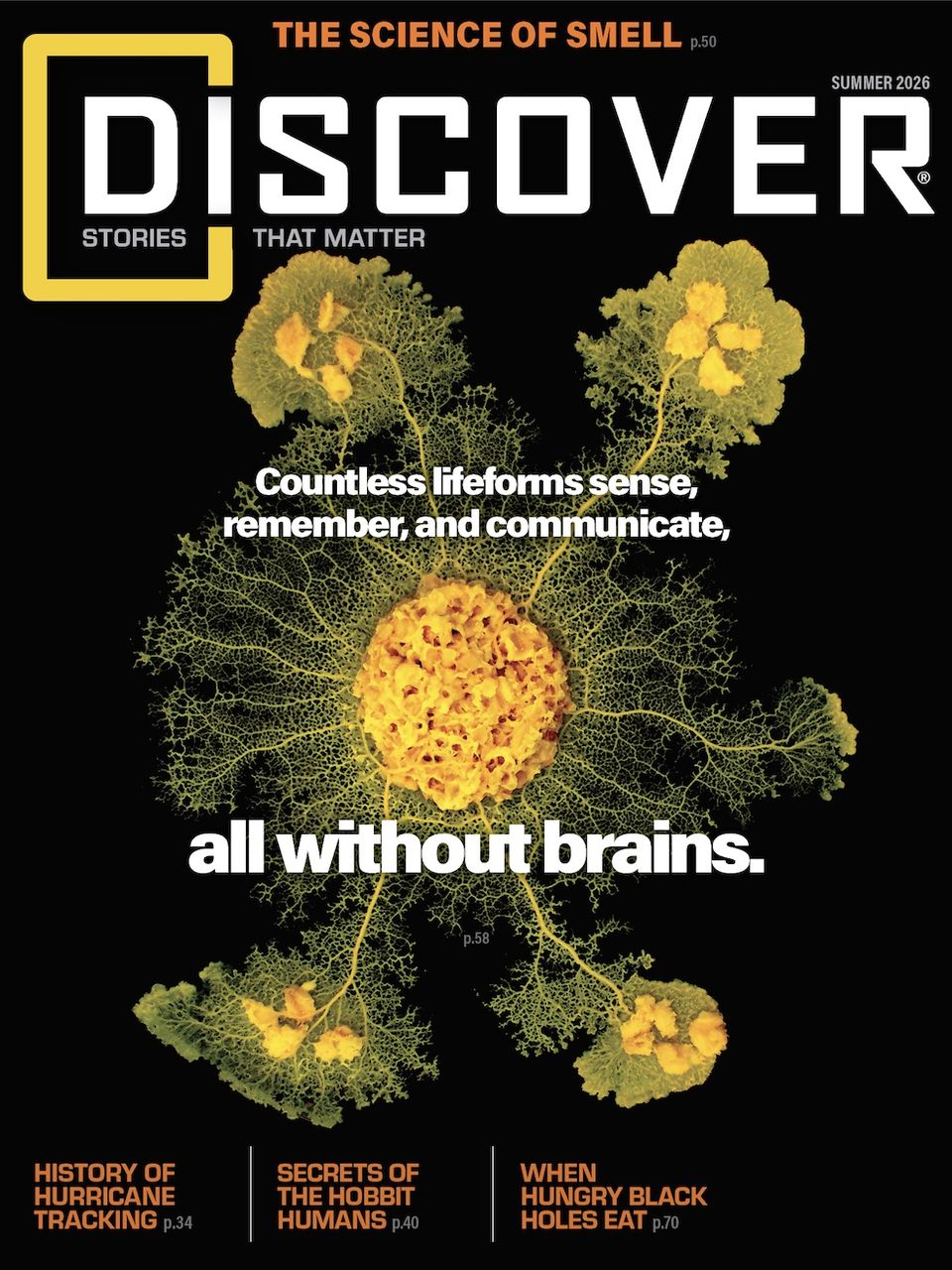
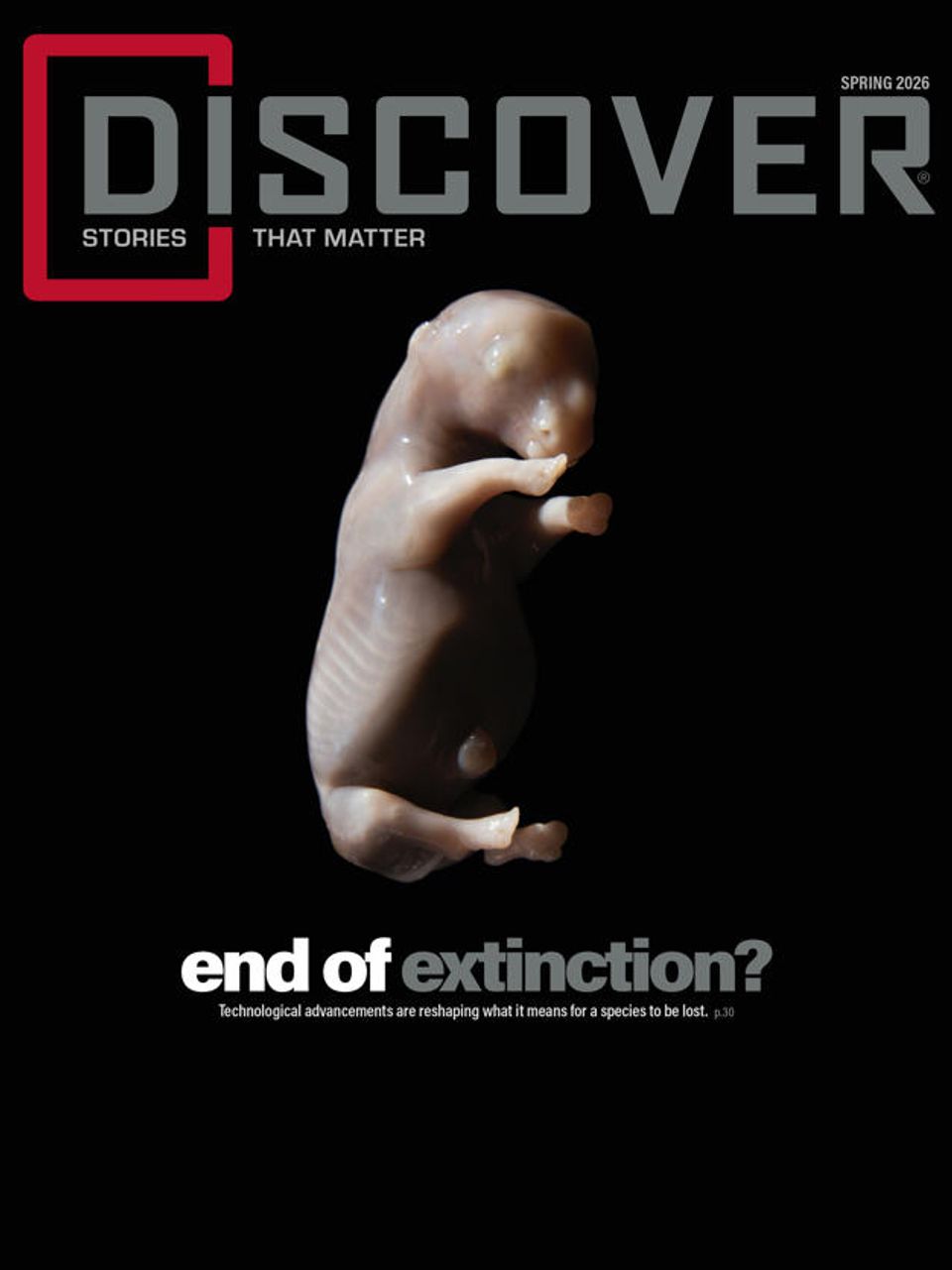
DISCOVER MAGAZINE – SPRING 2026 PREVIEW

Spring 2026 Issue | Discover Magazine

Discover Magazine: The latest issue features ‘end of extinction?’ – Technological advancements are reshaping what it means for a species to be lost….

Summary of top 5 articles:

1. The De-Extinction Dilemma (Cover Story)

This feature dives into the ethics and technology behind “resurrection biology.” It tracks the progress of teams working on the Woolly Mammoth and the Thylacine (Tasmanian Tiger). Rather than just “cloning,” the article explains how researchers are using CRISPR to edit the genomes of living relatives to recreate extinct traits, questioning whether these hybrids truly represent the lost species or are simply “proxies” for a vanished world.

2. Ancient DNA and the Human Speed-Up

Drawing from a groundbreaking study, this piece explores how human evolution didn’t slow down after the dawn of agriculture—it accelerated. By analyzing 2,000-year-old genetic samples, researchers found that the transition to farming and dense city living forced our immune systems and metabolisms to evolve faster in a few millennia than they had in the previous 50,000 years.

3. The “Headless Wonder”: The Death of Comet MAPS

A standout in the space section, this article chronicles the dramatic disintegration of Comet C/2026 A1 (MAPS). Discovered only in early 2026, the comet skimmed the sun on April 4th and lost its nucleus entirely. Astronomers explain the “headless wonder” phenomenon—where a comet’s tail continues to drift through space without its head—and what its fragile structure reveals about the early solar system.

4. Starquakes: The Archaeology of Red Giants

Using data from “stellar archaeology,” this article describes how vibrations inside stars—known as starquakes—are allowing scientists to see hidden magnetic fields. By linking the magnetism of modern white dwarfs to their earlier lives as red giants, researchers have created a “fossil record” of a star’s evolution, offering a preview of what might happen to our own Sun in several billion years.

5. Artemis II: The Far Side and Beyond

Following the safe return of the Artemis II crew, this long-form report provides the first detailed look at the data gathered during their moon flyby. It highlights the crew’s record-breaking distance from Earth and their observations of the “Grand Canyon of the Moon”—the South Pole-Aitken basin. The article shifts focus to the upcoming Artemis III mission, discussing the challenges of establishing a long-term lunar base.

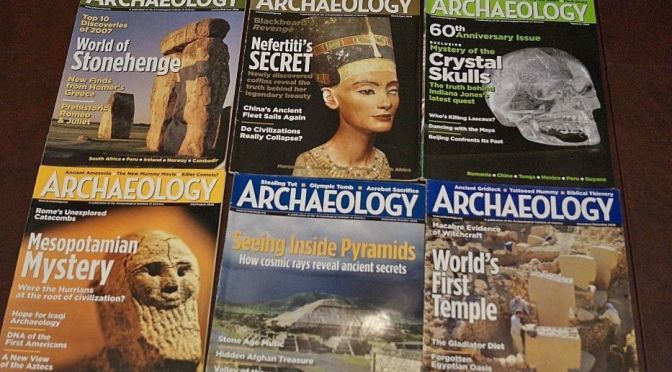
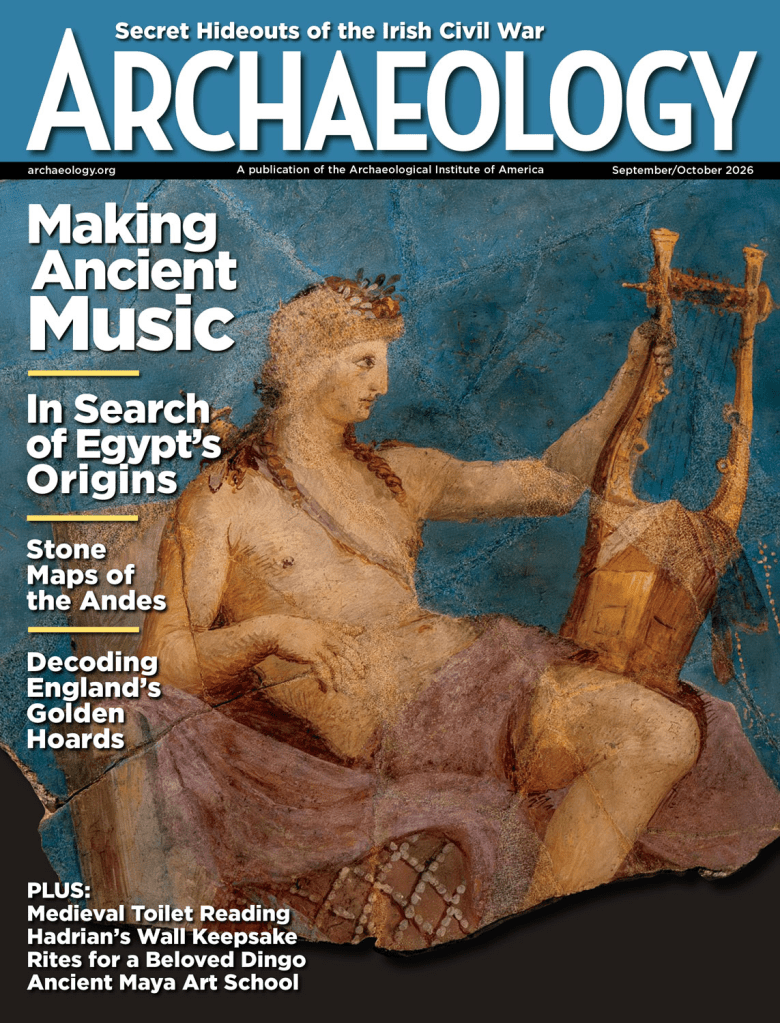
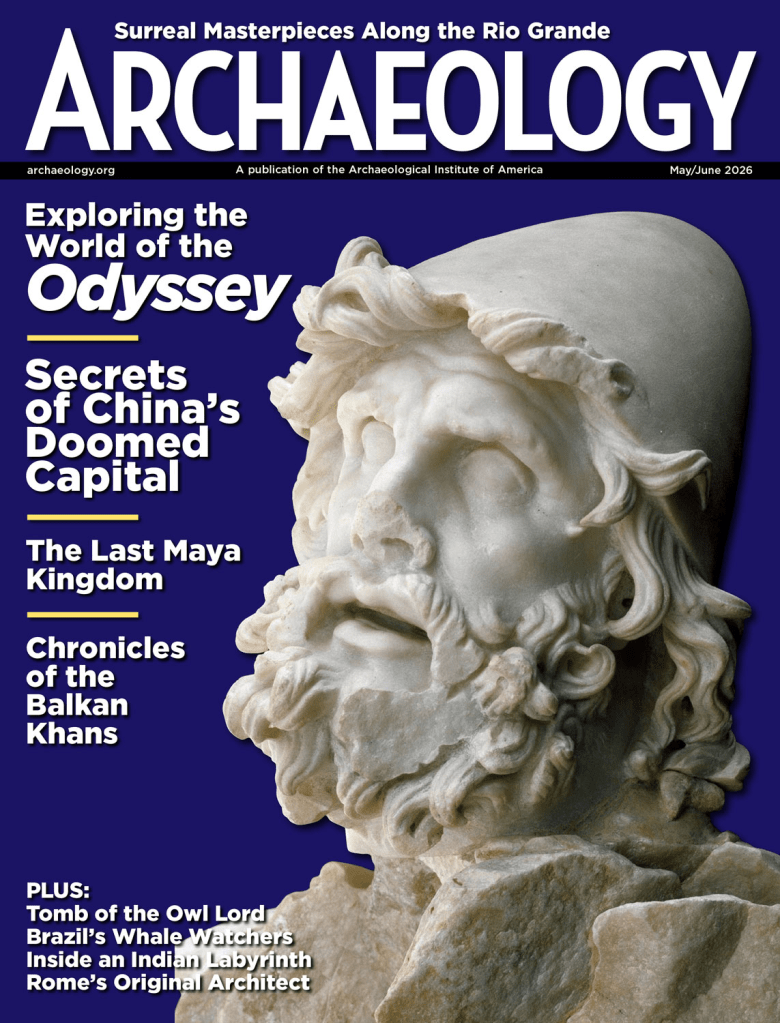
Preview: Archaeology Magazine – MAY/JUNE 2026

Archaeology Magazine: The latest issue features ‘Exploring the World of the Odyssey.

The Unexpected World of the Odyssey

Discovering the surprising inspirations behind Homer’s great tales of the Trojan War. By The Editors

Pioneers of Lakefront  Living

Why Neolithic and Bronze Age farmers in the Alps built their villages on stilts

The Last Maya Kingdom

On the shores of a lake in Guatemala, the Itzá people defied the Spanish for nearly 200 years

Art for the Ages

A surreal style of painting endured for 4,000 years in the canyonlands of West Texas

Bridge to the Past

The Yellow River brought both prosperity and calamity to China’s dazzling medieval capital By Ling Xin

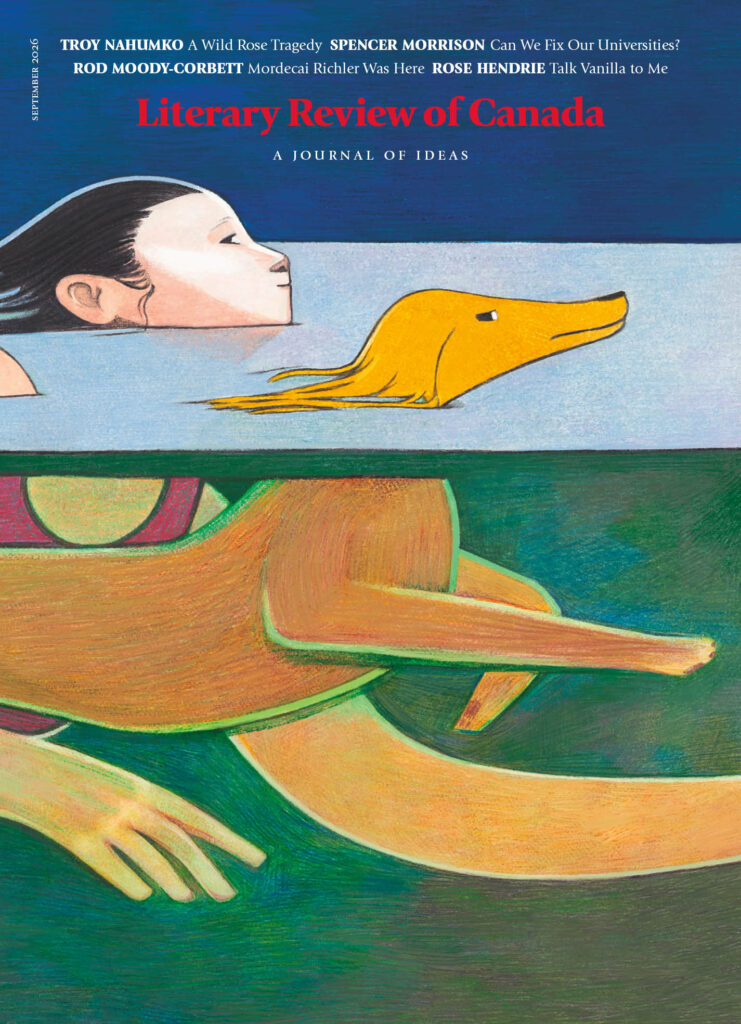
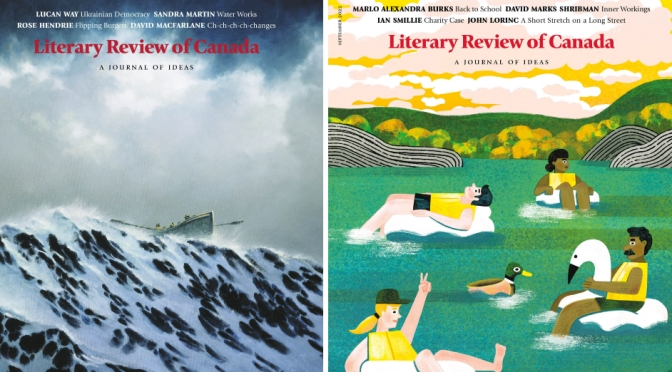
Literary Review Of Canada – April 2026 Preview

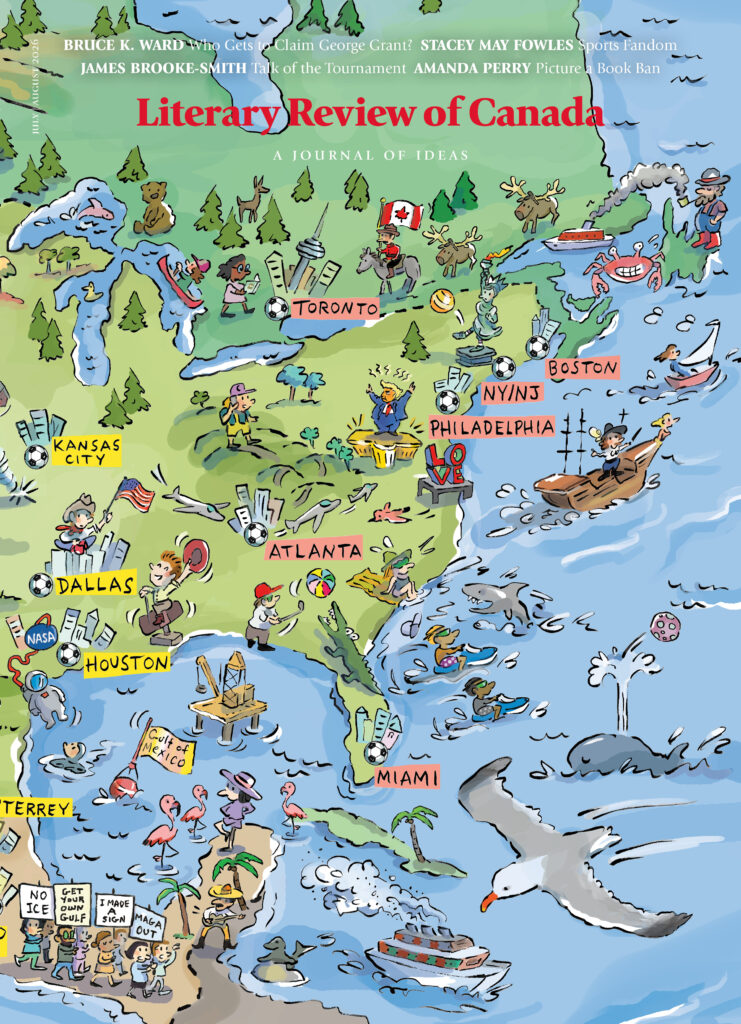
Literary Review of Canada The latest issue features…

To Review, or Not to Review

Dwindling serendipity in the age of the algorithmKyle Wyatt

They Desire a Better System

Share the burden, perhaps?Aaron Wherry

House of Card

When the saints came marching inMichael Ledger-Lomas

Behind the Wire

The enemies we invented and internedJ.L. Granatstein

Time Magazine Cover – February 23, 2026

TIME MAGAZINE: The latest issue features ‘After The Ayatollah’,,,

Iran on the Edge

After the Islamic Republic regime unleashed lethal force to quell nationwide protests against its rule, five leading Iranian writers reflect on how the country arrived at this pivotal moment—and where it might go from here.

The Islamic Republic’s Founding Myth

he Islamic Republic’s already lengthy catalogue of fears has ballooned of late: alongside the possibility of being overthrown by its own citizens, it is haunted by the prospect of a full accounting of the massacres it has carried out; by the tenuous loyalty of its army, and its empty coffers; and by the shadow of Israeli spies and Islamic State militants. What terrifies Iran’s theocrats the most, the fear that eclipses all their fears, is the ability of the people at large to clearly see the essential realities of the present regime.

Iranian Progress Cannot Be Stopped

Today, the Islamic Republic of Iran resembles a half-lifeless body collapsed on the ground, yet still possessing powerful arms. With the support of the Islamic Revolutionary Guard Corps and other military forces, it has attacked the people of Iran and, through widespread killings, has delivered a brutal blow to the popular uprising. Yet this is only a temporary success. The republic is already dead morally, economically, and socially.

Literary Review Of Canada – March 2026 Preview

March 2026 Archives | Literary Review of Canada

Literary Review of Canada The latest issue features:

Ulysses Unbound

Navigating this Age of Appetite by Krzysztof Pelc

Here’s a question I often bat around with graduate students in my International Political Economy seminar: In book 12 of the Odyssey, how do the shipmates know which Ulysses to trust?

You know the story. Ulysses and his crew have been on Circe’s island for a year. They’re finally about to depart when the goddess takes Ulysses aside and warns him of the dangers that await them. The first of these is the “piercing songs” of the Sirens. “So listen,” she says, “I will give you good instructions; another god will make sure you remember.”

Circe tells Ulysses to put wax in his sailors’ ears but that he can listen to the Sirens if he wants to — as long as his shipmates bind him “hand and foot” to the mast: “So bound, you can enjoy the Sirens’ song. But if you beg your men to set you free, they have to tie you down with firmer knots.”

As their ship approaches the Sirens’ sharp rocks, the wind dies down, they pull the sails, and they begin to row. As predicted, Ulysses yells out to his men to set him free. He is still their captain. But instead of obeying his orders, Eurylochus and Perimedes stand up and “tie him down with firmer knots.” How, I ask my students, do they know to trust the first Ulysses over the second? How is it that as readers, we never question their choice?

Cemented Legacy

Form follows Ford by Kelvin Browne 

Albert Kahn has been called “the father of industrial architecture” and “the architect of Detroit.” His firm was certainly prolific: it was responsible for the Ford Motor Company of Canada factory in Toronto, near a laneway that bears his name, and the General Motors assembly plant in Regina, along with nearly 900 buildings in Motor City alone. Kahn’s oeuvre encompassed offices, grand homes for his industrialist clients, and libraries and fraternity houses at the University of Michigan, in Ann Arbor, not to mention a post office, a synagogue, and multiple hospitals and skyscrapers. Many of Kahn’s buildings reflect a pastiche of styles that might be considered a precursor of a postmodern eclectic. Yet this prolific architect is relatively unknown today, especially outside of Michigan.

Albert Kahn Inc.: Architecture, Labor, and Industry, 1905–1961 by Claire Zimmerman

The MIT Press / 488 pages, hardcover

Floe State? – On trouble in Greenland

By Michael Strizic

The mood on the Sea Adventurer’s bridge was grim. “She’s only making eight knots,” said our expedition leader. “We need to hit at least fourteen to keep to our itinerary.” We were four days into a two-week sailing and anchored off Ilulissat, near a UNESCO World Heritage site nestled into the crenellated western coast of Greenland.

Earlier that day, I had found myself at the helm of a Zodiac, manoeuvring the rubberized craft through thick fog, near-freezing water, and growlers. The ten high-paying passengers under my care likely had no idea that this was my first trip with the tour operator or my first time north of the Arctic Circle.

Time Magazine Cover – January 26, 2026

The New Old Age Longevity Time Magazine cover

TIME MAGAZINE: The latest issue features ‘The New Old Age’ – What to expect when you’re expecting to live longer…

“What we have is a fundamental change in the age structure of society,” says John Rowe, professor of health policy and aging at Columbia University’s Aging Center, referring to the way we’re aging—and also the way we’re creating young people, with birth rates plummeting in most countries. Globally, fertility levels have dropped below the so-called population replacement rate of just over two births per woman.

It is a sea change—and one that raises big questions about how we both individually and collectively navigate what, in a sense, is our new old age. How, for example, should we spend our extra time? Should employment still be confined to a finite number of years, or instead ebb and flow throughout an entire lifetime? And where, in a world of acute housing shortages, will everyone live?

The New Old Age

Ovaries Could Unlock Secrets of Longevity

9 Resolutions That Can Help You Age Better This Year

How to Think Yourself Young

What the World’s Longest-Lived Animals Can Teach Us About Aging

Cover: Claremont Review Of Books – Winter 2026

Claremont Review of Books: The latest issue features ‘Special Anniversary Double Issue’….

Palace Intrigues

by Barry Strauss

The Lives of the Caesars

Imagine sitting near the apex of power in an empire and then being shown the door. You might want to write a tell-all book about it. If so, however, you would be advised to proceed with caution. Now, imagine what would barely be conceivable today: that you undertook to write your exposé while you were still in office. You would need all the finesse of a tightrope walker. 

The Lives of the Caesars

One Score and Five

by Charles R. Kesler

This essay is adapted from remarks delivered at the Claremont Review of Books 25th anniversary gala, held at the Metropolitan Club in New York City on November 6, 2025.

Radical Republican

by Randy E. Barnett

Charles Sumner: Conscience of a Nation

Charles Sumner: Conscience of a Nation

In the early hours of March 11, 1874, word spread around Washington that Charles Sumner was on the brink of death. The 63-year-old senator from Massachusetts had suffered a massive heart attack the previous evening. By 9 a.m., a crowd of several hundred had gathered in front of his home on Lafayette Square. “Colored men and women mingled with white in knots about his home,” wrote The New-York Tribune. Government workers, merchants, shopmen, waiters, and even “old colored women with baskets and bundles on their arms” stood together. Many were crying and begging to be let inside. They were stopped by one of Sumner’s friends and two policemen standing guard at the front door.

PREVIEW: THE EUROPEAN CONSERVATIVE – WINTER ’25

THE EUROPEAN CONSERVATIVE: The latest issue features a section on the life and work of Spanish political thinker, Dalmacio Negro Pavón; – an interview with Curtis Yarvin; – a defense of The Camp of the Saints; – a review of The Golden Thread; – a tribute to Iryna Zarutska; – and much, much more.


Big Europe Has Lost the War Over Ukraine

The EU’s claim to be a global power player stands exposed as the fantasies of an ageing pretender.

Virtue and Defiance Can Stir Even the Darkest Ideologues

The martyred young risked and ultimately accepted death to defend a culture that they believed was worth the sacrifice.

The Anti-Israel Tantrum Threatening To Break Eurovision

Four nations have declared they will boycott next year’s song contest over the inclusion of the Jewish State. Good riddance.

Reviews: Best Books On Foreign Affairs Of 2025

Foreign Affairs Magazine: The very best of the hundreds of books on international politics, economics, and history that were featured in the magazine this year, selected by Foreign Affairs’ editors and book reviewers.

The Party’s Interests Come First: The Life of Xi Zhongxun, Father of Xi Jinping

by Joseph Torigian

In this prodigiously researched epic, Torigian details the life of Xi Zhongxun—the father of China’s current leader, Xi Jinping—to explain the history of the Chinese Communist Party. Along the way, readers gain a sense of how the younger Xi became the man he is today.

Read the review 

Zbig: The Life of Zbigniew Brzezinski, America’s Great Power Prophet

by Edward Luce

Luce, a gifted storyteller, chronicles the personal life and intellectual journey of former National Security Adviser Zbigniew Brzezinski, who played a significant but underappreciated role in opening the ​United States to China, bringing the Cold War to an end, and shaping the world that came after. In writing this gem of a book, Luce has rendered a genuine service to history.

Read the review 

Our Dear Friends in Moscow: The Inside Story of a Broken Generation

by Irina Borogan and Andrei Soldatov

Soldatov and Borogon, two Russian journalists, tell the story of their one-time group of friends and colleagues—young Russians who, over the course of the Putin years, steadily drift toward nationalist and illiberal ideas and end up as supporters of Russia’s war in Ukraine.

Read the review 

The West: The History of an Idea

by George Varouxakis

In this masterful study, Varouxakis tracks the meanings of “the West” from the late eighteenth century to the present—and argues that the modern notion of the term emerged in the 1830s as a way to distinguish western Europe from Russia. Today, for beleaguered countries such as Ukraine, “the West” is still a powerful idea.

Read the review