

 More than 2.8 million antibiotic-resistant infections occur in the United States each year, and more than 35,000 people die as a result. In addition, nearly 223,900 people in the United States required hospital care for C. difficile and at least 12,800 people died in 2017.
Germs continue to spread and develop new types of resistance, and progress may be undermined by some community-associated infections that are on the rise. More action is needed to address antibiotic resistance. While the development of new treatments is one of these key actions, such investments must be coupled with dedicated efforts toward preventing infections in the first place, slowing the development of resistance through better antibiotic use, and stopping the spread of resistance when it does develop to protect American lives now and in the future.
CDC’s Antibiotic Resistance Threats in the United States, 2019 (2019 AR Threats Report) includes updated national death and infection estimates that underscore the continued threat of antibiotic resistance in the United States. New CDC data show that while the burden of antibiotic-resistance threats in the United States was greater than initially understood, deaths are decreasing since the 2013 report. This suggests that U.S. efforts—preventing infections, stopping spread of bacteria and fungi, and improving use of antibiotics in humans, animals, and the environment—are working, especially in hospitals. Vaccination, where possible, has also shown to be an effective tool of preventing infections, including those that can be resistant, in the community.
To read the report: https://www.cdc.gov/drugresistance/pdf/threats-report/2019-ar-threats-report-508.pdf

 Vineyards in Colorado are mostly nestled in the temperate, high elevation river valleys and mesas of Mesa and Delta counties, with some acreage in Montezuma county. Colorado’s grape growing regions range in elevation from 4,000 to 7,000 feet and are thus among the highest vineyards in the world, resulting in hot days accompanied by cool nights.


 An obscure think tank in Boston is getting drug companies to lower their prices – using something called a QALY. WSJ’s Denise Roland explains what a QALY is, and why it’s controversial.
 The 12,000-square-foot store is packed with in-store dining options, a scratch bakery, coffee bar and a curated assortment of fresh and local products. An additional 8,000 square feet is dedicated to prep space and a kitchen where employees make prepared foods and from-scratch items using Brothers Marketplace’s own recipes.
 First published in 1897, Country Life is itself a late-Victorian institution. What could be more appropriate, therefore, than to celebrate this anniversary with a collector’s issue of articles and photographs from the magazine’s archives?


 “When you live paycheck to paycheck, there are times you fall behind. There was a healthy dose of fear, but I knew that my business would grow if I kept pushing.” Getting an M.B.A. felt superfluous. “I would rather be paid to learn,” he said. “There’s not a lot you can learn in an M.B.A. program that you can’t learn online or through other mechanisms. I’m not a big fan of taking those years and spending money that you could put to better use.”
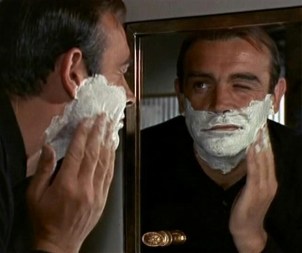 “He went into the bathroom and had an ice-cold shower and washed his hair with Pinaud Elixir, that prince among shampoos, to get the dust of the roads out of it…”



 Boomers Daily