
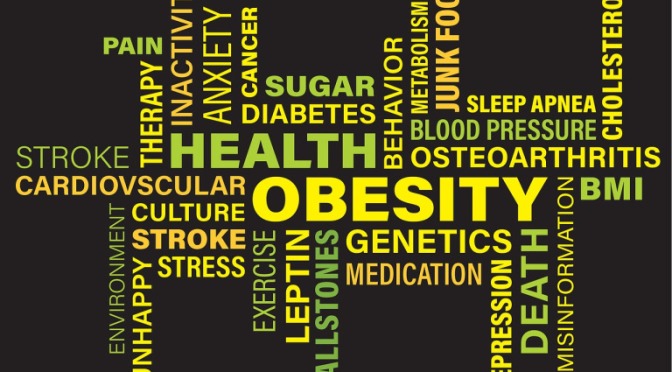
From a The Lancet online editorial (Feb 3, 2020):
 Prevention represents the most cost-effective, long-term strategy for reducing the cancer burden and associated mortality. If provided with adequate information and support to adopt a healthy lifestyle, individuals can reduce their exposure to behavioural and dietary cancer risk factors by quitting smoking, maintaining a healthy BMI, cutting down on alcohol consumption, exercising more, and eating a healthy diet rich in fruit and vegetables.
Although smoking is currently the major cause of preventable cancer cases and accounts for 22% of cancer deaths, a 2018 report from Cancer Research UK estimated that high BMI (overweight and obesity) now causes more cases of four common cancers (bowel, kidney, ovarian, and liver) in the UK than does smoking, and could overtake smoking as the biggest cause of cancer in women in the UK by 2043. According to WHO, in 2016, 1·9 billion adults around the world were overweight, of whom 650 million had obesity—triple the number in 1975. State-level projections for the USA paint an even bleaker picture going forward: by 2030, 48·9% of adults will have obesity; 24·2% of adults will have severe obesity; and severe obesity will be the most common BMI category among women, non-Hispanic black adults, and low-income adults. With such shocking statistics, the knock-on effect of the obesity epidemic for cancer prevention and control cannot be underestimated.


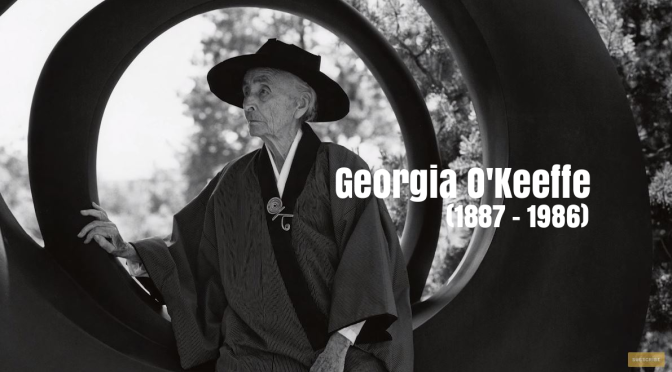
 In the final years of Georgia O’Keeffe’s nearly century-long life, she employed and befriended the young sculptor Juan Hamilton. The two would become inseparable, and upon her death in 1986, Hamilton inherited fine art and personal affects from the artist’s estate, including rarely seen pieces from the estate of O’Keeffe’s late husband, Joseph Stieglitz.
 Although coronavirus disease 2019 (COVID-19) dominates the news in early 2020, it affects few people in the US. In contrast, at the same time the US is experiencing a severe influenza epidemic, which has caused an estimated 250 000 hospitalizations and 14 000 deaths.

 Forman’s photo-paintings explore those liminal and in-between moments – of coming and leaving, innocence and confidence, shadow and light, night and day, absence and connection, loss and longing, and not quite the past and not yet the future. Portals, both real and metaphorical, frequent her layered, complex and often dreamlike images.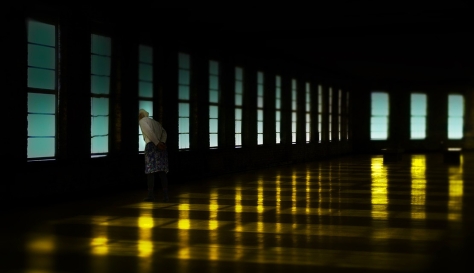
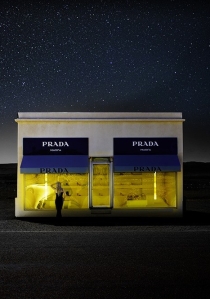 Her work is recognized for imbuing harmonious compositions and for her explosive use of color, light, and shadow.Forman’s images elicit emotions of desire, vulnerability, and a desperate longing for connections.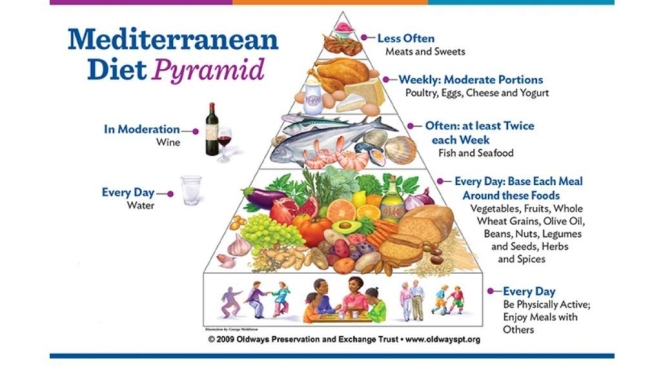
 We observed that increased adherence to the MedDiet modulates specific components of the gut microbiota that were associated with a reduction in risk of frailty, improved cognitive function and reduced inflammatory status.
 This small device may change how doctors identify and manage patients with atrial fibrillation, an irregular heart rhythm that increases risk of stroke.
 Hotel Torni (“Hotel Tower”) is a historical hotel located in Helsinki, Finland, and a part of the Sokos Hotels hotel chain. When opened in 1931, it became the tallest building in Finland, a position it maintained until the completion of the new Neste headquarters in neighboring Espoo in 1976.
  Boomers Daily