The Cadillac Series 62 is a series of cars which was produced by Cadillac from 1940 through 1964. Originally designed to replace the entry level Series 65, it became the Cadillac Series 6200 in 1959, and remained that until it was renamed to Cadillac Calais for the 1965 model year. The Series 62 was also marketed as the Sixty-Two and the Series Sixty-Two.
The Cadillac Series 62 Coupe de Ville was introduced late in the 1949 model year. Along with the Buick Roadmaster Riviera, and the Oldsmobile 98 Holiday, it was among the first pillarless hardtop coupes ever produced.mAt $3,496 it was only a dollar less than the Series 62 convertible, and like the convertible, it came with power windows standard. It was luxuriously trimmed, with leather upholstery and chrome ‘bows’ in the headliner to simulate the ribs of a convertible top.
55,643 Series 62 Cadillacs were produced in 1949 out of a total volume of 92,554 vehicles.
May served as Prime Minister of the United Kingdom from 2016 to 2019. Assuming office following the 2016 Brexit referendum, she was tasked with one of the most intractable challenges of any post-war Prime Minister, and successfully negotiated a withdrawal deal with the EU in late 2018. Beyond Brexit, May reversed course on the Conservative government’s controversial programme of austerity, delivering the largest single cash-boost to the NHS in its history, and championed human rights and social justice initiatives, such as ending modern slavery.
The Benazir Bhutto Memorial Lecture was established to honour the life and legacy of Benazir Bhutto, the first female leader of a majority-Muslim country, and a former President of the Oxford Union.
ABOUT THE OXFORD UNION SOCIETY: The Oxford Union is the world’s most prestigious debating society, with an unparalleled reputation for bringing international guests and speakers to Oxford. Since 1823, the Union has been promoting debate and discussion not just in Oxford University, but across the globe.
The two and half-storied ‘Vacation Villa’ in Himchori marine drive is a holiday destination amidst the natural setup of hills and sea. The existing topography inspired project is an alluring statement of contemporary architecture in Bangladesh. The purpose of the villa as a place of vacationing is well served as it ensemble two exquisite natural proponent of the site; sea and hills within its built premise. Knotting multiple forces of nature within a space to create and balance the desired psychological mood of relaxation for user was the challenge.
The composite structure of the project is well displayed to its true expression. The RCC structure of east and west wing have been adjoined centrally with steel structure. The sturdy sleek steel frame refurbished with glass is the central segment of the form. Recycled and vintage materials used in various spaces of the villa have added sophistication without making it much ornate.
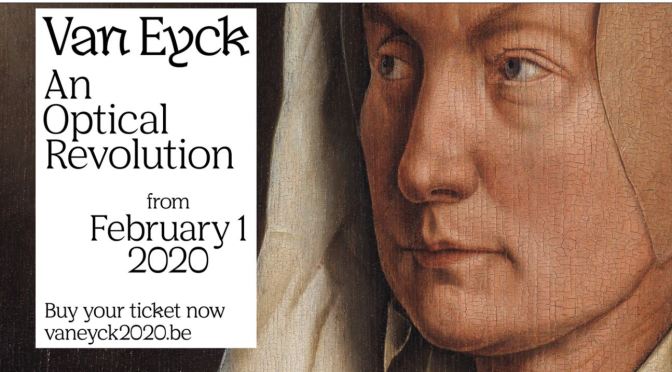
Worldwide, only approximately twenty works by Van Eyck have been preserved. Quite exceptionally, over half of these will travel to Ghent in 2020 for the exhibition ‘Van Eyck. An optical revolution’ at the Museum of Fine Arts (MSK). In what promises to be an unmissable, tour de force of an exhibition, the world of Van Eyck and his revolutionary gaze will be brought to life like never before.
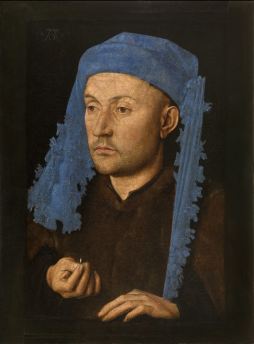
Jan van Eyck, Portrait of a Man with a Blue Chaperon, c. 1428-30 (Muzeul National Brukenthal, Sibiu, Romania)
The pinnacle of Late Medieval art
Van Eyck distinguished himself from his peers and triggered an optical revolution. With his matchless technique, scientific knowledge and unrivalled observational skills, he elevated oil painting to unprecedented heights and determined the future course of Western art. Never before had a painter made reality so tangible: all that seems to be missing from his portraits is his subjects’ breath, while his landscapes reveal the world in all its facets. Van Eyck trained his eye on the tiniest details before casting it wide again to create unforgettable panoramas.
His masterpiece, ‘The Adoration of the Mystic Lamb’ (1432, St Bavo’s Cathedral, Ghent), bears witness to all three of these qualities. The restoration of the outer wings of the altarpiece will play a central role in the exhibition. Undertaken by the Royal Institute for Cultural Heritage (KIK), the project commenced at the Museum of Fine Arts Ghent in 2012. Visitors will have the opportunity to get close to the work and admire the spectacular results.
In dialogue with Van Eyck’s contemporaries
In order to contextualise Van Eyck’s optical revolution, his paintings will be shown alongside works by his most talented contemporaries from Germany, France, Italy and Spain. These artists also moved in exalted circles and received prestigious commissions. The exhibition focuses on the artistic similarities and differences between their works, thus delving deeper into the historical context in which they were created.
‘Van Eyck. An optical revolution’ unravels the myths about the artist and considers his technique, his oeuvre and his influence from a fresh perspective. This exhibition will awaken a sense of wonder among visitors, comparable to that which people would have felt when they saw his works for the first time: a once-in-a-lifetime experience.
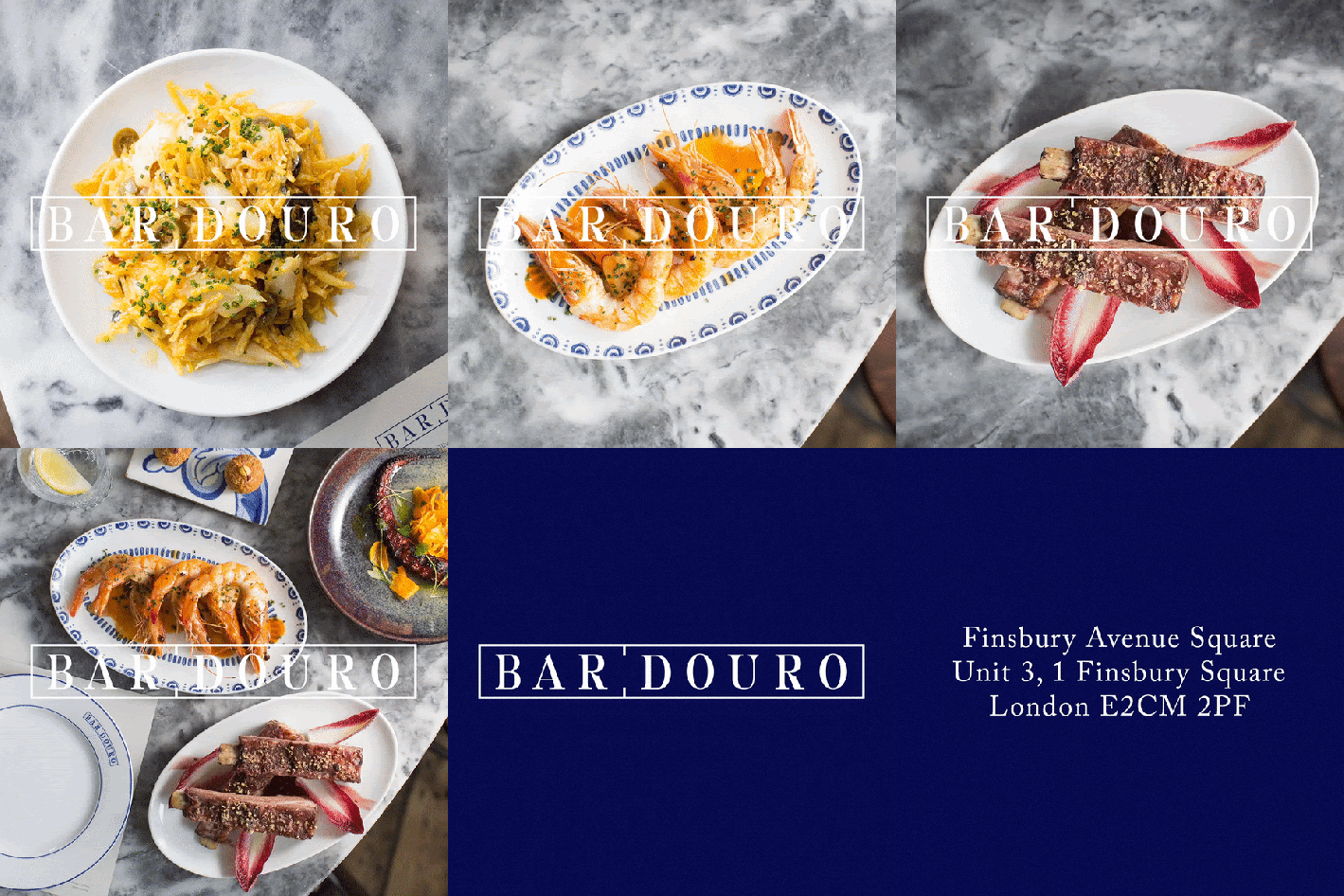
Occupying a railway arch in London’s buzzing Flat Iron Square, Bar Douro was created as a way to bring authentic Portuguese food to London. With ties to Portugal traced back through the family, Bar Douro has matched exquisite Portuguese wines with all the tradition of local Portuguese food. The atmospheric 30-cover marble counter-top dining space offers an intimate window to the best of Portuguese culinary heritage.
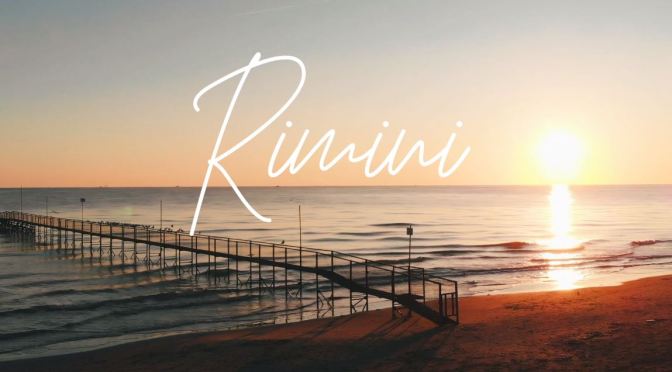
Rimini is a city on the Adriatic coast, in Italy’s Emilia-Romagna region. It’s known for its beachside nightclubs and shallow waters. South of the center, the Malatestiano Temple is a 15th-century reconstruction of an old Franciscan church, now a mausoleum for Sigismondo Pandolfo Malatesta, a local nobleman. Nearby, the Malatesta-built Castel Sismondo is a medieval fortress now used for cultural events.
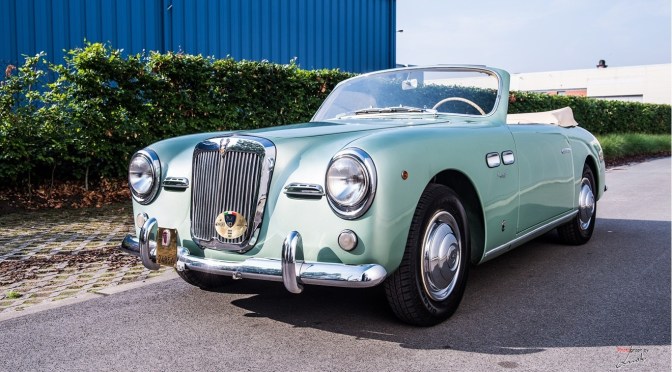
The Siata Daina is an Italian car produced by Siata from 1950-1958. The Daina was available as a coupé or a convertible and had custom bodies by Stabilimenti Farina, Bertone and other coach builders.
From 1950 to 1958 there were approximately 50 Daina Series cars produced. However, only a few of the Series were produced after 1953. About 20 Daina Sport (coupes) are thought to have been built, only six are known to exist today. A cabriolet version called the Gran Sport comprised most of the Daina Series cars. The Gran Sport had a steel body with an aluminum hood designed by Stabilimenti Farina (3 all aluminum bodied Gran Sports were made as well) but when they closed in 1953, Bertone took over production with a coupe model of their own design called the “Sport”.
The most well known Dainas were the Gran Sport (convertible) versions used in racing, with many calling it the “little Ferrari”. The car was built to take part in the International Grand Prix and the Mille Miglia. The Daina’s most notable finish was at the 12 Hours of Sebring in 1952 when Dick Irish and Bob Fergus piloted a 1,500 cc Daina Gran Sport to first in class and third overall.
Syndicated columnist Mark Shields and New York Times columnist David Brooks join Judy Woodruff to discuss the week’s political news, including the opening of President Trump’s Senate trial and the announcement of his legal team, public opinion on impeachment, 2020 Democrats’ final debate before the Iowa caucuses and Michael Bloomberg’s remarkable ad spend.
Artist and socialite Gertrude Vanderbilt Whitney, who founded the Whitney Museum of American Art, had homes in New York, Paris, the Adirondacks, and Long Island. In 1912, she commissioned the Gilded Age architect William Adams Delano, of Delano & Aldrich, to build her a neoclassical studio on the grounds of the Whitney estate in Old Westbury.
After her death in 1942, the villa lay empty for 40 years until her granddaughter Pamela LeBoutillier decided to renovate it as a home for her family. Today, her son John LeBoutillier lives there, while keeping the family legacy alive.
It’s called gamma knife surgery, but there’s no cutting involved. It’s been used at Mayo Clinic for 30 years as an alternative to open brain surgery.
The patient’s head is held still during the procedure with a headframe, which also serves as a map for the radiation. Using 3D imaging — typically an MRI — as a guide, the gamma knife is targeted directly at the tumor. And with no hospital stay and minimal side effects, it’s a procedure that is efficient and can be lifesaving.
News, Views and Reviews For The Intellectually Curious


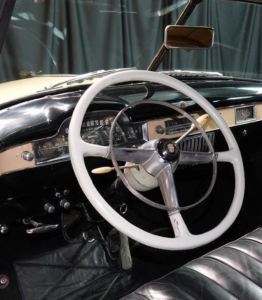 The Cadillac Series 62 is a series of cars which was produced by Cadillac from 1940 through 1964. Originally designed to replace the entry level Series 65, it became the Cadillac Series 6200 in 1959, and remained that until it was renamed to Cadillac Calais for the 1965 model year. The Series 62 was also marketed as the Sixty-Two and the Series Sixty-Two.
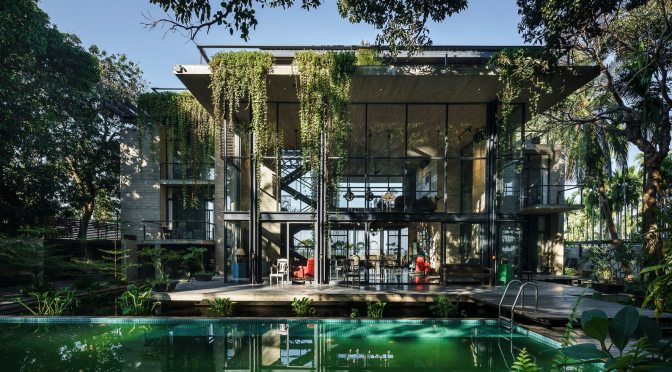
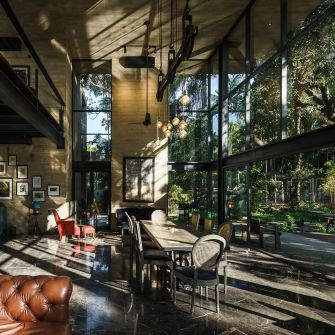 The two and half-storied ‘Vacation Villa’ in Himchori marine drive is a holiday destination amidst the natural setup of hills and sea. The existing topography inspired project is an alluring statement of contemporary architecture in Bangladesh. The purpose of the villa as a place of vacationing is well served as it ensemble two exquisite natural proponent of the site; sea and hills within its built premise. Knotting multiple forces of nature within a space to create and balance the desired psychological mood of relaxation for user was the challenge.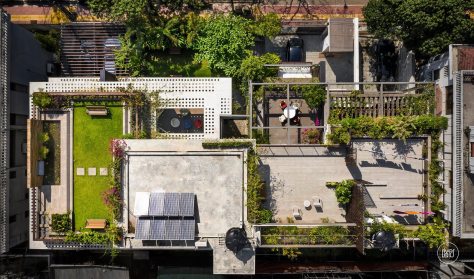
 In dialogue with Van Eyck’s contemporaries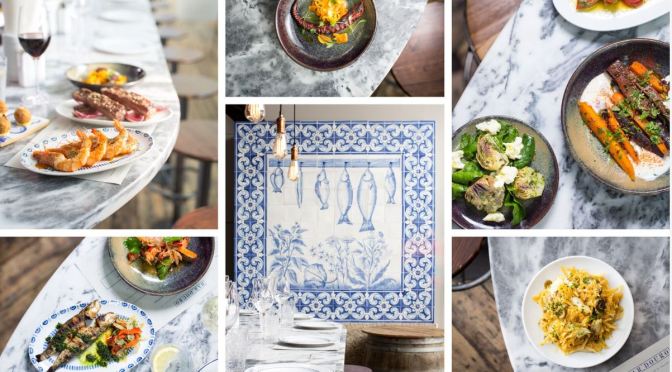
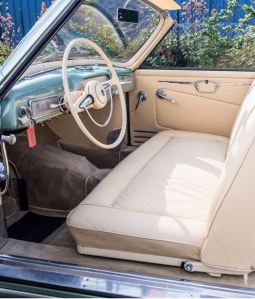 The Siata Daina is an Italian car produced by Siata from 1950-1958. The Daina was available as a coupé or a convertible and had custom bodies by Stabilimenti Farina, Bertone and other coach builders.
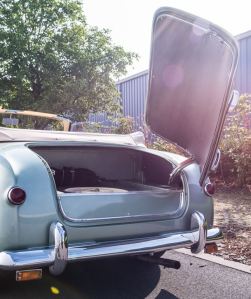 were made as well) but when they closed in 1953, Bertone took over production with a coupe model of their own design called the “Sport”.
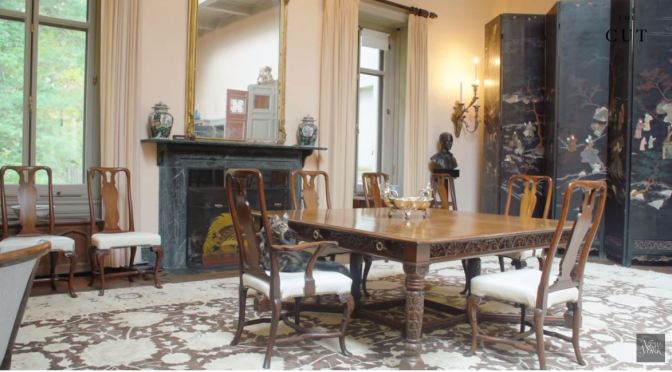
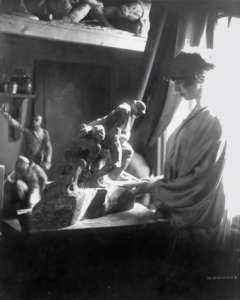 Long Island. In 1912, she commissioned the Gilded Age architect William Adams Delano, of Delano & Aldrich, to build her a neoclassical studio on the grounds of the Whitney estate in Old Westbury.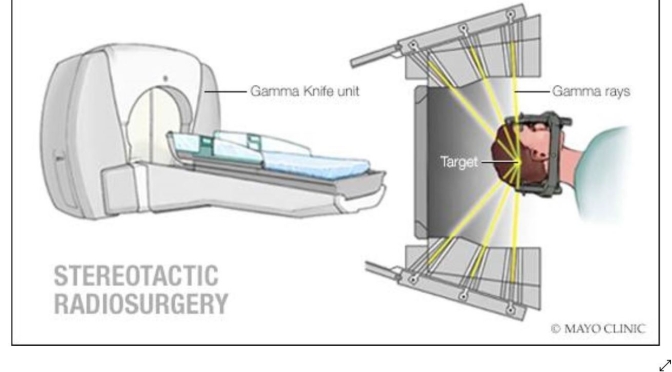
 Boomers Daily