
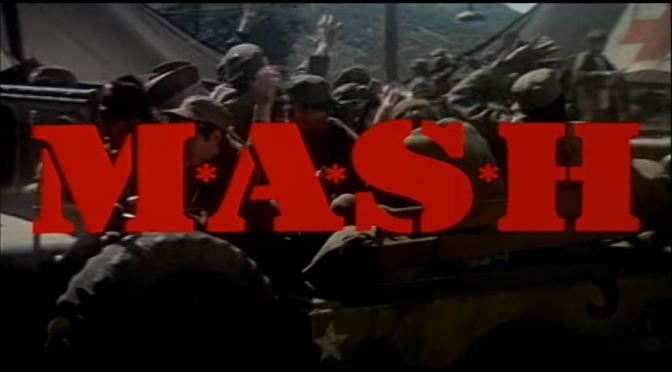
MASH (stylized on-screen as M*A*S*H) is a 1970 American black comedy war film directed by Robert Altman and written by Ring Lardner Jr., based on Richard 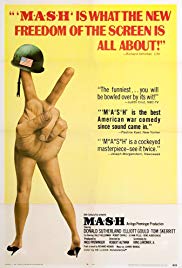 Hooker’s novel MASH: A Novel About Three Army Doctors. The picture is the only theatrically released feature film in the M*A*S*H franchise, and it became one of the biggest films of the early 1970s for 20th Century Fox.
The film depicts a unit of medical personnel stationed at a Mobile Army Surgical Hospital (MASH) during the Korean War. It stars Donald Sutherland, Tom Skerritt, and Elliott Gould, with Sally Kellerman, Robert Duvall, René Auberjonois, Gary Burghoff, Roger Bowen, Michael Murphy, and in his film debut, professional football player Fred Williamson. Although the Korean War is the film’s storyline setting, the subtext is the Vietnam War — a current event at the time the film was made.[1]
The film won Grand Prix du Festival International du Film, later named Palme d’Or, at 1970 Cannes Film Festival. The film went on to receive five Academy Award nominations, including Best Picture, and won for Best Adapted Screenplay. MASH was deemed “culturally significant” by the Library of Congress and was selected for preservation in the United States National Film Registry. The Academy Film Archive preserved MASH in 2000.[2] The film inspired the television series M*A*S*H, which ran from 1972 to 1983.
From Wikipedia



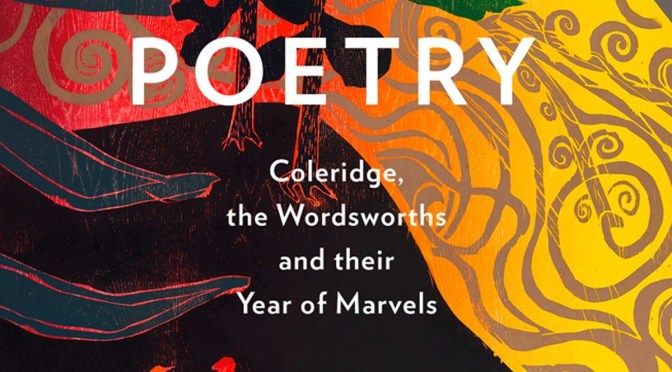
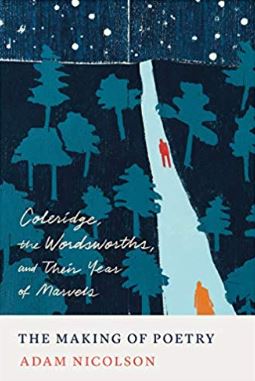 In The Making of Poetry, Adam Nicolson embeds himself in the reality of this unique moment, exploring the idea that these poems came from this particular place and time, and that only by experiencing the physical circumstances of the year, in all weathers and all seasons, at night and at dawn, in sunlit reverie and moonlit walks, can the genesis of the poetry start to be understood.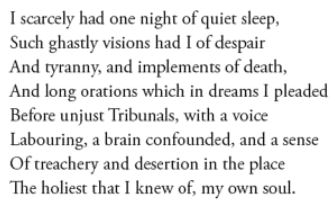
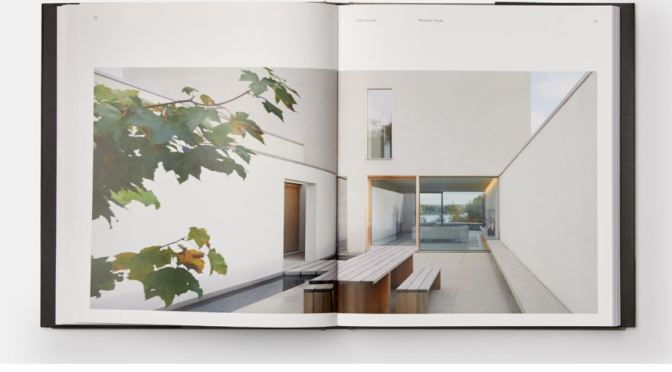
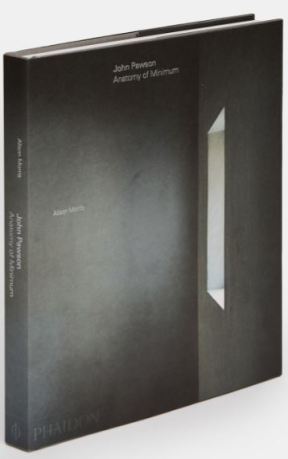 British architectural designer John Pawson has, in a career spanning over three decades, created an inimitable body of work characterized by its distillment of the fundamental ingredients of architecture into their most elemental, elegant expressions.
 approach, Pawson is sensitive to the intimate rituals of daily life and his buildings are far from austere: instead, they elegantly make the case for the clarity and freedom to be found in the act of reduction.

 replicating a

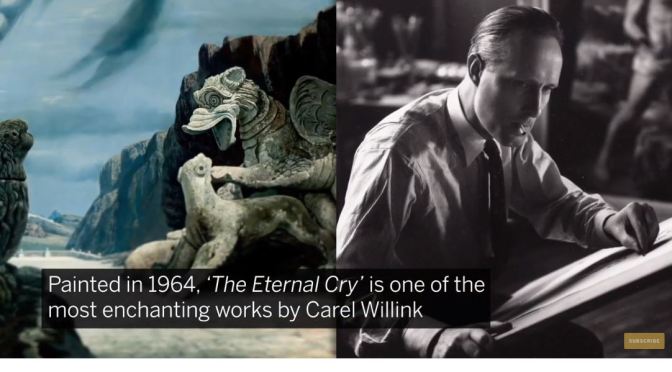
 Carel Willink was a pioneer of Magic Realism, an avant-garde movement of Dutch modernism closely associated with Surrealism. In this episode of Anatomy of an Artwork, discover how a visit to Italy’s Bomarzo Gardens following the death of his wife inspired a series of paintings featuring monsters, see how Willink drew further inspiration from dream-like images and illusions, and learn how his near-photographic style exudes a sense of mystery and enchantment.
 Boomers Daily