
From a Wall Street Journal online article:

Ms. O’Loughlin participates in a sport called tower running, which involves racing up skyscrapers, towers and stadium stairs. She’s ranked first in her age group nationally and 76th among women globally, according to the Towerrunning World Association. “I never take an elevator up a building unless it’s the only way up,” says Ms. O’Loughlin, who lives in a retirement community in Denton, Texas.
Ms. O’Loughlin runs the 20 floors of a building at Texas Woman’s University in Denton on Mondays and Thursdays. There are 20 steps a floor and she usually runs three to four reps. Leading up to a race, she will increase to five reps, and she descends backward, holding the railing. “It saves your knees,” she says. “I realize I’m 75, not 20.”
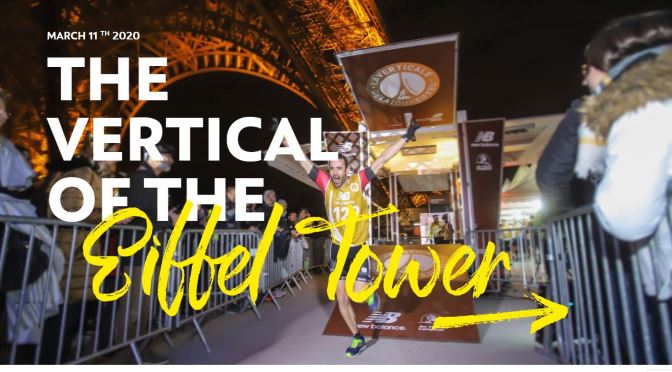
When Marsha O’Loughlin goes to Paris this March, she won’t be snapping photos of the Eiffel Tower. She’ll be too busy running up its stairs.
The 75-year-old is one of 131 participants who plan to compete in the 2020 Verticale de la Tour Eiffel, a race up 665 of the tower’s stairs.





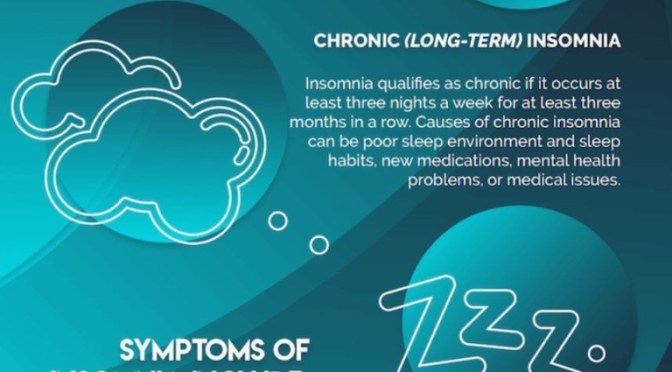
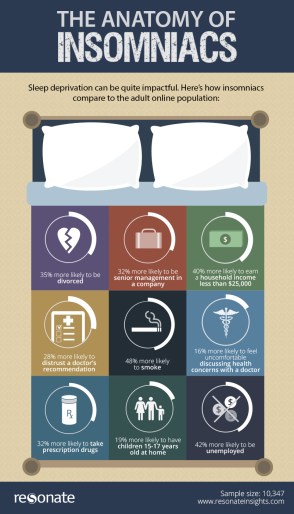 can develop a conditioned fear of not being able to sleep, which puts them in a state of hyperarousal when they attempt to fall asleep. This makes their inability to sleep a self-fulfilling prophecy.
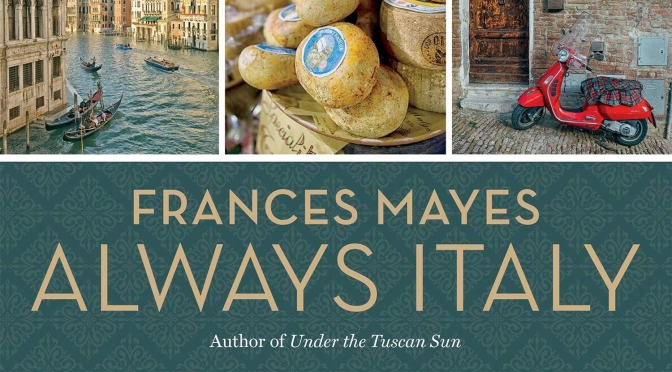
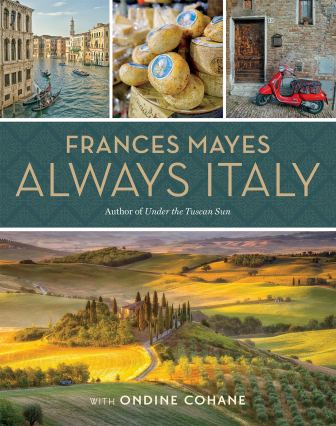 From the colorful coastline of Cinque Terre and the quiet ports of the Aeolian Islands to the Renaissance architecture of Florence and the best pizza in Rome, every section features insider secrets and off-the-beaten-path recommendations (for example, a little restaurant in Piedmont known for its tajarin, a pasta that is the perfect bed for the region’s celebrated truffles).
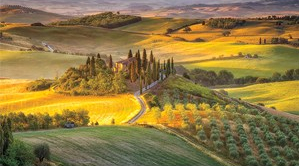 Filled with gently undulating hills, golden stone buildings, pristine vineyards, and glorious art, central Italy epitomizes the joys of this country. Do you love exquisite Renaissance architecture, painting, and sculpture, along with artisanal shopping? Or do you seek medieval winding alleys and formidable fortresses along with adrenaline-filled festivals? Head to Siena, where a central grand piazza hosts the Palio, the bareback horse race that has been a town fixture for centuries. Perhaps you love pasta along with architecture? Head to Rome, where layers upon layers of history unveil themselves as you walk past treasures like the Forum or the Circus Maximus, all within sight of vibrant new cafés and bars and beloved trattorias.
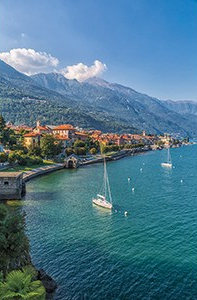 In Piedmont’s Barolo and Barbaresco wine-growing districts, vintners aren’t allowed to plant the sacred nebbiolo grape on north-facing hillsides, so hazelnut trees often fill those slopes. That most nutty of nuts, blended with rich chocolate, is a marriage of true minds, although the wedding was originally one of convenience. In the early 19th century, when trade embargoes and the Napoleanic wars caused chocolate imports to shrink, nuts extended the quantity. Turin, gateway to the castle-topped, hills of Piedmont, is one of the primo food cities in Europe. It’s regal, thanks to the palaces, ballrooms, libraries, and gardens of the Savoy rulers, who also infused the cuisine with French influences. Vintage and new trams run around the centro. The tree-lined streets, shady river walks, and numerous parks keep this the greenest city in Italy.
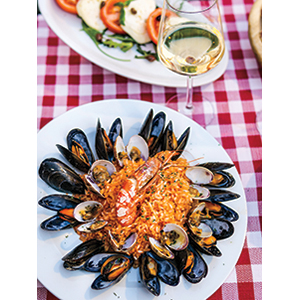 The majority of Lazio’s wines are white. Frascati is ubiquitous. There’s that word: drinkable. And they are. Light and summery, they’re able to heft a bit of gravitas too. From the island of Ponza, Casale del Giglio sends forth the chalky, fruity Biancolella Faro della Guardia. Biancolella is a grape variety grown only on the island. Three vineyards stand out for consistent high quality. Montiano, a merlot, is one of the region’s best wines. Next is the Sergio Mottura winery, known for its grechetto, Poggio della Costa. This pale beauty, with a whiff of citrus blossoms and stone, garners top ratings and the bonus of being well priced. Poggio Le Volpi’s Bacca Rossa, from the nero buono grape, makes an earthy and spicy partner to pasta with sausage and four cheeses. In Rome, wine nuts must feel a magnetic pull to Ristorante Casa Bleve.
 As the US Democratic party takes steps towards choosing who will attempt to win the presidency, Andrew Mueller discusses the candidates’ strengths and weaknesses and asks if they are up to the job.
 Boomers Daily