

 Lo—TEK, derived from Traditional Ecological Knowledge, is a cumulative body of multigenerational knowledge, practices, and beliefs, countering the idea that indigenous innovation is primitive and exists isolated from technology. It is sophisticated and designed to sustainably work with complex ecosystems.
Three hundred years ago, intellectuals of the European Enlightenment constructed a mythology of technology. Influenced by a confluence of humanism, colonialism, and racism, this mythology ignored local wisdom and indigenous innovation, deeming it primitive. Today, we have slowly come to realize that the legacy of this mythology is haunting us.
With a foreword by anthropologist Wade Davis and four chapters spanning Mountains, Forests, Deserts, and Wetlands, this book explores thousands of years of human wisdom and ingenuity from 20 countries including Peru, the Philippines, Tanzania, Kenya, Iran, Iraq, India, and Indonesia. We rediscover an ancient mythology in a contemporary context, radicalizing the spirit of human nature.
To read more or purchase: https://www.taschen.com/pages/en/catalogue/architecture/all/04698/facts.julia_watson_lotek_design_by_radical_indigenism.htm

 Syndicated columnist Mark Shields and New York Times columnist David Brooks join Judy Woodruff to discuss the week’s political news, including the House Judiciary Committee’s passage of articles of impeachment along party lines, Republicans’ defense of President Trump, how impeachment affects Trump politically, what the Horowitz report says about the FBI and a bombshell report on the Afghan war.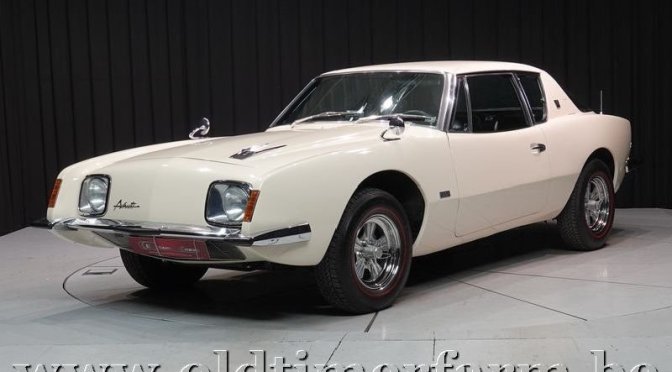
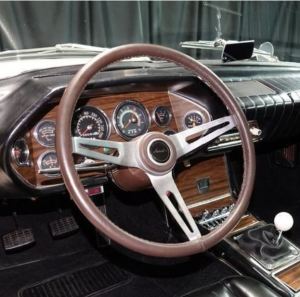 Described as “one of the more significant milestones of the postwar industry”, the car offered combined safety and high-speed performance. Subsequent to Studebaker’s discontinuation of the model, a series of five owner arrangements continued manufacture and marketing of the Avanti model.
 The Avanti was developed at the direction of Studebaker president, Sherwood Agbert. “The car’s design theme is the result of sketches Egbert “doodled” on a jet-plane flight west from Chicago 37 days after becoming president of Studebaker in February 1961.” Designed by Raymond Loewy’s team, the Avanti featured a radical fiberglass body mounted on a modified studebaker Lark Daytona 109-inch convertible chassis and powered by a modified 289 Hawk engine. APaxton supercharger was offered as an option.
 In Part 3 of our series on pivotal moments in the lives of the 2020 Democratic presidential contenders, we spoke with Elizabeth Warren about how she came to be known as the blow-it-up candidate. The Massachusetts senator describes her transformation from Republican law professor to progressive candidate for the Democratic presidential nomination.
 With help from Andrew Ross Sorkin, a financial columnist at The Times and founder of DealBook; Harry Reid, a former Senate majority leader; and David Axelrod, a former Obama adviser, we explore Ms. Warren’s rise to prominence as an advocate for overhauling the financial system — and why those beliefs can help us understand her run for president now.




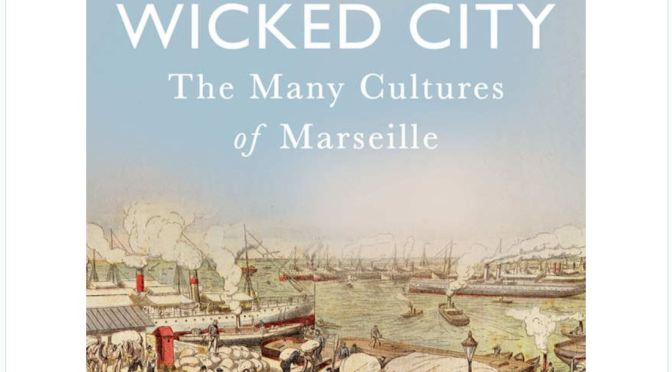
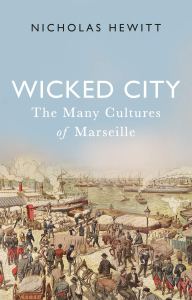 The Toulousain Charles Dantzig wrote, ‘I find the Marseillais tiresome, especially those who, as soon as you speak to them, start to bang on about the uniqueness of being Marseillais, adding with a particular sort of whining machismo that no one likes them and everyone defames them. Their humour is nothing more than pitiable braggadocio.’ Régis Jauffret, who grew up there, is pithier: ‘Marseille is a tragic city. It formed my imagination.’ (It’s an imagination of peerless bleakness.)
 Nicholas Hewitt died in March, less than a month after completing the text of Wicked City. It’s a fine monument to his curiosity, compendious knowledge, resourcefulness and measured enthusiasm. He calls it ‘a series of snapshots’, which is perhaps too modest. If they are snapshots, they have been photoshopped and retouched to accord with his vision of the city and its well-rehearsed mythology of outsiderdom and exceptionalism, edginess and banditry. And his aspiration to explore Marseille’s hold on the ‘nation’s imagination’ is also too modest. The ‘international imagination’ would be more apt.
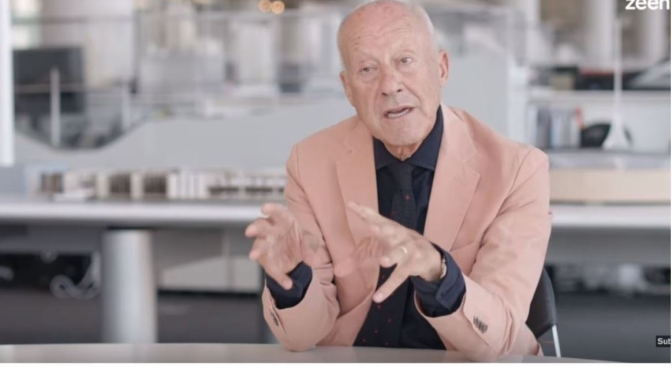
 British architect Norman Foster reflects on his first high-tech building and how it shaped offices to come, in this exclusive video produced by Dezeen. Named after the electronics manufacturer that commissioned the building,
 Boomers Daily