Monocle 24 checks in on Switzerland’s plans to further ease coronavirus restrictions and ask whether the country is setting an example that others should follow.
Plus: the weekend’s newspapers and top stories. From Milan: Salone highlights, interviews and a daily running guide.
A look ‘beneath’ Titian’s canvases reveals the tweaks and changes he made as he worked over four hundred years ago. Find out more with Restorer Jill Dunkerton.
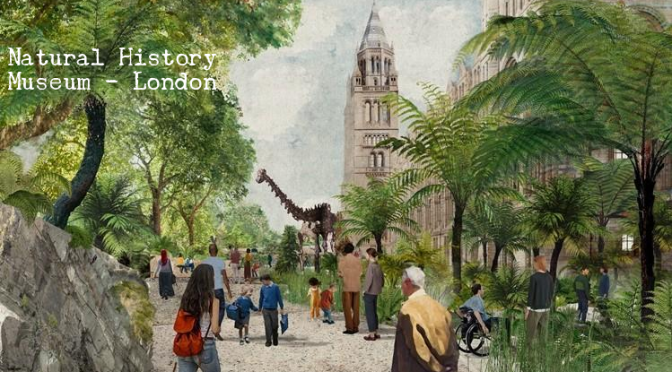
The Museum’s gardens were originally set aside for future expansion of the building, but when money ran out they became an outside space for the public. They haven’t just been for show – over the years they’ve been a burial ground for whales, they’ve hosted a secret war bunker, and they’ve been converted to a farm complete with eight Sussex pigs.
The Natural History Museum in London is home to over 80 million specimens, including meteorites, dinosaur bones and a giant squid.
A selection of three essential articles read aloud from the latest issue of The Economist. This week, is China the pandemic’s big geopolitical winner? (8:30) Saudi Arabia has declared a ceasefire in Yemen, but the Houthis are fighting on. (14:13) And, how Britain’s glossy magazines are adjusting to a gloomy world.
The way Titian painted was unlike other artists of his day. With little in the way of preliminary drawings, Titian worked very freely straight onto the canvas. Watch artist Andy Pankhurst show us how Titian would have worked.
Tiziano Vecelli or Vecellio, known in English as Titian, was an Italian painter during the Renaissance, considered the most important member of the 16th-century Venetian school. He was born in Pieve di Cadore, near Belluno. During his lifetime he was often called da Cadore, ‘from Cadore’, taken from his native region.
Although our galleries are temporarily closed we wanted to share the Aubrey Beardsley exhibition at Tate Britain with you. Join Tate curators Caroline Corbeau-Parsons and Alice Insley as they discuss the iconic illustrator’s short and scandalous career.
Before his untimely death aged twenty-five, Beardsley produced over a thousand illustrations. He drew everything from legendary tales featuring dragons and knights, to explicit scenes of sex and debauchery. His fearless attitude to art continues to inspire creatives more than a century after his death.
Aubrey Vincent Beardsley (1872-1898) was an English illustrator and author. His drawings in black ink, influenced by the style of Japanese woodcuts, emphasized the grotesque, the decadent, and the erotic. He was a leading figure in the aesthetic movement which also included Oscar Wilde and James McNeill Whistler.
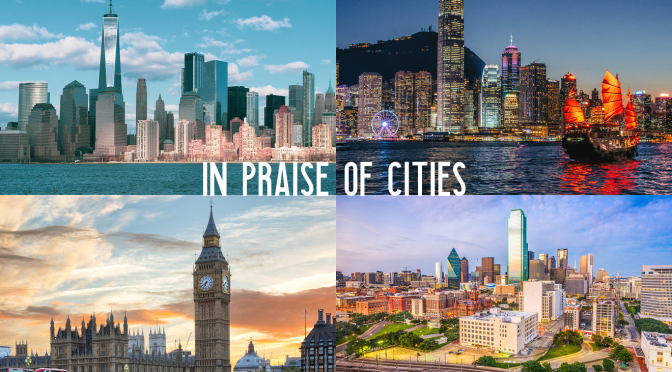
We ask our housebound editors and correspondents across the globe to reflect on what they cherish about the places in which they live and to pen a love letter to their cities: London, Hong Kong, Rio de Janeiro, Toronto and Milan.
Experience our Picasso and Paper exhibition from your own home in this video tour of the galleries, created before the Royal Academy had to close its doors due to coronavirus.
Picasso didn’t just draw on paper — he tore it, burnt it, and made it three-dimensional. From studies for ‘Guernica’ to a 4.8-metre-wide collage, this exhibition brings together more than 300 works on paper spanning the artist’s 80-year career.
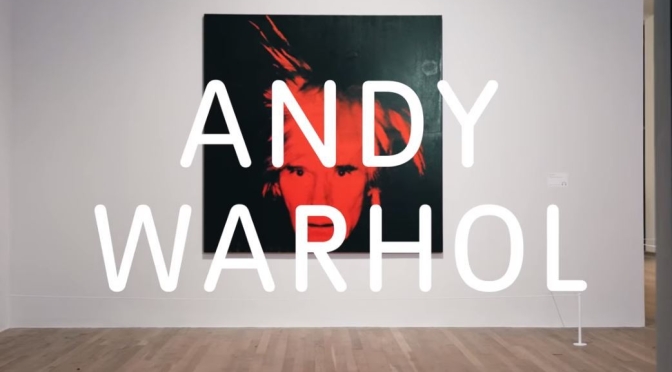
Although our galleries are temporarily closed we wanted to share the Andy Warhol exhibition at Tate Modern with you. Join Tate curators Gregor Muir and Fiontán Moran as they discuss Warhol through the lens of the immigrant story, his LGBTQI identity and concerns with death and religion.
Meet the man behind the brand. It’s a Warhol you might not know, with some artworks you may not have seen before.
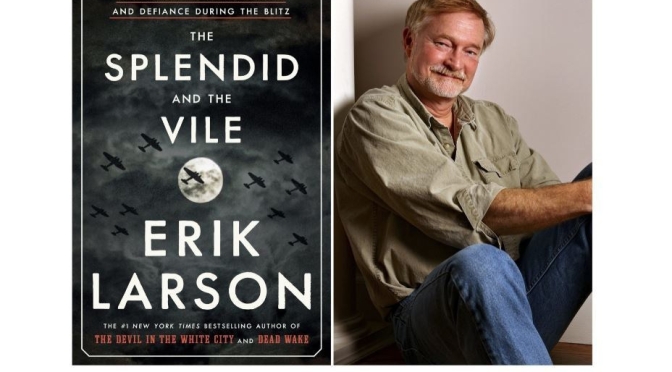
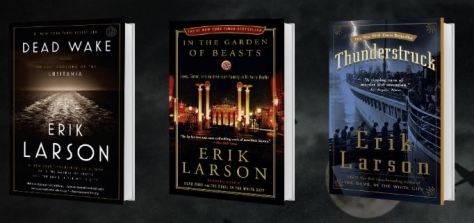
Erik Larson, #1 New York Times bestselling author, shares his writing process.
In The Splendid and the Vile, Erik Larson shows, in cinematic detail, how Churchill taught the British people “the art of being fearless.” It is a story of political brinkmanship, but it’s also an intimate domestic drama, set against the backdrop of Churchill’s prime-ministerial country home, Chequers; his wartime retreat, Ditchley, where he and his entourage go when the moon is brightest and the bombing threat is highest; and of course 10 Downing Street in London.
Drawing on diaries, original archival documents, and once-secret intelligence reports—some released only recently—Larson provides a new lens on London’s darkest year through the day-to-day experience of Churchill and his family: his wife, Clementine; their youngest daughter, Mary, who chafes against her parents’ wartime protectiveness; their son, Randolph, and his beautiful, unhappy wife, Pamela; Pamela’s illicit lover, a dashing American emissary; and the advisers in Churchill’s “Secret Circle,” to whom he turns in the hardest moments.

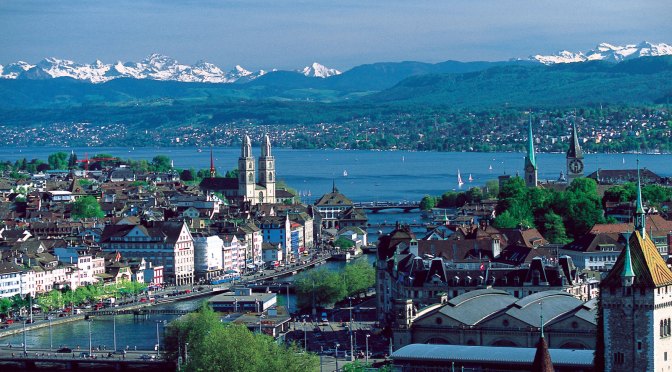
 Monocle 24 checks in on Switzerland’s plans to further ease coronavirus restrictions and ask whether the country is setting an example that others should follow.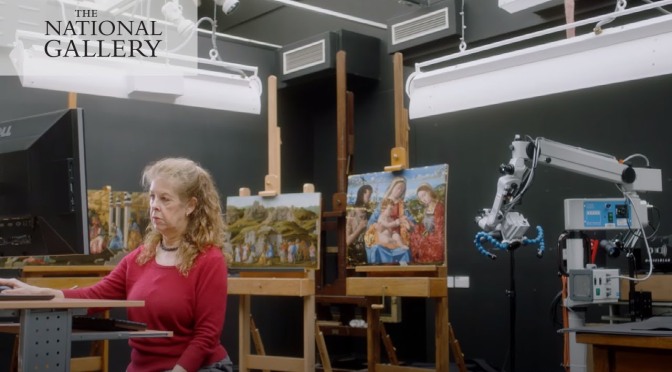
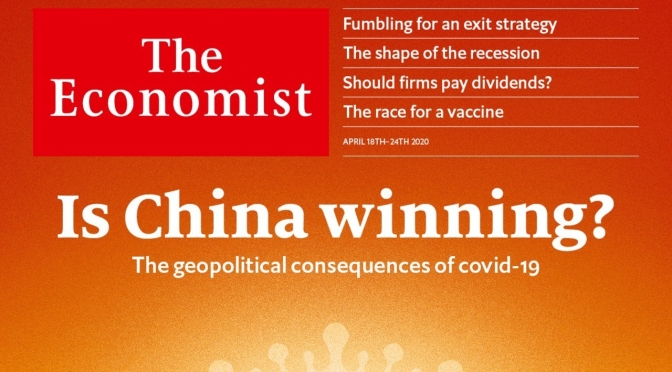
 A selection of three essential articles read aloud from the latest issue of The Economist. This week, is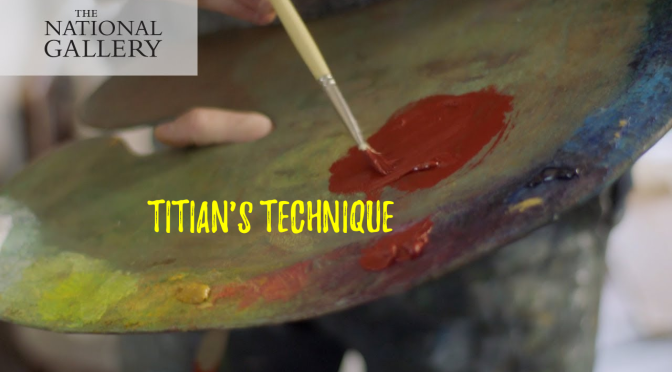

 We ask our housebound editors and correspondents across the globe to reflect on what they cherish about the places in which they live and to pen a love letter to their cities: London, Hong Kong, Rio de Janeiro, Toronto and Milan.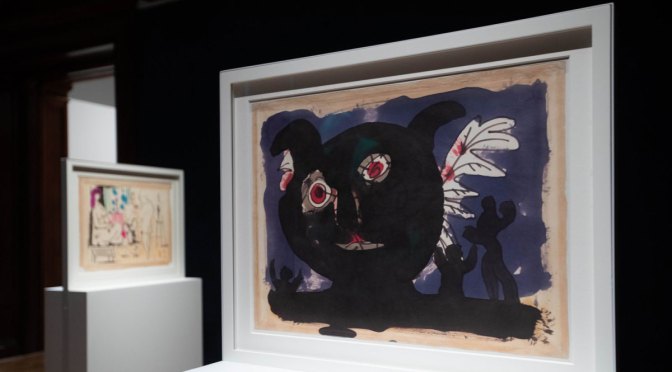
 Boomers Daily