

 The Buick Skylark is a passenger car produced by Buick. The model was made in six production runs, during 46 years, over which the car’s design varied dramatically due to changing technology, tastes and new standards implemented over the years.
Created to mark Buick’s 50th anniversary, the Roadmaster Skylark joined the Oldsmobile 98 Fiesta and Cadillac Series 62 Eldorado as top-of-the-line, limited-production specialty convertibles introduced in 1953 by General Motors to promote its design leadership. Of the three, the Skylark’s run of 1,690 units proved the most successful, and an amazing sales feat considering the car’s 1953 list price of slightly in excess of US$5,000 was over 50% more than the well-equipped US$3,200 Roadmaster convertible on which it was based. Nevertheless, many languished in dealer showrooms and were eventually sold at discount.
Production ran for two years. Based on the model 76R two-door Roadmaster convertible, the 1953 Skylark (designated model 76X) had identical dimensions (except height), almost identical appearance, shared its drive train, and had all its standard equipment, plus its few remaining options, including power windows, power brakes, full carpeting, and a “Selectronic” AM radio. Only A/C was not offered, unnecessary in either convertible.
From Wikipedia






 On this week’s show, senior correspondent Jeffrey Mervis joins host Sarah Crespi to discuss a new National Institutes of Health (NIH) grant program that aims to

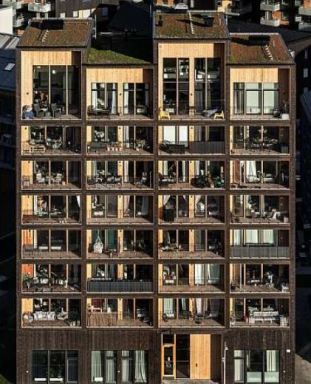 The Tall Timber Building residence has become a landmark and, during construction, became Sweden’s tallest solid wooden building in the new district of Kajstaden at Lake Mälaren in Västerås. All parts of the building consist of cross-laminated wood, which includes the walls, joists and balconies as well as the lift and stairwell shafts.
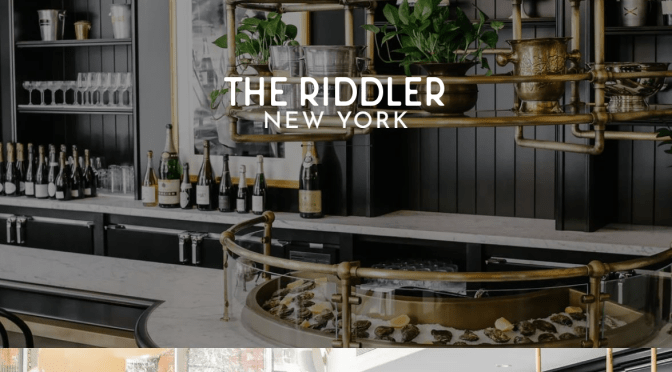
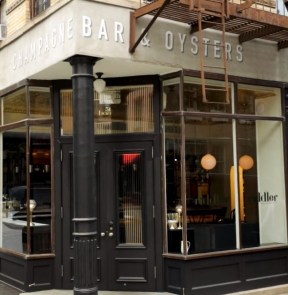 A restaurant funded solely by female investors, The Riddler is a New York City champagne bar from owner Jen Pelka.
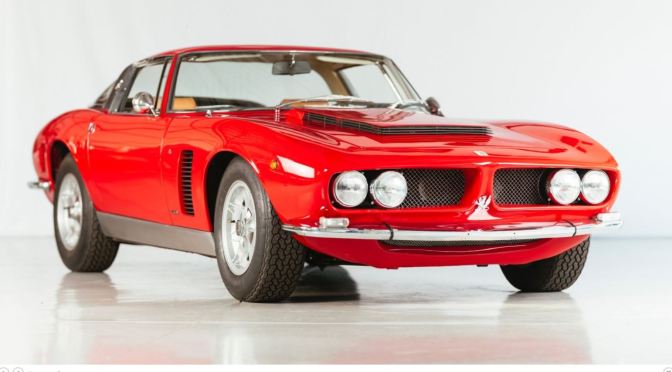
 The Iso Grifo is a limited production grand tourer automobile manufactured by Italian Iso Autoveicoli S.p.A. between 1965 and 1974. Intended to compete with Ferrari and Maserati GTs, it utilized a series of American power trains and components supplied by Chevrolet and Ford to ensure performance and maximize reliability. Styling was done by Giorgetto Giugiaro at Bertone, while the mechanicals were the work of Giotto Bizzarrini.
 In 1970, a styling change was made to the nose section of the car for the Grifo Series II, It got a sleeker look and hide-away headlights. In the IR-9 “Can Am” version the engine was switched from the 427 engines to the newer even more powerful Chevrolet 454 7.4 litre engine.
 Boomers Daily