
From a New York Times article by Mike Isaac and David Yaffe-Bellany:
 No longer must restaurateurs rent space for a dining room. All they need is a kitchen — or even just part of one. Then they can hang a shingle inside a meal-delivery app and market their food to the app’s customers, without the hassle and expense of hiring waiters or paying for furniture and tablecloths. Diners who order from the apps may have no idea that the restaurant doesn’t physically exist.
The shift has popularized two types of digital culinary establishments. One is “virtual restaurants,” which are attached to real-life restaurants like Mr. Lopez’s Top Round but make different cuisines specifically for the delivery apps. The other is “ghost kitchens,” which have no retail presence and essentially serve as a meal preparation hub for delivery orders.
“Online ordering is not a necessary evil. It’s the most exciting opportunity in the restaurant industry today,” said Alex Canter, who runs Canter’s Deli in Los Angeles and a start-up that helps restaurants streamline delivery app orders onto one device. “If you don’t use delivery apps, you don’t exist.”
To read more click on the following link: https://www.nytimes.com/2019/08/14/technology/uber-eats-ghost-kitchens.html
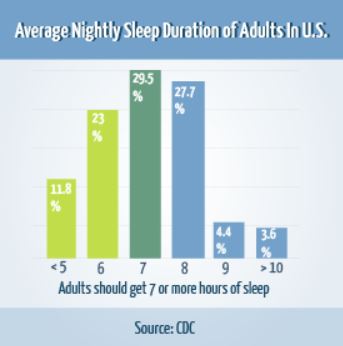 …these results indicate that sleep may play an important role in health disparities and may represent a modifiable risk factor (along with diet and physical activity) for cardiometabolic risk in general and cardiometabolic health disparities specifically.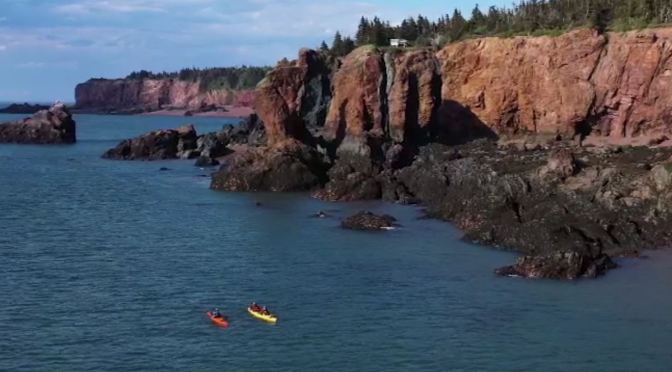
 On the mainland, drive east to
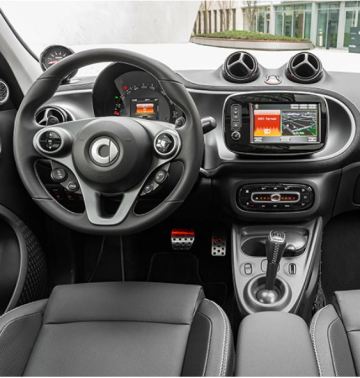 the result of its energetic design, both on the exterior and interior, ensures the smart ‘fortwo cabrio electric drive’ is fun-filled and quirky yet stylishly typical of the brand. at a size of 2.69 meters in length, 1.66m in width and 1.55m in height, the model delivers agile functionality for city mobility, even turning circles in less than 7 meters. however this time, smart has provided all this whilst offering electric economy with accelerating power and a fresh, open-air driving experience.
 Although the boomers may not have contributed much to the social and cultural changes of the nineteen-sixties, many certainly consumed them, embraced them, and identified with them. Still, the peak year of the boom was 1957, when 4.3 million people were born, and those folks did not go to Woodstock. They were twelve years old. Neither did the rest of the 33.5 million people born between 1957 and 1964. They didn’t start even going to high school until 1971. When the youngest boomer graduated from high school, Ronald Reagan was President and the Vietnam War had been over for seven years.


 It’s not quite Multnomah Falls in terms of Disneyland wow factor, but it’s up there. Bear in mind that some things are justifiably popular—and Ramona Falls is just such a place. It is one of those natural wonders that must be seen in person. Photos, good as they may be, do the sprawling cascade little justice. Accordingly, the approximately 7-mile loop hike that visits it is a rite of passage for any and all Oregon hikers—including dirt-caked and determined adventurers trudging their way along the Pacific Crest Trail, which joins a portion of this route.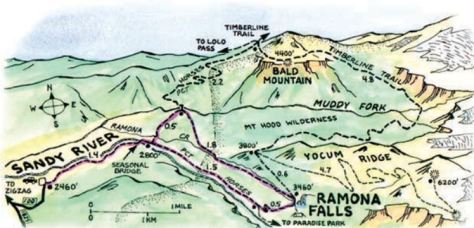

 The Washington Post’s Michael Gerson and Karen Tumulty join Amna Nawaz to discuss the latest in politics, including our analysis of upcoming 2020 Senate races and potential candidates, the controversy over Israel’s barring a visit from Reps. Omar and Tlaib, how trade tensions between the U.S. and China are affecting the economy and President Trump’s apparent interest in purchasing Greenland.


 Breakfast
 Boomers Daily