
Would you pay hundreds of dollars for the best cut of steak? What about a cup of coffee or a bottle of wine? From steak to caviar, CNBC Make It breaks down whether luxury foods are worth their high prices.
00:00 — Intro
01:01 — Wagyu Steak – This is the best Kobe steak ever imported to the United States. It costs $450 for 13 ounces and if it was sold in a restaurant it would cost $900. That’s about $90 a bite. That’s because It’s an A5 Kobe steak with a BMS of 12. In the Japanese beef rating system BMS stands for Beef Marble Score. The BMS scale ranges from 3 to 12, with 3 being a normal amount marbling, think what in the butcher shop at your high-end grocery store. The highest rating is 12. Steaks that reach that level are almost white with fat. Very, very few cuts of meat reach a BMS of 12. Over the last 10 years, just five BMS 12 beef loin sets have been imported into the U.S.
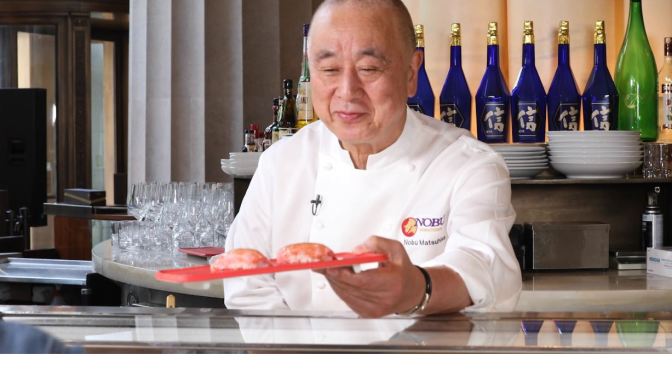
05:27 — Nobu Sushi – The omakase menu option at chef Nobu Matsuhisa’s namesake sushi restaurants runs nearly $200 per head. With locations in Beverly Hills, Aspen, and NYC, his restaurants count celebs like Justin Bieber and the Kardashian-Jenner clan. That’s expensive, but it’s by no means the most expensive sushi in the world, let alone New York. We set out to answer whether Nobu is worth the price and how does the quality of Chef Nobu’s menu compare to an average New York City sushi restaurant?
11:59 — Jeni’s Splendid Ice Cream – It seems like pricy artisanal ice cream is everywhere these days. Once limited to brands like Ben & Jerry’s and Haagen-Dazs, the premium ice cream freezer at the grocery store is crowded with ice cream that’s handmade and includes top dollar ingredients. While brands like Halo Top, Ample Hills, and Jeni’s Splendid Ice Creams are for sale in a larger number of stores, the price can result in sticker shock. A pint of Jeni’s Splendid Ice Cream retails for $12 a pint. Here’s why pints have sky-rocked in price.
17:48 — Coffee – Personal finance experts like Ramit Sethi and Suze Orman are split on whether buying coffee is a waste of money, but what about paying $100 for a cup? Elida Geisha Natural 1029 is currently the most expensive coffee in the world at $1,029 per pound. Is it worth the money?
26:12 — White Truffles – There is something undeniably intoxicating about the smell of truffles. In fact, that potent smell is a major part of why truffles are so expensive. In 2019, someone paid over $130,000 for just over two pounds of white truffles. Interestingly enough, there’s a scientific explanation behind the intense reactions to the scent.










 Boomers Daily