

The coronavirus pandemic disrupted the global economy in ways that may affect your 2020 taxes. WSJ tax reporter Richard Rubin shares his tips for this unusual tax season. Photo illustration:Laura Kammermann
Tag Archives: Reviews

Travel & Photography: ‘Provence Glory’ – Life In The South Of France
From cities to quaint towns and everything in between, Provence has something for everyone. Swim in the crystal clear waters of the Calanque de Sormiou in Marseille. Drive with the top down through fields of lavender in Valensole. Experience a bite of just-out-of-the-oven fougasse, a Provençal classic.


Stand in awe of the beautiful, white Camargue horses native to the area. Located in the South of France, Provence is uniquely positioned to be a cultural blend of the Mediterranean. Roman landmarks still prevail from the 1st century AD alongside châteaus from medieval times—a varied legacy brightened by the indigenous mimosas and cypresses.

Healthcare: The Costs Of ‘Long-Covid’ Treatment
Covid-19 is a particularly vicious disease. While a significant number of people remain asymptomatic, other patients could go on to develop what researchers are calling post-Covid-19 syndrome. Americans suffering from the condition are running into financial problems due to the inconsistent nature of the U.S. health-care system. CNBC spoke with three people about their experience battling Covid and paying for their treatment. Watch the video above to learn how coronavirus treatment costs add up long after patients leave the hospital.
Video timeline: 0:00 – Introduction 1:40 – What the data says 3:28 – In for the long haul 7:40 – Government assistance 9:12 – What’s next?

Mars Mission: NASA’s Ingenuity Helicopter
NASA’s Ingenuity helicopter, which was carried to Mars by the Perseverance rover, is set for the first ever flight on the red planet. WSJ goes inside the company that partnered with NASA to design and build an aircraft for a completely different atmosphere from Earth. Photo: NASA/JPL
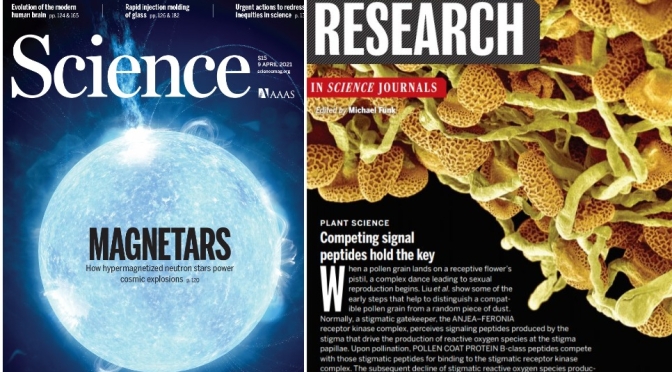
TOP JOURNALS: RESEARCH HIGHLIGHTS FROM SCIENCE MAGAZINE (APRIL 9, 2021)

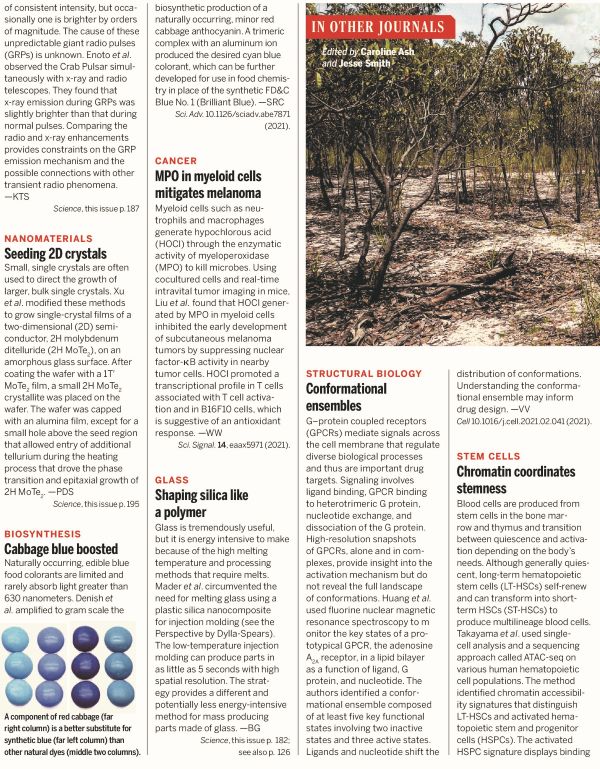

Science Podcast: Views Of Magnetars, When Human Brains Got Complex
Host Sarah Crespi talks with Contributing Correspondent Joshua Sokol about magnetars—highly magnetized neutron stars. A recent intense outburst of gamma rays from a nearby galaxy has given astronomers a whole new view on these mysterious magnetic monsters.
Also on this week’s show, Christoph Zollikofer, a professor of anthropology at the University of Zurich, talks about the evolution of humanlike brains. His team’s work with brain-case fossils suggests the complex brains we carry around today were not present in the early hominins to leave Africa, but later developed in the cousins they left behind.

Covid-19 Infographic: ‘Tracking The Variants’


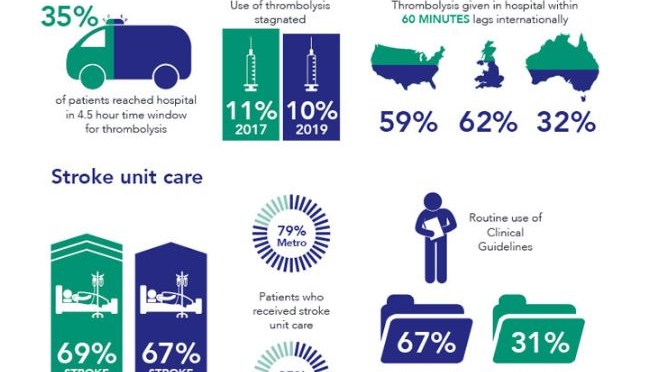
Health Infographic: ‘Time Critical Stroke Therapy’


Online Business: How ‘Chewy’ Harnessed The Pandemic Pet Boom
Online pet retailer Chewy has seen a surge of growth over the past year as millions adopted new pets. WSJ spoke with Chewy’s CEO to learn how the company handled the pandemic pet boom. Illustration: Jacob Reynolds/WSJ

Analysis: ‘How Would Apple Make A Car’ (Video)
As tech companies become a key part of the auto industry, cars are looking more like giant computers on wheels. To understand why a tech giant like Apple might want to make a car, we built one out of iPhone parts. Photo illustration: Alex Kuzoian/WSJ
 Boomers Daily