Category Archives: Arts & Literature

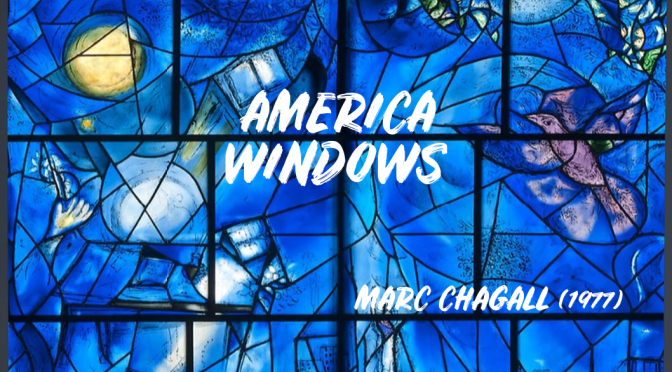
Museum Tours: “America Windows” – Marc Chagall (Art Institute Chicago)

On this episode of Art Institute Essentials Tour, take a closer look at American Windows, created by Marc Chagall in 1977. Later in his life, the artist Marc Chagall turned to the medium of stained glass to explore intense color on a monumental scale. This six-panel work, created for the museum to commemorate America’s bicentennial, merges symbols of American history, the Chicago skyline, and the arts.

Website

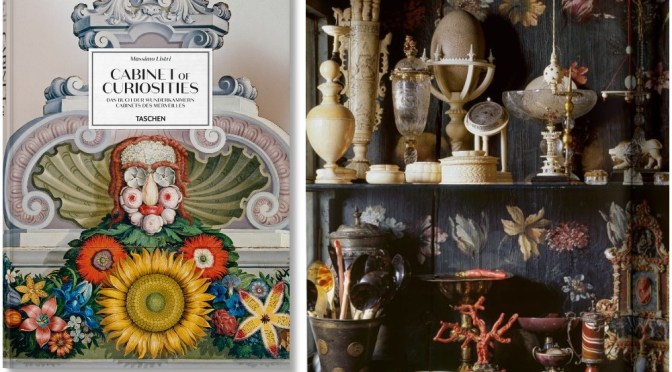
Art & Photography Books: “Massimo Listri -Cabinet of Curiosities” (Taschen)

From the Grand Duke Francesco I de’ Medici and Holy Roman Emperor Rudolf II to Archduke Ferdinand II of Habsburg, these aristocratic virtuosos acquired, selected, and displayed the objects in real-life catalogues that represented the entire world—spanning architecture, interior design, painting, sculpture, gemology, geology, botany, biology and taxonomy, astrology, alchemy, anthropology, ethnography, and history.

Listri

The Wunderkammer, or “cabinet of curiosities,” saw collectors gathering objects from many strands of artistic, scientific, and intellectual endeavor, in an ambitious attempt to encompass all of humankind’s knowledge in a single room.

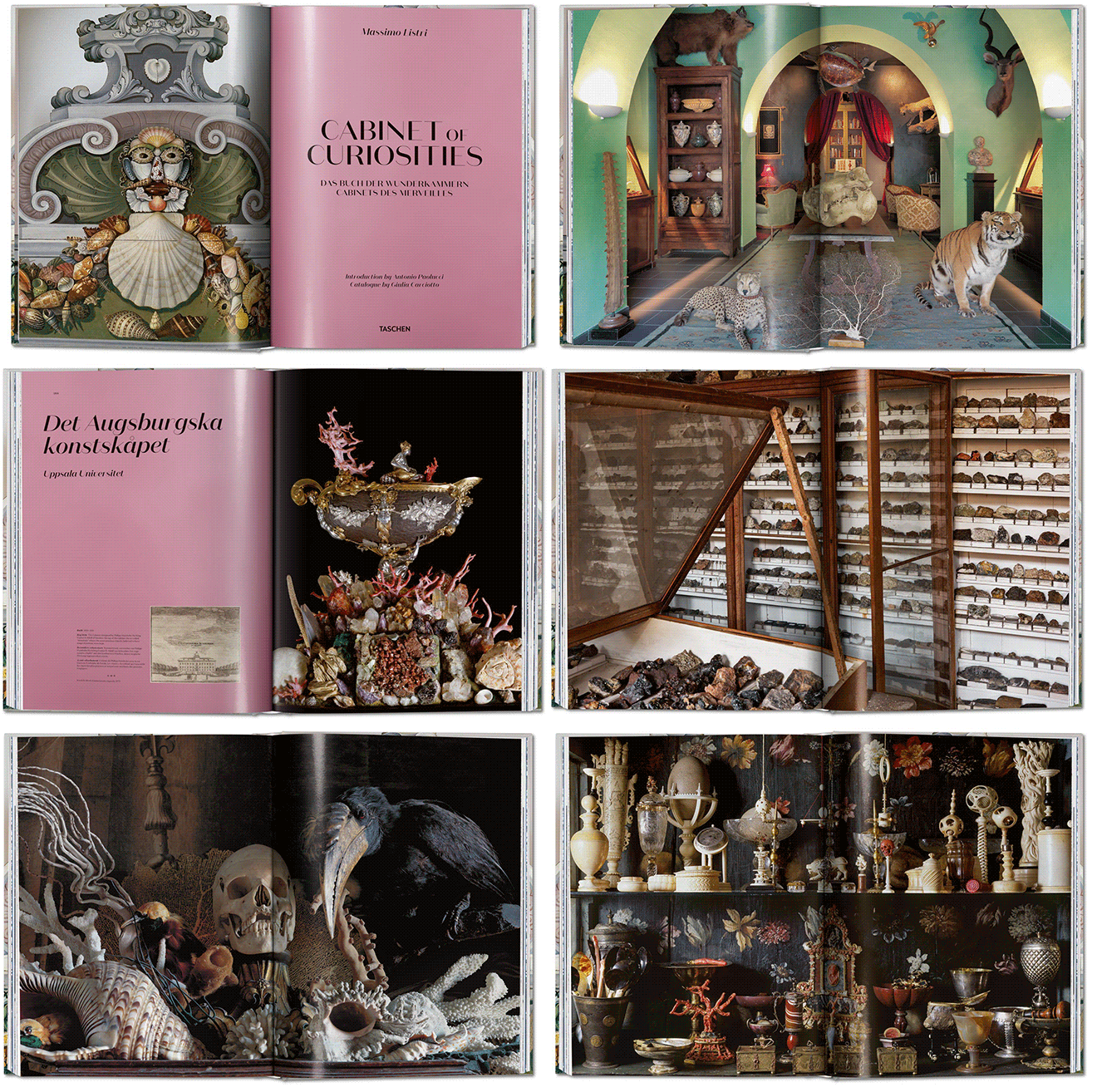
Marvel at the unicorn horns (narwhal tusks), gems, rare coral growths, Murano glasswork, paintings and peculiar mechanical automata. Browse through illustrations of exotic and mythical creatures and discover the famed “Coburg ivories,” an astounding collection of crafted artifacts. These collections are nothing short of a journey through time, from the Renaissance and Age of Discovery, the Mannerist and Baroque periods, up to the present day. Although many of these cabinets of curiosities no longer exist, others have been meticulously reconstructed, and new ones born.

These marvelous cabinets of curiosities can now be explored by all in this XXL collection. To realize this mammoth undertaking, Massimo Listri traveled to seven European countries over several decades; the result is a set of gorgeous photographs, an authoritative yet accessible introduction, and detailed commentary on each of the 19 chambers highlighting the most remarkable items in each collection. Discover how these timeless treasures both describe and defined civilization, the modern concept of the museum, and our very knowledge of the universe.

The authors

Giulia ML Carciotto graduated in art history from the Sapienza University in Rome. She was a Research Fellow at the Warburg Institute in London, where she also worked for Christie’s. She was editor-in-chief of the art publisher Franco Maria Ricci Editore in Milan, and now teaches at the Academy of Fine Arts in Palermo and at the Abadir Academy in Catania.

Antonio Paolucci studied art history under Roberto Longhi in Florence and began his career in the management of cultural heritage. He was the Superintendent of Cultural Heritage in Venice, Verona, and Mantua. He later became Director of the Opificio delle Pietre Dure in Florence and, for almost twenty years, the Superintendent for the Polo Museale Fiorentino. Most recently, Paolucci was the Director of the Vatican Museums from 2007 to 2016. A specialist in Italian Renaissance art, he is the author of museum and exhibition catalogues, as well as publications on Donatello, Piero della Francesca, Michelangelo, Raphael, and Benvenuto Cellini, among others.

Read more or purchase

Post-Covid Concerts: Barcelona’s “Gran Teatre Del Liceu” – Live Audience Of 2,292 Plants (Video)

This week, Barcelona’s Gran Teatre del Liceu held its first performance with a live audience post-coronavirus, but it’s unclear whether the attendees were too green to appreciate Puccini’s “Crisantemi.” Seated in the red, velvet seats and among the gold balconies, 2,292 palms, ficus trees, and Swish cheese plants filled the iconic opera house to listen to the string quartet’s rendition.

A collaboration with Madrid-based artist Eugenio Ampudia and the Max Estrella gallery, the concert was meant to reflect on humans’ relationship with nature. “I thought why don’t we go into the Liceu like weeds, take it over and let nature start growing everywhere and turn it into something alive even when there are no people,” Ampudia said in an interview. After the performance, the leafy audience members were donated to healthcare workers who have been battling the virus during the last few months.

Website

Auto Exhibitions: “Detroit Style – Car Design in the Motor City 1950-2020”

Detroit Institute of Arts LogoNov 15, 2020 — Jun 27, 2021:

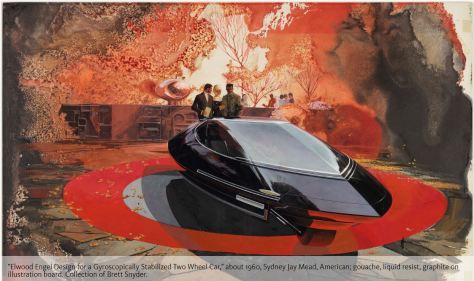
Detroit designers have always led the way in car design. The futuristic concept cars, roaring muscle cars, and sleek racers designed in and around the city shape our ideas of what a car can be. Working on paper, in clay, and in metal, their ideas drive American car culture and inform the way we get around every day.

Elwood Engel Design for a Gyroscopically Stabilized Two Wheel Car 1960

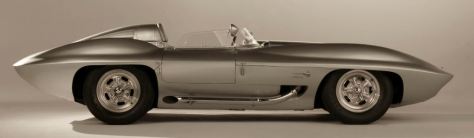
This exhibit organized by the Detroit Institute of Arts will highlight the artistry and influence of Detroit car designers working between 1950 and the present day. It will bring together 12 coupes and sedans designed across that 70-year period to highlight significant achievements in style and technology.

The 12 cars include unique examples of experimental show cars created for display and iconic production models sold to the mass market. Design drawings and photographs will allow you to imagine the creative and innovative processes that bring a vehicle from the drawing board to the street.

1959 Corvette Stingray Racer

A selection of paintings and sculptures will highlight the conversation between the American art world and the car culture from the 1950s to the present day.

Website

World’s Top Glassmakers: Craftsman John Pomp – “Perfect Imperfection”

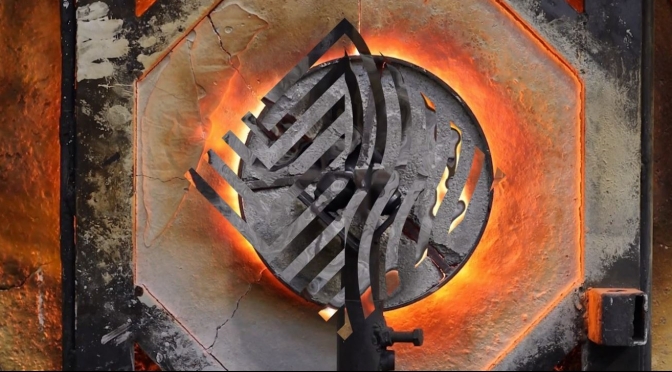
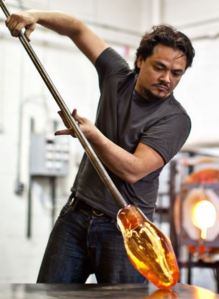
The intertwining of the four classical elements—fire, water, earth and air—is a constant source of inspiration to the design and philosophies of John Pomp. Be it a ripple on the ocean or the swelling of a bubble, his sculptural pieces mimic the wondrous geometry that exists, often unnoticed, in the natural world.

Glassmaker John PompBy capturing the fluidity of glass in its liquid state with gestural experimentations of technique, John transforms “perfectly imperfect” into signatures of his creations. Fragile and ethereal, yet purposeful and confident, every Pomp piece is a unique confluence of light, liquid and fire, which he brings together to alchemic effect.
Website

Top Artists: Taiwanese Watercolorist Chien Chung-Wei – “Timeless”

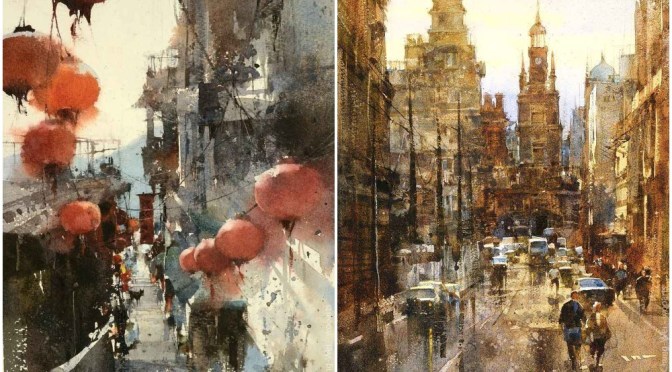
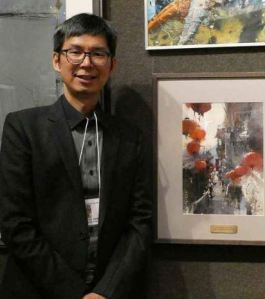
Chien Chung-Wei is an award winning Taiwanese watercolor artist making his teaching debut in North America.  Chien Chung-Wei paintings look timeless, yet have a modern and contemporary feel, that is bringing him great success in North America and Europe.

Chien Chung-Wei Profile

He is the first Taiwanese artist to have ever received his signature in the National Watercolor Society, and the first to exhibit in the American Watercolor Society.

He has earned a masters degree in fine arts, and works as a part time lecturer and teacher of watercolor. With the growing excitement of so many talented artists from the East, Chien Chung-Wei has quickly risen to the top.

Chien Chung-Wei is a frequent contributor in many Western publications, including numerous articles and awards in the Art of Watercolor Magazine and International Artist.

Website

Art History Videos: Pablo Picasso’s “Les Femmes d’Alger – 1955” (Christie’s)

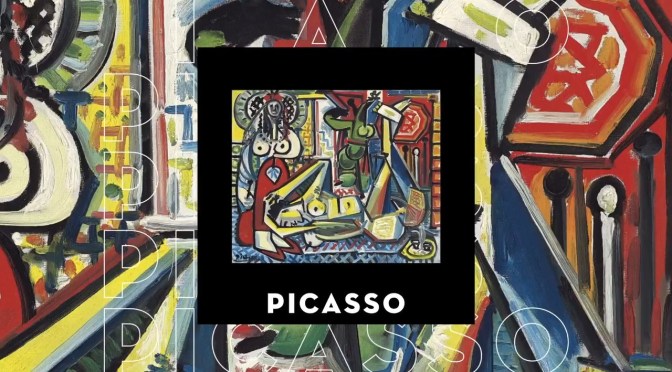
Christie's logoBetween 13 December 1954 and 14 February 1955, Picasso painted a series of fifteen canvases based on Eugène Delacroix’s masterwork Les femmes d’Alger, each of which he assigned an identifying letter from A to O. Together, these paintings constitute Picasso’s single greatest achievement in the decades following the end of the Second World War. They represent his first comprehensive appropriation and thoroughgoing exploration of an important painting by an earlier artist, as well as the most focused analysis he had done since the war years of the female figure set within a specific spatial environment.
Picasso painted the present Femmes d’Alger, Version F on 17 January 1955, around the halfway point in the cycle. It is the culminating, most fully resolved canvas from the first phase of the series, when Picasso favored medium-sized formats for his protean explorations.

Website

Art Profiles: 99-Year Old American Painter Wayne Thiebaud’s “Classic Pop”

From Christie’s (June 27, 2020):

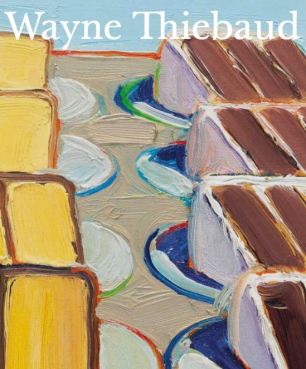
Wayne Thiebaud - American PainterOne of the largest canvases from Thiebaud’s groundbreaking early period, it depicts a row of arcade machines, decorated in a vibrant mix of oranges and yellows…With their foreshortened bodies, the machines press towards the picture plane like the cakes and hot dogs in Thiebaud’s other works, inviting the viewer to reach in and taste.
It’s a classic of Pop art, a masterful reflection of the post-war boom in consumerism.

In November 2020, Wayne Thiebaud — the American artist best-known for his still lifes of pies, pastries and other tempting treats — turns 100.

Thiebaud also had a lot of fun with the backglasses: instead of cartoons and flashing lights, he decorated them with the ghostly, geometric forms of Frank Stella’s Concentric Squares, Jasper Johns’ Targets and Ellsworth Kelly’s Colors for a Large Wall.

Read full article

Cocktails With A Curator: “Stubb’s ‘Portrait Of Warren Hastings’ (Frick)

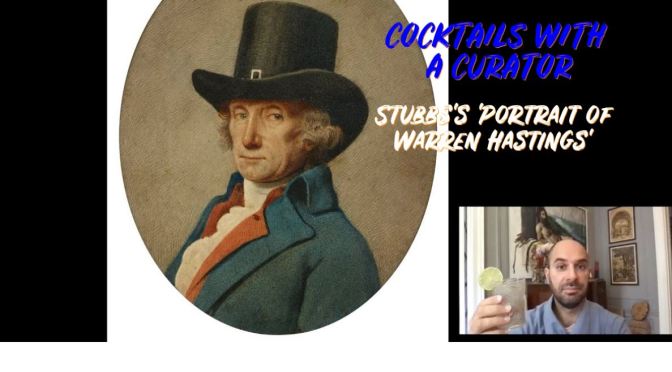
In this week’s episode of “Cocktails with a Curator,” join Deputy Director and Peter Jay Sharp Chief Curator Xavier F. Salomon as he considers the life of statesman Warren Hastings, who is depicted in a small watercolor from about 1791 by the prominent British artist George Stubbs. Explore the tumultuous career of Hastings, from his tenure as governor-general of India to a decade-long trial in Westminster Hall upon his return to England. This week’s complementary cocktail is a gin and tonic garnished with a slice of lime.

Top New Books: “The Language Of Butterflies” By Wendy Williams (2020)

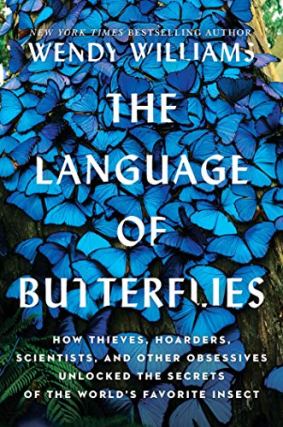
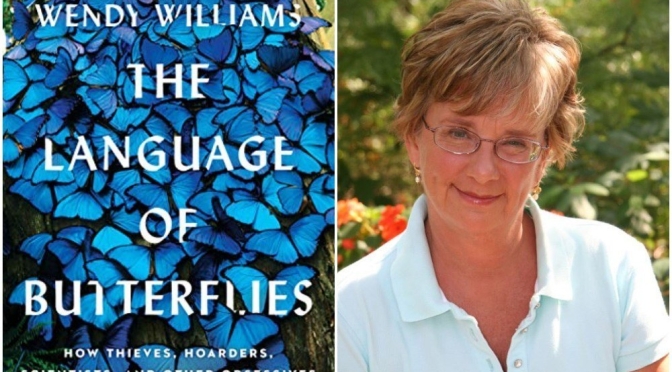
The Language of ButterfliesButterflies are one of the world’s most beloved insects. From butterfly gardens to zoo exhibitions, they are one of the few insects we’ve encouraged to infiltrate our lives. Yet, what has drawn us to these creatures in the first place? And what are their lives really like? In this groundbreaking book, New York Times bestselling author and science journalist Wendy Williams reveals the inner lives of these “flying flowers”—creatures far more intelligent and tougher than we give them credit for.

In this fascinating book from the New York Times bestselling author of The Horse, Wendy Williams explores the lives of one of the world’s most resilient creatures—the butterfly—shedding light on the role that they play in our ecosystem and in our human lives.

Monarch butterflies migrate thousands of miles each year from Canada to Mexico. Other species have learned how to fool ants into taking care of them. Butterflies’ scales are inspiring researchers to create new life-saving medical technology. Williams takes readers to butterfly habitats across the globe and introduces us to not only various species, but to the scientists who have dedicated their lives to studying them.

Coupled with years of research and knowledge gained from experts in the field, this accessible “butterfly biography” explores the ancient partnership between these special creatures and humans, and why they continue to fascinate us today. Touching, eye-opening, and incredibly profound, The Language of Butterflies reveals the critical role they play in our world.

Read more