
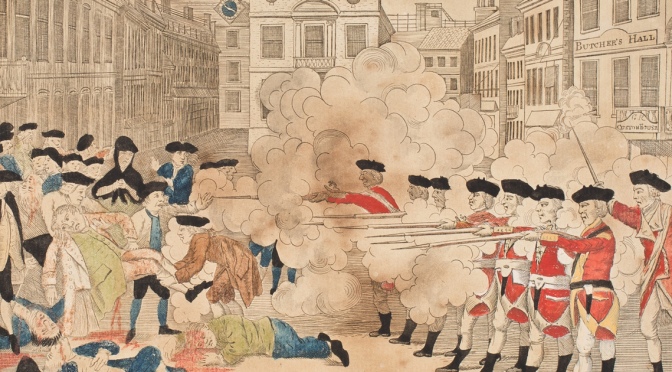
From an New York Times online review:
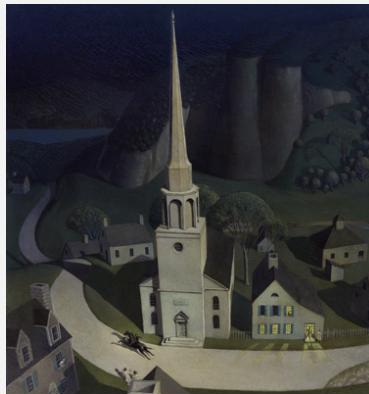 Revere’s place in history was cemented by the Longfellow poem, published in 1861, more than 40 years after Revere’s death. Longfellow “was flexible about the historical details,” said Debra Schmidt Bach, who coordinated the exhibition for the New-York Historical Society. “I mean, it was a fictionalized poem,” she said. “It was not intended as a detailed examination of the ride.”
 The exhibition was organized by the American Antiquarian Society, of which Ms. Hewes is the curator of graphic arts. Nan Wolverton, the show’s other curator, is the director of fellowships at the antiquarian society, and of its Center for Historic American Visual Culture. The display includes more than 140 objects from the antiquarian society’s extensive Revere holdings; the New-York Historical Society’s own collection; the Museum of Fine Arts, Boston; and the Massachusetts Historical Society, among others.
To read more: https://www.nytimes.com/2019/09/11/arts/design/paul-revere-beyond-midnight.html


 Rigorously unsentimental in his attitude to the world around him, Mr. Frank deviated from form in 1950, taking what was arguably his most romantic picture. He had his reasons. He was in love. The year before he had met artist Mary Lockspeiser, who became his first wife. In “Tulip/Paris,” he photographed a young man who is holding behind his back a tulip — presumably intended for the woman standing in the background. An old man, at the other end of life’s arc, approaches the viewer. It is a classic romantic Paris street photograph.
 “It’s a way of life that’s gone and I don’t think it’s a bad state that it’s gone. But realistically it must’ve been livable on a level by pretty well everyone involved or it wouldn’t have gone on for a thousand years.”
 The latest documentary on PBS from Ken Burns starts this Sunday, and will likely get your foot tapping. “Country Music” is an eight-part series, featuring never-before-seen footage and photos. Amna Nawaz sat down with Burns, who has now had more than 30 films on PBS telling the stories of America. The conversation is part of our ongoing series on arts and culture, Canvas.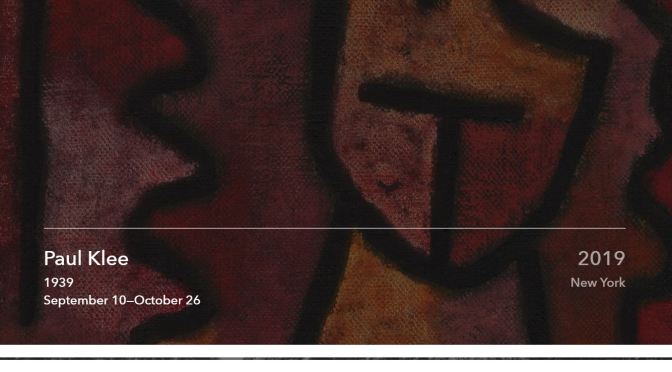
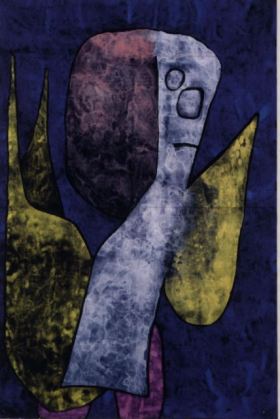 The works on view illustrate how Klee responded to his personal difficulties and the broader social realities of the time through imagery that is at turns political, solemn, playful, humorous, and poetic. Ranging in subject matter, the works all testify to Klee’s restless drive to experiment with his forms and materials, which include adhesive, grease, oil, chalk, and watercolor, among others, resulting in surfaces that are not only visually striking, but also highly tactile and original. The novelty and ingenuity of Klee’s late works informed the art of the generation of artists that emerged after World War II, and they continue to hold relevance and allure for artists and viewers alike today.
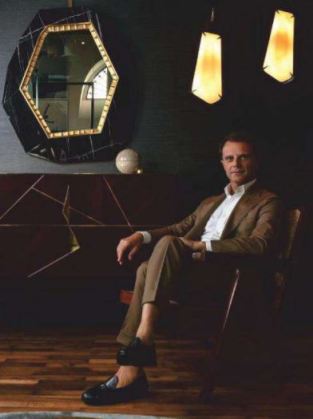 Achille Salvagni is recognised as one of the most sophisticated and innovative creatives working today. His influences range from the rich heritage of generations of master designers before him, to cutting-edge contemporary design tendencies. Combining Italian craftsmanship with his passion for noble materials, Salvagni’s timeless interiors reflect his unique approach and the understated elegance of his aesthetic.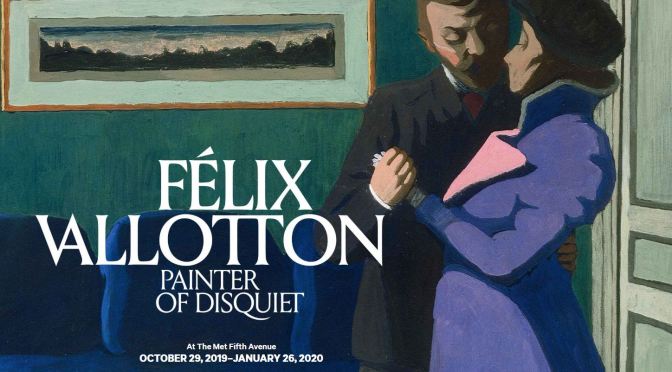
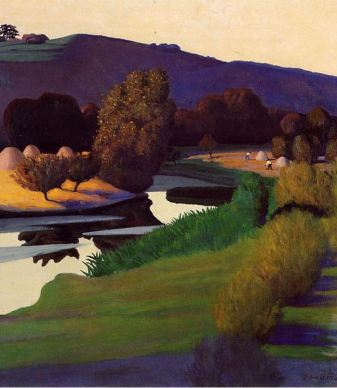 Witness to the radical aesthetics that gripped Paris in the late nineteenth and early twentieth centuries, Vallotton developed his own singular voice. Today we recognize him as a distinctive artist of his generation. His lampooning wit, subversive satire, and wry humor is apparent everywhere in his artistic production. Vallotton’s trenchant woodcuts of the 1890s solidified his reputation as a printmaker of the first rank while boldly messaging his left-wing politics.
 dozen lenders. Swiss-born and Paris-educated, Vallotton (1865–1925) created lasting imagery of fin-de-siècle Paris.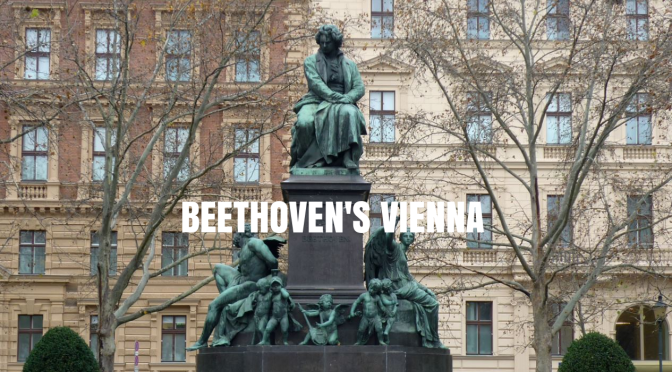
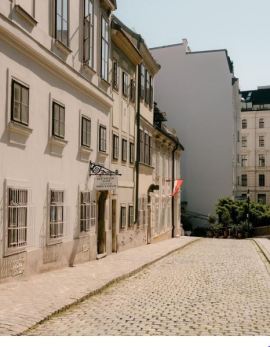 Beethoven moved nearly 70 times while living in Vienna. Two of his former homes are open to the public, and many more are marked with commemorative plaques.
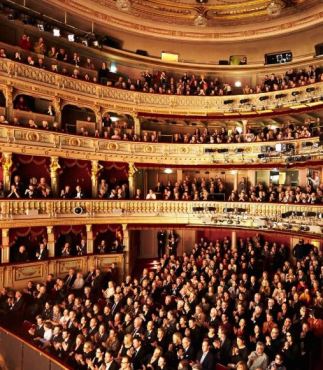 LUDWIG VAN BEETHOVEN is as Viennese as apple strudel. Though born in Bonn, Germany in 1770, he moved to the Austrian capital when he was in his early 20s, and then spent the rest of his 56 years changing the course of Western music from the city on the Danube. A quirky, cantankerous celebrity in his own time, he premiered his groundbreaking symphonies and concertos in Vienna’s grand palaces, escaped the summer heat in what are now its sleepy suburbs, and moved around between dozens of supposedly squalid apartments that sprawl across much of the city.



 Boomers Daily