
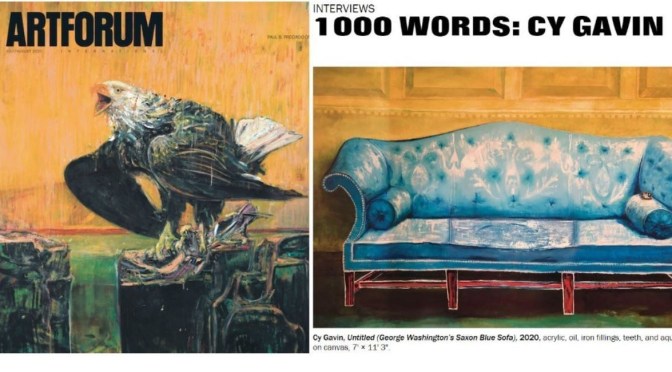
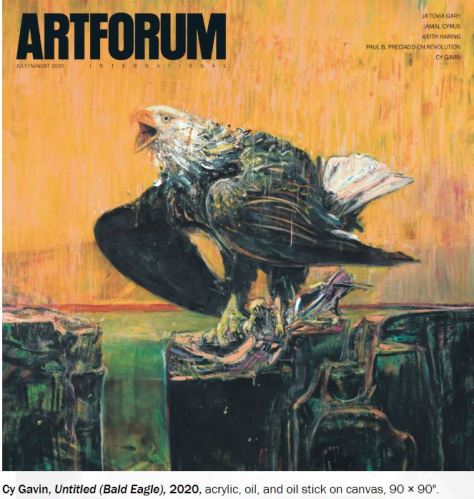
I WAS A COMPETITIVE BIRDER in high school. My family drove all around the countryside, so I spent a lot of time in the car, and I had to keep myself busy and project my brain somewhere. I would bring sketchbooks and field guides that I got from the library. I had started an Envirothon team at my school, to compete in the national decathlon pitting nerdy teens against each other in their knowledge of soil surveys, forestry, wildlife, and aquatic ecology.

I was the birding specialist. I learned more than two hundred birdsongs and birdcalls from CDs and from the field. I participated in other competitions where I would win binoculars and forty-pound bags of birdseed. I didn’t even have a bird feeder—I’d just become obsessed.
Unlike bird-watchers, birders often rely first on auditory cues to identify a species. You immediately know so much about the bird—its seasonal plumage, age, sex, if it’s making a courtship call or a warning call—from listening. The second thing you cultivate is an idea of where the call is coming from, so you can zero in on it. You develop a spatial awareness, so even with your eyes closed the woods become a vivid visual experience.
A steward of the Susquehanna River in Pennsylvania once took me out in a canoe to this extremely remote location to see a bald eagle’s ten-foot nest. Eagle populations had been devastated by the use of DDT. At the time, all nest sites had to be reported to the government and kept secret. In 2007, the bald eagle was removed from the list of threatened and endangered species, and ever since, I would catch myself looking out for them whenever I’d pass a lake or river. Where I work, in upstate New York, I see bald eagles all the time. Two years ago, I found a nesting pair in Poughkeepsie near a waste-treatment plant on the Hudson River. I just spent time watching and drawing them. It was very unglamorous. They eat garbage. They’re like pigeons. The river freezes in the winter, and I have a vivid memory of watching this wet, bedraggled eagle on a chunk of ice.
Cy Gavin is an American artist that lives and works in New York. Gavin often incorporates unusual materials in his paintings such as tattoo ink, pink sand, diamonds, staples, Bermudiana seeds, and cremains. Gavin also works in sculpture, performance and video.

 On this week’s podcast, how the molecular structure of tooth enamel may impact decay, adhesive patches to heal heart attacks, and a mysterious planetary core from a half-formed gas giant.
 An invitation to one of James Suckling’s soirées at his Tuscan villa is a rare treat. An influential wine critic, Suckling’s approach to choosing wine is characteristically considered. He will often theme the evening by grape, country or wine style but also might present wines based on the mood or the tastes of people attending. Correct storage of any vintage is incredibly important. The LG SIGNATURE Wine Cellar allows variable control of temperature, humidity, vibration and light levels. Find out how to become the consummate host with LG SIGNATURE in our five-part “The art of hosting” series.

 Island is a double-decker driverless tram designed for the city of Hong Kong in the post-Covid era. This highly innovative design concept incorporates industrial design, transportation design, public design, urban mobility and sustainability.
  The project includes exterior, interior and tram stop design. With the Coronavirus pandemic, people are shunning public transport and relying much more on private transport.

 The first stimulus package was a lifeline for millions of Americans. The beginning of July means we’ve got just a few more weeks before all those benefits expire. Unlike when the first bill passed in March, Congress is divided on whether people need another stimulus.

 ‘Monocle On Design’ discusses the origins of tessellations in Islamic art and ask how architecture affects our work-life balance. Plus: author Shelley Klein recounts her childhood in a mid-century house in Scotland and we preview Monocle’s city-themed July/August issue.
 Boomers Daily