
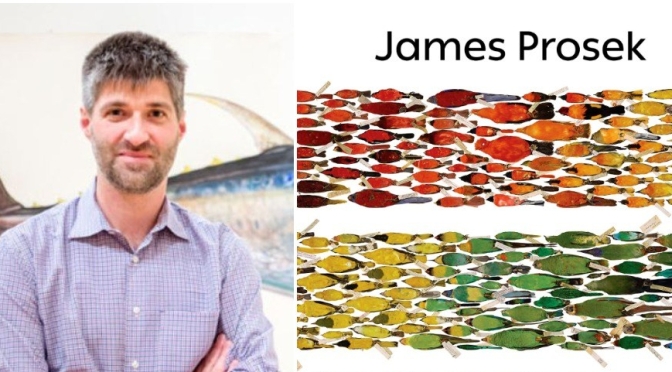
Award-winning artist, writer, and naturalist James Prosek (b. 1975) has gained a worldwide following for his deep connection with the natural world, which serves as the basis for his art and numerous popular books. In this cross-disciplinary catalogue, Prosek poses the question, What is art and what is artifact—and to what extent do these distinctions matter?
Drawing on the collections of the Yale University Art Gallery and the Yale Peabody Museum of Natural History, Prosek places man- and nature-made objects on equal footing aesthetically, suggesting that the distinction between them is not as vast as we may believe. In more than 150 full-color plates, objects such as a bird’s nest, dinosaur head, and cuneiform tablet are juxtaposed with Asian handscrolls, an African headdress, modern masterpieces, and more. Artists featured include Albrecht Dürer, Helen Frankenthaler, Vincent van Gogh, Barbara Hepworth, Pablo Picasso, and Jackson Pollack, as well as Prosek himself, whose works depict fish, birds, and endangered wildlife. Also included are an incisive essay by Edith Devaney and texts by Prosek that explore the magnificent productions of our wondrous interconnected world.

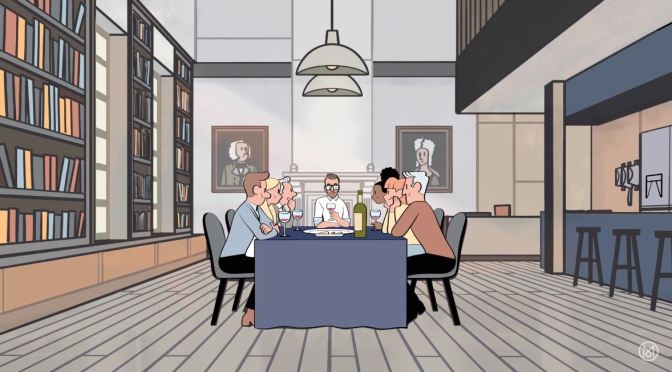
 Bringing guests into the kitchen is an ideal way to involve them. Bertie de Rougemont – founder of London’s chicest catering company, Cellar Society – certainly knows a thing or two about hosting. When he’s entertaining for friends, de Rougemont favours the smell of home cooking and perfectly chilled cocktails to get them in the mood. The InstaView™ Door-in-Door® display on the LG SIGNATURE Refrigerator also adds some drama when entertaining in the kitchen – once experienced there is no going back. Find out how to become the consummate host with LG SIGNATURE in our five-part “The art of hosting” series.
 A selection of three essential articles read aloud from the latest issue of The Economist. This week,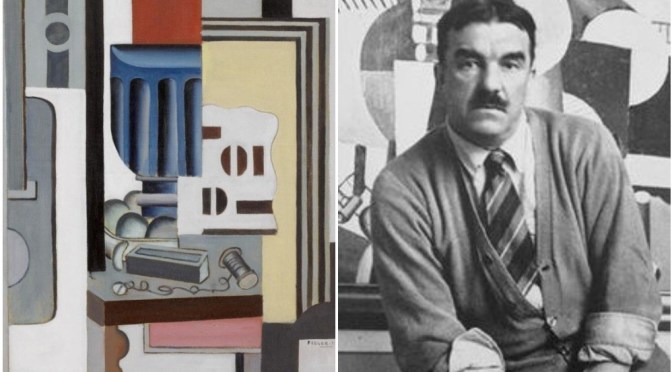


 …what perhaps absorbed him most was a suite of 10 paintings of one of the weeping willows he had planted on the shores of his pond in 1893, when he had purchased the property to construct his aquatic paradise. The tree had grown in girth and grandeur over the intervening years, its leafy arms now extending out over the dappled waters like an impassioned conductor energizing an orchestra.

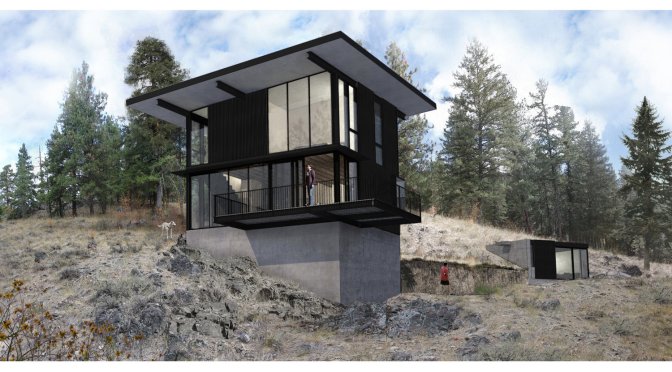
 Located just outside Winthrop in eastern Washington, the site for this small cabin lies in the Methow Valley. Nestled in the foothills of the North Cascade mountains, the dramatic views from the site and opportunity for year round recreation drew our client to this region. A strong relationship to the site topography and varying climate was key to the design.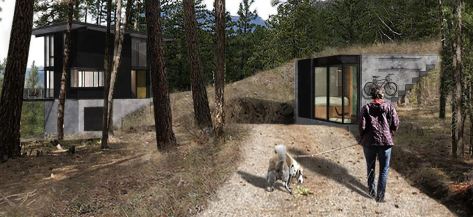
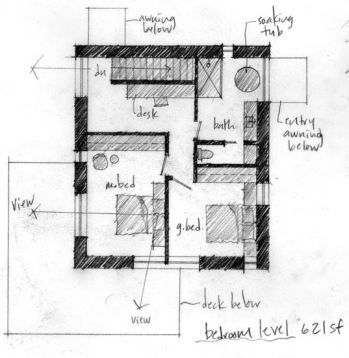 The program for the project was to design a two bedroom cabin which maximized the connection to the surrounding natural environment and outdoor living. This cabin would initially serve as a weekend retreat from the city, and later become a permanent home. Our client wanted to create an efficient floor plan for the house, with open interior/exterior living, bedrooms above, and garage below. It was important to use durable materials throughout the exterior of the cabin due to the extreme climate and fire hazard in the area. The upper levels of the cabin sit on a concrete plinth which forms the garage. Concrete is used to both ground the cabin and retain the natural slope of the site that the cabin sits in. Above, black corrugated metal sheets are used as an efficient and weather resistant siding material. A shed roof with large overhangs on all sides protects the cabin from the heavy winter snowload. A large cantilevered exterior deck opens out from the main level, vastly increasing the living space in the summer months. Views from the deck capture the surrounding mountain ranges and natural beauty of the site.
 Boomers Daily