

Although our galleries are temporarily closed we wanted to share the Aubrey Beardsley exhibition at Tate Britain with you. Join Tate curators Caroline Corbeau-Parsons and Alice Insley as they discuss the iconic illustrator’s short and scandalous career.
Before his untimely death aged twenty-five, Beardsley produced over a thousand illustrations. He drew everything from legendary tales featuring dragons and knights, to explicit scenes of sex and debauchery. His fearless attitude to art continues to inspire creatives more than a century after his death.
Aubrey Vincent Beardsley (1872-1898) was an English illustrator and author. His drawings in black ink, influenced by the style of Japanese woodcuts, emphasized the grotesque, the decadent, and the erotic. He was a leading figure in the aesthetic movement which also included Oscar Wilde and James McNeill Whistler.

 We ask our housebound editors and correspondents across the globe to reflect on what they cherish about the places in which they live and to pen a love letter to their cities: London, Hong Kong, Rio de Janeiro, Toronto and Milan.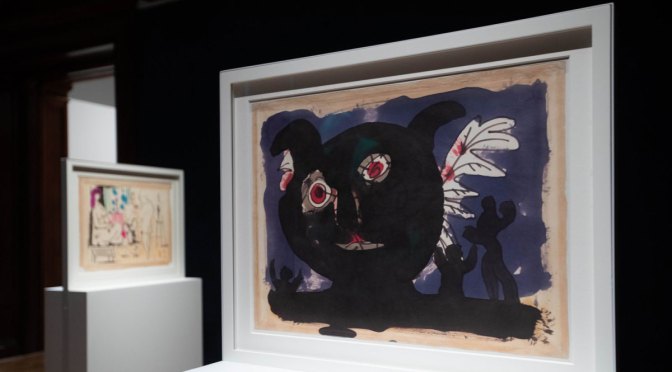

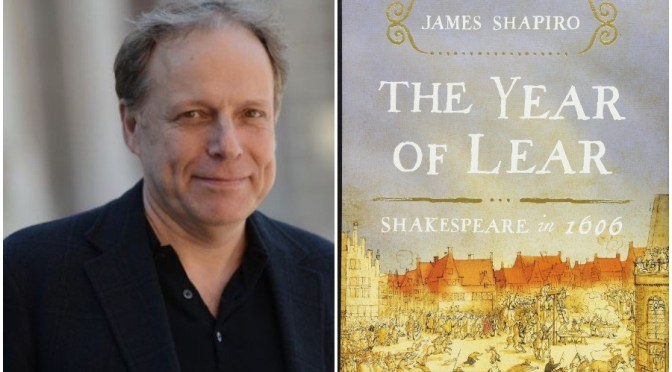
 Octavian Report “Rostrum” spoke with him about a major theme in Shakespeare’s work and life: disease. Specifically, pandemic plagues, which ravaged London repeatedly throughout Shakespeare’s career, shuttering the theaters, and which appear (obliquely and otherwise) in some of his greatest plays.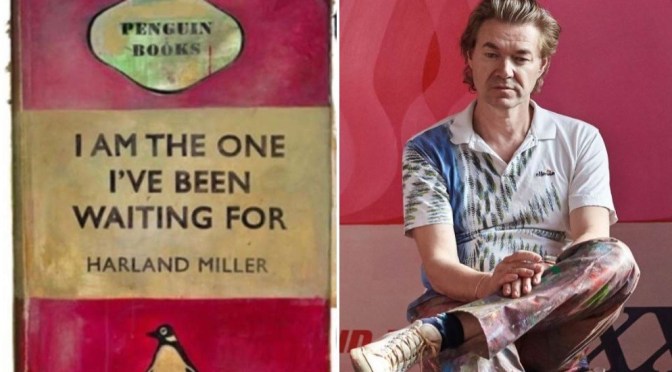
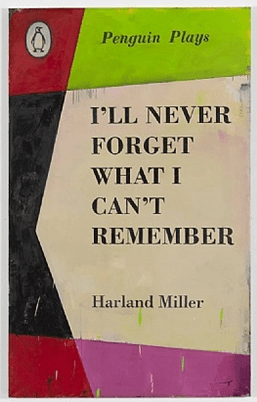 Miller’s Penguin book covers and ironic titles catch the art world’s eye
 As you will see from my portfolio, travel plays a huge part in my image-making. I visited nine countries in 2017 alone, and close to twenty since my journey into architectural photography began. I have always been fascinated by different cultures, foods, textures and colours. It is this love for travel, combined with my deep passion for photography, that keeps me motivated and dedicated to putting in the long lonely hours of research and logistical planning to then get out with the camera time and time again.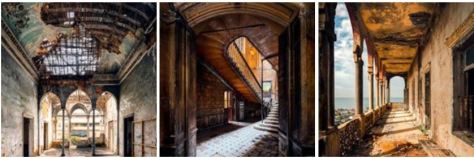
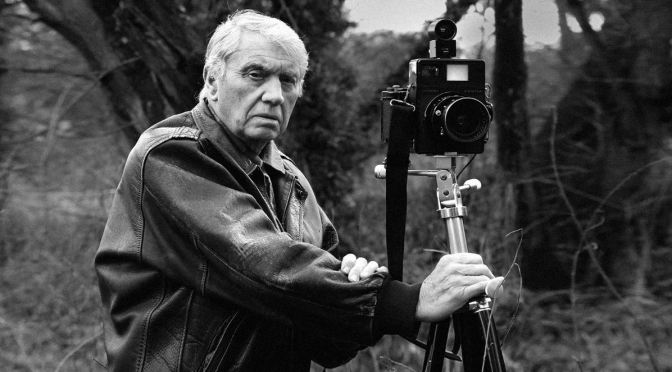
 comes over my life when I think […] that I’ve earned my reputation out of other people’s downfall. I’ve photographed dead people and I’ve photographed dying people, and people looking at me who are about to be murdered in alleyways. So I carry the guilt of survival, the shame of not being able to help dying people.’
  On top of a hill a few miles from Don McCullin’s house in Somerset is a dew pond, a perfectly circular artificial pond for watering livestock. Nobody knows how long it has been there; some dew ponds date back to prehistoric times, and it’s tempting to think that this one served the Bronze Age hill-fort that overlooks the site. McCullin is obsessed with the pond. For more than 30 years, whenever he has had the time, he has walked up the hill and stood there with his camera waiting for the right moment to take a photograph. Often, the moment never comes: he can spend hours there, just looking. ‘It’s as if it has a hold over me,’ he tells me when I visit him at home in early January. ‘I can’t leave it alone, I photograph it all the time. And yet I think I’ve done my best picture the first time I ever did it. I can’t tell you how.’
 Boomers Daily