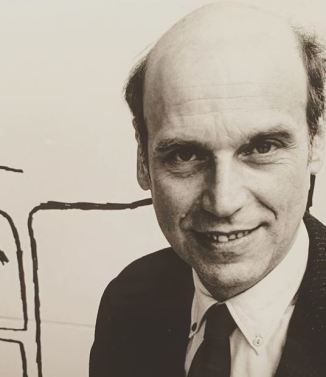
Tributes: French Planner, Architect Yona Friedman Dies At 96 – Founder Of “Mobile Architecture”

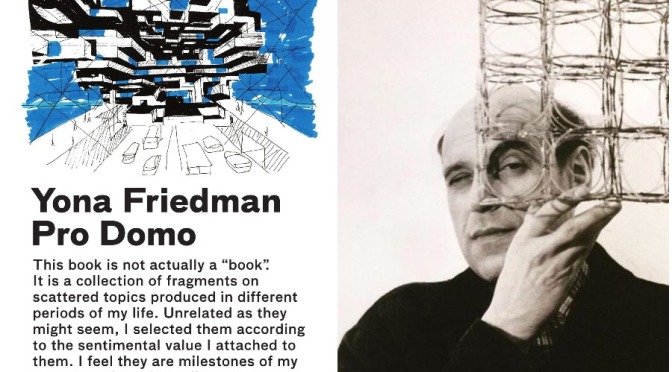
Yona Friedman dies at 96 photo from 1974 on Instagram Feb 21 2020
Yona Friedman (Photo Paul Almasy, 1974)

“After 96 years on this earth, Yona has moved up to build a Spatial City and install some Space Chains in the sky. The Fonds de Dotation Denise and Yona Friedman, which he founded last year, will continue his work.” 

From an Instagram post (02/21/20)

Yona Friedman (5 June 1923 – 21 February 2020) was a Hungarian-born French architect, urban planner and designer. He was influential in the late 1950s and early 1960s, best known for his theory of mobile architecture.

In 1958, Yona Friedman published his first manifesto : “Mobile architecture”. It described a new kind of mobility not of the buildings, but for the inhabitants, who are given a new freedom.

Mobile architecture is the “dwelling decided on by the occupant” by way of “infrastructures that are neither determined nor determining”. Mobile architecture embodies an architecture available for a “mobile society”. To deal with it, the classical architect invented “the Average Man”. The projects of architects in the 1950s were undertaken, according to Friedman, to meet the needs of this make-believe entity, and not as an attempt to meet the needs of the actual members of this mobile society.
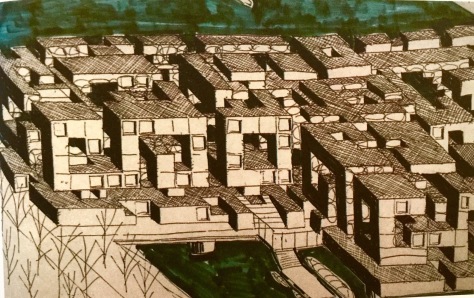
Yona Friedman Drawings

The teaching of architecture was largely responsible for the “classical” architect’s under-estimation of the role of the user. Furthermore, this teaching did not embrace any real theory of architecture. Friedman proposed then teaching manuals for the fundamentals of architecture for the general public.

The spatial city, which is a materialization of this theory, makes it possible for everyone to develop his or her own hypothesis. This is why, in the mobile city, buildings should :

  1. touch the ground over a minimum area
  2. be capable of being dismantled and moved
  3. and be alterable as required by the individual occupant.

The Spatial City is the most significant application of “mobile architecture”. It is raised up on piles which contains inhabited volumes, fitted inside some of the “voids”, alternating with other unused volumes, making it look aesthetically pleasant. The basis of its design is that of trihedral elements which operate as “neighbourhoods” where dwellings are distributed without a price.

This structure introduces a kind of merger between countryside and city (compare to Paolo Soleri’s Arcology concept) and may span:

  • certain unavailable sites,
  • areas where building is not possible or permitted (expanses of water, marshland),
  • areas that have already been built upon (an existing city),
  • above farmland.

This spanning technique which includes container structures ushers in a new development in town-planning. Raised plans increase the original area of the city becoming three-dimensional. The tiering of the spatial city on several independent levels, one on top of the other, determines “spatial town-planning” both from the functional and from the aesthetic viewpoint. The lower level may be earmarked for public life and for premises designed for community services as well as pedestrian areas. The piles contain the vertical means of transport (lifts, staircases). The superposition of levels should make it possible to build a whole industrial city, or a residential or commercial city, on the same site. In this way, the Spatial City forms what Yona Friedman would call an “artificial topography”. This grid suspended in space outlines a new cartography of the terrain with the help of a continuous and indeterminate homogeneous network with a major positive outcome: this modular grid would authorize the limitless growth of the city.

The spaces in this grid are rectangular and habitable modular “voids”, with an average area of 25–35 square meters. Conversely, the form of the volumes included within the grid depends solely on the occupant, and their configuration set with a “Flatwriter” in the grid is completely free. Only one half of the spatial city would be occupied. The “fillings” which correspond to the dwellings only actually take up 50% of the three-dimensional lattice, permitting the light to spread freely in the spatial city. This introduction of elements on a three-dimensional grid with several levels on piles permits a changeable occupancy of the space by means of the convertibility of the forms and their adaptation to multiple uses.

In Yona Friedman’s own words “The city, as a mechanism, is thus nothing other than a labyrinth : a configuration of points of departure, and terminal points, separated by obstacles”.

From Wikipedia

Alcoholic Beverages: “The Explosion Of Craft Beers”

Domestic sales of craft beers have grown to more than $27 billion annually, representing about a quarter of the American beer market. “Sunday Morning” producer Sara Kugel talked with Marcus Doucet, who opened Manchester, N.H.’s Backyard Brewery, one of more than 7,000 craft breweries in the U.S.

Nutrition Infographic: Harvard Unveils A “Healthy Eating Plate” As Guide For Balanced Meals

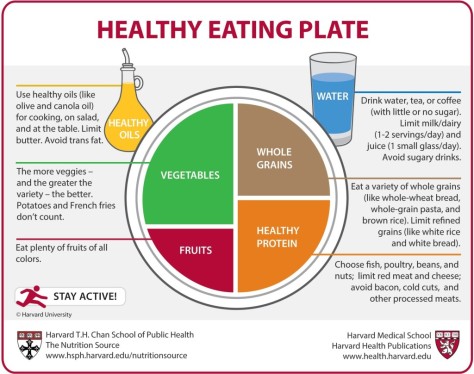
Harvard Healthy Eating Plate Infographic February 2020


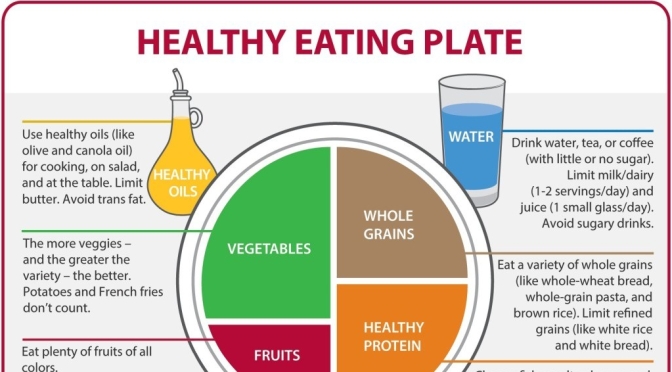
Aim for color and variety, and remember that potatoes don’t count as vegetables on the Healthy Eating Plate because of their negative impact on blood sugar.

Whole and intact grains—whole wheat, barley, wheat berries, quinoaoatsbrown rice, and foods made with them, such as whole wheat pasta—have a milder effect on blood sugar and insulin than white bread, white rice, and other refined grains.

Fish, poultry, beans, and nuts are all healthy, versatile protein sources—they can be mixed into salads, and pair well with vegetables on a plate. Limit red meat, and avoid processed meats such as bacon and sausage.

Choose healthy vegetable oils like olive, canola, soy, corn, sunflower, peanut, and others, and avoid partially hydrogenated oils, which contain unhealthy trans fats. Remember that low-fat does not mean “healthy.”

Skip sugary drinks, limit milk and dairy products to one to two servings per day, and limit juice to a small glass per day.

The red figure running across the Healthy Eating Plate’s placemat is a reminder that staying active is also important in weight control.

The main message of the Healthy Eating Plate is to focus on diet quality.

  • The type of carbohydrate in the diet is more important than the amount of carbohydrate in the diet, because some sources of carbohydrate—like vegetables (other than potatoes), fruits, whole grains, and beans—are healthier than others.
  • The Healthy Eating Plate also advises consumers to avoid sugary beverages, a major source of calories—usually with little nutritional value—in the American diet.
  • The Healthy Eating Plate encourages consumers to use healthy oils, and it does not set a maximum on the percentage of calories people should get each day from healthy sources of fat. In this way, the Healthy Eating Plate recommends the opposite of the low-fat message promoted for decades by the USDA.

Website

Interviews: 71-Year Old Nobel Prize Physicist Steven Chu Q&A On Sustainability (Video)

Watch a Q&A with Steven Chu, who’s devoted a large part of his scientific career to searching for solutions to our climate challenges.

  • 0.06 – What does sustainability mean to you?
  • 0.34 – What are the present challenges in sustainability?
  • 1.50 – How can we help every person see the importance of being sustainable?
  • 3.24 – What can I do to be more sustainable in my everyday life?
  • 5.22 – What’s the most sustainable form of energy in your opinion?
  • 6.44 – How do you try to do research in the lab in a sustainable way?
  • 8.34 – Where do you see our world’s climate status in 50 years?
  • 10.19 – Do you feel hope in humanity when it comes to tackling climate change?

Steven Chu born February 28, 1948) is an American physicist and a former government official. He is known for his research at the University of California at Berkeley and his research at Bell Labs and Stanford University regarding the cooling and trapping of atoms with laser light, for which he won the Nobel Prize in Physics in 1997, along with his scientific colleagues Claude Cohen-Tannoudji and William Daniel Phillips.

Chu served as the 12th United States Secretary of Energy from 2009 to 2013. At the time of his appointment as Energy Secretary, Chu was a professor of physics and molecular and cellular biology at the University of California, Berkeley, and the director of the Lawrence Berkeley National Laboratory, where his research was concerned primarily with the study of biological systems at the single molecule level. Chu resigned as energy secretary on April 22, 2013. He returned to Stanford as Professor of Physics and Professor of Molecular & Cellular Physiology.

Chu is a vocal advocate for more research into renewable energy and nuclear power, arguing that a shift away from fossil fuels is essential to combating climate change. He has conceived of a global “glucose economy”, a form of a low-carbon economy, in which glucose from tropical plants is shipped around like oil is today. On February 22, 2019, Chu began a one-year term as president of the American Association for the Advancement of Science.

Bio from Wikipedia

Top New Art Books: “Ten In One – The Impressionists” (Taschen, March 2020)

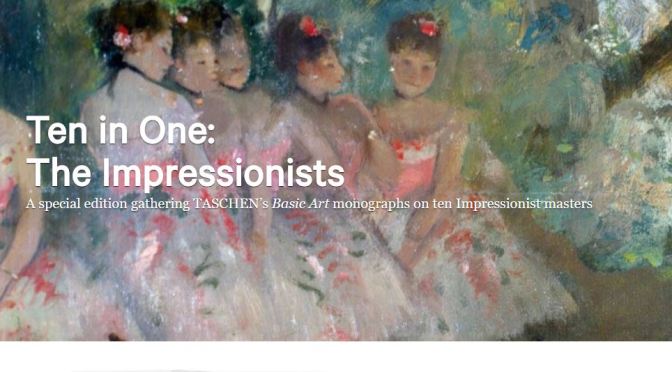
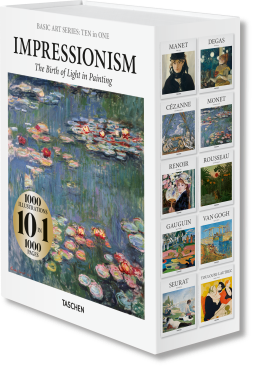
Ten In One Impressionism The Birth of Light in Painting Taschen March 2020The lives and oeuvres of Impressionist pillars Cézanne, Degas, Gauguin, Manet, Monet, Renoir, Rousseau, Seurat, Toulouse-Lautrec, and van Gogh are each explored in-depth in TASCHEN’s Basic Art series. Now, this volume combines all 10 monographs into one for the price of three.

“These seductive books have slick production values, excellent illustrations, and smart texts. Each one is a fast-food, high-energy fix on the topic at hand.” – The New York Times Book Review

This book gathers ten Basic Art monographs into one volume featuring:

  • Cézanne, Degas, Gauguin, Manet, Monet, Renoir, Rousseau, Seurat, Toulouse-Lautrec, and van Gogh
  • a detailed chronological summary of the life and oeuvre of each artist, covering their cultural and historical importance
  • approximately 1,000 illustrations with explanatory captions

Ten In One Impressionism The Birth of Light in Painting Taschen March 2020

With blockbuster exhibitions, record-breaking auction prices, and packed museums, Impressionism remains close contender for the world’s favorite period of painting. Its favorite subjects— from dappled harbor scenes and summer days to vibrant Parisian salons and gardens—brim with optimism and joie de vivre. The works once dismissed as unfinished or imprecise are now beloved for their atmospheric evocation of time and place, as well as the stylistic flair of rapid brushstrokes upon canvas.

What we take for granted today—the relativity of perception depending on the viewer, lighting mood, or location to the object—was then the inspiration for some of the finest paintings in art history. Consider Monet’s 30+ variations of the Rouen Cathedral, Cézanne’s dazzling experimentation with color, Gauguin’s primitivist innovations, or Manet’s scandalous nudes: rarely has a single genre produced so many brilliant artists in such a short time.

Since 1985, TASCHEN’s Basic Art series has published some 200 individual volumes, making it the world’s most successful art-book series. Each title contains an extensive text on the artist’s life and work, a detailed biography, and some 100 high-quality color illustrations with explanatory captions. With Ten in One, TASCHEN now presents ten Basic Art monographs in one volume. A must for every art lover!

Read more or purchase

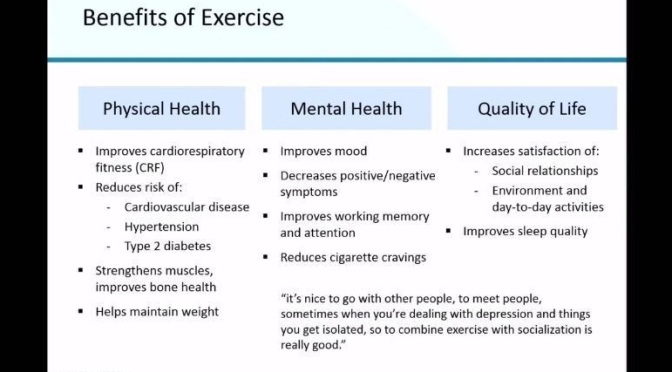
Exercise Health Benefits: “Should I Go To The Gym Today?” (MGH Video)

This presentation by Julia Browne, PhD, a clinical and research fellow in the Center of Excellence for Psychosocial and Systemic Research at Massachusetts General Hospital and Harvard Medical School was part of Schizophrenia Education Day 2019.

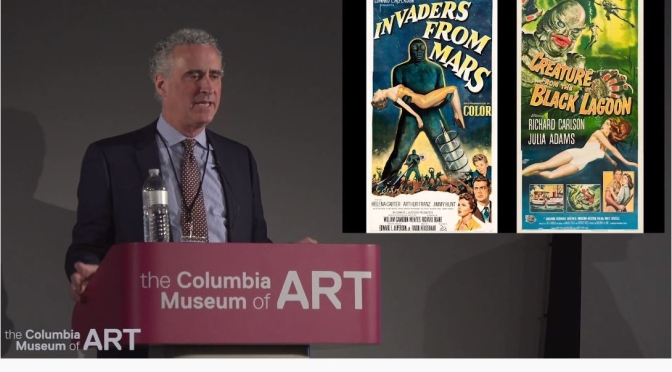
Art Lecture Videos: The History Of Hollywood “Horror Movie Posters” (Columbia Museum Of Art)

Recorded February 14, 2020 at the Columbia Museum of Art.

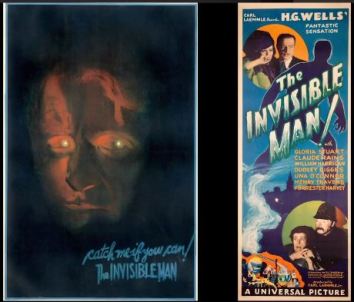
Daniel Finamore, curator of It’s Alive! Classic Horror and Sci-Fi Art from the Kirk Hammett Collection talks about the exhibition and where these posters fit into the canon It's Alive Columbia Museum of ART History of Horror Movie Posters video Feb 20 2020of art history. Finamore is the curator of Maritime Art and History at the Peabody Essex Museum. Best known as lead guitarist of the famed rock band Metallica, Kirk Hammett is also an obsessive collector of visually arresting horror and sci-fi film art and has dedicated the last three decades to creating one of the world’s most important collections.


It’s Alive! features more than 100 pieces of graphic art, many hailing back to the days of Boris Karloff and Bela Lugosi, that have seeped into the public imagination and reflected society’s deepest fears and anxieties for nearly a century. Not only do these objects explore the power of graphic art in its own right, they have inspired Hammett’s work throughout his own artistic career.

Organized by the Peabody Essex Museum, Salem, Massachusetts.

Exhibitions: “Countryside, The Future” Through The Lens Of Architect Rem Koolhaas (Guggenheim)

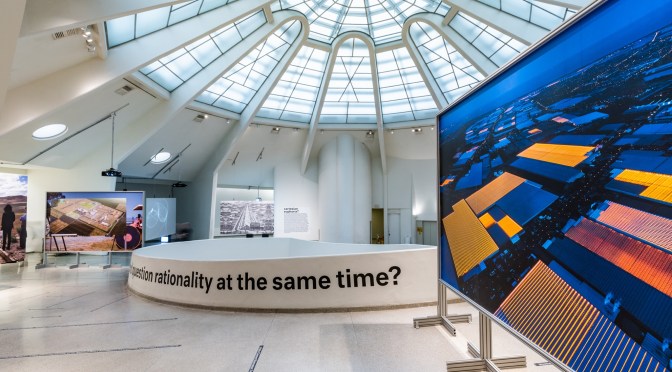
Countryside, The Future is an exhibition addressing urgent environmental, political, and socioeconomic issues through the lens of architect and urbanist Rem Koolhaas and Samir Bantal, Director of AMO, the think tank of the Office for Metropolitan Architecture (OMA).

A unique exhibition for the Guggenheim Museum, Countryside, The Future will explore radical changes in the rural, remote, and wild territories collectively identified here as “countryside,” or the 98% of the Earth’s surface not occupied by cities, with a full rotunda installation premised on original research. The project presents investigations Rem Koolhaas Architectby AMO, Koolhaas, with students at the Harvard Graduate School of Design; the Central Academy of Fine Arts, Beijing; Wageningen University, Netherlands; and the University of Nairobi. The exhibition will examine the modern conception of leisure, large-scale planning by political forces, climate change, migration, human and nonhuman ecosystems, market-driven preservation, artificial and organic coexistence, and other forms of radical experimentation that are altering landscapes across the world.

Rem Koolhaas (Rotterdam, 1944) founded OMA in 1975 together with Elia and Zoe Zenghelis and Madelon Vriesendorp. He graduated from the Architectural Association in London and in 1978 published Delirious New York: A Retroactive Manifesto for Manhattan. In 1995, his book S,M,L,XL summarized the work of OMA in “a novel about architecture”. He co-heads the work of both OMA and AMO, the research branch of OMA, operating in areas beyond the realm of architecture. His built work includes the Qatar National Library and the Qatar Foundation Headquarters (2018), Fondation Galeries Lafayette in Paris (2018), Fondazione Prada in Milan (2015/2018), Garage Museum of Contemporary Art in Moscow (2015), the headquarters for China Central Television (CCTV) in Beijing (2012), Casa da Musica in Porto (2005), Seattle Central Library (2004), and the Netherlands Embassy in Berlin (2003). Current projects include the Taipei Performing Arts Centre, a new building for Axel Springer in Berlin, and the Factory in Manchester. Koolhaas directed the 2014 Venice Architecture Biennale, is a professor at Harvard University, and is preparing a major exhibition for the Guggenheim museum to open in 2019 entitled Countryside: Future of the World.

Website

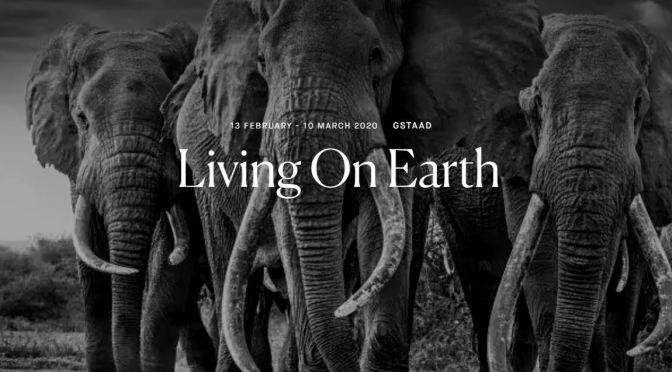
Top Exhibitions: 54-Year Old British Photographer David Yarrow – “Living On Earth” (Maddox Gallery)

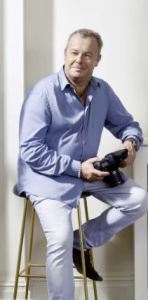
Photographer David Yarrow

For more than two decades, legendary British photographer David Yarrow has been putting himself in harm’s way to capture immersive photography of the world’s most revered and endangered species.

Featuring a selection of Yarrow’s most iconic photographs, ‘Living On Earth’ highlights the beauty of the endangered planet and the art of narrative as conveyed by one of the most relevant fine art photographers in the world.

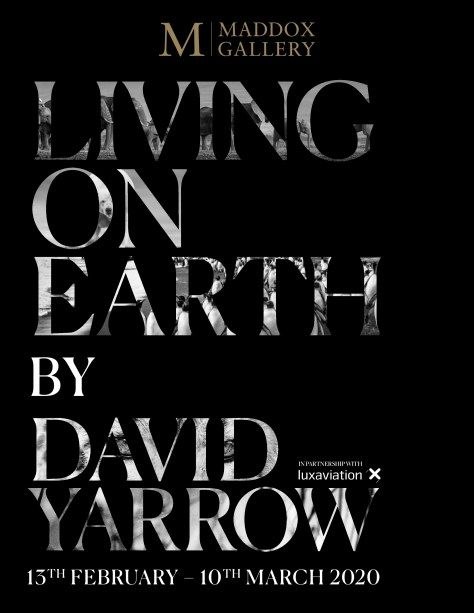
Maddox Gallery ‘WHITE HORSES’ Living On Earth Exhibition David Yarrow Feb 13 - March 10 2020
‘WHITE HORSES’

David Yarrow’s commitment to ‘capturing the splendour of what remains wild and free in our world’ allowed him to transcend wildlife photography and become one of the world’s leading fine art photographers. He has travelled pole to pole, to the world’s most remote habitats to allow us a glimpse of the truly untamed. The resulting images are unerringly iconic and connect with us on a primal level; of curiosity, desire, and fear.

Maddox Gallery Living On Earth by David Yarrow Catalog Cover
View Catalog

News, Views and Reviews For The Intellectually Curious