

From a Wall Street Journal online article by Lettie Teague
 There is no official definition of what constitutes a dry wine in the U.S. The amount of sugar left in the wine after fermentation or added afterward is, however, sometimes noted on a wine’s label, in grams per liter. According to Mr. Ramey, a wine generally considered dry would have less than 1 gram per liter RS (residual sugar), or 0.1%. Beyond that, a wine with 1% RS (10 grams per liter) is off-dry, and a wine at 3% RS (30 grams per liter) or above is sweet.
WHAT’S A DRY WINE? If this seems like a question with a straightforward answer, then you probably don’t work in a wine store or restaurant. Retailers and sommeliers tell me they are regularly asked to recommend dry wines by customers who don’t seem to know what they really want. These customers offer examples of the “dry” wines they favor—which often turn out to be technically sweet.
To read more click on the following link: https://www.wsj.com/articles/are-you-sure-that-wine-you-ordered-is-actually-dry-11566492508

 Zing’s plan will give seniors access to a network of clinics in Cook County, Illinois, starting in January. The company hopes to expand to three states by 2022. It’s a managed care plan, which means the Centers for Medicare and Medicaid Services (CMS) will pay a single monthly fee per member in exchange for a more holistic approach to nurturing patient health. Zing is working with a network of community health centers, including Oak Street Health, which recently raised $65 million for its senior-focused facilities.
 Small Change raised $82,000 in equity to help construct



 Technologists, particularly those who make consumer products, will have a strong influence over how we’ll live tomorrow. By treating older adults not as an ancillary market but as a core constituency, the tech sector can do much of the work required to redefine old age. But tech workplaces also skew infamously young. Asking young designers to merely step into the shoes of older consumers (and we at the MIT AgeLab have literally developed a physiological aging simulation suit for that purpose) is a good start, but it is not enough to give them true insight into the desires of older consumers. Luckily there’s a simpler route: hire older workers.
 We looked at green beans, roasted beans and extracted (brewed) coffee samples and through advanced analytical procedures studied the volatile and non-volatile compounds present. By evaluating the individual compounds in coffee we were able to map the most significant ones contributing to the characteristic aroma and flavor of coffee.
 “The scheme provides much-needed single-person accommodations for social rent using converted shipping containers to create contemporary, environmentally-friendly homes in a desirable area near to local amenities and within walking distance of the town center,” explain the architects. The firm developed the design in consultation with local residents and stakeholders, and they previously completed a pop-up container cafe for Kingston University and volumetric student residential projects in Coventry.
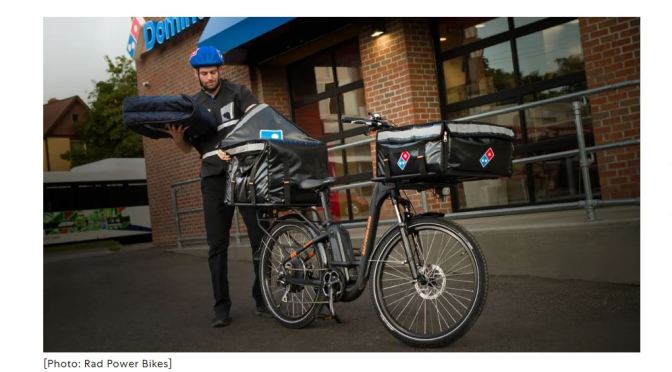
 The national pizza chain recently announced a partnership with
 2 years of moderate calorie restriction significantly reduced multiple cardiometabolic risk factors in young, non-obese adults. These findings suggest the potential for a substantial advantage for cardiovascular health of practicing moderate calorie restriction in young and middle-aged healthy individuals, and they offer promise for pronounced long-term population health benefits.
 Boomers Daily