Imagine a robot trained to think, respond, and behave using you as a model. Now imagine it assuming one of your roles in life, at home or perhaps at work. Would you trust it to do the right thing in a morally fraught situation?
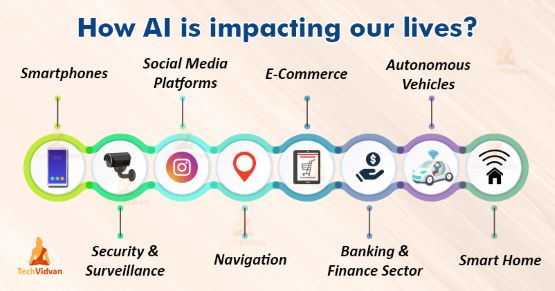
That’s a question worth pondering as artificial intelligence increasingly becomes part of our everyday lives, from helping us navigate city streets to selecting a movie or song we might enjoy — services that have gotten more use in this era of social distancing. It’s playing an even larger cultural role with its use in systems for elections, policing, and health care.
OraSure Technologies has blazed a trail in at-home diagnostic tests. Now, the Pennsylvania-based biotech company is working to produce a quick, over-the-counter coronavirus test that consumers can take in the privacy of their home with results available in minutes. NPR’s Allison Aubrey reports.
Aptera Motors has introduced the first solar electric vehicle (sEV) that requires no charging for most daily use and boasts a range of up to 1,000 miles per full charge, shattering industry performance achievements to date. Aptera leverages breakthroughs in lightweight structures, low-drag aerodynamics and cooling, material science, and manufacturing processes to deliver the most efficient vehicle ever made available to consumers. Aptera’s Never Charge is built into every vehicle and is designed to harvest enough sunlight to travel over 11,000 miles per year in most regions.
Hyundai says it will introduce an electric vehicle-only platform early next year that will use its own battery technology to cut production time and costs.
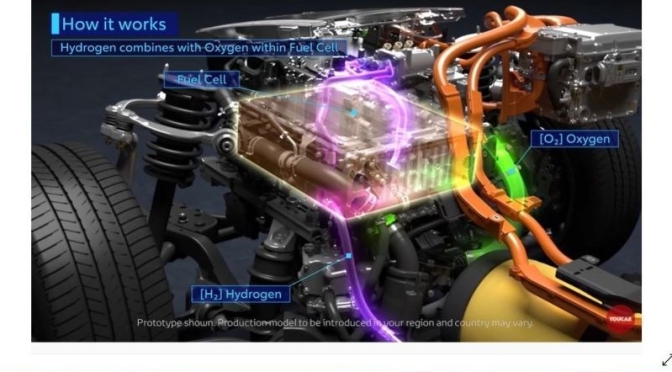
The 2021 Toyota Mirai is the second generation of zero emission hydrogen fuel cell electric sedan.
One of the principal aims for the new 2021 Mirai has been to give the car a stronger emotional appeal, making it a car that people will be attracted to by its looks and the way it drives, as well its eco-performance. The new GA-L platform and Toyota’s advances in FCEV technologies have made this possible. Toyota’s new fuel cell stack and fuel cell power converter (FCPC) have been developed specifically for use with the GA-L platform.
The designers have been able to bring all the elements together in the stack frame (including the water pumps, intercooler, air conditioning and air compressors and the hydrogen recirculation pump) with each part made smaller and lighter, while at the same time improving performance. The stack case itself has been made smaller by using Friction Stir Welding, reducing the gap between the fuel cell and casing.
The new Mirai is equipped with lithium-ion high-voltage battery in place of the current model’s nickel-metal hydride unit. Although smaller in size, it is more energy-dense, giving higher output and superior environmental performance. Containing 84 cells, it has a 310.8 rated voltage compared to 244.8, and a 4.0 Ah capacity, versus 6.5 Ah. Overall weight has been reduced from 46.9 to 44.6 kg. The output has improved from 25.5 kW x 10 seconds to 31.5 kW x 10 seconds.
The battery’s smaller dimensions have allowed it to be positioned behind the rear seats, avoiding intrusion in the load compartment. An optimised air-cooling path has been designed, with discreet inlets either side of the rear seats. The environmental benefit of driving the Toyota Mirai go beyond zero emissions to “negative emissions” – the car effectively cleans the air as it moves. A Toyota innovation, a catalyst-type filter is incorporated in the air intake.
As air is drawn into the vehicle to supply the fuel cell, an electric charge on the non-woven fabric filter element captures microscopic particles of pollutants, including sulphur dioxide (SO2), nitrous oxides (NOx) and PM 2.5 particulates. The system is effective in removing 90 to 100% of particles between 0 and 2.5 microns in diameter from the air as it passes into the fuel cell system.
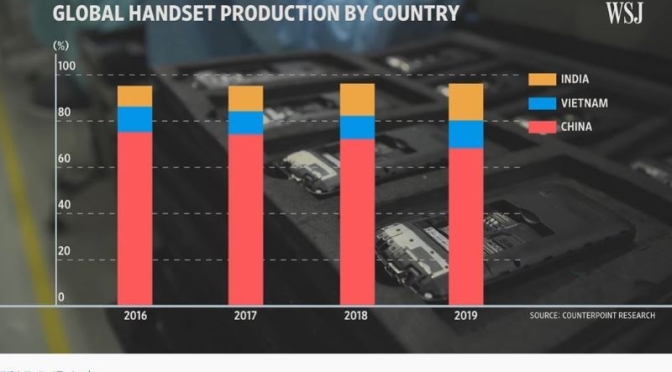
India is positioning itself as a smartphone-production hub amid a U.S.-China trade war that has disrupted global supply chains and left tech firms such as Apple and Samsung looking for alternatives to China to manufacture their products. Photo: Olivier Le Hellard for The Wall Street Journal
Amazon is the world’s biggest retailer, and its CEO Jeff Bezos the world’s richest man, for one very good reason. His company is better than anyone else, ever, at giving people what they want, quickly. Amazon acquired its undisputed status as heavyweight champion of the retail universe thanks largely to its lightning-fast delivery times.
The astonishing feat of ferrying hundreds of millions of items, from guitar strings to saucepans to car parts, directly to your door, inside 24 hours, is nothing short of a modern logistical miracle. So how does Amazon do it? A super-smart army of slave robots, for one. Ingenious, if occasionally unscrupulous, management practices are part of the answer too.
And the modern-day voodoo of deep-learning AI – all of which are made flesh in the most advanced stockrooms the world has ever seen. So join us today, as we button up our hi-vis jacket and journey inside Amazon’s smart warehouses.
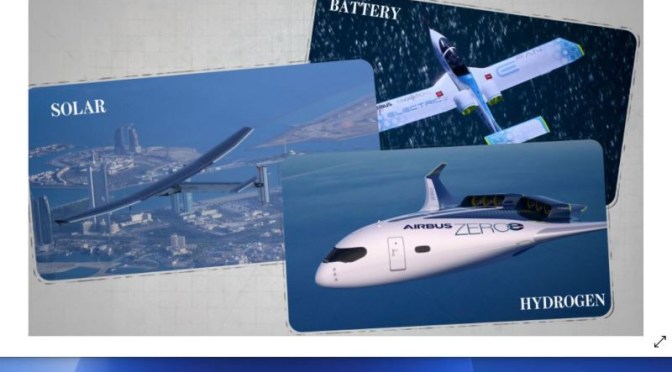
As much of the aviation industry fights to survive the coronavirus pandemic, some economists and engineers see the crisis as an opportunity to use stimulus funds to propel air travel to a carbon-neutral future.
Automation is widespread, sustainability is critical, carbon emissions are heavily restricted and our buildings are made in factories. Welcome to the construction industry of 2030.
News, Views and Reviews For The Intellectually Curious









 Boomers Daily