“Simplicity in architecture can sometimes only be achieved by the most complex of means.”
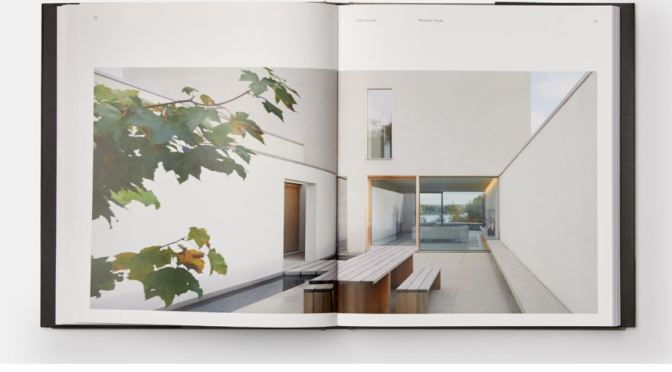
British architectural designer John Pawson has, in a career spanning over three decades, created an inimitable body of work characterized by its distillment of the fundamental ingredients of architecture into their most elemental, elegant expressions.
His design practice, which began primarily with residential commissions, now extends to churches, museums, ballet sets, textiles, kitchenware and furniture. Despite his minimalist approach, Pawson is sensitive to the intimate rituals of daily life and his buildings are far from austere: instead, they elegantly make the case for the clarity and freedom to be found in the act of reduction.
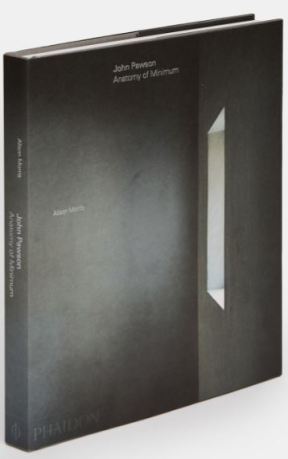
In a new book published by Phaidon, writer Alison Morris explores Pawson’s most recent projects, shedding light on his working process and influences accompanied by stunning photographs, drawings and imagery from his personal journal.
Carel Willink was a pioneer of Magic Realism, an avant-garde movement of Dutch modernism closely associated with Surrealism. In this episode of Anatomy of an Artwork, discover how a visit to Italy’s Bomarzo Gardens following the death of his wife inspired a series of paintings featuring monsters, see how Willink drew further inspiration from dream-like images and illusions, and learn how his near-photographic style exudes a sense of mystery and enchantment.
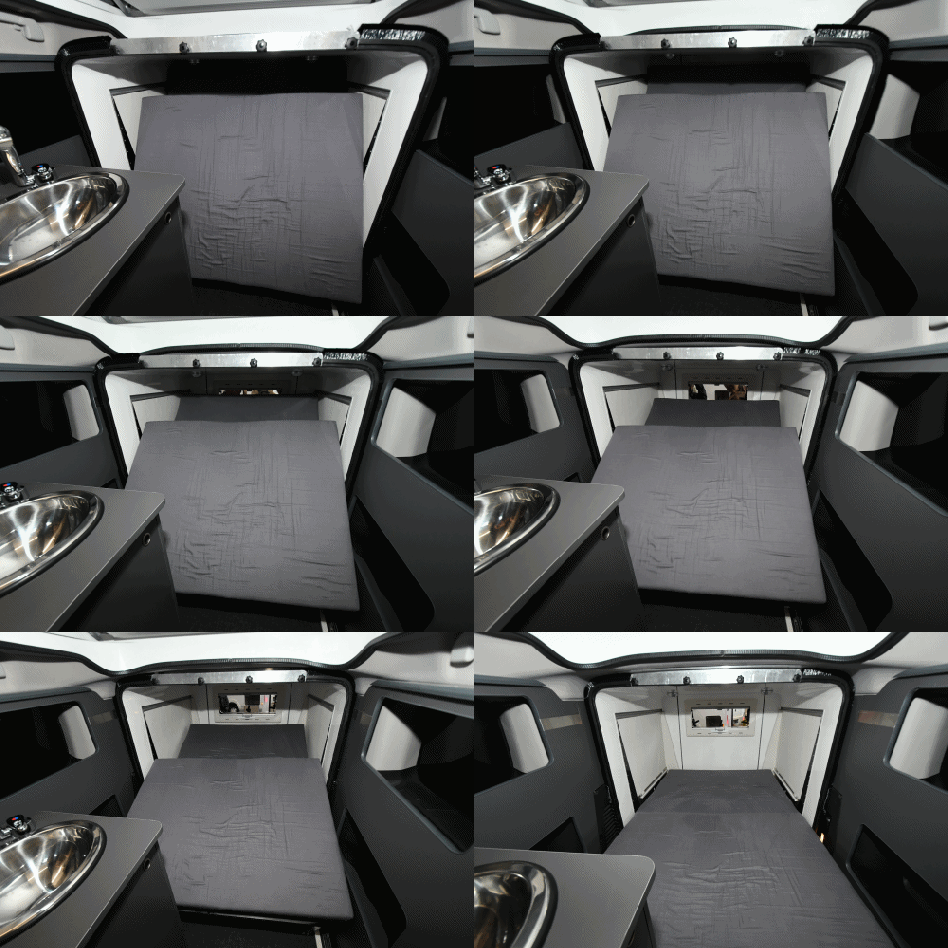
French company Beauer has earned a lot of attention over the years for telescoping teardrop caravans that grow double or triple their size at the push of a button. Now the company’s bringing its tech to van life, launching a plug-and-play module that grows to create a large camper at camp and a smaller, nimbler van on the road. The X-Van installs in 10 minutes and extends the length of the van to add comfy sleeping quarters for two, giving a mid-size van the length of a full-size model.
After popping the tailgate, the owner merely hits a button on the pillar next to the driver seat and watches as the electrically actuated module sets up within a minute’s time. The only thing left to do is pop the expansion panels on the module’s sides to increase elbow room inside. The 25-mm sandwich construction keeps the temperature comfy inside.
On January 15, 1970, First Lady of the United States Pat Nixon christened Pan Am’s first 747, at Dulles International Airport (later Washington Dulles International Airport) in the presence of Pan Am chairman Najeeb Halaby. Instead of champagne, red, white, and blue water was sprayed on the aircraft.
The 747 entered service on January 22, 1970, on Pan Am’s New York–London route; the flight had been planned for the evening of January 21, but engineoverheating made the original aircraft unusable. Finding a substitute delayed the flight by more than six hours to the following day when Clipper Victor was used.
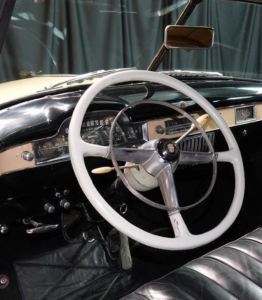
The Cadillac Series 62 is a series of cars which was produced by Cadillac from 1940 through 1964. Originally designed to replace the entry level Series 65, it became the Cadillac Series 6200 in 1959, and remained that until it was renamed to Cadillac Calais for the 1965 model year. The Series 62 was also marketed as the Sixty-Two and the Series Sixty-Two.
The Cadillac Series 62 Coupe de Ville was introduced late in the 1949 model year. Along with the Buick Roadmaster Riviera, and the Oldsmobile 98 Holiday, it was among the first pillarless hardtop coupes ever produced.mAt $3,496 it was only a dollar less than the Series 62 convertible, and like the convertible, it came with power windows standard. It was luxuriously trimmed, with leather upholstery and chrome ‘bows’ in the headliner to simulate the ribs of a convertible top.
55,643 Series 62 Cadillacs were produced in 1949 out of a total volume of 92,554 vehicles.
Worldwide, only approximately twenty works by Van Eyck have been preserved. Quite exceptionally, over half of these will travel to Ghent in 2020 for the exhibition ‘Van Eyck. An optical revolution’ at the Museum of Fine Arts (MSK). In what promises to be an unmissable, tour de force of an exhibition, the world of Van Eyck and his revolutionary gaze will be brought to life like never before.
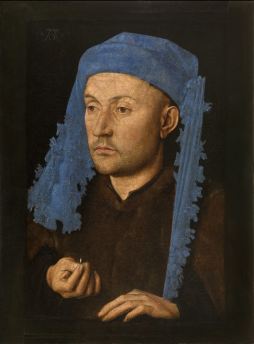
Jan van Eyck, Portrait of a Man with a Blue Chaperon, c. 1428-30 (Muzeul National Brukenthal, Sibiu, Romania)
The pinnacle of Late Medieval art
Van Eyck distinguished himself from his peers and triggered an optical revolution. With his matchless technique, scientific knowledge and unrivalled observational skills, he elevated oil painting to unprecedented heights and determined the future course of Western art. Never before had a painter made reality so tangible: all that seems to be missing from his portraits is his subjects’ breath, while his landscapes reveal the world in all its facets. Van Eyck trained his eye on the tiniest details before casting it wide again to create unforgettable panoramas.
His masterpiece, ‘The Adoration of the Mystic Lamb’ (1432, St Bavo’s Cathedral, Ghent), bears witness to all three of these qualities. The restoration of the outer wings of the altarpiece will play a central role in the exhibition. Undertaken by the Royal Institute for Cultural Heritage (KIK), the project commenced at the Museum of Fine Arts Ghent in 2012. Visitors will have the opportunity to get close to the work and admire the spectacular results.
In dialogue with Van Eyck’s contemporaries
In order to contextualise Van Eyck’s optical revolution, his paintings will be shown alongside works by his most talented contemporaries from Germany, France, Italy and Spain. These artists also moved in exalted circles and received prestigious commissions. The exhibition focuses on the artistic similarities and differences between their works, thus delving deeper into the historical context in which they were created.
‘Van Eyck. An optical revolution’ unravels the myths about the artist and considers his technique, his oeuvre and his influence from a fresh perspective. This exhibition will awaken a sense of wonder among visitors, comparable to that which people would have felt when they saw his works for the first time: a once-in-a-lifetime experience.
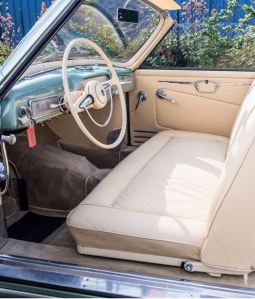
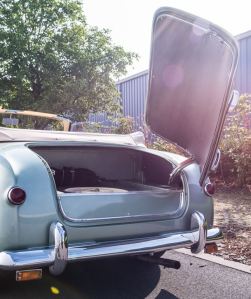
The Siata Daina is an Italian car produced by Siata from 1950-1958. The Daina was available as a coupé or a convertible and had custom bodies by Stabilimenti Farina, Bertone and other coach builders.
From 1950 to 1958 there were approximately 50 Daina Series cars produced. However, only a few of the Series were produced after 1953. About 20 Daina Sport (coupes) are thought to have been built, only six are known to exist today. A cabriolet version called the Gran Sport comprised most of the Daina Series cars. The Gran Sport had a steel body with an aluminum hood designed by Stabilimenti Farina (3 all aluminum bodied Gran Sports were made as well) but when they closed in 1953, Bertone took over production with a coupe model of their own design called the “Sport”.
The most well known Dainas were the Gran Sport (convertible) versions used in racing, with many calling it the “little Ferrari”. The car was built to take part in the International Grand Prix and the Mille Miglia. The Daina’s most notable finish was at the 12 Hours of Sebring in 1952 when Dick Irish and Bob Fergus piloted a 1,500 cc Daina Gran Sport to first in class and third overall.
It’s called gamma knife surgery, but there’s no cutting involved. It’s been used at Mayo Clinic for 30 years as an alternative to open brain surgery.
The patient’s head is held still during the procedure with a headframe, which also serves as a map for the radiation. Using 3D imaging — typically an MRI — as a guide, the gamma knife is targeted directly at the tumor. And with no hospital stay and minimal side effects, it’s a procedure that is efficient and can be lifesaving.
Louise McGuane launched Irish-whiskey label JJ Corry in 2015 after spending more than 20 years working in marketing for premium drinks brands. She has revived the practice of whiskey bonding, a popular practice in Ireland before the industry was decimated in the 1930s. McGuane sources, matures and bottles her own blends and single malts from her family farm in County Clare.
The Fiat 8V (or “Otto Vu”) is a V8-engined sports car produced by the Italian car manufacturer Fiat from 1952 to 1954. The car was introduced at the 1952 Geneva Motor Show. The Fiat 8V got its name because at the time of its making, Fiat believed Ford had a copyright on “V8”. With 114 made, the 8V wasn’t a commercial success, but did well in racing. Apart from the differential the car did not share any parts with the other Fiats (but many parts were made by Siata and they used them for their cars). The 8V was developed by Dante Giacosa and the stylist Luigi Rapi. The engine was a V8 originally designed for a luxury sedan, but that project was stopped.
Ghia Supersonic
Ghia designed and produced a limited run of cars named ‘Supersonic’, with special ‘jet age’ bodywork. Ghia had recently been sold by Boano to Luigi Segre, and a one-off Alfa Romeo 1900 had been built for a wealthy entrant in the 1953 Mille Miglia race. The car was displayed at the Turin show same year and the reaction inspired Segre to plan a limited production of cars based on the Otto Vu, aimed at the American market. Only eight were completed, after mechanical issues ended the project. Several of the cars were purchased by Americans; some were heavily customized and received engine transplants. An original un-restored car sold at a Scottsdale, Arizona Gooding and Company auction in January 2011 with a gavel price of US$1.55 million ($1.7M including buyer’s premium). Ghia would later use its basic body shape on Jaguar XK-120–based vehicles as well as Aston Martin. Design of ‘Supersonic’ is credited to Giovanni Savonuzzi.

 British architectural designer John Pawson has, in a career spanning over three decades, created an inimitable body of work characterized by its distillment of the fundamental ingredients of architecture into their most elemental, elegant expressions.
 approach, Pawson is sensitive to the intimate rituals of daily life and his buildings are far from austere: instead, they elegantly make the case for the clarity and freedom to be found in the act of reduction.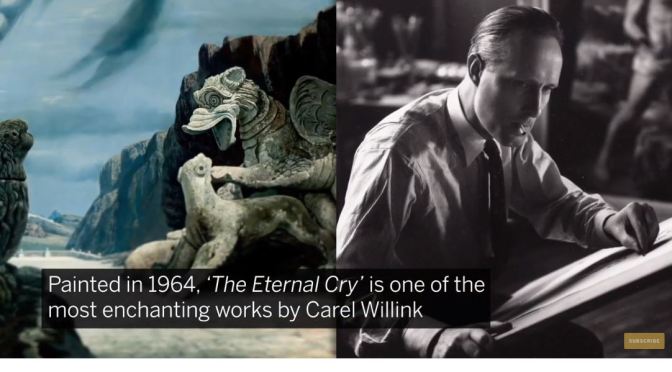
 Carel Willink was a pioneer of Magic Realism, an avant-garde movement of Dutch modernism closely associated with Surrealism. In this episode of Anatomy of an Artwork, discover how a visit to Italy’s Bomarzo Gardens following the death of his wife inspired a series of paintings featuring monsters, see how Willink drew further inspiration from dream-like images and illusions, and learn how his near-photographic style exudes a sense of mystery and enchantment.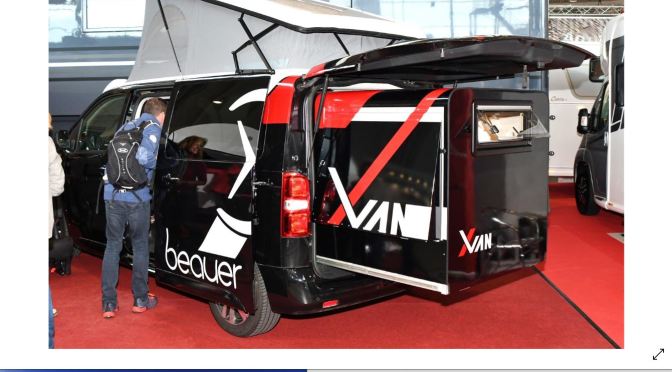


 The Cadillac Series 62 is a series of cars which was produced by Cadillac from 1940 through 1964. Originally designed to replace the entry level Series 65, it became the Cadillac Series 6200 in 1959, and remained that until it was renamed to Cadillac Calais for the 1965 model year. The Series 62 was also marketed as the Sixty-Two and the Series Sixty-Two.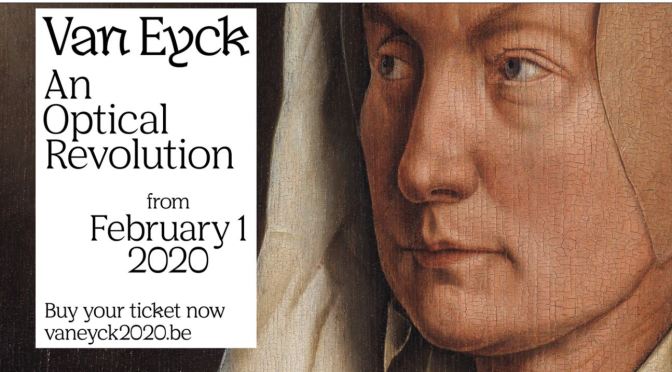
 In dialogue with Van Eyck’s contemporaries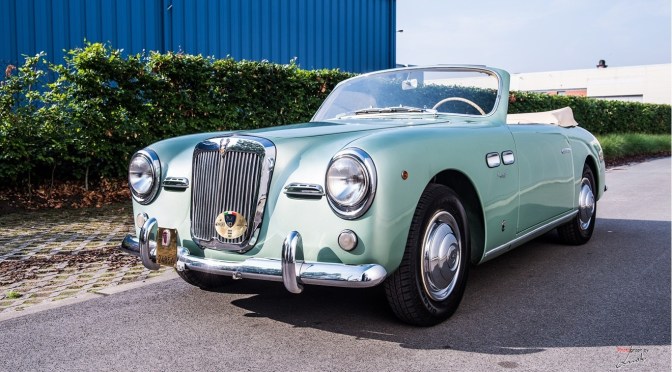
 The Siata Daina is an Italian car produced by Siata from 1950-1958. The Daina was available as a coupé or a convertible and had custom bodies by Stabilimenti Farina, Bertone and other coach builders.
 were made as well) but when they closed in 1953, Bertone took over production with a coupe model of their own design called the “Sport”.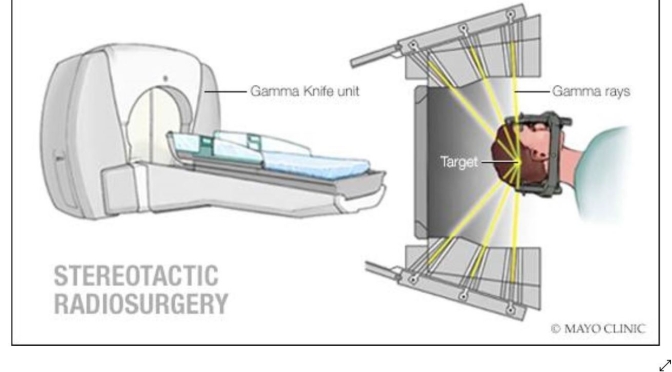
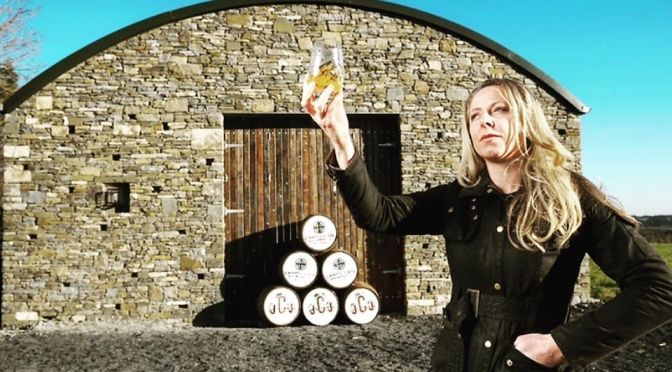
 Louise McGuane launched Irish-whiskey label JJ Corry in 2015 after spending more than 20 years working in marketing for premium drinks brands. She has revived the practice of whiskey bonding, a popular practice in Ireland before the industry was decimated in the 1930s. McGuane sources, matures and bottles her own blends and single malts from her family farm in County Clare.

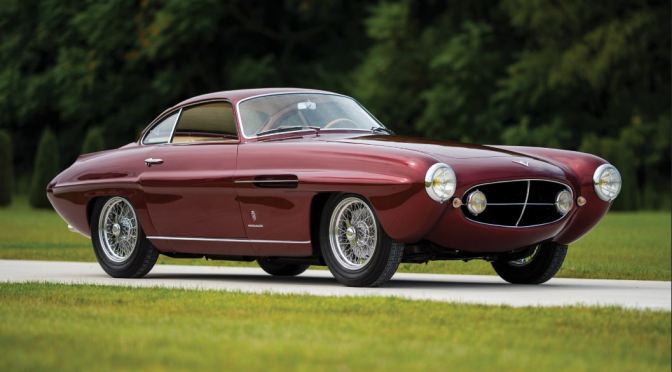
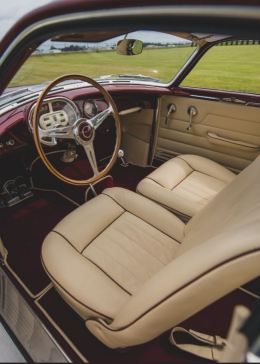 The Fiat 8V (or “Otto Vu”) is a V8-engined sports car produced by the Italian car manufacturer Fiat from 1952 to 1954. The car was introduced at the 1952 Geneva Motor Show. The Fiat 8V got its name because at the time of its making, Fiat believed Ford had a copyright on “V8”. With 114 made, the 8V wasn’t a commercial success, but did well in racing. Apart from the differential the car did not share any parts with the other Fiats (but many parts were made by Siata and they used them for their cars). The 8V was developed by Dante Giacosa and the stylist Luigi Rapi. The engine was a V8 originally designed for a luxury sedan, but that project was stopped.
 Boomers Daily