Bon Appétit (March 21, 2023) – A perfect Peking Duck is maroon in color, with crispy skin encasing juicy, tender meat— and Han Li-Jun, founder and head chef of Chili House in San Francisco, has been in the craft of making it for 3 decades. Watch him break down each step in the intricate process, as demonstrated by his collaborator Chef Han, in serving authentic and traditional Peking Duck.
Chili House SF is an authentic Chinese Food Restaurant located in the Richmond District of San Francisco, California. Our executive chef, Chef Han, has been cooking since 1988 and has had the privilege of serving his cuisine to Chinese Presidents and Foreign Ministers.
FRANCE 24 (March 21, 2023) – Once important seats of Christian worship, and now treasures of the country’s heritage, French abbeys often have surprising histories. That’s the case of Fontevraud abbey, in the former duchy of Anjou. Run by a woman during its heyday, the abbey was turned into a prison after the French Revolution.
In Alsace, the abbey of Mont Sainte-Odile is famous for its supposedly miraculous spring water. Finally, on the outskirts of Montpellier, Valmagne abbey used to be a wine cellar. Visitors can still observe the gigantic barrels that were once used to store thousands of litres of wine.
My husband doesn’t enjoy peeling oranges. He doesn’t like the little white webs of pith or the way the juice trickles between his fingers and soaks and stains the skin. He’s not a fan of pips. The citrus-sweet taste he could take or leave. If I had to choose between him and my favourite fruit, I like to think I’d stick with him.
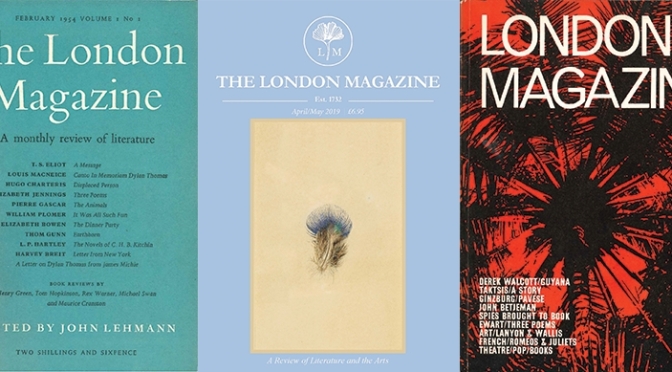
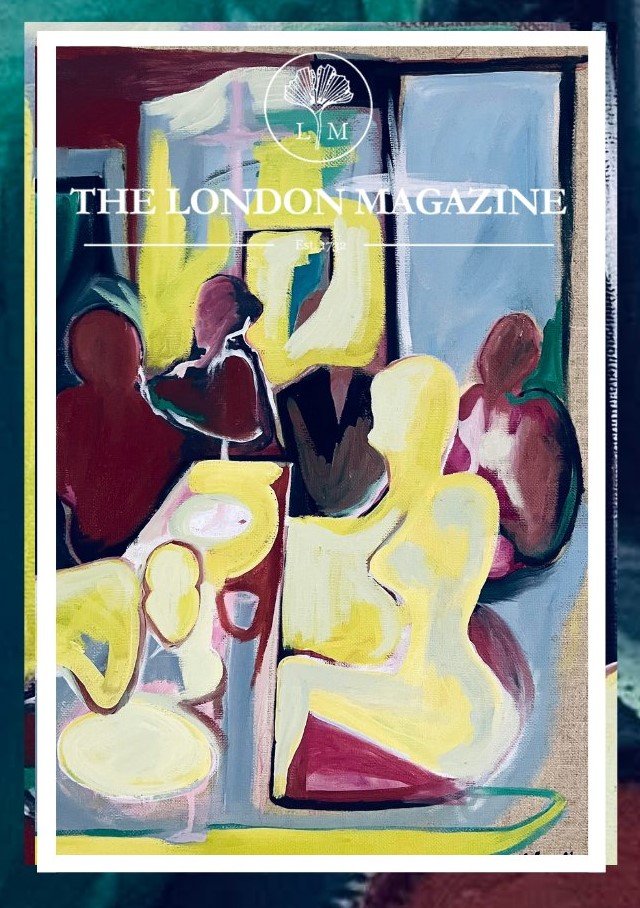
On this episode of The London Magazine Podcast, we speak with Max Wilkinson.Max is a playwright and screenwriter whose award-winning play, Rainer, about a voyeuristic delivery rider riding around London, played at the Arcola Theatre last summer and is being produced for BBC Radio Four’s Afternoon play slot.
When Clare wakes, the car is moving along a wide valley between fields of grazing cattle. She shifts in her seat, her side sweaty where her brother Robbie has been leaning against her. The last thing she remembers is crossing into Austria at a high pass, a young border guard peering in at them through the drizzle. Now the sun is out, and the tarmac is steaming in the heat. At a junction, her father slows down. ‘This is it,’ he says, turning the car. They pass through a village, all whitewashed houses with large overhanging roofs. In the deserted square is a small inn, Der Jäger painted across one wall in beautiful gothic script. Next to the lettering is a twenty-foot-high figure of a hunter in Tyrolean leather trousers and green hat, striding across a mountain side. Clare notices that he has the same jaw as John Travolta in Grease.
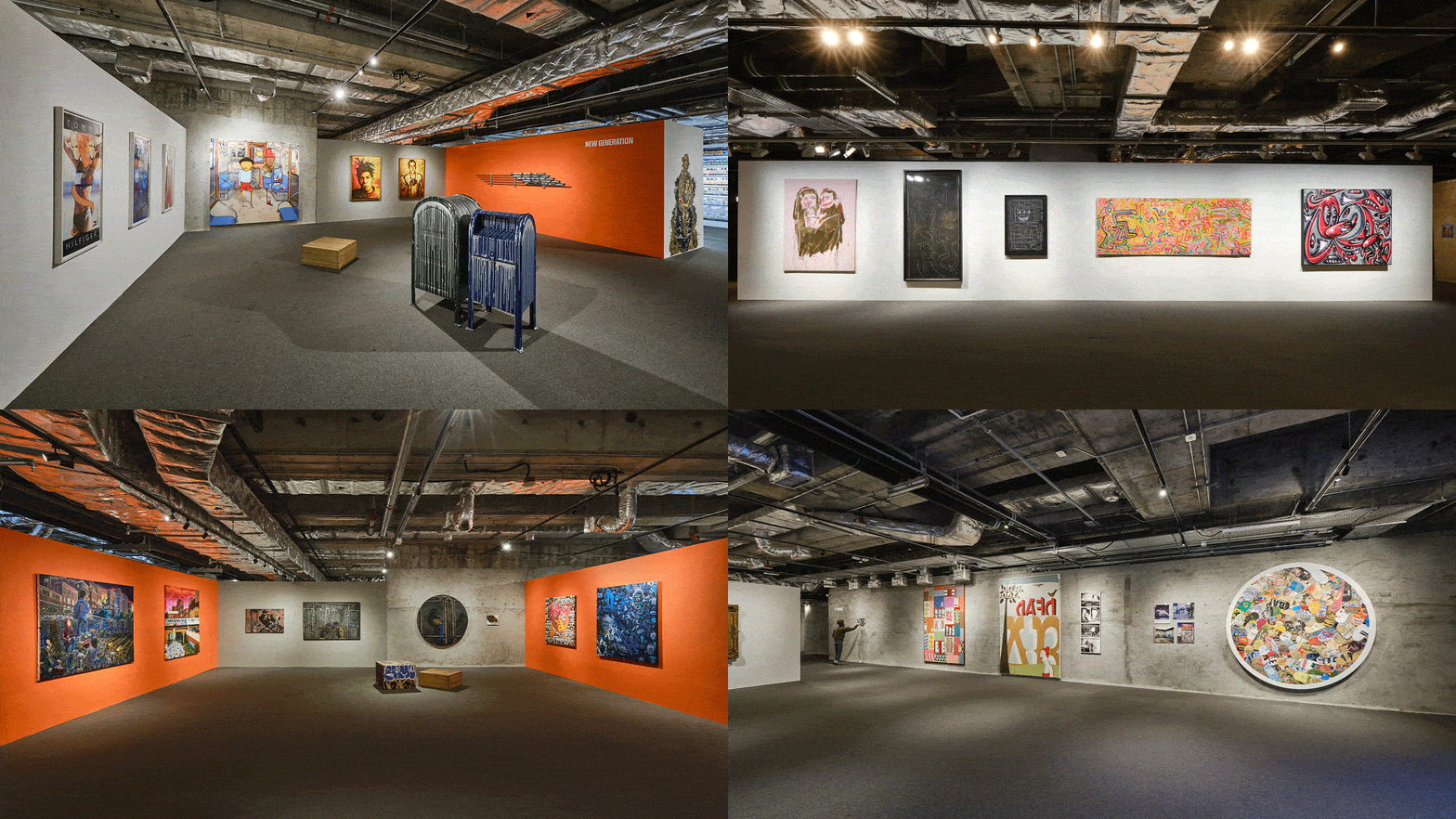
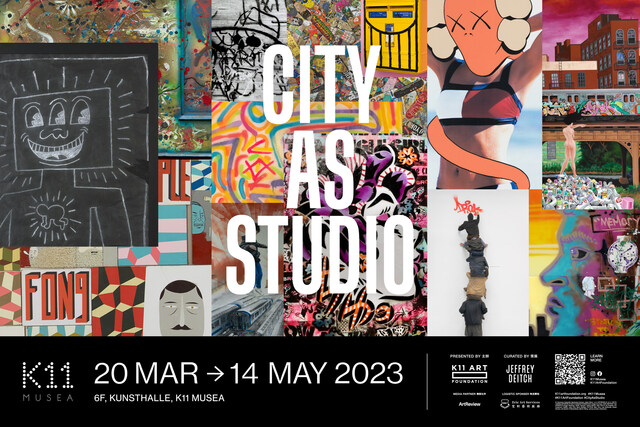
K11 Musea, Hong Kong – From the subway yards and parking lots of 1970s New York, K11 MUSEA’s third annual Art Karnival welcomes China’s largest street art exhibition, ‘City As Studio’!
Bleeding the city with the heart and soul of the art form, we take the plunge into the world of spray paint, tags, and throw-ups that steered a global cultural movement. Presented by K11 MUSEA and K11 Art Foundation, curated by “Champion of Graffiti and Street Art” Jeffrey Deitch,the exhibition brings the extensive history and evolution of street art to the people,
Over 100 works showcase the visions of more than 30 artists, including some of the most recognisable names of the medium — from veterans Jean-Michel Basquiat, Keith Haring, and FUTURA, to young bloods KAWS, AIKO, and more.
“This is going to change the world as we know it.”
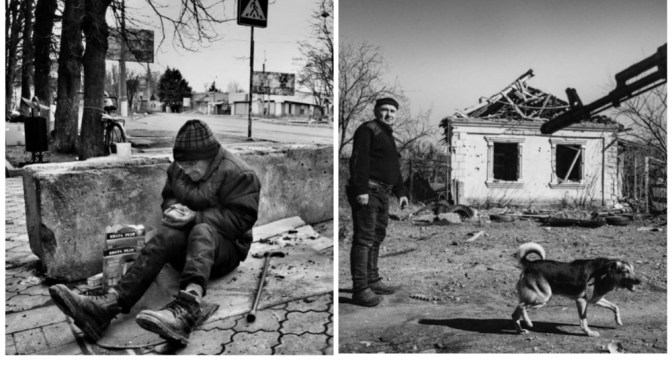
“The pictures are a documentation of the brutality within the conflict itself. It’s about civilians and civilian casualties because they are the ones hit the hardest. “
“The Russians are terrorizing the civilian population. They are hitting civilian infrastructure, may it be water, electricity, or heating. That brutality is extremely important to show. For me, it is about getting as close to these people as possible.”
Grarup is convinced that the ongoing war in Ukraine will mark the beginning of a new area that will isolate Russia from the Western World for generations to come: “I have been covering wars and conflicts for the last 35 years – just about every conflict you can imagine. In many ways, the brutality of the genocide in Rwanda in 1994 is second to none. But the war in Ukraine comes really, really close. It’s basically a country which is desiring democracy and freedom and independence – and because of that, its people are killed.”
Grarups also reflects upon his feelings covering the war, such as his general discomfort with silence as “you can be sure that something is about to happen.” On the other hand, he sees the necessity to document the war for future generations and the possible prosecution of war crimes. “What I like about black-and-white photography is its timelessness. We think in our part of the world that the world has changed, developed, and moved far away from what we have seen historically.
But the fact is: It hasn’t. It’s still the same atrocities. It’s still the same victims.” Jan Grarup was born in Denmark in 1968 and is today regarded as one of the leading and most experienced war photographers globally. Already in 1991, the year of his graduation, he won the prestigious Danish Press Photographer of the Year Award, a prize he would receive on several further occasions. In 1993, he moved to Berlin for a year, working as a freelance photographer for Danish newspapers and magazines. Afterwards, Grarup covered many wars and conflicts worldwide, including the Gulf War, the Rwandan genocide, the siege of Sarajevo and the Palestinian uprising against Israel in 2000.
His coverage of the conflict between Palestine and Israel led to two series: The Boys of Ramallah, which earned him the Pictures of the Year International World Understanding Award in 2002, followed by The Boys from Hebron. His book, Shadowland (2006), presents his work during the 12 years he spent in Kashmir, Sierra Leone, Chechnya, Rwanda, Kosovo, Slovakia, Ramallah, Hebron, Iraq, Iran, and Darfur. In the words of Foto8’s review, it is “intensely personal, deeply felt, and immaculately composed.”
His second book, Darfur: A Silent Genocide, was published in 2009. In 2017 he released the prizewinning bestseller And Then There Was Silence. He is currently working on a follow-up called While We Bleed with Danish author Adam Holm about the war in Ukraine. Jan Grarup has won numerous prizes for his dedicated work, for example eight World Press Awards, the Pictures of the Year International World Understanding Award, the UNICEF Children Photo of the Year Award, Visa d’Or, Leica Oskar Barnack Award, to mention a few of the more prestigious ones. Jan Grarup was interviewed by Marc-Christoph Wagner in Copenhagen, Denmark.
The interview took place at the Danish War Museum in March 2023 on the occasion of Grarup’s exhibition One Year With War. Camera: Jakob Solbakken Edited by: Helle Pagter Produced by: Marc-Christoph Wagner
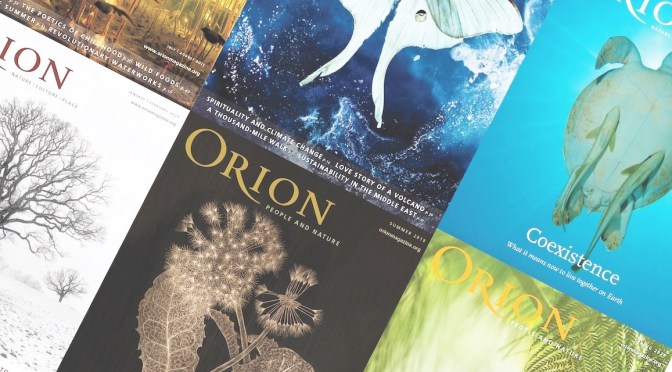
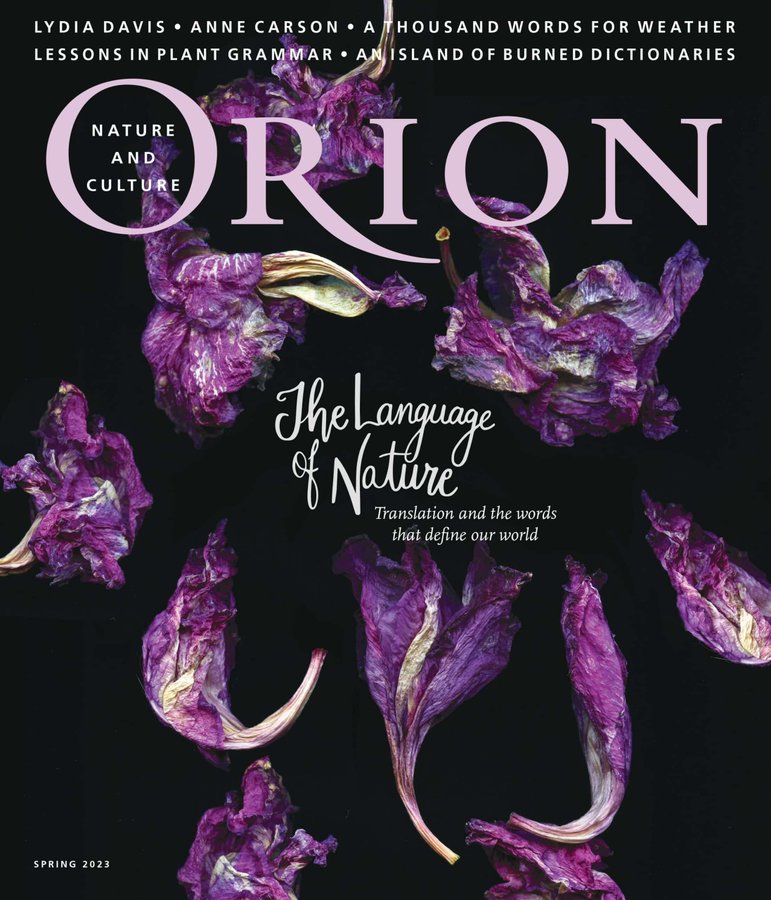
Orion Magazine (Spring 2023) – THIS ISSUE features exclusively works in or about translation, engaging with over twenty-five languages across six continents.
The Northern Mariana Islands lie in a crescent moon south-southeast of Japan. At the lower point is Guåhan, also known as Guam, an island that is geologically part of the same volcanic chain but that set itself apart by becoming an unincorporated U.S. territory instead of remaining part of the Commonwealth.
BANZEIRO—THIS IS WHAT THE PEOPLE of the Xingu call places where the river grows savage. Where, if you’re lucky, you can make it through; where, if you’re not, you can’t. It is a place of danger between where you’re coming from and where you want to go.
Our Spring 2023 issue speaks to the language of nature and features works in or about translation. Here, Orion staffers and friends pulled together a list of their favorite fiction and nonfiction books that in some way reflect this literature of etymology.
This slim fantastical novel reads like an incantation. Set in rural late-19th century Iceland, its braided, lyrical, fugue-like narrative is tender and electric. Here we find a cruel priest named after a monster, trapped in an ice cave, raving at a dead fox. But too, a kindly herbalist burying his friend with her feather collection—a young woman with Down syndrome who spoke a language of her own—who he rescued from an unthinkable fate. This was my first encounter reading Sjón, who is apparently so big in his home country he doesn’t need a last name, but the book’s otherworldliness made perfect sense when I learned he writes lyrics for Björk. This one will haunt me for a while.
In Lulu Miller’s Why Fish Don’t Exist, naming becomes an imposition, an attempt at order and, sometimes, hierarchy. In this book—part memoir, part biography—Miller is searching for a reason to keep living, a sense of order in a chaotic world, and she does so by looking to a taxonomist who spent his life naming the creatures under the sea: David Starr Jordan.
March 20, 2023: A selection of three essential articles read aloud from the latest issue of The Economist. This week, what’s wrong with the banks? Also, we ask whether Bibi will break Israel (10:39) and why men should get a good night’s sleep to ensure vaccines work properly (19:03).
Rising interest rates have left banks exposed. Time to fix the system—again
Only ten days ago you might have thought that the banks had been fixed after the nightmare of the financial crisis in 2007-09. Now it is clear that they still have the power to cause a heart-stopping scare. A ferocious run at Silicon Valley Bank on March 9th saw $42bn in deposits flee in a day. svb was just one of three American lenders to collapse in the space of a week. Regulators worked frantically over the weekend to devise a rescue. Even so, customers are asking once again if their money is safe.
When Israel’s best and brightest are up in arms it is time to worry
This should have been Israel’s moment. As it approaches its 75th birthday in April the risk of a conventional war with neighbouring Arab states, for decades an existential danger, is at its lowest since 1948. The last Palestinian intifada, or uprising against occupation, ended 18 years ago. Israel’s tech-powered economy is more successful and globally relevant than ever. Last year gdp per person hit $55,000, making it richer than the eu.
Vaccines get all the glory, but it is really the immune system that does the heavy lifting. Indeed, those with weak immune systems often benefit little from vaccines. Aware of this, researchers have long thought that people deprived of sleep also ought to benefit less from vaccines, as sleeping less is thought to reduce immune function. A new analysis reveals that this is clearly the case—though only in men.
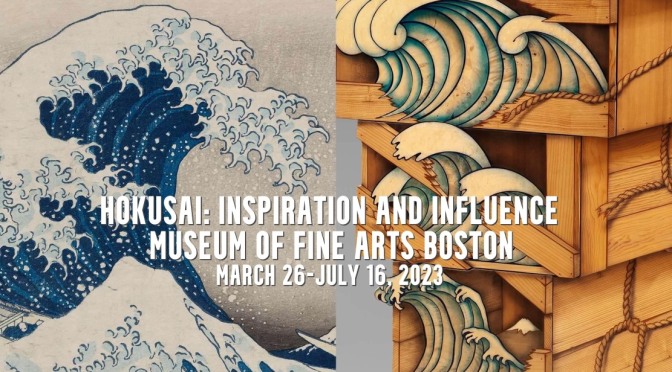
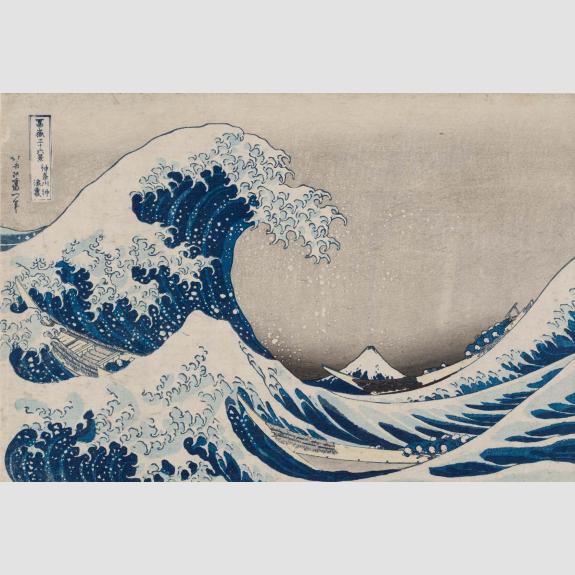
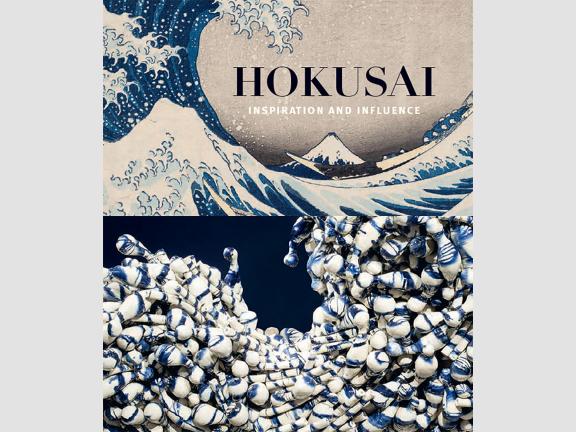
Museum of Fine Arts, Boston – Thanks to the popularity of works like the instantly recognizable Great Wave—cited everywhere from book covers and Lego sets to anime and emoji—Katsushika Hokusai (1760–1849) has become one of the most famous and influential artists of all time.
Katsushika Hokusai, Under the Wave off Kanagawa (Kanagawa-oki nami-ura), also known as the Great Wave, from the series Thirty-six Views of Mount Fuji (Fugaku sanjūrokkei) (detail), about 1830–31 Woodblock print (nishiki-e); ink and color on paper. William Sturgis Bigelow Collection.
Taking a new approach to this endlessly inventive and versatile Japanese artist, “Hokusai: Inspiration and Influence” explores his impact both during his lifetime and beyond. More than 100 woodblock prints, paintings, and illustrated books by Hokusai are on view alongside about 200 works by his teachers, students, rivals, and admirers, creating juxtapositions that demonstrate his influence through time and space.
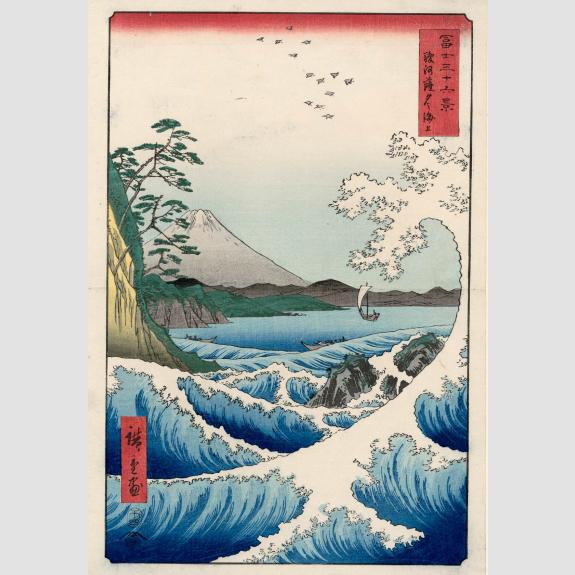
Utagawa Hiroshige, The Sea off Satta in Suruga Province (Suruga Satta kaijō), from the series Thirty-six Views of Mount Fuji (Fuji sanjūrokkei), 1858 Woodblock print (nishiki-e); ink and color on paper. William Sturgis Bigelow Collection.
The great painter, book illustrator, and print designer Katsushika Hokusai (1760–1849) has become the best known of all Japanese artists and one of…
Members are invited to a special exhibition preview March 22–25 before it opens to the public, and can enjoy members-only hours on Sunday mornings during the run of the show. Join today!
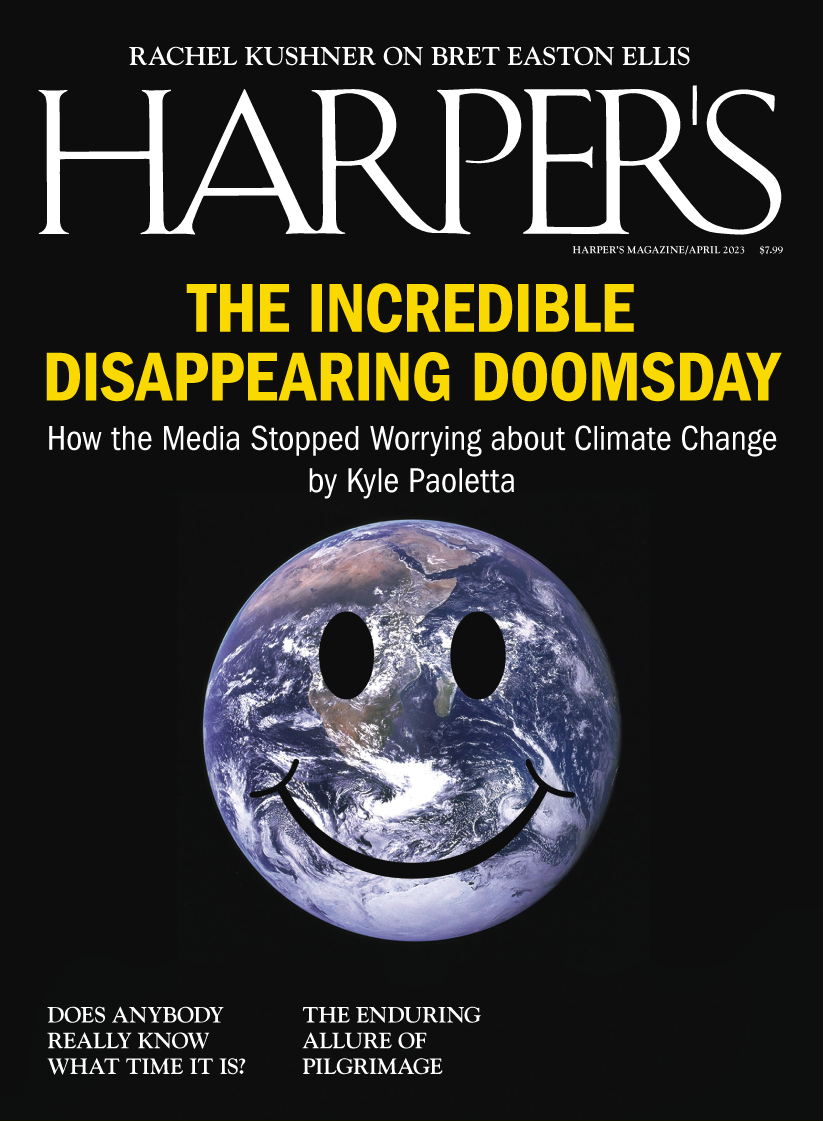
How the climate catastrophists learned to stop worrying and love the calm
The first signs that the mood was brightening among the corps of reporters called to cover one of the gravest threats humanity has ever faced appeared in the summer of 2021. “Climate change is not a pass/fail course,” Sarah Kaplan wrote in the Washington Post on August 9.
When I was a kid, in the touch-tone era in the Midwest, I often dialed, for no real reason, the “time lady”—an actress named Jane Barbe, it turns out—who would announce, with prim authority “at the tone,” the correct time to the second. I was, in those days, a bit obsessed with time.
Kunsthalle Praha, Prague, Czech Republic (March 20, 2023) – From post-war Paris and New York, through swinging London, to the free spirits of Tehran and Beijing. Kunsthalle Praha explores the idea of bohemia.

















 Boomers Daily