Comedy: “Remembering Groucho Marx” (CBS Video)

In this report first broadcast on August 19, 2007, thirty years after the death of comedian Groucho Marx, “Sunday Morning” host Charles Osgood looks back at the life of the ringleader of the Marx Brothers, who starred in such classics as “Animal Crackers,” “Duck Soup” and “A Night at the Opera.”

Osgood speaks with Marx Brothers fans Elliott Gould, David Steinberg, Frank Ferrante (who played Groucho on stage), Washington Post columnist Harold Meyerson, and Charlotte Chandler, author of the book “Hello, I Must Be Going: Groucho and His Friends.”

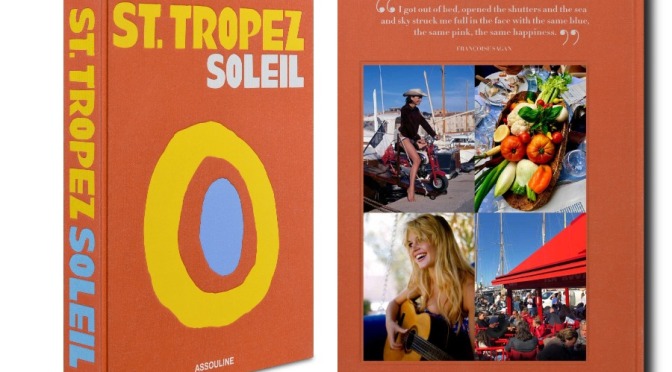
Travel & Culture Books: “St. Tropez Soleil” By Simon Liberati (Assouline)

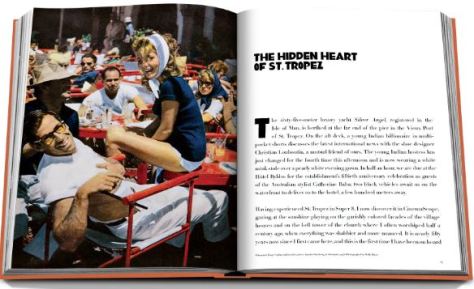
The legend of St. Tropez starts with a dog, a rooster, and a martyr; and it leads to movie stars, world-renowned artists and distinguished writers. Located on the sparkling French Riviera, St. Tropez has enjoyed the spotlight for more than half a century, for better or worse, with celebrities flocking to this idyllic locale for its beaches and a dose of Mediterranean sun.

A picturesque oasis, St. Tropez has served as inspiration for a who’s who of notable writers from Françoise Sagan to Colette; as well as renowned artists Paul Signac and Henri Matisse; and even filmmakers. However, St. Tropez would not be the same without then belle du jour Brigitte Bardot, her films and lovers and many other famous couples including Annabel and Bernard Buffet and Bianca and Mick Jagger.

St. Tropez Soleil Assouline book

St. Tropez Soleil guides the reader through its storied past and ever-evolving present. Featuring annual mainstays such as Les Bravades and the Les Voiles de Saint-Tropez as well as exclusive events like a Chanel fashion show at the quintessentially Tropezian Sénéquier café and the White Party at Nikki Beach begun by Naomi Campbell. But despite all that changes, the spirit of St. Tropez remains the same and this volume is an ode to the unique joie de vivre that keeps everyone coming back.

Simon Liberati is an award-winning French writer and journalist. He has worked for publications such as PurpleNuméro, and 20 Ans and he frequently collaborates with Vogue. He has written ten books including Jayne Mansfield 1967 (2011), which won the prix Femina, and the best-selling Eva (2015).

Read more or purchase

Heart Health Video: “Beta Blockers” Lower CVD Risks Of Harmful Gut Microbes

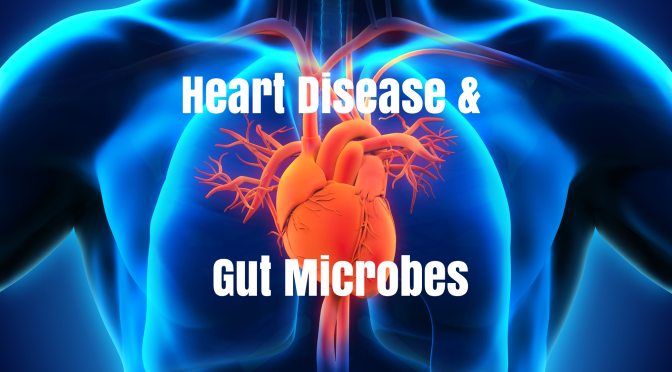
Hazen and colleagues find that gut bacteria play a central role in the conversion of dietary proteins into a compound, phenylacetylglutamine ( PAGln), which not only is associated with future cardiovascular disease risk in humans but also promotes platelet responsiveness and blood clotting potentially via adrenergic receptors, according to mouse models.

Read study

Interview: Scientist And Inventor Mark Kendall – “Nanopatch” Replacement For Vaccination (Podcast)

Monocle 24 Pioneers logoRocket scientist-turned-immunology expert Mark Kendall talks about his Nanopatch, which could revolutionise vaccinations and eradicate some diseases.

Mark Kendall (born 1972) is an Australian biomedical engineer and innovator. He is an Entrepreneurial Professor of the Australian National University. His field of research is the delivery of immunotherapeutics to the skin without the use of a needle or syringe.

In 2011, he co-founded the development company Vaxxas with an investor syndicate. The company’s technology, called Nanopatch, is intended to serve as a needle-free vaccine delivery device. In 2011, Kendall and his AIBN team received the Australian Research Council Eureka Prize for Excellence in Research by an Interdisciplinary Team. In 2012, he was awarded the Rolex Awards for Enterprise for his “pioneering efforts to expand knowledge and improve human life”.

Website

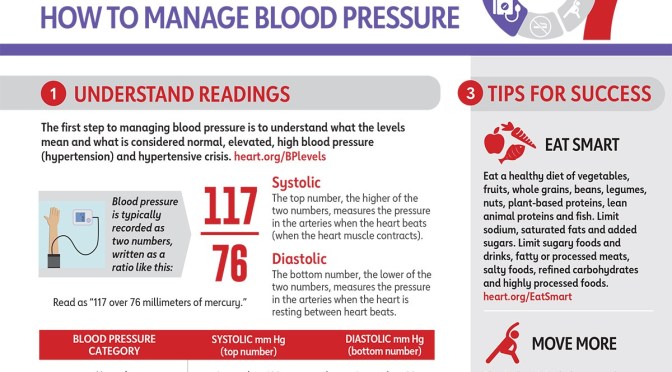
Study: Sunlight Exposure Lowers Blood Pressure, Avoiding It Is Risk Factor For Hypertension (AHA)

From an American Heart Assoc. Journal study (Feb 28, 2020):

American Heart Association LogoSeasonal variation in blood pressure has been known for 40 years, but, to our knowledge, for the first time we show here that this occurs independently of temperature. The reduction in blood pressure is more marked with a rise in UVB than UVA, and in whites than black people. Dermatological concerns about the skin cancer inducing effects of UV radiation need to be balanced against the observed blood pressure lowering effects of sunlight, particularly given the greatly higher burden of disease caused by hypertension.

Incident Solar Ultraviolet Exposure lowers Blood Pressure AHA Feb 28 2020Sunlight exposure appears to lower blood pressure; insufficient exposure to natural ultraviolet radiation and/or active avoidance of sunlight may be new risk factors for hypertension.

Hypertension remains a leading global cause for premature death and disease. Most treatment guidelines emphasize the importance of risk factors, but not all are known, modifiable, or easily avoided. Population blood pressure correlates with latitude and is lower in summer than winter. Seasonal variations in sunlight exposure account for these differences, with temperature believed to be the main contributor. Recent research indicates that UV light enhances nitric oxide availability by mobilizing storage forms in the skin, suggesting incident solar UV radiation may lower blood pressure. We tested this hypothesis by exploring the association between environmental UV exposure and systolic blood pressure (SBP) in a large cohort of chronic hemodialysis patients in whom SBP is determined regularly.

Read full study

Diet Study: “Moderate Egg Consumption” Does Not Increase Cardiovascular Disease Risk (The BMJ)

From a BMJ Research online study (March 4, 2020):

BMJ Open Access logoWe found no association between egg consumption and risk of cardiovascular disease in three large US cohorts. Results from the updated meta-analysis lend further support to the overall lack of an association between moderate egg consumption (up to one egg per day) and cardiovascular disease risk. 

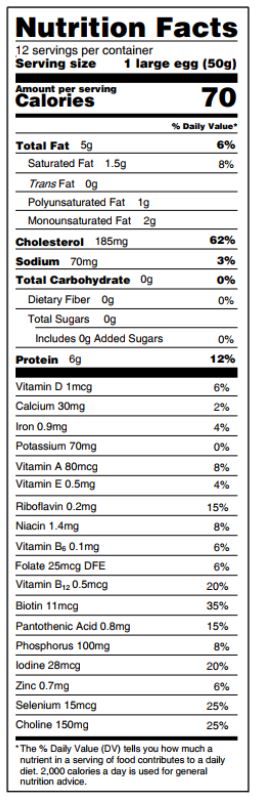
One Large Egg Nutrition factsEggs are a major source of dietary cholesterol, but they are also an affordable source of high quality protein, iron, unsaturated fatty acids, phospholipids, and carotenoids.

Introduction: In the United States, cardiovascular disease is the leading cause of death in men and women. Diet and lifestyle undisputedly play a major part in the development of cardiovascular disease. In the past, limiting dietary cholesterol intake to 300 mg per day was widely recommended to prevent cardiovascular disease. However, because of the weak association between dietary cholesterol and blood cholesterol, and considering that dietary cholesterol is no longer a nutrient of concern for overconsumption, the most recent 2015 dietary guidelines for Americans did not carry forward this recommendation.

Read full study

New Series Trailer: “The English Game” From “Downton Abbey” Creator Julian Fellowes (Mar 20)

From “Downton Abbey” creator and “Gosford Park” writer Julian Fellowes. Based on true events, this 19th century drama follows two footballers on opposite sides of a class divide who changed the game — and England — forever. The English Game arrives on Netflix March 20.

Coronavirus / Covid -19: “What Happens When It Enters Your Body” (Video)

The Telegraph LogoWhat happens when you catch coronavirus? The Telegraph’s Global Health Security Editor Paul Nuki explains all the ways in which you could become infected with COVID-19 and how your body reacts to this virus.

What happens when the virus enters the body?

When the virus enters your body it binds to two cells in the lungs – goblet cells that produce mucus and cilia cells which have hairs on them and normally prevent your lungs filling up with debris and fluid such as virus and bacteria and particles of dust and pollen.

The virus attacks these cells and starts to kill them – so your lungs begin to fill with fluid making it hard for you to breathe. This phase of the disease is thought to last about a week.

At this point your immune system will start to kick in and fight off the invaders. You will develop a fever and your high body temperature will create a hostile environment for the virus. You will start to get rid of the mucus in the form of coughing and a runny nose.

But in some people – particularly the elderly and those with other health conditions – the immune system can go into overdrive. As well as killing the virus it also starts to kill healthy cells.

This heightened immune response can trigger a “cytokine storm” – white blood cells activate a variety of chemicals that can leak into the lungs, which along with the attack on the cells damages them even further. Scans of the lungs show “ground-glass” opacity and then “crazy paving” patterns, as they fill with mucus making it harder and harder to breathe.

Read more about Coronavirus 

New Science Podcasts: Faster Image ID, Crafting Crystals And Coronavirus / Covid-19 Update (Nature)

Nature PodcastsListen to the latest from the world of science, with Benjamin Thompson and Nick Howe. This week, improving computers’ image identification, and a new method for growing crystals.

In this episode:

00:44 Upgrading computer sight

Researchers have designed a sensor that allows machines to assess images in nanoseconds. Research Article: Mennel et al.News and Views: In-sensor computing for machine vision

06:51 Research Highlights

Calorie restriction’s effects on rat cells, and the dwindling of sandy seashores. Research Highlight: Old age’s hallmarks are delayed in dieting ratsResearch Highlight: Sandy beaches are endangered worldwide as the climate changes

08:53 Crafting crystals

To understand the structure of materials, researchers often have to grow them in crystal form. A new method aims to speed up this process. Research article: Sun et al.

14:48 News Chat

Coronavirus outbreak updates, and climate change’s role in the Australian bush fires. News: Coronavirus: latest news on spreading infectionNews: Climate change made Australia’s ‘unprecedented’ bushfires 30% more likely

Health: All Adults 18-79 Should Be Screened For Hepatitis C Virus (HCV)

From a Stanford University online article (March 2, 2020):
Health Policy Stanford“The opioid epidemic has added fuel to the HCV fire, substantially increasing transmission,” said Owens. “HCV is now an enormous public health problem, affecting a much broader age range of people than before. Fortunately, we have the tools to identify people and treatment is now successful in the vast majority of patients, so screening can prevent the mortality and morbidity from HCV.”

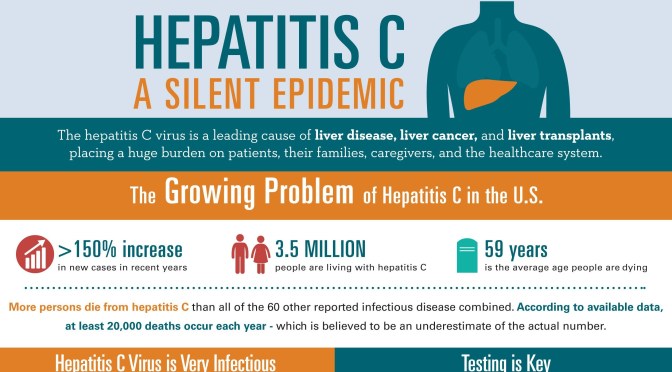
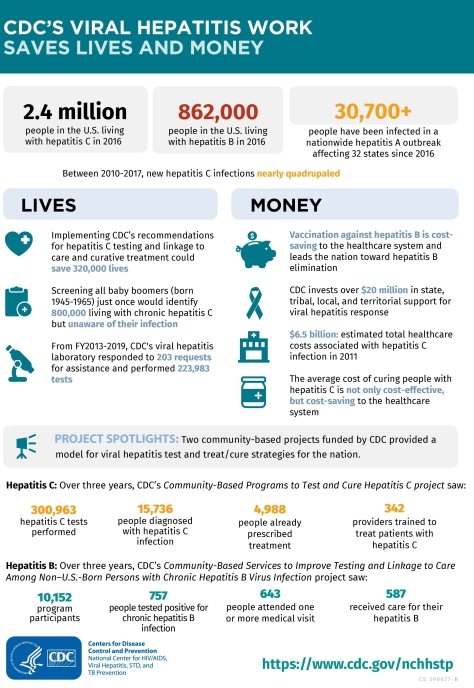
A task force of national health experts recommends clinicians screen all adults 18 to 79 for the hepatitis C virus (HCV), noting that the viral infection is now associated with more deaths in the United States than the top 60 reportable infectious diseases combined. Many people are unaware they are carrying the viral infection.
CDC-viral-hepatitis-work-P-page-0

“People with hepatitis C do not always feel sick and may not know they have it,” says chair of the U.S. Preventive Services Task Force Douglas K. Owens, M.D, M.S. “Screening is key to finding this infection early, when it’s easier to treat and cure, helping reduce illnesses and deaths.”

Owens, who is the director of Stanford Health Policy and the Henry J. Kaiser, Jr., Professor of Medicine, said the opioid epidemic now plays an important role in the prevalence of HCV. There are more than three times the number of acute HCV cases than a decade ago, particularly among young, white, injection drug users who live in rural areas. Women aged 15 to 44 have also been hit hard by the virus that is spread through contaminated blood.

Read full Article