

The new normal?
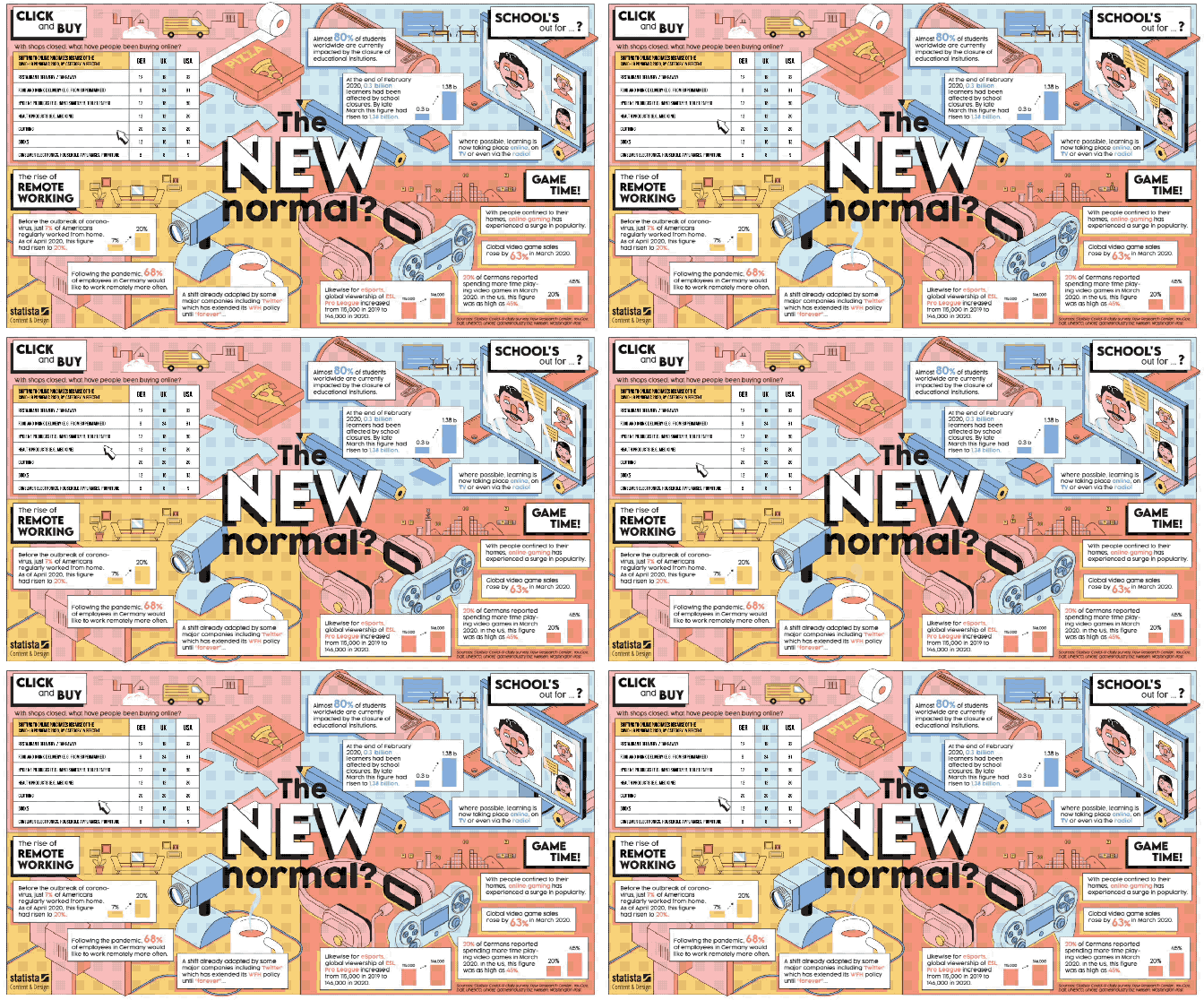
 It is impossible to ignore the ongoing impact the Covid-19 pandemic is having on our lives. This month our infographic shows how some aspects of daily life have changed as a result. The widespread closure of schools, for example, is thought to have affected up to 1.38 billion learners as of late March. Meanwhile, the sudden shift to remote working is one such change expected to have long-lasting effects. Following the pandemic, 68% of Germans have stated they would like to work remotely more often.
Our designer Raphael Hammer has created an isometric-style illustration, with each topic area allocated its own quarter of the infographic. Each topic is then afforded its own principle colour and corresponding design details. The almost monochrome effect of the illustrations allows them to perfectly complement the data presented. Especially effective, are the subtle movements which bring the entire graphic to life.


 Lara Lee, the author of the new cookery book ‘Coconut & Sambal’, shares one of her favourite recipes.
 Be transported to the bountiful islands of Indonesia by this collection of fragrant, colourful and mouth-watering recipes.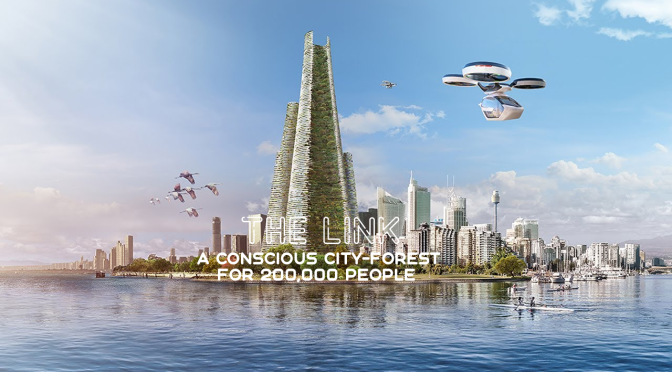

 Architecture firm Luca Curci Architects presents THE LINK, a vertical city for 200,000 people. The project aims to rise above the challenge of population density by successfully combining vertical expansion with economic innovation. A self-sustainable city-forest, that will absorb CO2, produce oxygen for cleaner air and increase urban biodiversity. With interconnected communities’ programs. No suburbs. Less poverty oriented.
 Staff Writer Jocelyn Kaiser joins Sarah to talk about a recent Science paper describing the results of a large study on a blood test for multiple types of cancer. The trial’s results suggest such a blood test combined with follow-up scans may help detect cancers early, but there is a danger of too many false positives.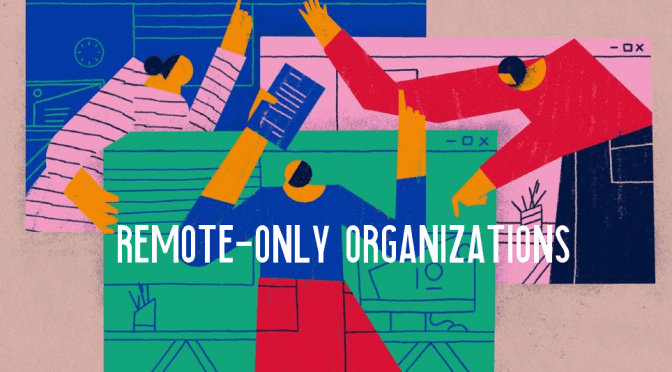
 Companies that structure themselves as location-independent have developed norms and practices that bridge the emotional and logistical distances. The same is true for their workers. For such companies, remote-only work can reduce costs, expand the talent pool and boost productivity. By contrast, being forced by a crisis to work remotely is likely to be disruptive and frustrating. It may be better than shutting down, but it will likely lead to a big drop in productivity.
 Boomers Daily