
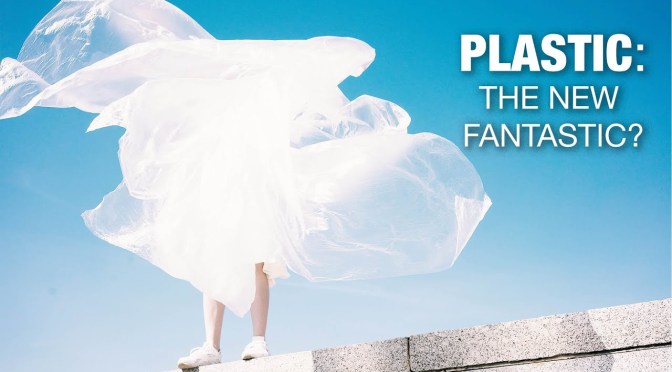
Plastic has become a malevolent symbol of our wasteful society. It’s also one of the most successful materials ever invented: it’s cheap, durable, flexible, waterproof, versatile, lightweight, protective and hygienic.
During the coronavirus pandemic, plastic visors, goggles, gloves and aprons have been fundamental for protecting healthcare workers from the virus. But what about the effects on the environment of throwing away huge numbers of single-use medical protection equipment? How are we to balance our need for plastic with protecting the environment?
Delayed as a result of the pandemic, the film is being released now because it considers how society might ‘reset the clock’ when it comes to living better with a vital material.
We hear how Cambridge University’s Cambridge Creative Circular Plastics Centre (CirPlas) aims to eliminate plastic waste by combining blue-sky thinking with practical measures – from turning waste plastic into hydrogen fuel, to manufacturing more sustainable materials, to driving innovations in plastic recycling in a circular economy.
“As a chemist I look at plastic and I see an extremely useful material that is rich in chemicals and energy – a material that shouldn’t end up in landfills and pollute the environment,” says Professor Erwin Reisner, who leads CirPlas, funded by UK Research and Innovation.
“Plastic is an example of how we must find ways to use resources without irreversibly changing the planet for future generations.”
Explore more: CirPlas: https://www.energy.cam.ac.uk/Plastic_…


 Lara Lee, the author of the new cookery book ‘Coconut & Sambal’, shares one of her favourite recipes.
 Be transported to the bountiful islands of Indonesia by this collection of fragrant, colourful and mouth-watering recipes.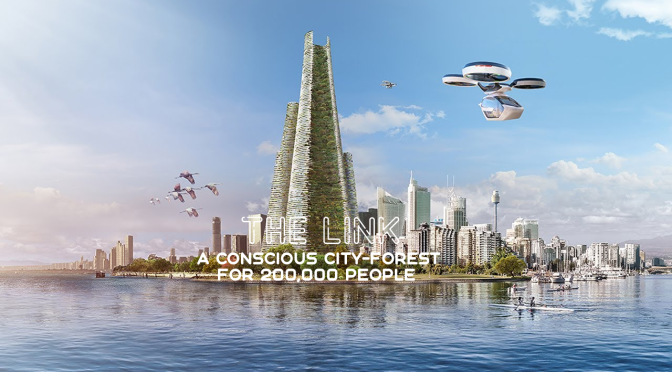

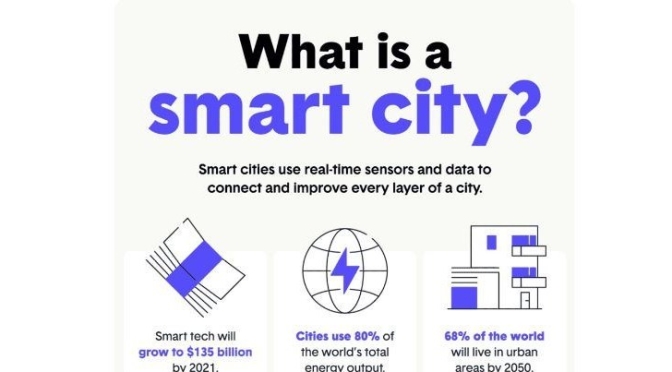
 Architecture firm Luca Curci Architects presents THE LINK, a vertical city for 200,000 people. The project aims to rise above the challenge of population density by successfully combining vertical expansion with economic innovation. A self-sustainable city-forest, that will absorb CO2, produce oxygen for cleaner air and increase urban biodiversity. With interconnected communities’ programs. No suburbs. Less poverty oriented.
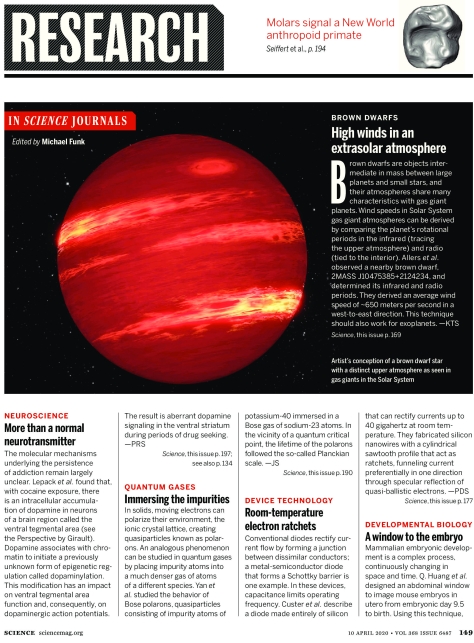
 Staff Writer Jocelyn Kaiser joins Sarah to talk about a recent Science paper describing the results of a large study on a blood test for multiple types of cancer. The trial’s results suggest such a blood test combined with follow-up scans may help detect cancers early, but there is a danger of too many false positives.
 Companies that structure themselves as location-independent have developed norms and practices that bridge the emotional and logistical distances. The same is true for their workers. For such companies, remote-only work can reduce costs, expand the talent pool and boost productivity. By contrast, being forced by a crisis to work remotely is likely to be disruptive and frustrating. It may be better than shutting down, but it will likely lead to a big drop in productivity.

 Boomers Daily