Exploring the dense forests and vast mountains of the Pacific Northwest- through sound.
This film began as a seemingly simple idea- to create a travel film driven by sound. In film, creative decisions are almost always made based on visuals, with sound being added in accordance to what is seen on screen. So, what if we flipped it? Choosing the PNW for its auditory density and character, I set off to create a travel film driven by audio.
Through planning, shooting, and editing, creative decisions were made based on sound- what do you need to hear to understand the story? Which sounds characterize the Pacific Northwest? This approach to filmmaking was unique from any other I’ve experienced, and after 9 months I couldn’t be more proud of the result. I hope this film inspires you to consider sound design with intention and listen closely the next time you travel.
There’s more to Kansas than its wide-open spaces and endless skies might indicate. From aviation pioneers to civil rights heroes fought back. and from Laura Ingalls Wilder documenting life on the prairie and a fictional young girl dreaming of a life “Over the Rainbow”, enjoy this soaring tour through the Sunflower State.
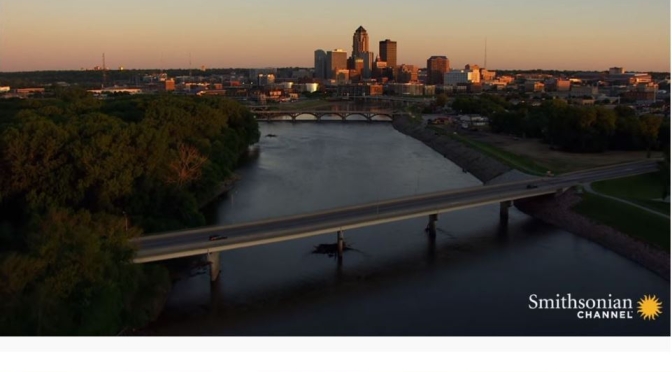
Soar beyond Iowa’s crops, towering silos, and old farmhouses to discover a state where promise stretches as far as its endless skies. This aerial tour celebrates such landmarks as the covered bridges of Madison County and John Wayne’s birthplace.
In a year of plagues, power struggles and star-crossed lovers divided by lockdown, Anne McElvoy asks James Shapiro, author of “Shakespeare in a Divided America”, what the bard would make of it all. Shakespeare is claimed by Americans of all political stripes.
But how can a lad from 16th-century Stratford-upon-Avon illuminate the past and future of the republic now? Plus, what the president might teach the professor about Shakespeare’s work. And, Shapiro prescribes a verse for the trials and tribulations of 2020.
“As this epidemic makes clear, at any moment, any of us could become sick, could become hospitalized, could be on a mechanical ventilator,” said Adam Gaffney, an ICU doctor in Boston. “And that, in the United States, could mean potentially ruinous healthcare costs.”
With over 21,000 people dead and more than a 547,000 infected with the coronavirus in the US the last question on a person’s mind should be how they will pay for life-saving treatment.
There were 27.9 million people without health insurance in 2018, and record-high unemployment will increase that figure by millions
But as the death toll mounted, a patient who was about to be put on a ventilator in one of New York City’s stretched to capacity intensive care units had a final question for his nurse: “Who’s going to pay for it?”
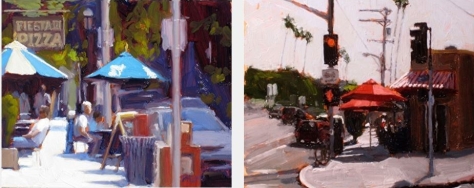
“In my paintings, I try to capture the hidden beauty found in the unexpected places and fleeting moments of everyday life. I continue to be intrigued by the urban landscapes of inner cities – their active streets, time worn buildings and multiple layers of decay, renewal and adaptation – that proudly display the effects of age and use, which I see as testaments to strength, character and authenticity in contrast with modern society’s demand for newness, imitation, disposability and easy duplication.
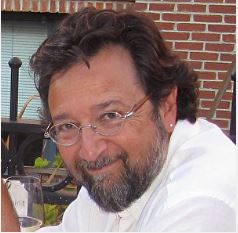
Dan Graziano is an award winning, nationally exhibited artist whose paintings capture the hidden beauty found in the unexpected places and fleeting moments of everyday life. Incorporating dramatic light, shadow, color and perspective, his compositions feature a diversity of subjects – from a simple still life to rugged coastlines, active urban life, lively cafes and bars, small rural towns and forgotten roadside relics. His work has been featured in numerous publications and is in the collections of private and corporate collectors throughout the world.
His artistic vision began taking shape in the 60’s, during America’s explosive political, cultural and artistic awakening. His first formal training focused on advertising and illustration, but a career opportunity in architecture and urban planning altered his original direction.
When he returned to painting, he was drawn to the rich complexity of the urban landscape – inspired by Edward Hopper and other urbanist painters. As an accomplished blues guitarist (his other great passion), he found the city streets, time worn buildings and multiple layers of decay and repair a visual parallel to the spirit and culture of the music.
“My work is influenced by the American realists such as Sargent, Hopper and the three generations of Wyeths along with California painters Wayne Thiebaud and Richard Diebenkorn.”
Stephen Shore’s images from his travels across America in 1972-73 are considered the benchmark for documenting the extraordinary in the ordinary and continue to influence photographers today.
The original edition of American Surfaces, published by Phaidon in 2005, brought together 320 photographs sequenced in the order in which they were originally documented. Now, in the age of Instagram and nearly 50 years after Shore embarked on his cross-country journey, this revised and expanded edition will bring this seminal work back into focus.
Stephen Shore
Stephen Shore is one of the most influential living photographers. His photographs from the 1970s, taken on road trips across America, established him as a pioneer in the use of color in art photography. He is director of the photography program at Bard College, New York.
Teju Cole is a novelist, photographer, critic, curator, and author. He is the Gore Vidal Professor of the Practice of Creative Writing at Harvard.
A new look at antique US railroad maps reveals how cities grew over the past 200 years. The FT’s Alan Smith and Steven Bernard trace how cities, people and the economy spread from coast to coast.

 A selection of three essential articles read aloud from the latest issue of The Economist. This week, how the world’s most powerful country is handling covid-19, China’s decision to impose a security law on Hong Kong threatens a broader reckoning (10:04). And why mercenaries are still hired by African governments (18:30).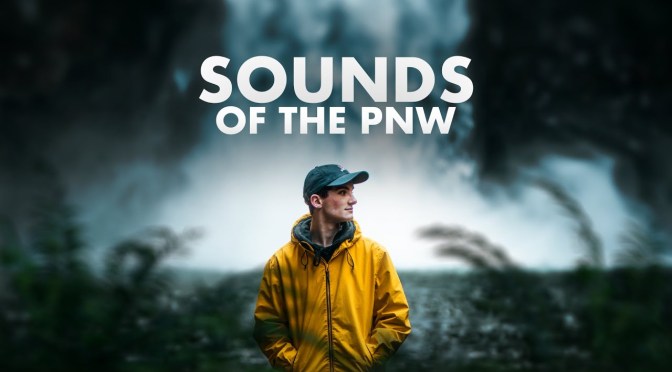

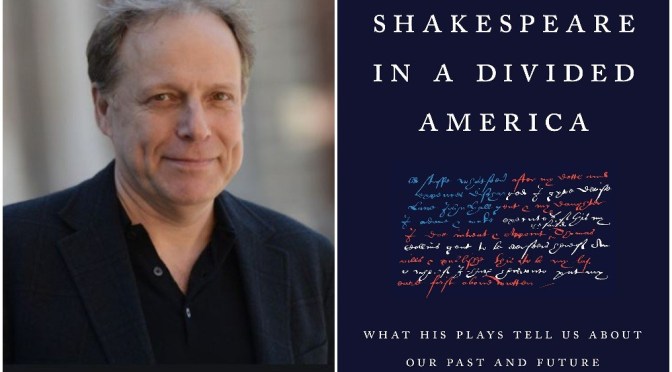
 In a year of plagues, power struggles and star-crossed lovers divided by lockdown, Anne McElvoy asks James Shapiro, author of “Shakespeare in a Divided America”, what the bard would make of it all. Shakespeare is claimed by Americans of all political stripes.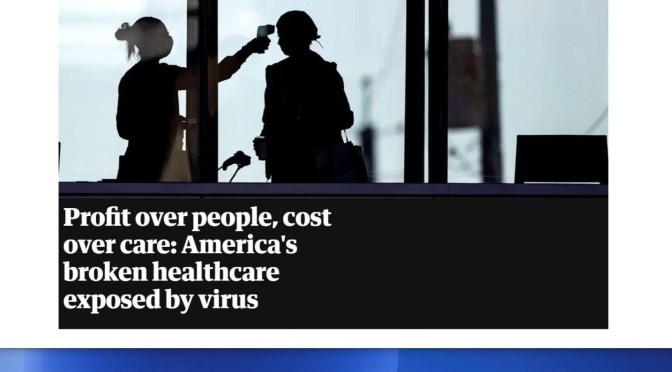
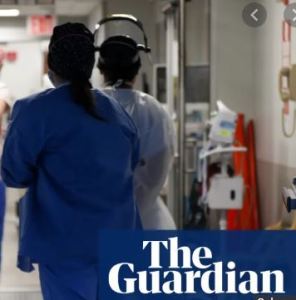 “As this epidemic makes clear, at any moment, any of us could become sick, could become hospitalized, could be on a mechanical ventilator,” said Adam Gaffney, an ICU doctor in Boston. “And that, in the United States, could mean potentially ruinous healthcare costs.”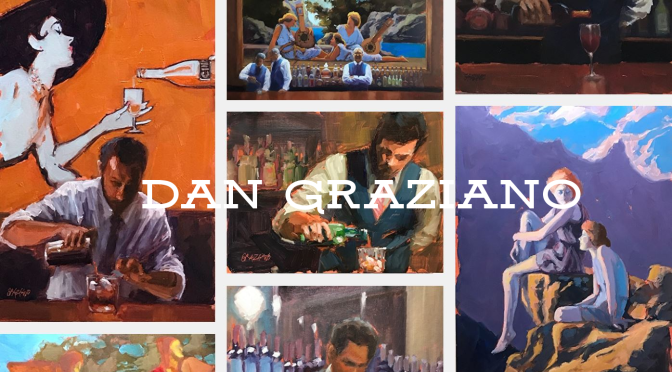
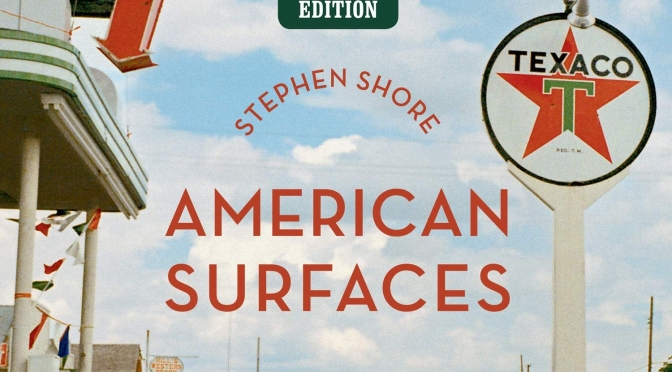
 Stephen Shore’s images from his travels across America in 1972-73 are considered the benchmark for documenting the extraordinary in the ordinary and continue to influence photographers today.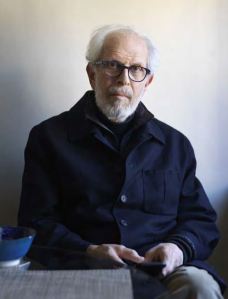


 Boomers Daily