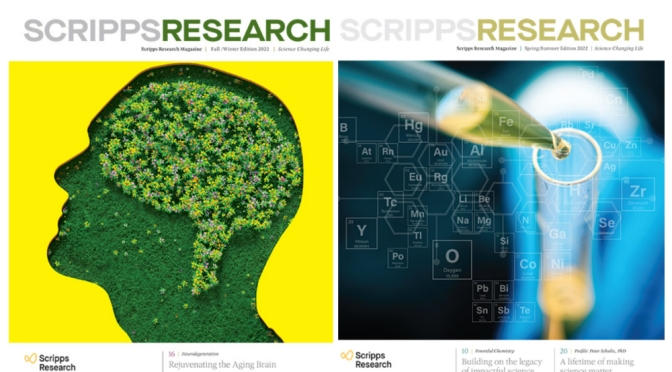
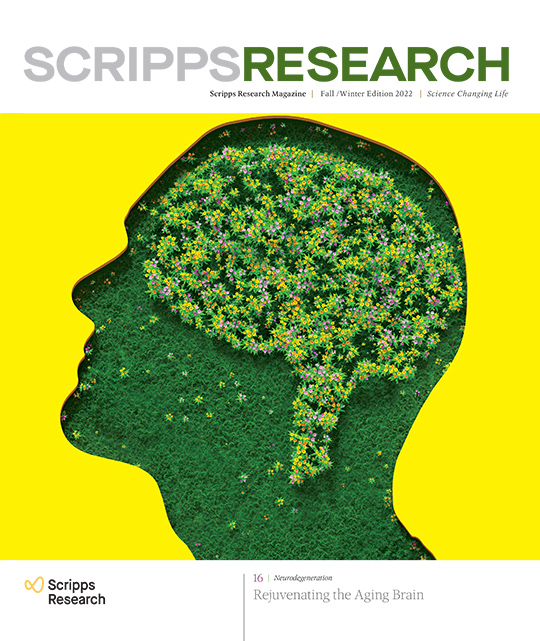
As humans live longer, they’re at increased risk of developing devastating NEURODEGENERATIVE diseases, such as Alzheimer’s—in a treatment landscape with few options and little hope. At Scripps Research, scientists are closer than ever to understanding how these diseases harm the brain and identifying possible drugs to stop them.
“This early preclinical work may identify proteins that protect against cognitive loss. We know it’s a long path to get to a drug, but we’re creating the foundation. We know there’s an entire landscape of potential molecular interactions that maintain healthy synapses, and any of these proteins could be a drug target.”— Hollis Cline, PhD
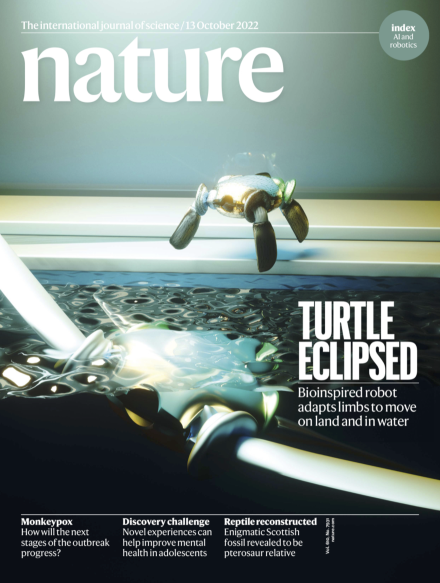
The women and girls facing down Iran’s leaders. Plus: Putin strikes back
For the past few weeks, nationwide protests have gripped Iranafter the death in police custody of Mahsa Amini, a 22-year-old Kurdish woman who had been detained for breaching Islamic dress codes.
Details of what is happening inside the country remain patchy, but social media footage suggests action has been substantial, resulting in mass arrests and scores of deaths. Yet Iran’s repressive state apparatus has not been able to quell the unrest or diminish the morale of protesters, many of whom are young women and schoolgirls.
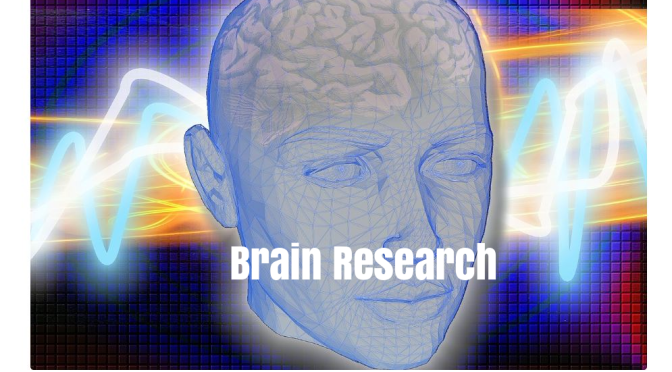
Take an animated look inside the neuron, and learn how scientists are addressing brain disease. With approximately 86 billion neurons in the brain, humans contain the most complex communications network imaginable. To address diseases of brain development and degeneration, neuroscientists are investigating how and why this network breaks down, and what can be done to repair it.
One area of study is dendrites, which are the tree-like structures of neurons, that receive electrical impulses. Researchers are carefully mapping out brain circuits and uncovering how connectivity changes can result in defects of the visual system or behavioral problems. The core section of the neuron is the cell body. Genetic engineering tools are revealing how mutations impact brain development and contribute to autism spectrum disorder or rare, inherited forms of neurological disease.
The transmission of nerve impulses occurs along the axon, which is insulated, much like an electrical wire, by a fatty layer called the myelin sheath. Scientists have invented a medicine to stop the immune system from mistakenly attacking this layer, which occurs during multiple sclerosis. Other molecules currently in development instruct the body to regenerate the sheath and repair damage. The axon also transports valuable cellular cargo, such as neurotransmitters, along tracks from one end of the neuron to the other.
Researchers are testing drug candidates for their ability to remove molecular traffic jams when this transport system fails, as often occurs in Parkinson’s and Alzheimer’s disease. The axon terminals make connections called synapses with other cells, using neurotransmitters as signals. Some scientists are evaluating how finely tuning the receptors for these chemicals could ease depression and anxiety.
Others are finding ways to promote the regrowth of lost synapses, which could halt neurodegeneration. From genetics to behavior, neuroscience is accelerating new interventions for the most challenging disorders of the nervous system.
A selection of three essential articles read aloud from the latest issue of The Economist. This week, the outlook for the world economy, how worried you should be about Elon Musk’s superpowers (12:50), and a study allays fears that covid vaccines harm menstrual cycles (16:50).
How are you connected on the street where you live, the street where you do business, the street you share with neighbors? But how could a smarter street improve your life?
Video timeline:00:00 Building Smarter Cities 00:14 Next Evolution 00:36 ERC Partners
Could technology help guide disabled pedestrians, eliminate traffic bottlenecks, enhance trash collection and pest control, improve emergency services, protect people from environmental and health threats. “Smart Streetscapes,” a new National Science Foundation Engineering Research Center, aims to create livable, safe, and inclusive communities. Learn more on NSF’s “The Discovery Files.”
Set right on the spectacular coast of Cannes, France, La Palme d’Or rests inside the Grand Hyatt Cannes Hotel Martinez. This restaurant has won two Michelin stars, and is most known for its Mediterranean-style dishes. However, the most notable thing about this restaurant is the head chef, who creates bespoke ceramic dishware to for the restaurant to best compliment his unique recipes.
CHEF CHRISTIAN SINICROPI
Some places you fall in love with at first sight and La Palme d’Or is one of them. In the fabulous Art Deco setting of the Hotel Martinez, diners look down on the famous promenade of La Croisette and the Bay of Cannes, while savouring the luxury and refinement so beautifully brought together here. Of course, all this would be worth nothing without high-calibre cuisine. No worries on that score: chef Christian Sinicropi, a local man, has matters entirely in hand. At each stage of the “Mouvements” set menu, he homes in on one ingredient, supporting it with elements from its own ecosystem. The result is coherent and sophisticated, right down to the remarkably precise desserts by Julien Ochando. Definitely worthy of a Golden Palm award.
News, Views and Reviews For The Intellectually Curious















 Boomers Daily