Tag Archives: Times Literary Supplement

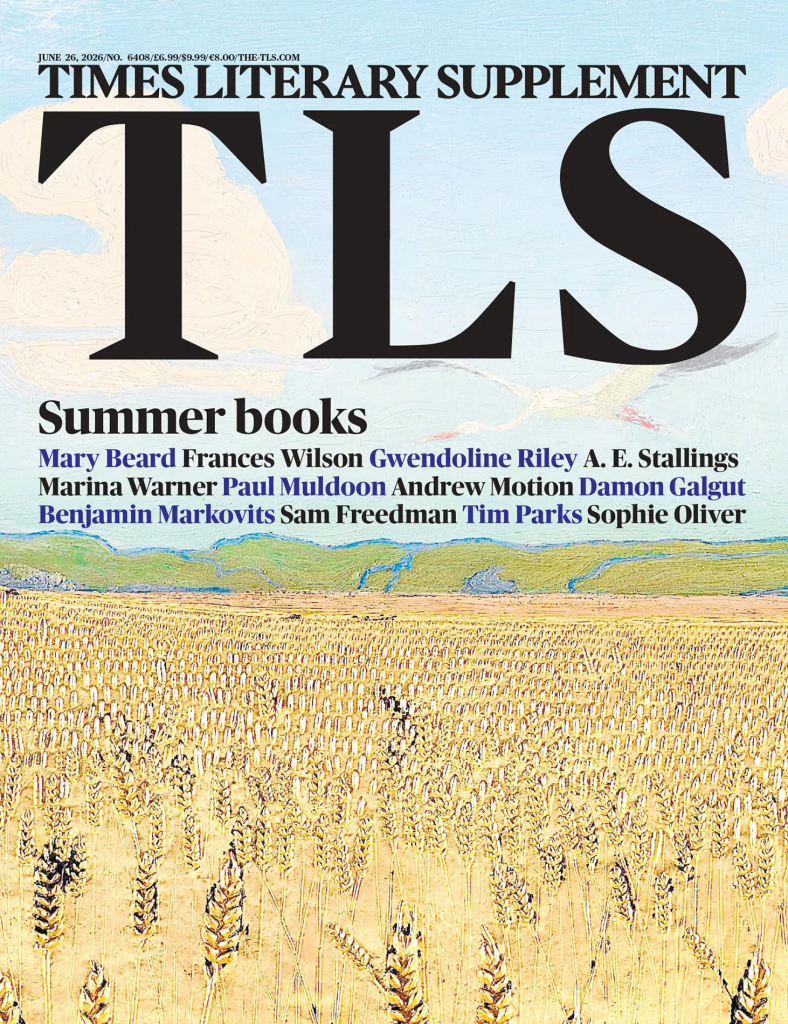
TIMES LITERARY SUPPLEMENT – JUNE 26, 2026 PREVIEW

TIMES LITERARY SUPPLEMENT: The latest issue features

Sexist, sexy or deadly serious?

Critical views of D. H. Lawrence’s notorious novel By Nicholas Murray

Summer books 2026

Thirty-four TLS writers share their holiday reading

Separate and equal

The Declaration of Independence at 250

Infinite test

A showily ingenious novel about the exploitation of attention

TIMES LITERARY SUPPLEMENT – JUNE 12, 2026 PREVIEW

The TLS - Current Issue Cover

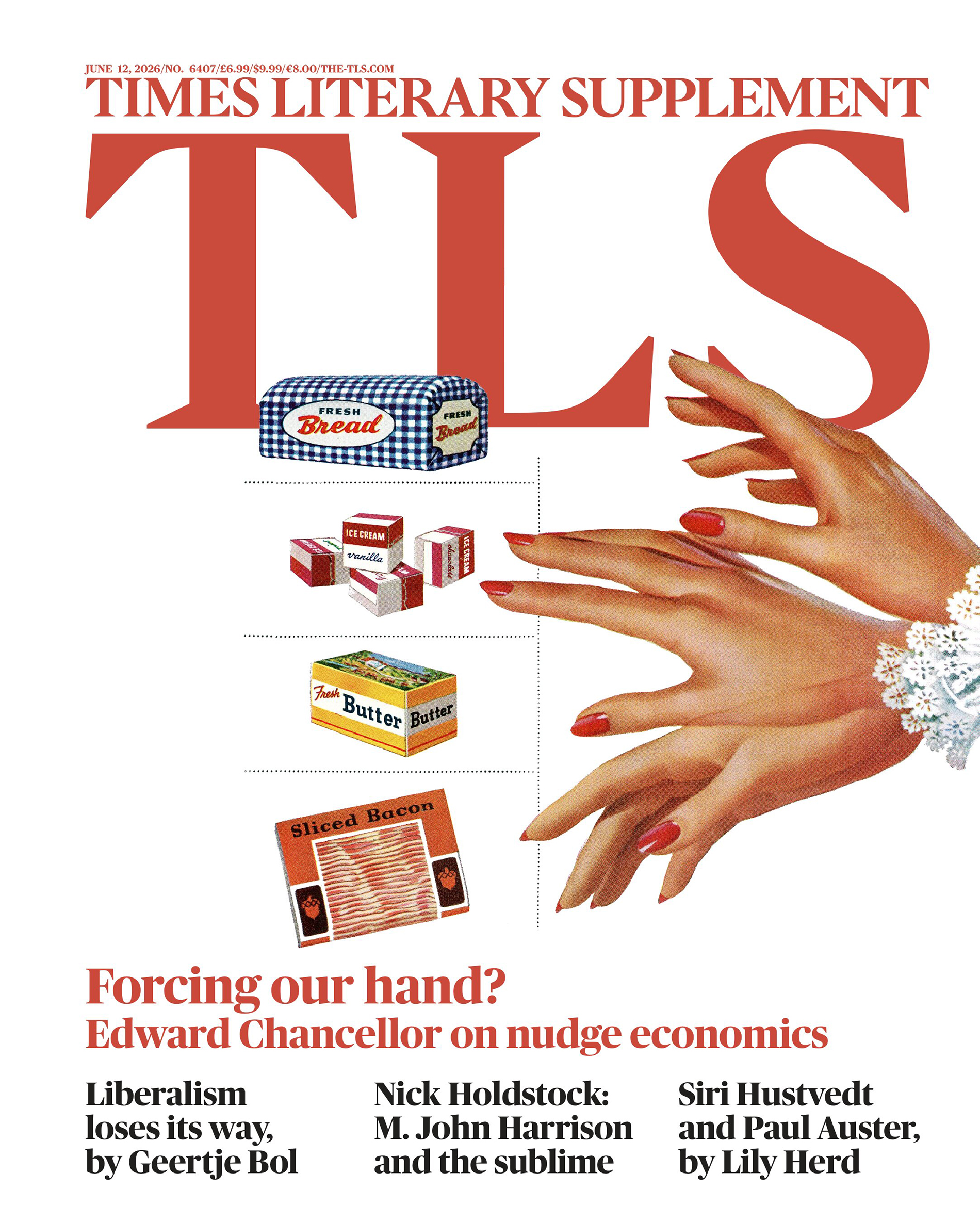
TIMES LITERARY SUPPLEMENT: The latest issue features ‘Forcing our hand?’ – Edward Chancellor on nudge economics….

Hints of evidence

M. John Harrison’s anti-philosophy of the sublime By Nick Holdstock

Who she loved

Mourning a marriage and a creative partnership By Lily Herd

Right question, wrong answer

Cults and the longing for community By Harrison Hill

Hidden persuaders

When behavioural economics meets politics By Edward Chancellor

TIMES LITERARY SUPPLEMENT – MAY 29, 2026 PREVIEW

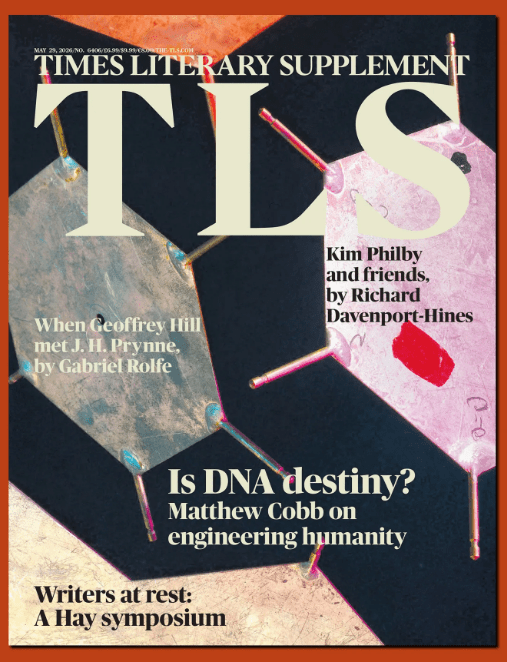
TIMES LITERARY SUPPLEMENT: The latest issue features ‘Is DNA destiny?’ – Matthew Cobb on engineering humanity.

Examining poets

J. H. Prynne and Geoffrey Hill’s clash over ‘hazards in rubric’ By Gabriel Rolfe

Metalheads and quilters

‘Aside from writing, what is your chief distraction, obsession or side-hustle?’ Writers at the Hay Festival reveal their private passions

The traitors

Cold War double agents, their lives and motives By Richard Davenport-Hines

‘I shall feel again, as soon as I dare’

Addictive anthologies of letters and diaries By Dinah Birch

TIMES LITERARY SUPPLEMENT – MAY 15, 2026 PREVIEW

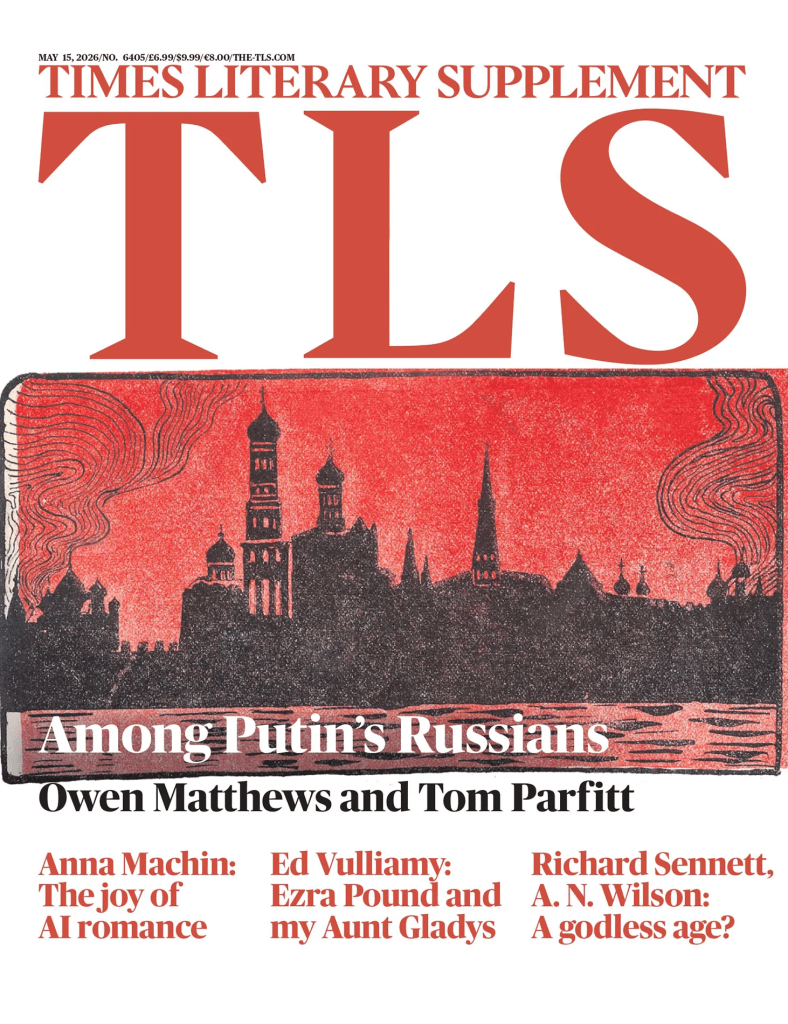
TIMES LITERARY SUPPLEMENT: The latest issue features ‘Among Putin’s Russians’…

Anti-communist or antisemitic?

The ideology behind Hitler’s assault on the Soviet Union By Richard J. Evans

‘Send on anything human’

Previously unseen letters between Ezra Pound and Gladys Hynes By Ed Vulliamy

You say lee-do …

The rise, fall and survival of open-air swimming pools By David Horspool

Main-character syndrome

Video games and political violence By Regina Rini

TIMES LITERARY SUPPLEMENT – MAY 1, 2026 PREVIEW

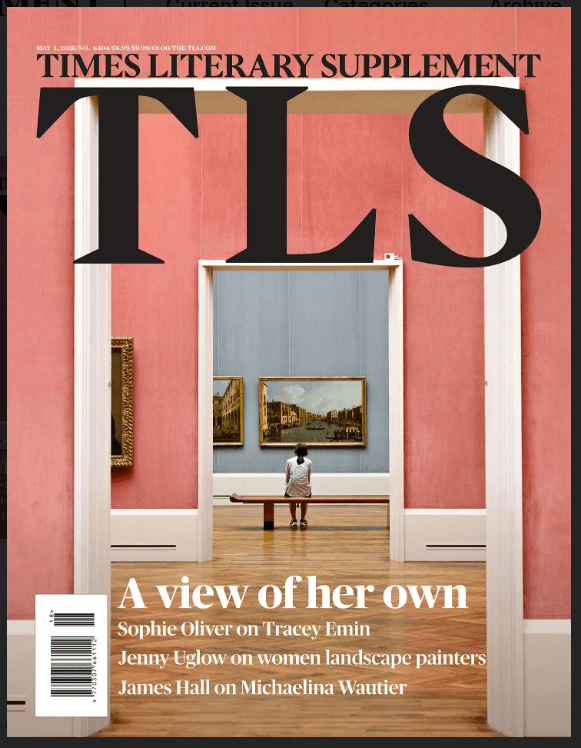
TIMES LITERARY SUPPLEMENT: The latest issue features ‘A View of Her Own’….

Out of nothing

Tracey Emin’s self-fashioning By Sophie Oliver

Amateurs in name only

Women landscape painters reconsidered By Jenny Uglow

Bomb culture

Mankind has escaped nuclear war, for now By P. D. Smith

So close to the United States

Mexico’s challenge to received historical ideas By Benjamin T. Smith

Greedy for light        

The bittersweet contentment of old age By Rory Waterman

TIMES LITERARY SUPPLEMENT – APRIL 17, 2026 PREVIEW

TIMES LITERARY SUPPLEMENT: The latest issue features ‘The many faces of Shakespeare’….

History lessons?

China, America and the danger of war By Philip Zelikow

A man of property

Discovering exactly what Shakespeare owned By Lucy Munro

Go deeper

Blake Morrison’s guide to life writing By Joyce Carol Oates

Out of sheer intention

Writing about others as a means to write about yourself By Catherine Taylor

TIMES LITERARY SUPPLEMENT – APRIL 3, 2026 PREVIEW

TIMES LITERARY SUPPLEMENT: The latest issue features Claude Rawson on the British Imagination; ‘Trump’s Whisperers; Hardy’s breakthrough novel; Thomas Mann today…

Cultural superpower?

An argument for ‘British is best’

The argument of Peter Watson’s hugely ambitious The British Imagination: A history of ideas from Elizabeth I to Elizabeth II is that “The essential arc of British history – intellectual and creative history, just as much as political, economic and military history – is of a small, indeed tiny, country sequestered on the north-west coast of Europe that over the centuries would forge the largest and most unlikely empire the world has seen”. It may seem odd to be reading this in the present depressed state of the nation, although Watson stresses from the outset that the concept of “the British imagination” embraces its hospitality to foreign influences and eventually to the power of a wider “Anglosphere”.

English virtue battles the pagan

The genesis of Far from the Madding Crowd

The texture of etcetera

What smartphones can’t record

Freeing Thomas Mann

Modern English translations that do justice to the work

TIMES LITERARY SUPPLEMENT – MARCH 20, 2026 PREVIEW

The TLS - Current Issue Cover

TIMES LITERARY SUPPLEMENT: The latest issue features William Golding’s beast within; the many lives of W. H. Auden; Palantir spreads; the spirit of the Risorgimento; Ishiguro on film; experiencing consciousness – and much more.

Darkness visible

The struggle between good and evil in William Golding’s fiction By Alan Jenkins

Clock stopper

The many lives of W. H. Auden By Ian Sansom

All-seeing eye

Alex Karp, CEO of Palantir, the controversial US tech company By Emily Jones

The feeling of being alive

Why do we experience consciousness?

TIMES LITERARY SUPPLEMENT – JANUARY 23, 2026 PREVIEW

Fluff and puff' at the TS Eliot Prize

TIMES LITERARY SUPPLEMENT: The latest issue features ‘The state of British poetry’ by Tristram Fane Saunders…

Anon and on

The forward march of British poetry

By Tristram Fane Saunders

First class delivery?

A history of childbirth and a defence of the C-section

By Leah Hazard

Portraits of the ‘Black Venus’

Newly discovered photographs of Baudelaire’s muse

By Maria C. Scott

Fathoms deep

The thrill of marine archaeology

By Alan Jenkins

TIMES LITERARY SUPPLEMENT – JANUARY 9, 2026 PREVIEW

TIMES LITERARY SUPPLEMENT: The latest issue features ‘Constable vs Turner’ by Ferdinand Mount….

As unalike as ever

Turner is on our banknotes, Constable in our hearts By Ferdinand Mount

Coming out of Tate Britain just before noon on Budget Day, you are blinded by a blistering white sun behind Vauxhall Cross. The steepling glass towers south of the river are washed in an opal mist, the ziggurats of the MI6 HQ eclipsed to a ruined beige. Vauxhall Bridge gleams in the scarlet and yellow of a Turner sunset. J. M. W. would have rushed to the Embankment, whipped out his sketchbook, then worked up the whole shimmering scene into a six-footer and called it something like “The End of England”. John Constable would probably have turned away to catch the next coach to Hampstead Heath to paint Branch Hill Pond again.

‘One day, they’ll find me out’

How the young Dylan Thomas repeatedly stole from others By Alessandro Gallenzi

Mother was always right

A love-hate relationship recalled by France’s ‘greatest living writer’ By Marie Darrieussecq

The notebook fallacy

Why stylish stationery won’t change your life By Ian Sansom