An exhibition at the Metropolitan Museum of Art displays the extravagant Tudor taste for jewels, artworks, tapestries, and other finery.
The Tudors: Art and Majesty in Renaissance England an exhibition at the Metropolitan Museum of Art, New York City, October 10, 2022–January 8, 2023; the Cleveland Museum of Art, February 26–May 14, 2023; and the Legion of Honor, San Francisco, June 24–September 24, 2023
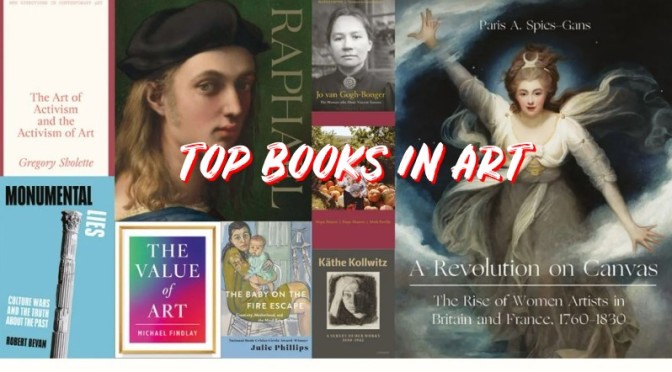
The Art Newspaper (December 6, 2022) – The books team at The Art Newspaper has waded through the piles of art tomes published this year so you don’t have too. Below, each editor has picked three publications that shone through in 2022.
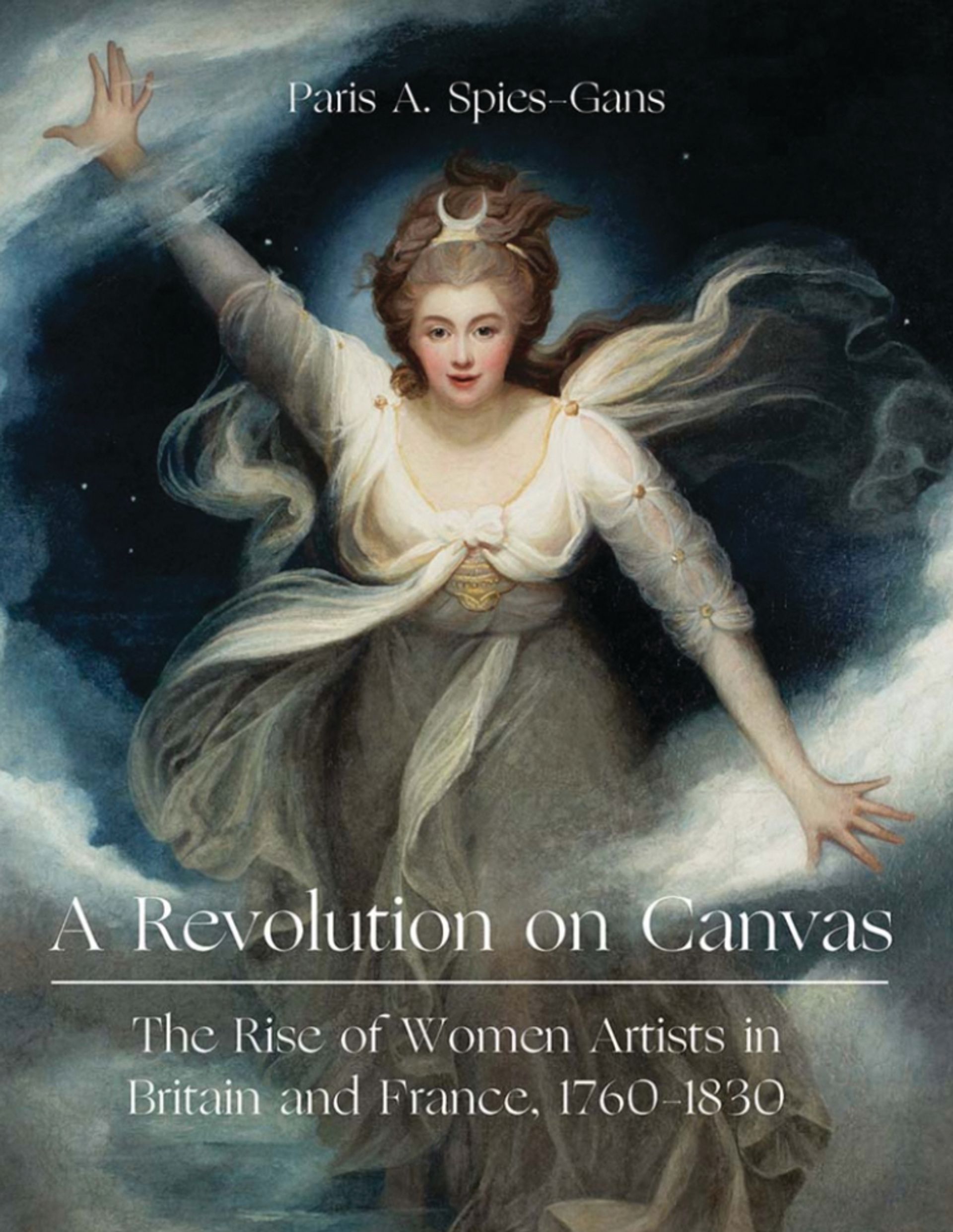
A Revolution on Canvas: The Rise of Women Artists in Britain and France 1760-1830 by Paris A. Spies-Gans (Paul Mellon Centre/Yale)
The miniaturist Sarah Biffen (subject of the excellent Without Hands show at Philip Mould gallery in London, until 12 December, and accompanying publication), born with no arms or legs, was one of many professional women artists to exhibit in major venues in Paris and London between 1760 and 1830, beyond the few currently celebrated (Angelica Kauffman, Élisabeth Vigée Le Brun, etc.), as Spies-Gans’s exhaustive, groundbreaking research reveals in this beautifully produced book.
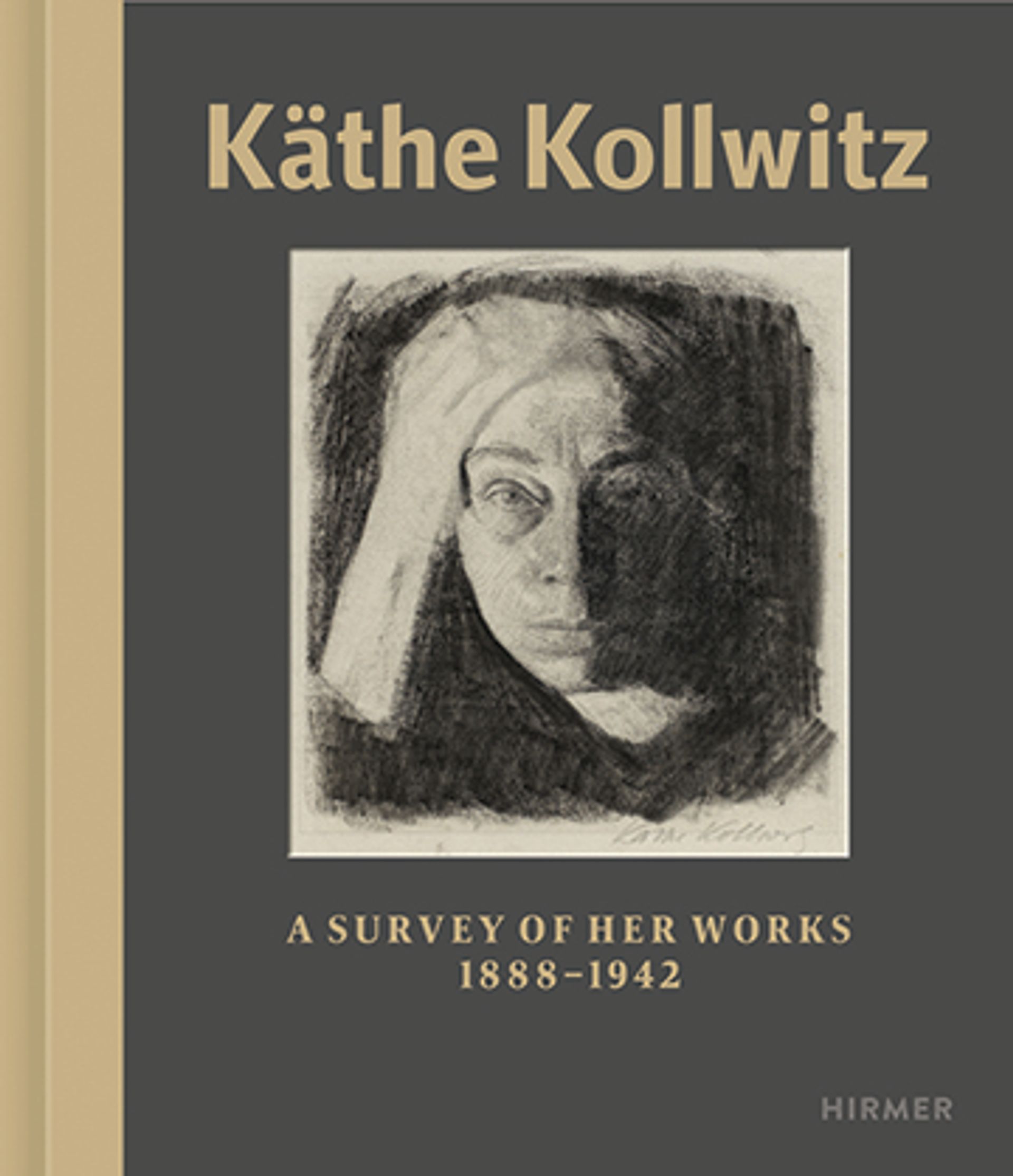
Käthe Kollwitz: A Survey of Her Works 1888-1942, edited by Hannelore Fischer (Hirmer/Käthe Kollwitz Museum)
This year has been a particularly good one for stand-alone publishing on historic and Modern women artists, and women’s significant influence within the international art world—fingers crossed this signals a shift (at last) from niche to mainstream. Honourable mention goes to Lund Humphries’s Illuminating Women Artists series, with two books in the bag (Luisa Roldán and Artemisia Gentileschi) and two more scheduled for 2023 (Elisabetta Sirani and Rosalba Carriera). It was a brutal selection process, but the first of my top three, from the many excellent books we reviewed over the last year, is Fischer’s Käthe Kollwitz. Kollwitz’s brilliance requires no introduction, but this exquisitely illustrated survey, while exploring her many iconic works, draws attention to lesser-known imagery including her subtly erotic subjects.
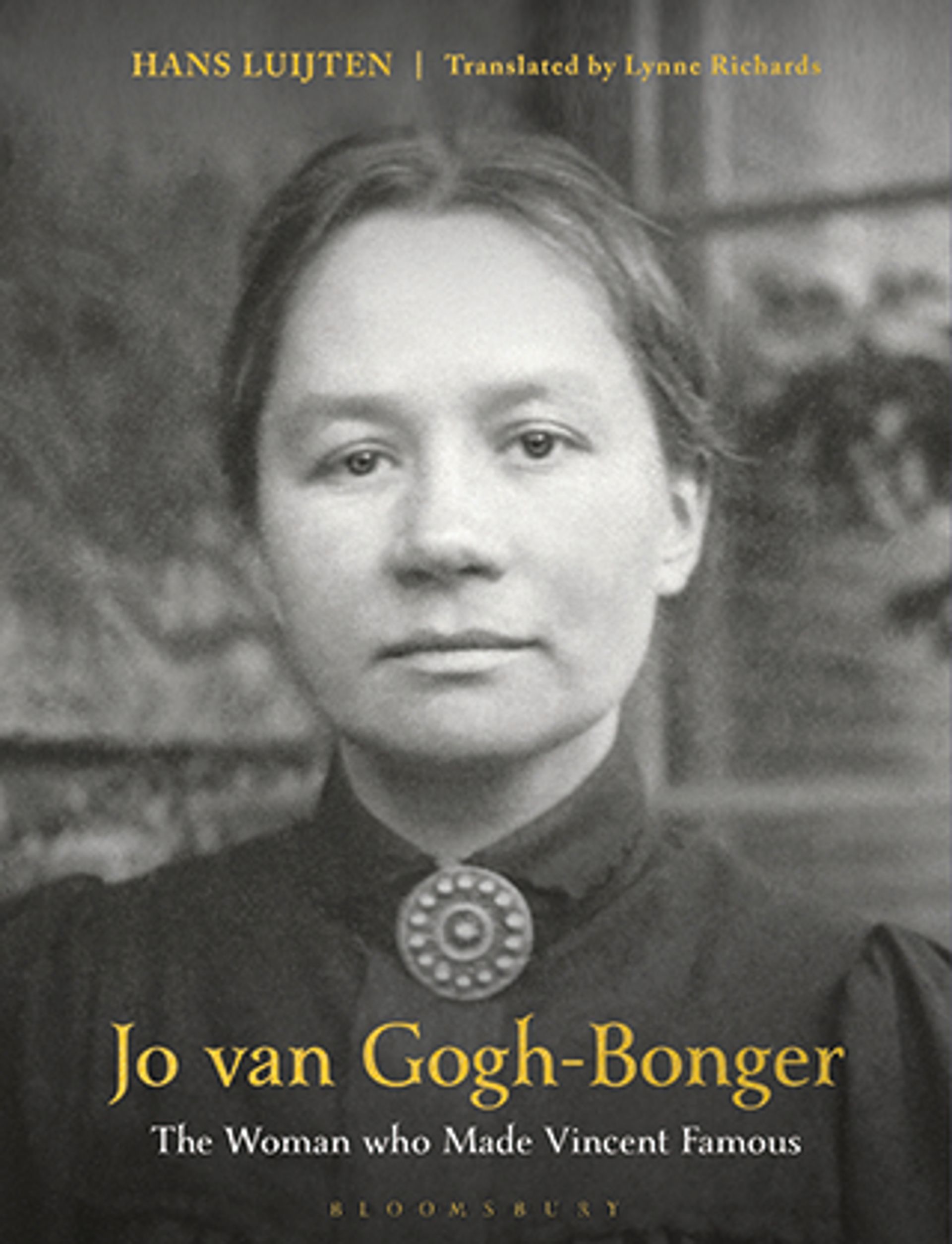
Jo van Gogh-Bonger: The Woman Who Made Vincent Famous by Hans Luijten, translated by Lynne Richards (Bloomsbury)
Chicago University Press’s first English translation of the Parisian art dealer Berthe Weill’s 1933 memoir was pipped to the post by this superb biography of the equally extraordinary Jo van Gogh-Bonger. So much has been written on Vincent van Gogh that you wonder what more can be said. It turns out much more on the woman who was the early driving force behind the Dutch artist’s legacy.
Gareth Harris, book club co-editor and chief contributing editor
Monumental Lies: Culture Wars and the Truth About the Past by Robert Bevan (Verso)
More and more commentators are making their voices heard in the clamour around today’s so-called “culture wars”, outlining the ideologies behind the destruction of, for instance, historic statues. Bevan astutely argues that those who manipulate our cultural past are shaping our future, making the case that historic buildings have become battlegrounds for right-wing and nationalist political arguments. Interestingly, he also questions the authority of Unesco. In one of many polemics, he says: “At the same time as its role in protecting culture has become suffocated by national interests, Unesco now appears to operate on the premise that any wartime damage should be undone.”
The Value of Art by Michael Findlay (Prestel)
This updated version of The Value of Art, first published in 2012, features important new material, focusing on, for instance, the rise of NFTs. Findlay asks, “where are the NFT art critics?… there is little discourse on the relative aesthetic qualities of the images themselves”. He also has strong opinions on “protest art”, saying: “In very broad terms, artists represent the protesting class while collectors represent the museum trustee class, and while the cultural ecosystem needs both, on issues of social justice they are often on different sides of the barricades.”
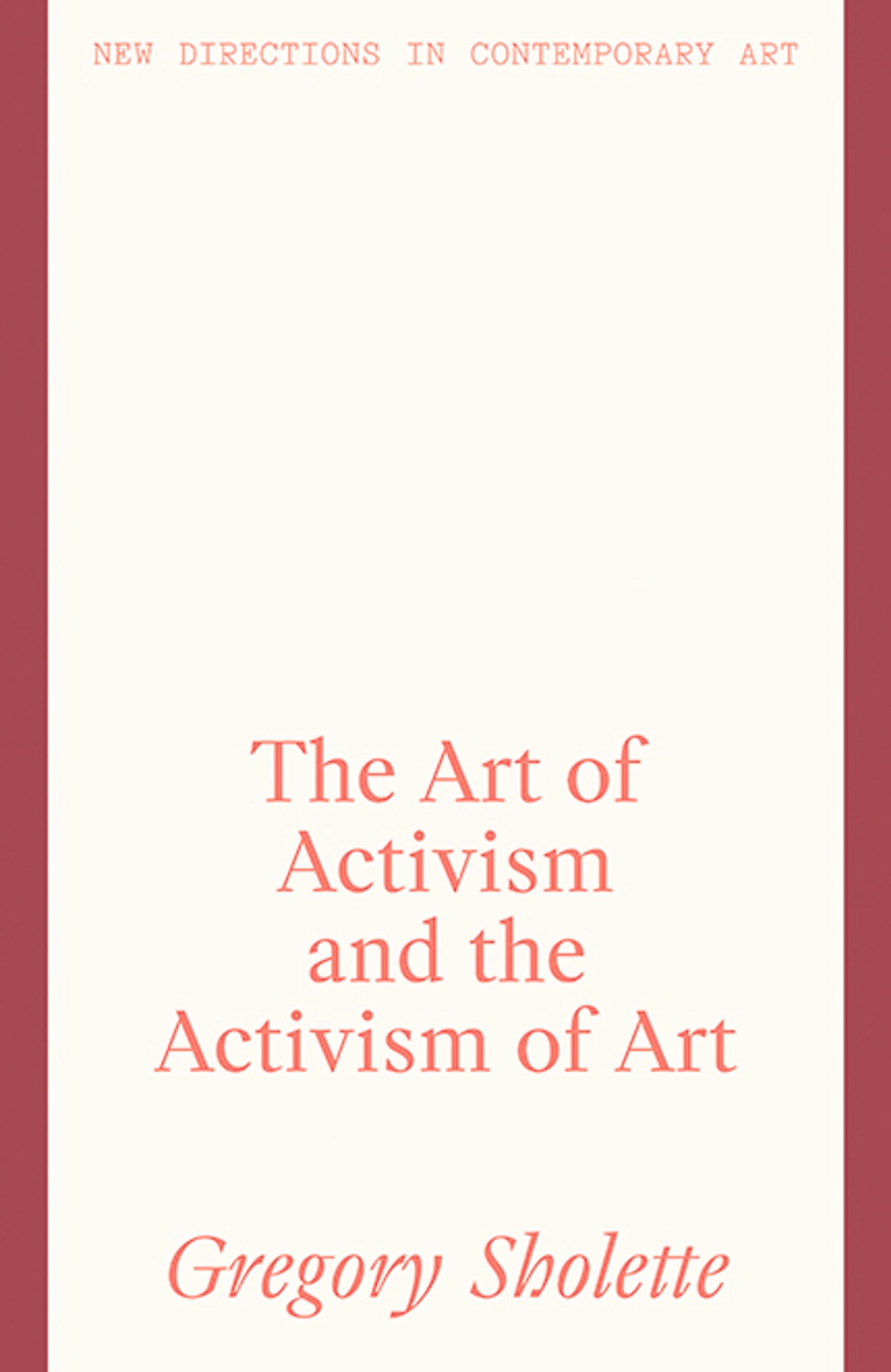
The Art of Activism and the Activism of Art by Gregory Sholette (Lund Humphries)
As a key member of the activist group Gulf Labor Coalition, Gregory Sholette has a unique perspective. Sholette examines this fascinating subject “from the perspective of an artist and activist who has been active in the field since the 1980s,” writes the art historian Marcus Verhagen in the introduction. This informed analysis spans more than 60 years of art activism, from the Situationist International group of social revolutionaries (1957-72), which directly engaged with the student uprisings in Paris in May 1968, to Black Lives Matter today, which has “unquestionably set a new high bar for protest aesthetics”, Sholette says.
José da Silva, book club co-editor and exhibitions editor
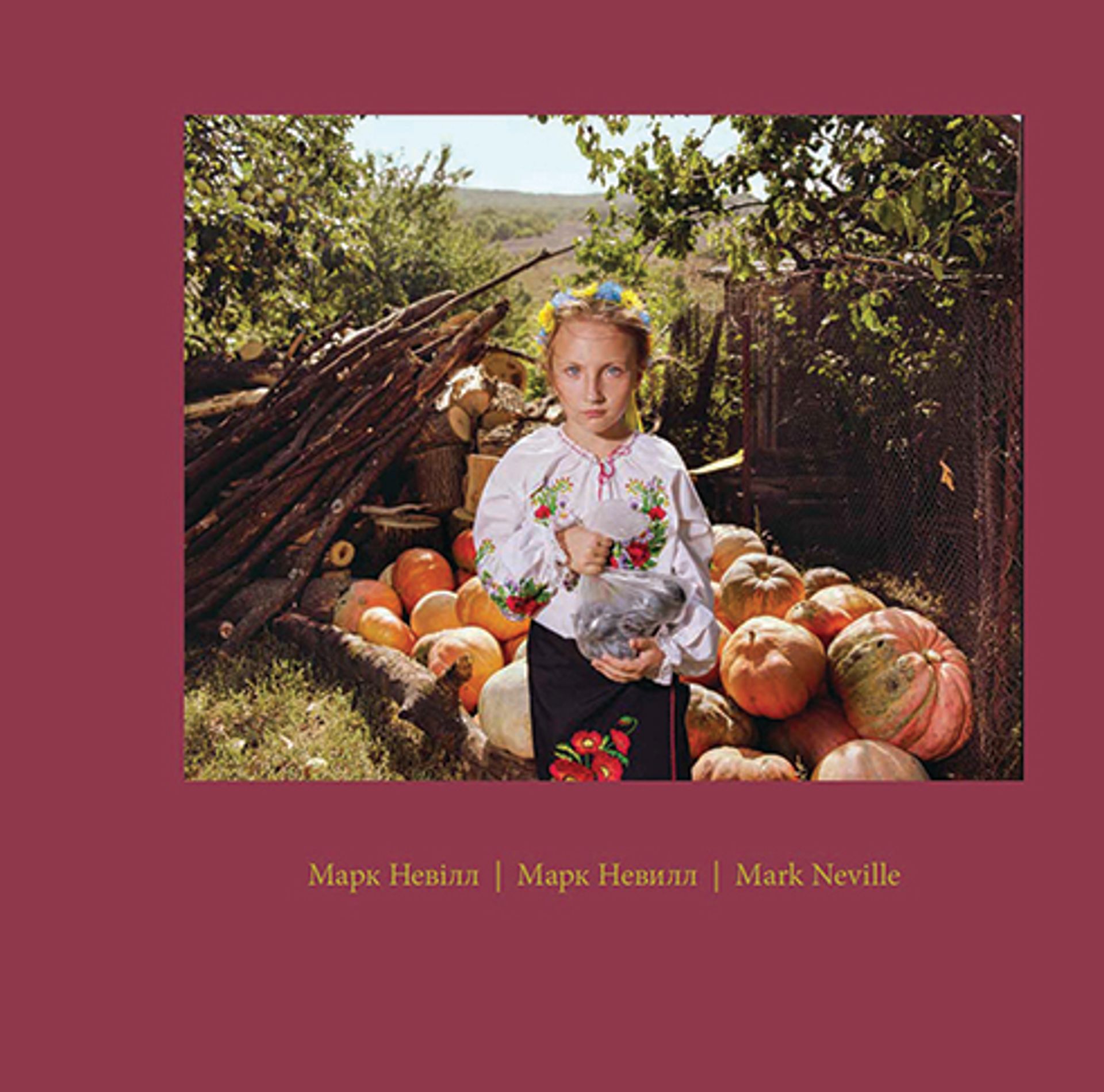
Stop Tanks With Books by Mark Neville (Nazraeli Press)
Neville’s photobook of Ukrainian life before Russia’s invasion in February is both a call to arms—the photographer sent 750 free copies to influential people who might “have it in their power to help Ukraine”—and a stark reminder that Ukraine was already at war in its east, as depicted in the photographs of soldiers manning trenches and checkpoints. However, it is the tender portraits of everyday life—people at the beach, in school, at a rave, eating ice cream—that really bring home the tragedy that has unfolded in Ukraine.
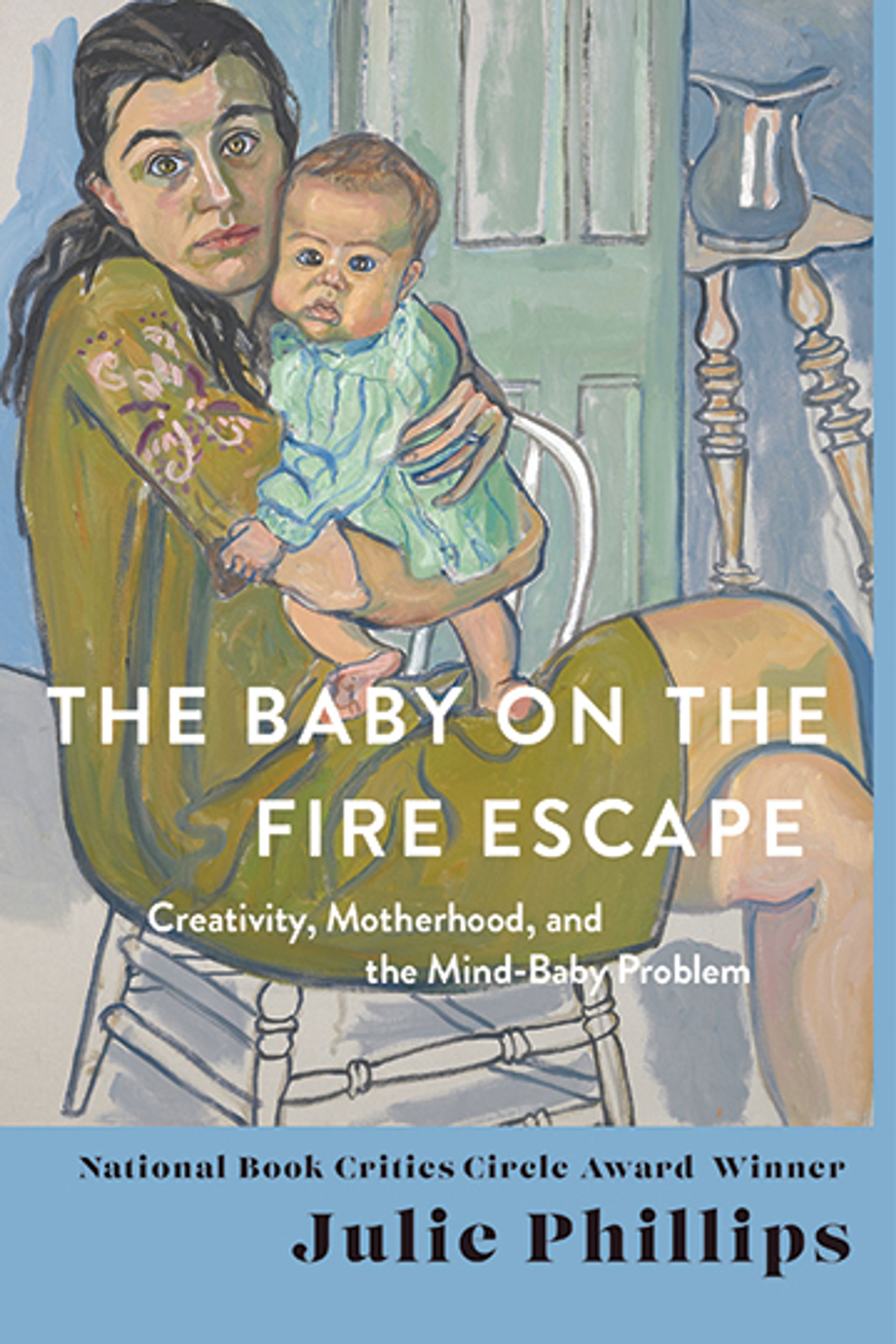
The Baby on the Fire Escape: Creativity, Motherhood and the Mind-Baby Problem by Julie Phillips (W. W. Norton & Company)
While most of the case studies in this book are from the literary world, the opening section on Alice Neel is a searing account of the complexities of balancing (or not) being a mother and an artist—and the often heavy price women pay. Neel, for example, can sometimes come across as brutal and uncaring, but these labels would rarely be used to describe an artist father in the same situation. Neel said that for much of her life she felt she “didn’t have the right to paint because I had two sons”. The book explores the difficult issues around the subject with no judgment and or neat conclusions—and is all the richer for it.
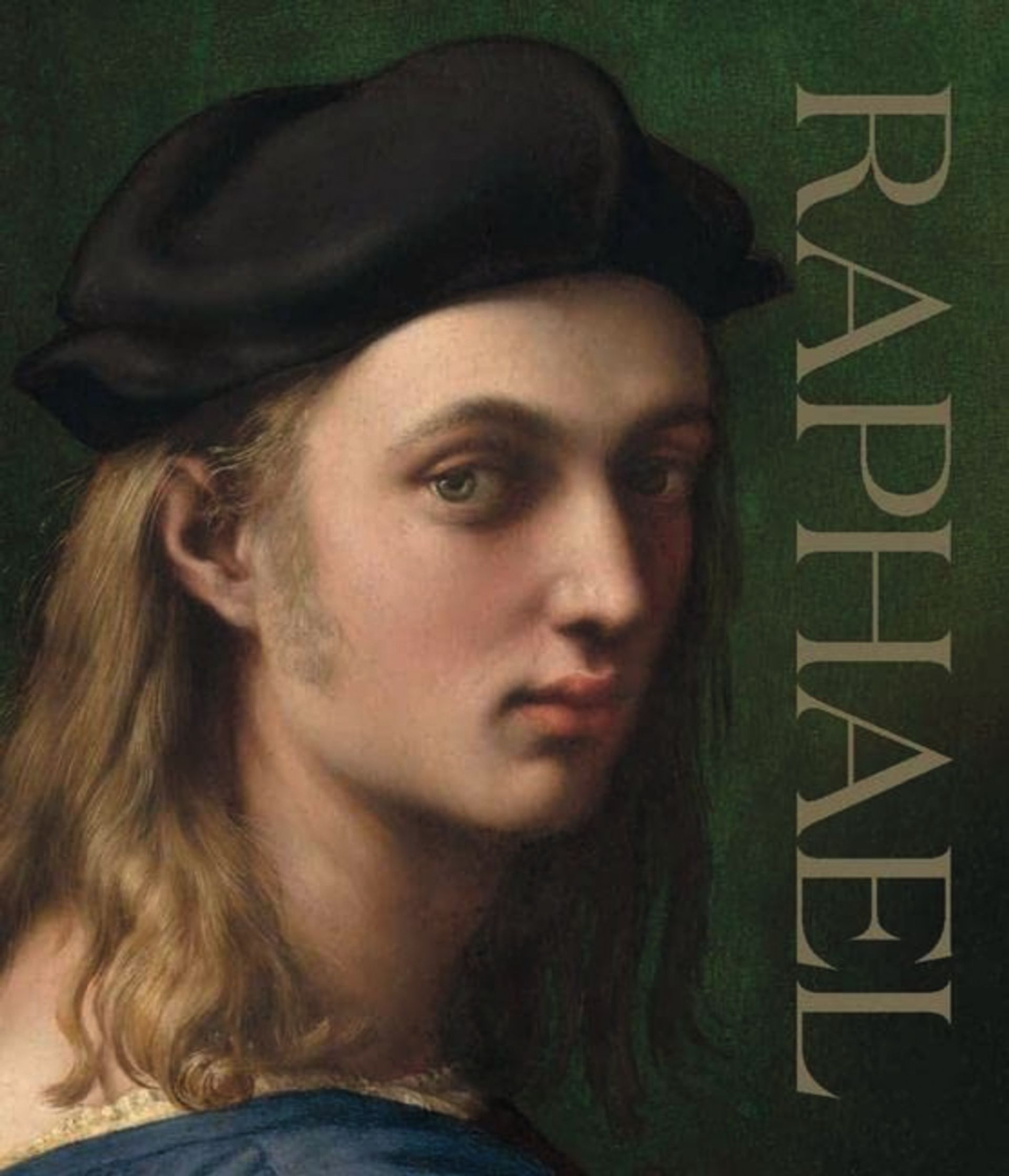
Raphael by David Ekserdjian, Tom Henry et al. (National Gallery Global Ltd)
If you missed the standout Raphael show at London’s National Gallery earlier this year, its catalogue is the next best thing. The rich imagery and texts make it the perfect coffee table book for art history buffs to dip into over the holiday season. There are also tasty titbits to tell the family over Christmas lunch, such as the belief that the Vatican’s foundations began cracking at news of Raphael’s death. Or when Munich’s Alte Pinakothek sold Raphael’s masterpiece Bindo Altoviti because it was believed at the time to have been painted by his assistant Giulio Romano, to buy what turned out to be a discredited Matthias Grünewald…
When McKinsey Comes to Town: The Hidden Influence of the World’s Most Powerful Consulting Firm by Walt Bogdanich and Michael Forsythe.
The primary product sold by all management consultants – both software developers and strategic organisers – is the theology of capital. This holds that workers are expendable. They can be replaced by machines, or by harder-working employees grateful they weren’t let go in the last round of redundancies. Managers are necessary to the functioning of corporations – or universities, or non-profit organisations – and the more of them the better.
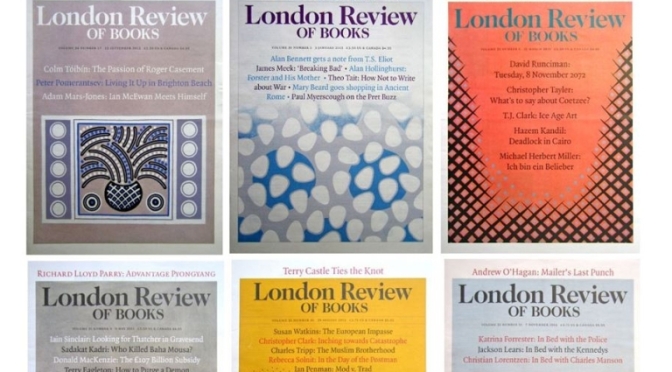
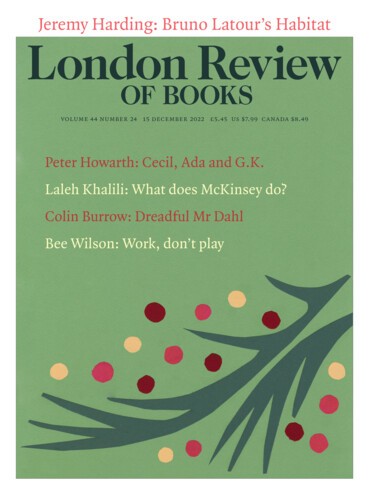
Writing about the press by Andrew O’Hagan, Ross McKibbin, Jenny Diski, James Meek, Suzanne Moore, Mary-Kay Wilmers, Alan Rusbridger, Thomas Nagel and Raymond Williams.
ClassicDriver (December 6, 2022) – This stunning piece of automotive sculpture is a 1955 Porsche 356, and as the eagle-eyed among you will notice, this particular car is a very rare Pre-A model. As some of the earliest cars Porsche ever built, these Pre-A 356s were once disregarded by enthusiasts in favour of the faster and more modern 356 B and C models. However, what the Pre-A 356s lacked in outright pace, they made up for with their undeniable purity of design. We think you’ll agree, this particular example is quite the looker.
Long COVID is a poorly understood condition, with a wide spectrum of effects on multiple body systems and variable presentation in different individuals. Long COVID is of particular concern among older people (ie, aged 65 years or older), who are at greater risk than younger people of persisting symptoms associated with COVID-19. In addition, COVID-19 might trigger or exacerbate chronic conditions that occur commonly in older people, such as cardiovascular diseases, respiratory diseases, neurodegenerative conditions, and functional decline.
It is widely thought that lifespans are increasing globally. However, life expectancy has begun to stagnate in the UK, and is falling in more than 50 countries including the USA. Lifespan stagnation or decrease is a consequence of socioeconomic inequalities, lifestyle factors, and the COVID-19 pandemic. In the UK, the National Health Service spends vast sums treating chronic diseases; by some estimates, 40% of its costs go to treating preventable conditions.
The relationship of measures of age-related hearing loss such as pure-tone autiometry might not be as consistently associated with risk of dementia as previous studies have suggested. Peripheral age-related hearing loss has been posited as a midlife risk factor for dementia.
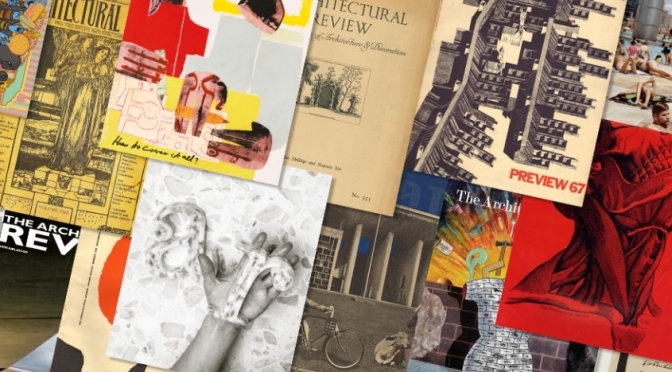
The Architectural Review December 2022 issue: Whether it’s a house, a room or a collection of objects, homes are the imprint of the people who inhabit them. Described as the ‘detritus of life’ by Sam Johnson-Schlee in this issue’s keynote, the remnants of our daily lives can say much about who we are, while the possessions we choose to display around us say more about how we want to be seen.
Charles Jencks and Maggie Keswick | Anupama Kundoo | Margarete Schütte-Lihotzky | João Batista Vilanova Artigas | Laurie Simmons | Kochi Architects Studio | Ekar Architects | Atelier Tho.A | Chat Architects | Fernanda Canales Arquitectura | Brillhart Architecture
Very few people have the resources to realise the house of their dreams, yet the results can be extraordinary. From the London home of Charles Jencks and Maggie Keswick, which is a manifestation of their postmodern fantasies, to the local materials and construction techniques of Anupama Kundoo’s Wall House in Auroville, this issue revisits houses designed by architects for themselves, and sometimes their families. Also celebrated are the winning projects of the 2022 AR House Awards, featuring innovative and intriguing dwellings from Mexico, Japan, Thailand, Vietnam and the Bahamas.
National Institute on Aging – As 2022 comes to a close, NIA invites you to explore some of the most popular health information topics from this past year:
— Shingles is a disease that triggers a painful skin rash. About one in three people will get shingles, but there is a vaccine for older adults to help prevent the disease.
NASA Goddard – This video celebrates the 50th anniversary of Apollo 17 by talking with Lunar Module Pilot Jack Schmitt about the significance of that mission and how it laid the groundwork for future human exploration of the Moon.
Jack also discusses how the Lunar Reconnaissance Orbiter, which launched in 2009, has helped reinterpret Apollo-era data and given us new information about the lunar terrain that will help pave the way for the upcoming Artemis missions.
Apollo 17 was the sixth and final Apollo mission to land on the Moon. Following a 2-hour 40-minute delay, it launched at 11:33 p.m. CST on December 6, 1972, the only night launch of the Apollo program. Prior missions had explored the Moon’s early volcanic history and the role of large impact basins such as Imbrium. Accordingly, Apollo 17 was planned to collect ancient highlands crustal material far from the Imbrium basin and to search for possible young lunar volcanic activity, which would help to constrain our knowledge of the Moon’s thermal evolution.
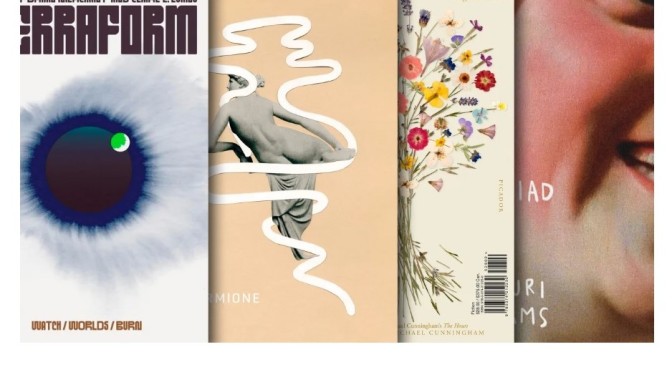
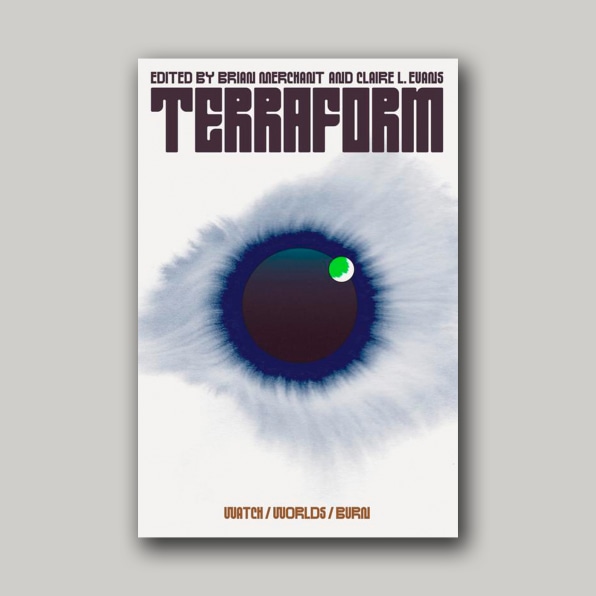
“This cover feels simultaneously classic and entirely new. It’s slightly reminiscent of 1970s science fiction covers (albeit much more restrained), and yet I’ve never seen anything quite like it. That custom type! That illustration! Is it a world? An eye? Something else? All of the above? As a reader, I don’t typically gravitate toward sci-fi, but this cover is so compelling that it made me immediately want to buy the book.”
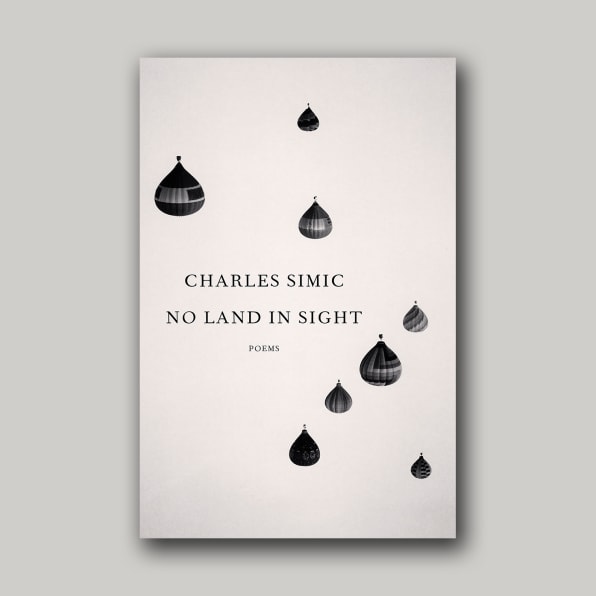
“There were so many eye-catching covers this year, but the one that constantly stood out for me because of its stunning simplicity, beauty and mystery was designed by John Gall: No Land in Sight. In a sea of gorgeous covers exploding with kaleidoscopic colorful backgrounds, with elements twisting and intertwining, with the title and author type set in sans-serif condensed fonts, Gall’s cover was refreshing for its clean layout, tasteful typography, elements that are balanced and non-overlapping, in an austere monochromatic palette. Timeless.”
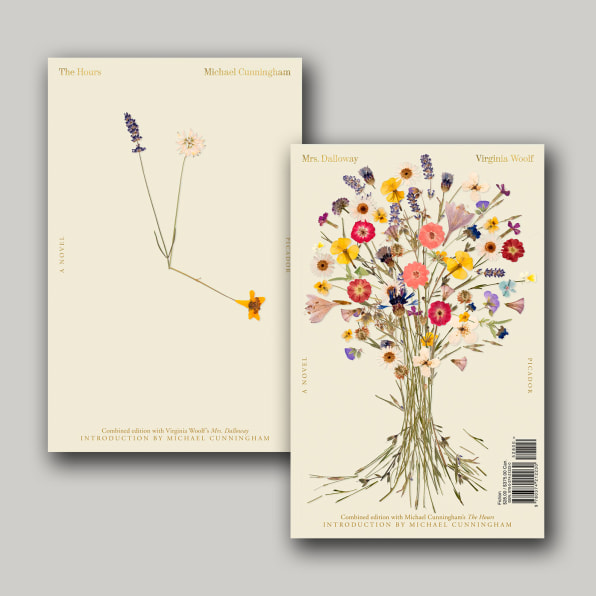
[Cover Images: Picador]
MRS. DALLOWAY & THE HOURS, DESIGNED BY PABLO DELCAN
“The whole package is stunning and smart—words I use a lot to describe Pablo Delcan’s works. The covers evoke introspectiveness and intimacy in such a beautiful way. Everything from the type to the flower placement feels considered and intentional. I love how both sides mirror and work with each other visually and conceptually.”
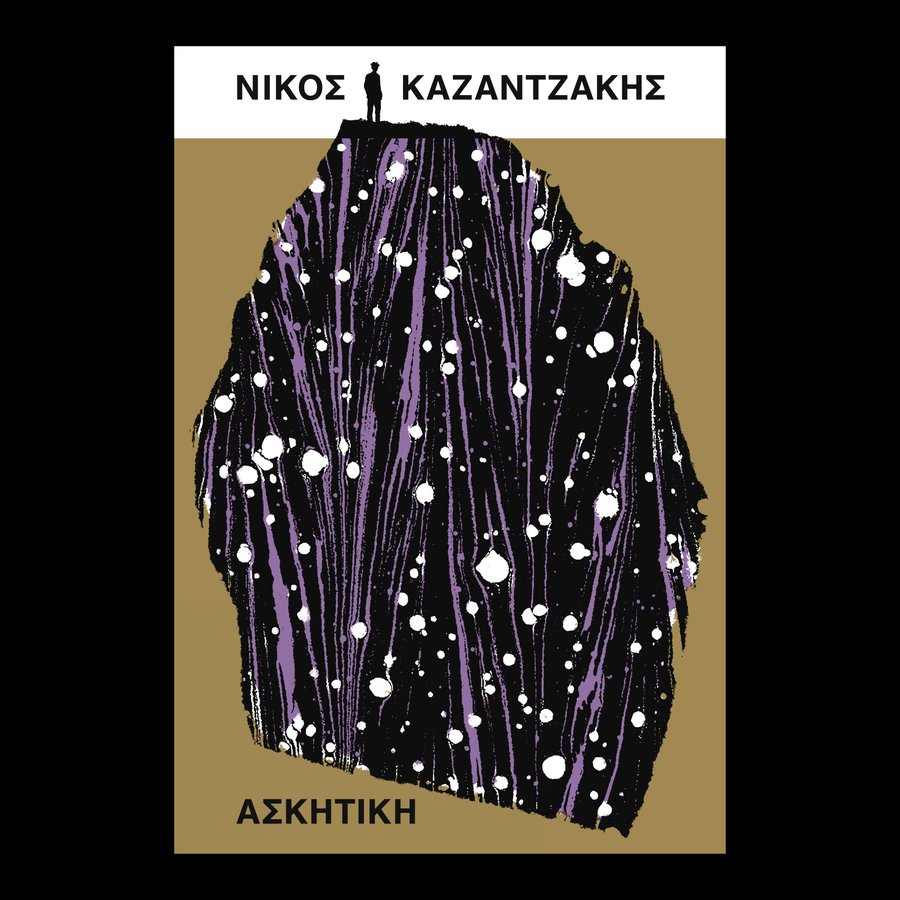
“This cover is a feast of dualities: both a figurative scene and an abstract texture; a figure seen far off in the distance and a marbled paper viewed at almost 1:1 in scale; a formal, rigid, block colored layout, and a big, expressive interruption in the middle. The slightly muted colors are so refreshing, especially in a year when we’re reaching peak ‘pop,’ and David shows us here that you don’t need neon Pantones or massive type to create a big, bold, absorbing cover. I love that the type is almost pushed to the peripheries by the sprawl of the illustration, as if it’s something that’s happened over centuries; it makes everything feel massive in scale. Also, the silhouette of the figure is from a photo of the author, which is a perfect Pearson point of detail! There are worlds existing in this book cover, and I find it very easy to get lost in them.”
CNET (December 4, 2022) – Archer Aviation introduced its first production model eVTOL that’s called Midnight, an electric air taxi designed for high-demand urban flights. United Airlines has put down a deposit for 100 Midnights to begin passenger service in 2025.
Video timeline: 0:00 Intro 0:55 Midnight eVTOL 1:54 Maker Prototype Test Flight 2:29 Archer x United 3:26 Conclusion
News, Views and Reviews For The Intellectually Curious


















 Boomers Daily