
Category Archives: Journals

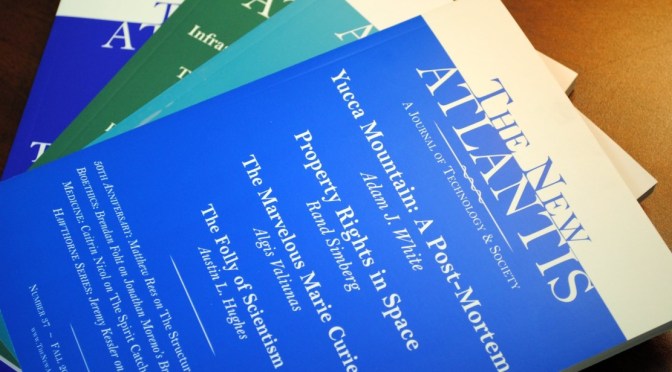
THE NEW ATLANTIS JOURNAL – SUMMER 2026 PREVIEW

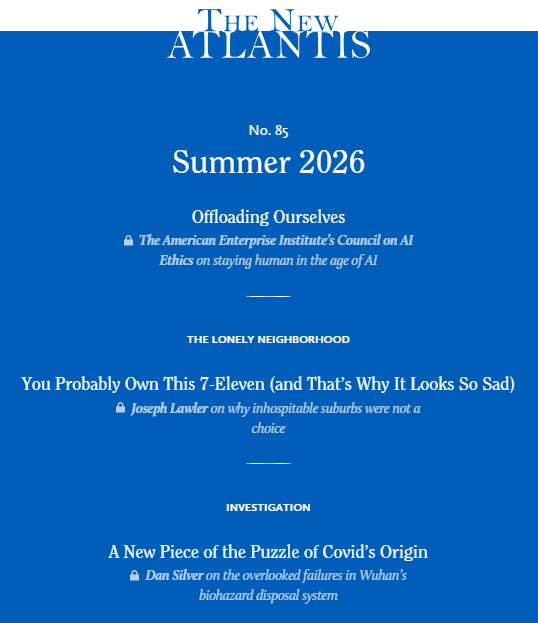
THE NEW ATLANTIS JOURNAL: The latest issue features…

Offloading Ourselves

An inquiry into staying human in the age of AI

A New Piece of the Puzzle of Covid’s Origin

Wuhan’s biohazard disposal system suffered a cascade of failures in the months leading up to Covid: new revelations that official investigators have overlooked

You Probably Own This 7-Eleven (and That’s Why It Looks So Sad)

The qualities that make built places charming are best stewarded by people who live there. But America’s soul-crushing suburban districts are now owned by people far away — people who don’t even know they’re owners at all.

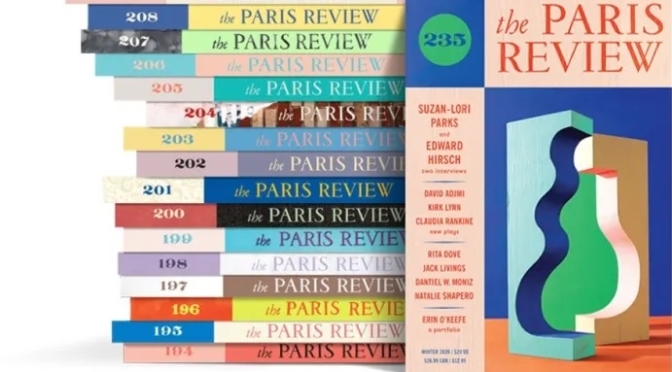
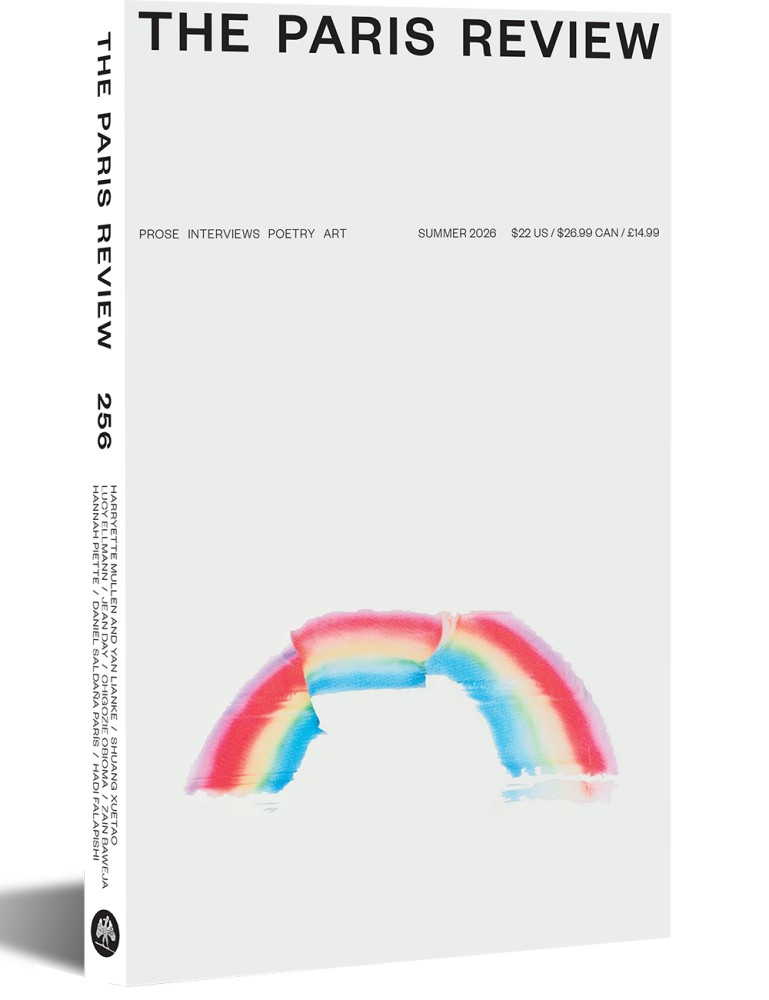
THE PARIS REVIEW —- SUMMER 2026 ISSUE

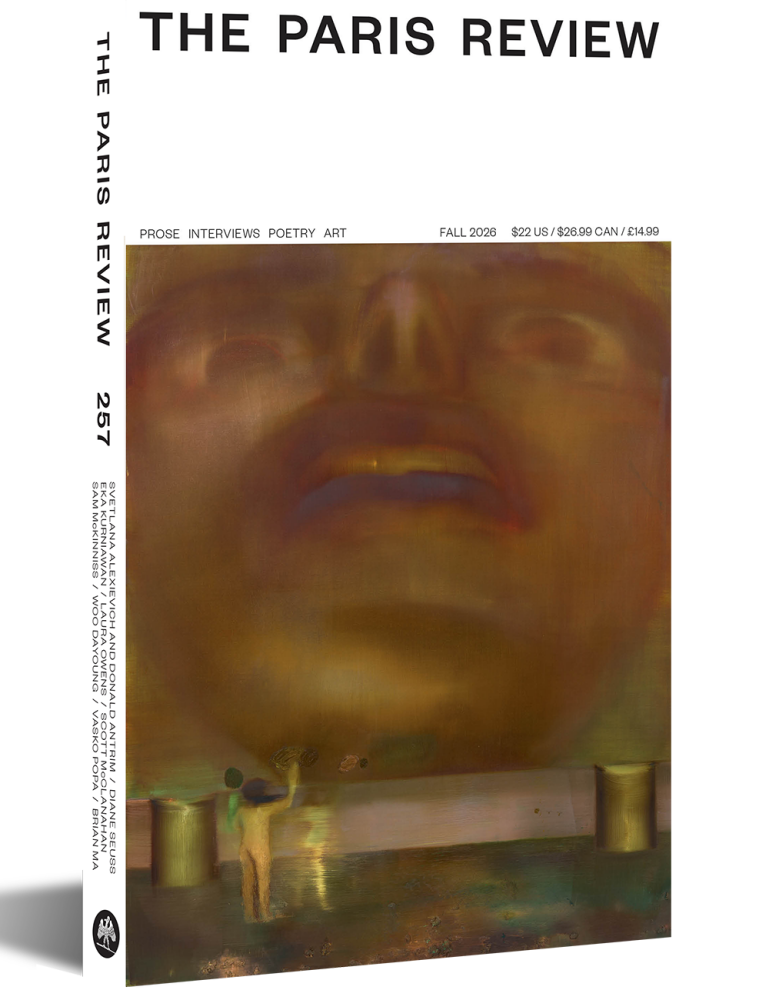
THE PARIS REVIEW : The latest features Interviews, Prose, Poetry and Art….

Harryette Mullen on the Art of Poetry: “I knew I would exhaust myself as subject matter, but I could take something and turn it upside down, inside out, add a few doodads, and that way it would become inexhaustible.”

Yan Lianke on the Art of Fiction:  “I personally didn’t think there was anything anti-war in writing about how an individual might be terrified of battle. I was really writing about my own fear.”

Prose by Lucy Ellmann, Chad Fore, Daisy Hildyard, Chigozie Obioma, Daniel Saldaña París, and Shuang Xuetao.

Poetry by Zain Baweja, Jean Day, Hannah Piette, Frederick Seidel, Shamsher Bahadur Singh, Katana Smith, and Tran Hang My.

Art by Hadi Falapishi, Andrew Kuo, and Hannah Tishkoff; cover by Alex Da Corte.

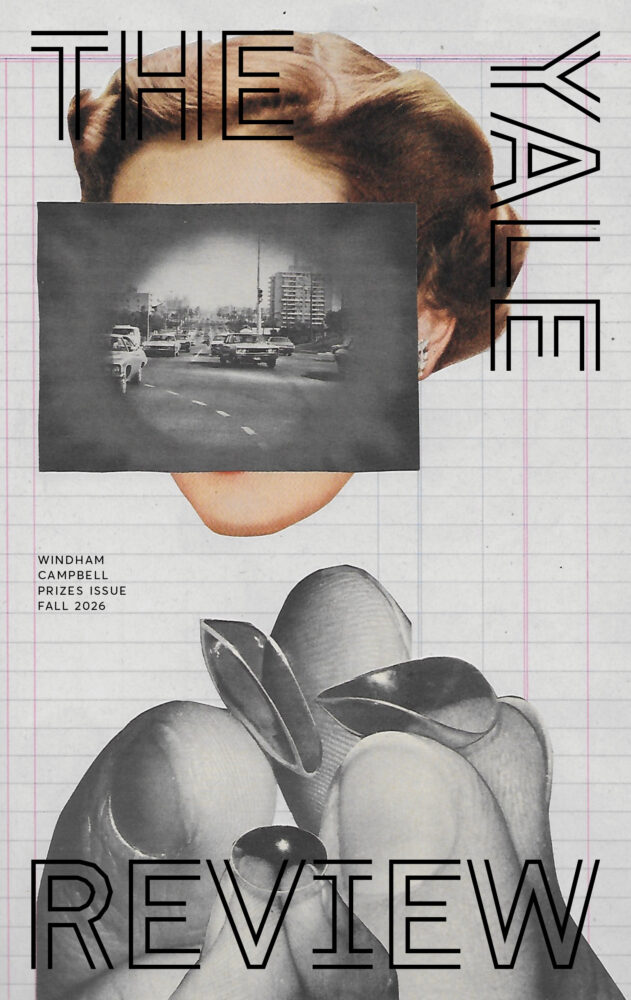
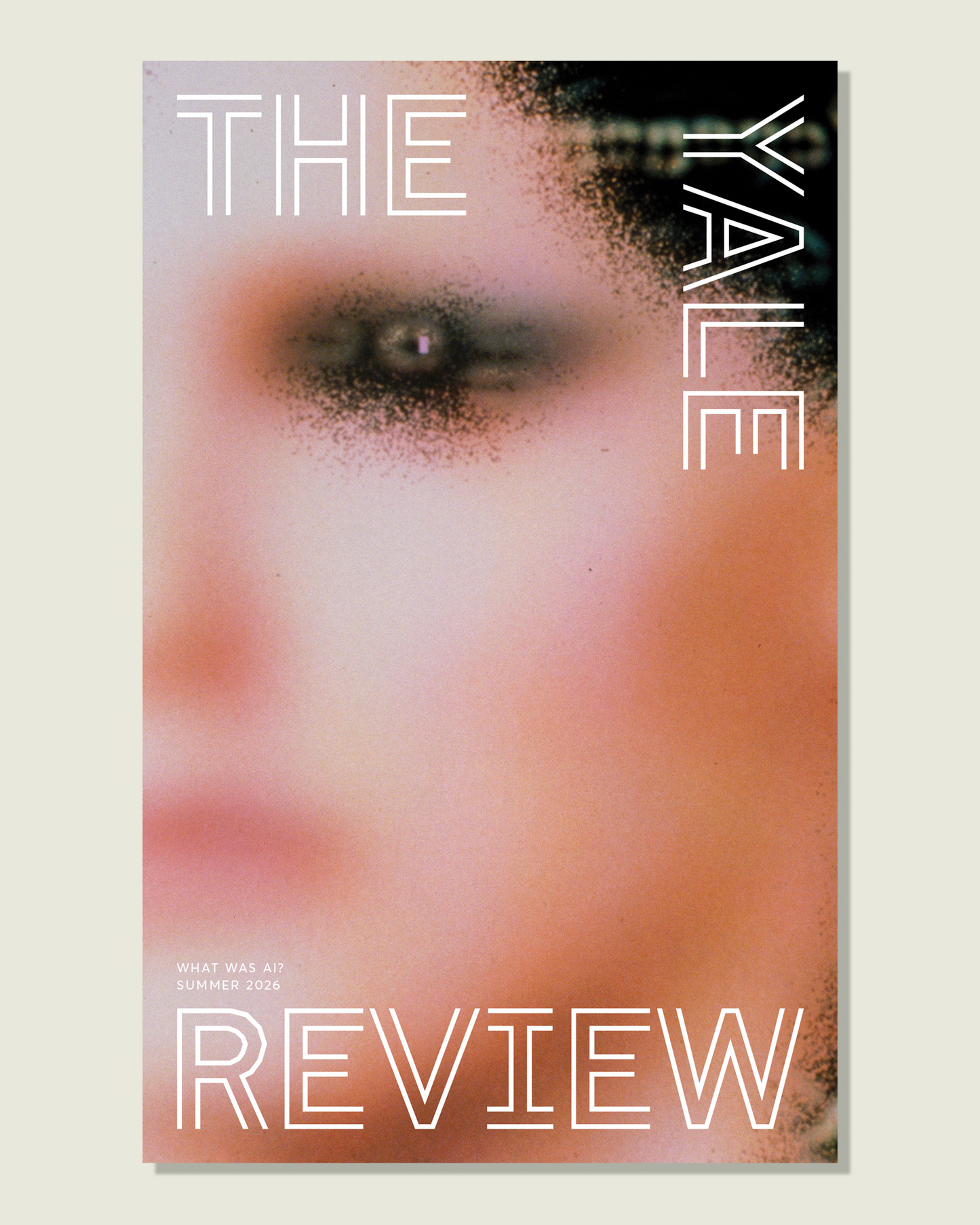
THE YALE REVIEW JOURNAL – SUMMER 2026 PREVIEW

The Yale Review Store

THE YALE REVIEW (March 11, 2025): The latest issue features a central folio, “What Was AI?,” exploring artificial intelligence through essays from Lauren Oyler, Christopher Sorrentino, and Melanie Mitchell. The issue also includes new memoirs and essays from Annie Ernaux and Namwali Serpell, alongside a visual portfolio by Vera Molnár.

Jagged Intelligence

The dangerous unknowns at the heart of LLMs by Melanie Mitchell

Reading the Declaration of Independence as Holy Text

How the American creed emerged—and evolved—over 250 years by Kathryn Lofton

Is the Twenty-First Century a Creative Void?

Critics mourn a bygone cultural era. But nostalgia for the new isn’t new by Audrey Wollen

The Birthday Party No One Wants

Why Americans aren’t celebrating the semiquincentennial by Samuel Moyn

I am back in writing hell. As if each time I start writing, I have to go through the same hell again. Annie Ernaux Unpublished journal entries

FREE INQUIRY JOURNAL – JUNE/JULY 2026 PREVIEW

In This Issue June/July 2026 | Free Inquiry

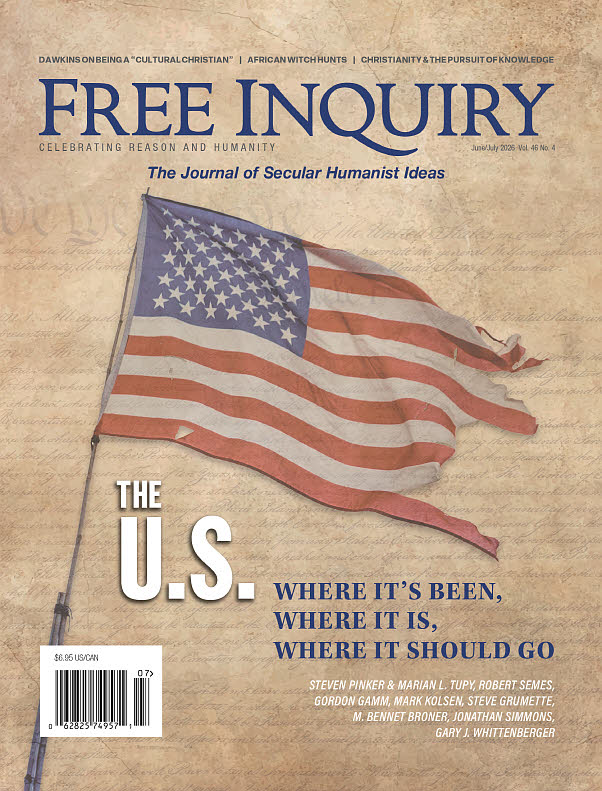
FREE INQUIRY JOURNAL: The latest issue features ‘The U.S.’ – Where It’s Been, Where It Is, Where It Should Go….

Medieval Christendom? Are They Serious?

Marian TupySteven Pinker

Would we be better off living in the Middle Ages? Astonishingly, influential voices on the American intellectual Right now seem to think so. Rather than affirming the Enlightenment ideals that inspired this country’s founding—reason, rights, markets, liberal democracy, and church–state separation—they are longing for, of all things, rule from the throne and altar. Last October …

The ‘Wall of Separation’ Needs a Good Patch Job!

Robert Louis Semes

On the 200th anniversary of his death on July 4, 1826, and the 250th anniversary of his Declaration of Independence, we need Thomas Jefferson now more than ever. We especially need his progressive views on the severance of church from state by a “wall of separation.” We in the United States live in troubling times …

Secular Approaches to Moral Education: Building Character without Commandments

Steve Grumette

The question confronting American educators today is not whether we should teach ethics to children—virtually everyone agrees that moral education is essential. The question is how we should teach ethics in an increasingly diverse society where traditional religious approaches no longer work for everyone. I believe we need to fundamentally rethink our approach to moral …

THE PARIS REVIEW-SPRING ’26

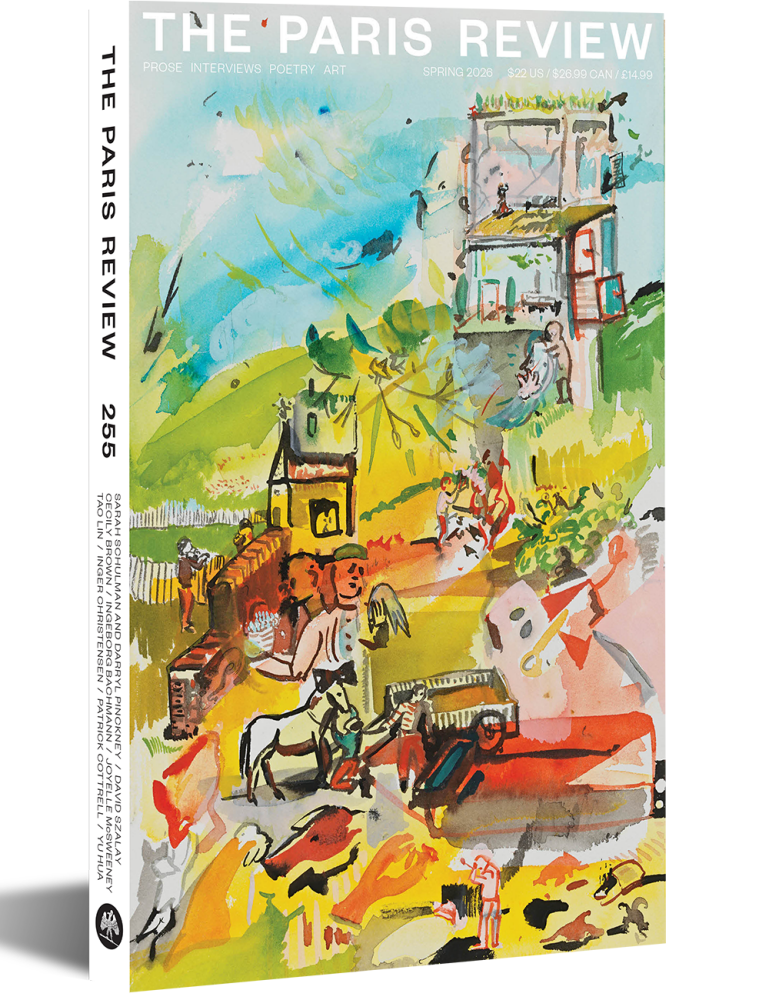
THE PARIS REVIEW : The Spring 2026 issue features Interviews, Prose, Poetry and Art….

  • Sarah Schulman on the Art of Nonfiction: “I like to have my say, obviously. And if people would have just let me talk, some of these books wouldn’t have had to be written.”
  • Darryl Pinckney on the Art of Nonfiction:  “There are moments when you run up against a white wall—there’s a white man, white man, white man, white man—and the story somehow has to be uncovered.”
  • Prose by Ingeborg Bachmann, Dan Bevacqua, Patrick Cottrell, Zans Brady Krohn, Tao Lin, David Szalay, and Yu Hua.
  • Poetry by Inger Christensen, Rachel Lapides, Enrique Lihn, Joyelle McSweeney, Nakahara Chuya, and Asiya Wadud.
  • Art by Cecily Brown, Tom Fairs, and Cauleen Smith; cover by Cecily Brown.

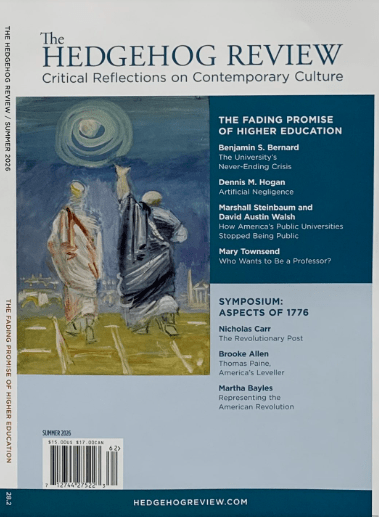
The Hedgehog Review – Spring 2026 Preview

Humanism in a Posthumanist Age

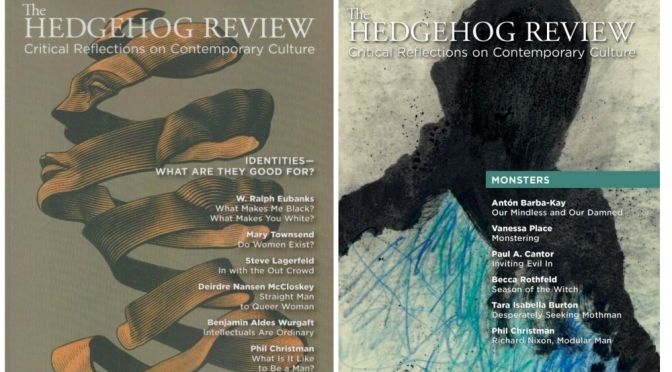
THE HEDGEHOG REVIEW: The latest issue features ‘Humanism in a Posthumanist Age’ – What we are witnessing today is a cultural swerve away from the informing humanist idealism of the modern liberal democratic project.

Will Human Voices Wake Us?

Antón Barba-Kay

How Antihumanism Turned on Its Authors

Geoff Shullenberger

The Human Condition or the Conditional Human?

David Polansky

Up from Darkness

Alan Jacobs

Essays

The Buried Tombstone, the Melting Iceberg, and the Random Bullet

R.F. Foster

A Matter of Time

Witold Rybczynski

Managing the Facts of Life

Sarah M. Brownsberger

We’ve Been Getting the Ancient Greeks All Wrong

Colin Wells

The Consolations of Simulation

Paul Nedelisky

THE PARIS REVIEW ———- WINTER 2025/2026

THE PARIS REVIEW : The latest issue features Art of Criticism, Art of Poetry, Prose, Poetry and Art…

Hélène Cixous on the Art of Criticism: “There’s a feminist discourse that women can’t do it all. This is what many women experience, and it’s very difficult. But I am not like that.”

Alice Oswald on the Art of Poetry: “You come at poetry with the momentum of having failed. It’s only when other communication is absolutely impossible that a poem has to exist.”

Prose by Eve Babitz, Marlene Morgan, Alec Niedenthal, Gwendoline Riley, and Elias Rodriques.

Poetry by Millicent Borges Accardi, Monzer Masri, Alice Oswald, Jana Prikryl, and Ed Roberson.

Art by Ali Banisadr, Pippa Garner, Joan Jonas, and Mieko Meguro; cover by Adebunmi Gbadebo.

LOS ANGELES REVIEW OF BOOKS – WINTER 2025-2026

LOS ANGELES REVIEW OF BOOKS: The latest issue of LARB features ‘Security’…

A Mole in MAGA’s Midst

Alexandre Lefebvre reads “Furious Minds: The Making of the MAGA New Right” by Laura K. Field.

The Secessionists of Shasta County

Nevin Kallepalli investigates political resentment in rural California, in an essay from LARB Quarterly no. 47: “Security.”

Is Justice Barrett Listening?

Leah Litman prosecutes Justice Amy Coney Barrett’s new legal memoir, “Listening to the Law: Reflections on the Court and Constitution.”

An Emergency Born of Prosperity

Zoe Adams considers “There Is No Place for Us: Working and Homeless in America” by Brian Goldstone.

The Hedgehog Review – Fall 2025 Preview

“The Character of Place” and “A Cultural Revolution on the Right”

THE HEDGEHOG REVIEW: The latest issue features ‘The Character of Place’ and ‘A Cultural Revolution on the Right’.

“The Character of Place” and “A Cultural Revolution on the Right”

Double Theme: “The Culture of Place” and “A Cultural Revolution on the Right”

Thematic: The Character of Place

Mourning and Melancholia in Las Vegas

A Tale of Two College Towns

My Charlottesville

Ethel Road Elementary

Made in Allentown

LOS ANGELES REVIEW OF BOOKS – AUTUMN 2025

LOS ANGELES REVIEW OF BOOKS: The latest issue of LARB Alien“, which wades into the unfamiliar. In Greta Rainbow’s “Tourists,” a woman travels to foggy Athens, where she confronts the unknowability of the city and her partner. In Sara Levine’s “Peter and the Women,” Peter (badly, ineptly, inappropriately, indecently) manages the women in his life: his hospice-bound mother and her nurse, as well as his girlfriends and one-night stands. And in Ari Braverman’s “Dogs of the Solar Steppe,” the narrator faces a decade-long punishment, performing domestic labor for a woman called Big Mother. Her former life assumes a “sheen of fantasy,” and the story warns us of “the easy slippage between one state and another.”