From Carolyn K. Reidy, President & CEO of Simon & Schuster:
 “She was unique. Nobody ever bonded more completely with her readers than Mary did; she understood them as if they were members of her own family. She was always absolutely sure of what they wanted to read—and, perhaps more important, what they didn’t want to read—and yet she managed to surprise them with every book. She was the Queen of Suspense, it wasn’t just a phrase; she always set out to end each chapter on a note of suspense, so you just had to keep reading. It was at once a gift, but also the result of hard work, because nobody worked harder than Mary did on her books to deliver for her readers. She was also, unfailingly, cheerful under pressure, generous, good humored and warm-hearted, the least ‘temperamental’ of bestselling authors, and the most fun to be around.
It is with great sadness that I write to inform you that Mary Higgins Clark died January 31, 2020 in Naples, Florida, at the age of 92. The cause was complications of old age.
It is impossible to overestimate the importance of Mary’s contribution to our success, and her role in the modern history of Simon & Schuster. Beginning in 1975 with the publication of WHERE ARE THE CHILDREN, each of her 56 books has been a bestseller. There are more than 100 million copies of her books in print in the United States; they are international bestsellers and have been translated into every major and many less well-known languages.
Read more


 Amy Walter of the Cook Political Report and Radio Iowa’s O. Kay Henderson join John Yang in Iowa to discuss the latest political news, including what voters in Iowa’s first-in-the-nation 2020 Democratic caucuses are considering as they make their selections, polling updates on a “fluid” and “volatile” race and the ongoing pace of campaigning in Iowa.



 Steep incidence increases between 49 and 50 years of age are consistent with previously undetected colorectal cancers diagnosed via screening uptake at 50 years. These cancers are not reflected in observed rates of colorectal cancer in the SEER registries among individuals younger than 50 years. Hence, using observed incidence rates from 45 to 49 years of age alone to assess potential outcomes of earlier screening may underestimate cancer prevention benefits.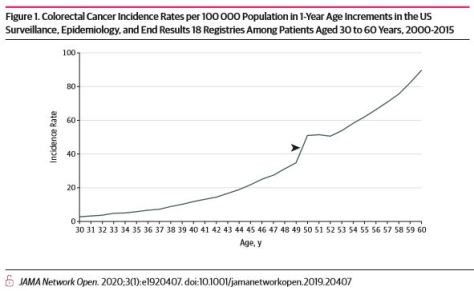


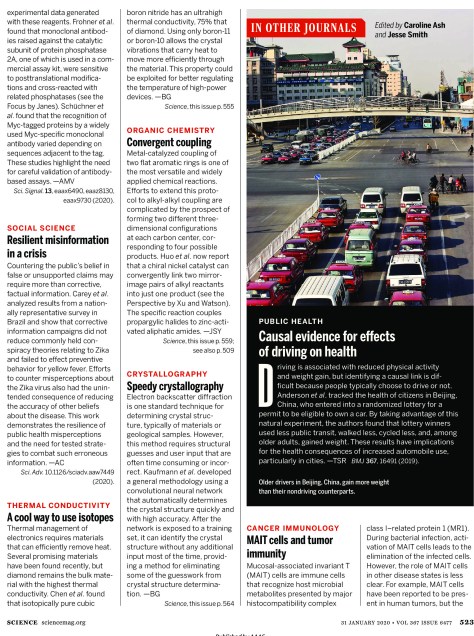



 The annual salon is Paris provides manufacturers with a stage on which to show off their commitment to preserving their precious pasts, dealers the chance to set out their stalls and signal their intentions for the coming year and humble enthusiasts like us an opportunity to ogle thousands of collectable cars ranging from the affordable and the obscure to the rare and the downright priceless.



 With voting for 2020 set to begin in Iowa on Monday, “The Daily” sat down with
 The all-electric First Ever GMC HUMMER EV leads a quiet revolution – with zero emissions and zero limits. It earns its super truck status with up to:
 Boomers Daily