
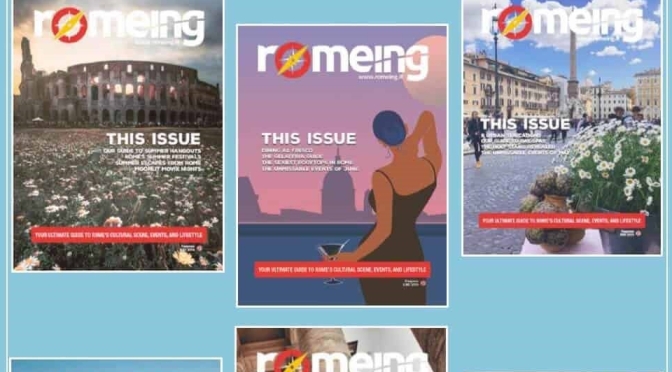
🍂 November in Rome 🍂
— Romeing (@romeing) November 2, 2021
Read here the new Issue of #Romeing Magazine
👇👇👇👇https://t.co/pAyWAn1szL pic.twitter.com/djUUxOCY8m
Category Archives: Culture
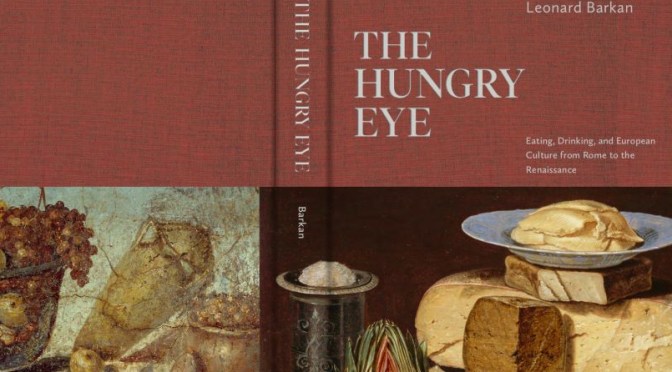
Book Reviews: ‘The Hungry Eye – Eating, Drinking And European Culture’ (2021)
Eating and drinking can be aesthetic experiences as well as sensory ones. The Hungry Eye takes readers from antiquity to the Renaissance to explore the central role of food and drink in literature, art, philosophy, religion, and statecraft.
In this beautifully illustrated book, Leonard Barkan provides an illuminating meditation on how culture finds expression in what we eat and drink. Plato’s Symposium is a timeless philosophical text, one that also describes a drinking party. Salome performed her dance at a banquet where the head of John the Baptist was presented on a platter. Barkan looks at ancient mosaics, Dutch still life, and Venetian Last Suppers. He describes how ancient Rome was a paradise of culinary obsessives, and explains what it meant for the Israelites to dine on manna. He discusses the surprising relationship between Renaissance perspective and dinner parties, and sheds new light on the moment when the risen Christ appears to his disciples hungry for a piece of broiled fish. Readers will browse the pages of the Deipnosophistae—an ancient Greek work in sixteen volumes about a single meal, complete with menus—and gain epicurean insights into such figures as Rabelais and Shakespeare, Leonardo and Vermeer.
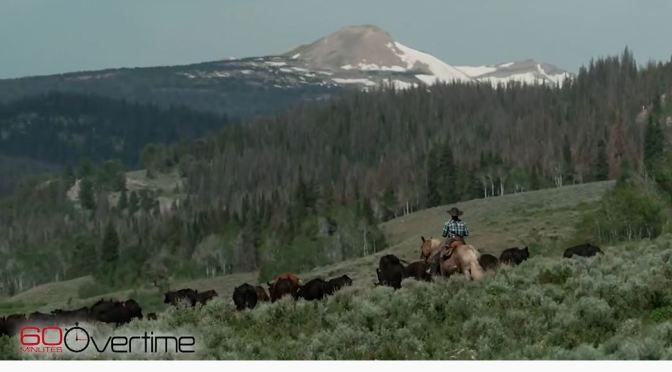
Views: Green River Drift Cattle Drive In Wyoming
Hitch a ride with 60 Minutes correspondent Bill Whitaker along the Green River Drift, the longest running cattle drive in the U.S.
Upper Green River Valley, Wyoming
Predating most federal land management agencies, the Green River Drift cattle trail has been continuously used since the 1890s by the Upper Green River Cattle Association ranchers to get cattle from spring pasture on the desert to summer pasture in the forest. Chilly fall weather causes the cattle to “drift” back out of the forest to return to their home ranches. The trail, 58 miles long with 41 miles of spurs, crosses BLM, State of Wyoming, National Forest, and private properties.
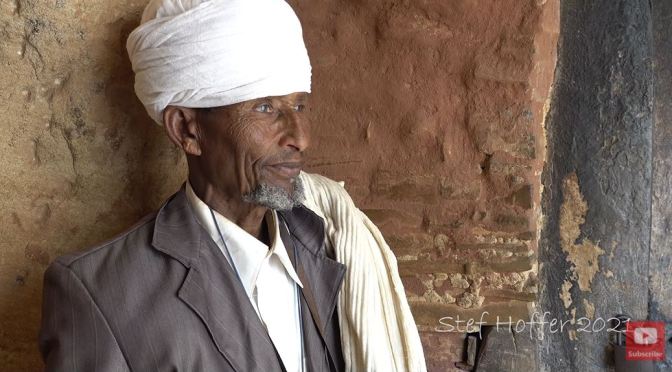
Views: Journey Through Ethiopia In Eastern Africa
Ethiopia is one of Africa’s most beautiful and fascinating countries, and a surprising travel destination. From spectacular mountain landscapes and national parks to vast lakes and mysterious deserts. From incredible wildlife to intriguing historic landmarks. From vibrant, fast growing cities to small villages and tribal regions, steeped in culture and traditions. In this documentary style video, I will show you 10 beautiful places I visited, on a one-month journey through Ethiopia in 2019. I remember the smiles and welcoming attitude of the people, the incredible food, remarkable monuments, the stunning natural and urban landscapes. In all fairness, this was one of my best travels yet.
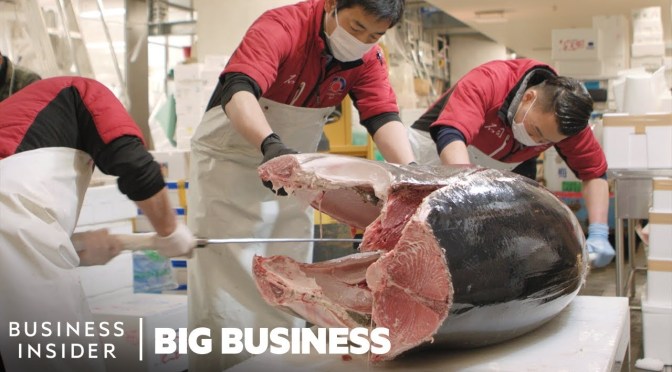
Inside Views: The Toyosu Seafood Market in Tokyo
How a 600-pound tunafish sells for $3 million
Toyosu Market in Tokyo is home to the world-famous tuna bidding wars each morning. But overfishing is starting to take its toll on marine life.
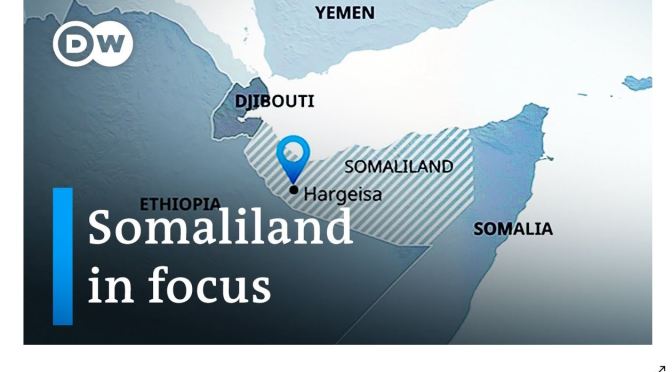
African Views: A Close Look At Somaliland (DW)
Africa’s Somaliland is a self-governing autonomous region with its own currency, military and passport. But it is not recognized as a sovereign state. Somaliland broke away and declared independence from Somalia 30 years ago. It’s seen as a stable region, especially when compared to the rest of Somalia, where there is a big terrorism threat. But most of Somaliland’s 4.5 million people live in poverty. DW takes a closer look at Somaliland and its society.
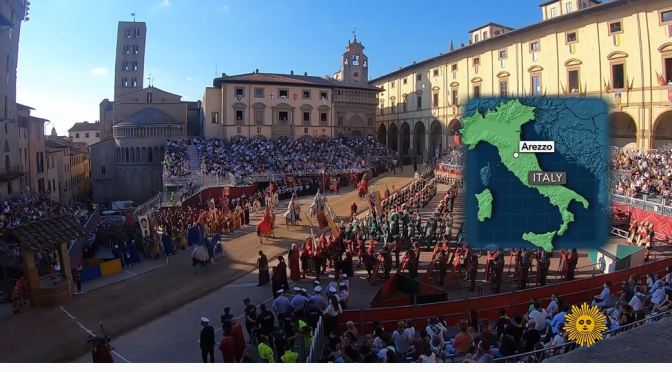
Views: Jousting of the Saracens In Arezzo, Italy
In the picturesque walled city of Arezzo, a medieval ritual is conducted twice each year in which locals don the colors and armor of knights to engage in a jousting competition. Correspondent Seth Doane takes in the pageantry of the Giostra del Saracino, where longstanding family rivalries can play out on horseback.
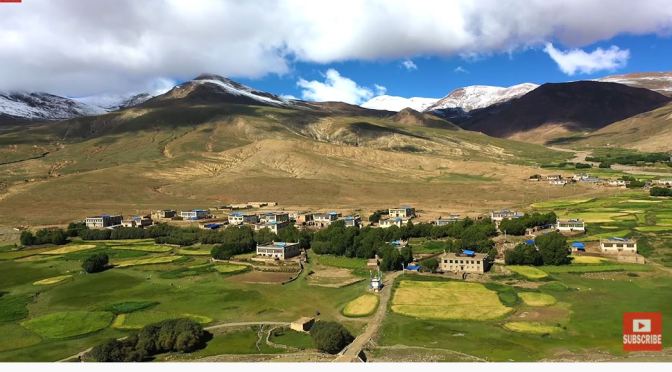
Cultural Views: A Barley Harvest In Himalayan Tibet
This is the most important season for the farmers, because it’s the harvest time for them. The hardy qingke barley, also known as highland barley, has long been the main crop on the plateau, and has become a staple of the Tibetan diet, used in almost every meal as tsampa, and even used to make barley wine and a number of other dishes. A unique, drought-resistant crop, barley is grown in many places across the plateau, and is the only grain crop that can grow comfortably in the higher reaches of the plateau, including the extreme north.

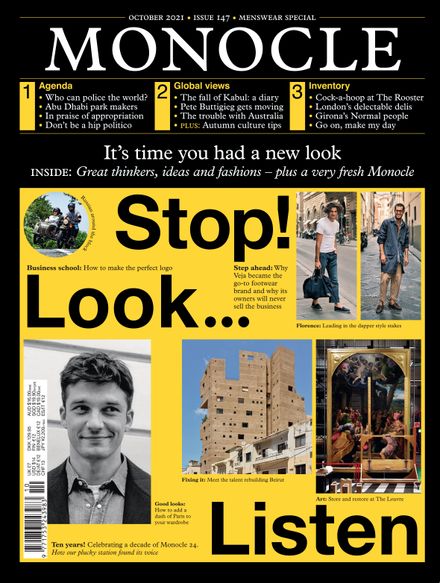
Front Covers: Monocle Magazine – October 2021
Travel: Germany’s New World Heritage Sites
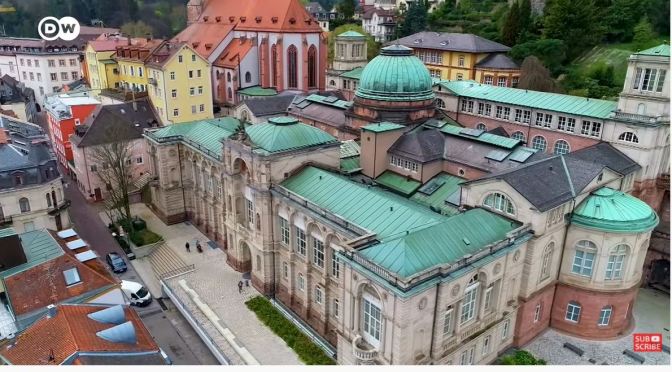
Take a look at Germany’s new UNESCO World Heritage Sites. We take you to the spa towns of Baden-Baden, Bad Ems and Bad Kissingen, as well as the artist colony Mathildenhöhe in Darmstadt. We will also show you the Jewish heritage cities of Speyer, Worms and Mainz, and follow the footsteps of the Romans along the limes.
 Boomers Daily