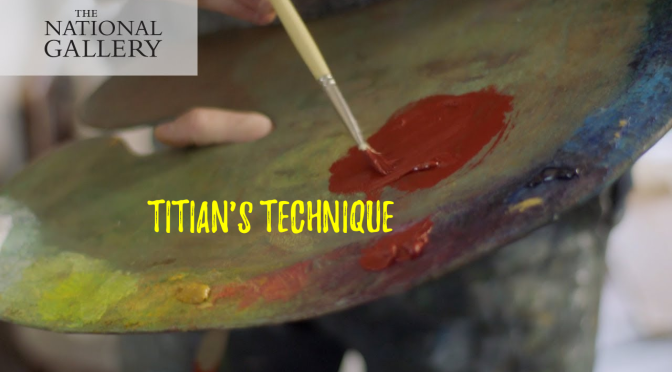
The way Titian painted was unlike other artists of his day. With little in the way of preliminary drawings, Titian worked very freely straight onto the canvas. Watch artist Andy Pankhurst show us how Titian would have worked.
Tiziano Vecelli or Vecellio, known in English as Titian, was an Italian painter during the Renaissance, considered the most important member of the 16th-century Venetian school. He was born in Pieve di Cadore, near Belluno. During his lifetime he was often called da Cadore, ‘from Cadore’, taken from his native region.
Although our galleries are temporarily closed we wanted to share the Aubrey Beardsley exhibition at Tate Britain with you. Join Tate curators Caroline Corbeau-Parsons and Alice Insley as they discuss the iconic illustrator’s short and scandalous career.
Before his untimely death aged twenty-five, Beardsley produced over a thousand illustrations. He drew everything from legendary tales featuring dragons and knights, to explicit scenes of sex and debauchery. His fearless attitude to art continues to inspire creatives more than a century after his death.
Aubrey Vincent Beardsley (1872-1898) was an English illustrator and author. His drawings in black ink, influenced by the style of Japanese woodcuts, emphasized the grotesque, the decadent, and the erotic. He was a leading figure in the aesthetic movement which also included Oscar Wilde and James McNeill Whistler.
From a The Architectural Review online article (April 9, 2020):
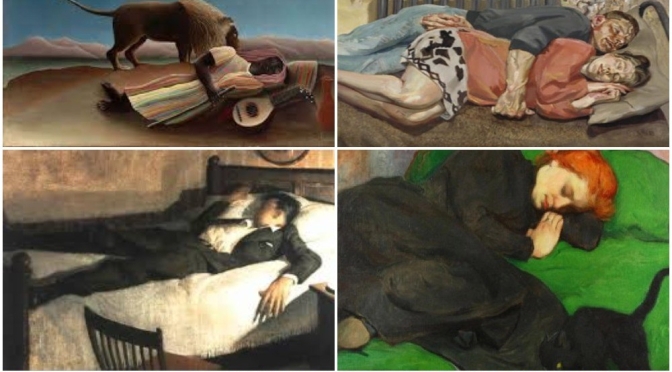
The sleep industry caters to a working consumer’s wish to sleep less, yet sleep more productively, and accommodates transnational industry which has joined the state as a custodian of biopolitics. Jonathan Crary’s 24/7 spells out in detail how the state and a capitalist economy are encroaching stupendously on the private sphere, in which sleep was one of the last vestiges of unfettered time.
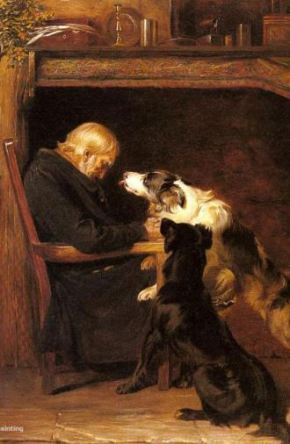
About 15 years ago, someone calculated the financial loss US companies incurred through workers’ illicit practice of sleeping on the job. Indeed, the trope of the lazy sleeper is an old one, resignified at present in our more than callous attitude towards the homeless, whose sleeping bodies punctuate many a journey to and from work.
Even in this most passive stance – someone simply disregarding normative codes and regulations by giving in to a physical need – sleep seems suspiciously subversive. Less an act than a way of being, the sleeper, by sleeping when and where it is not condoned, challenges everyone else, who is doing/working/functioning/functionalised. Contrary to the tree falling in the forest, the sleeper in the workplace or in public space affects and thus ever so slightly transforms those around them.
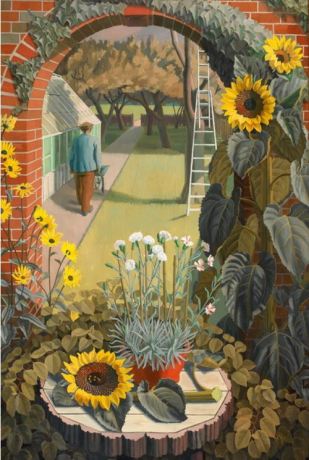
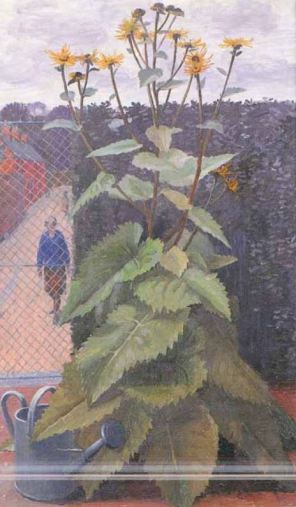
Charles Mahoney,(18 November 1903 – 11 May 1968): Painter, muralist, draughtsman and teacher, born Cyril Mahoney in London – his fellow-student Barnett Freedman re-christened him Charlie at the Royal College of Art, which he attended 1922-6 after a period at Beckenham School of Art under Percy Jowett. Early on, Mahoney established a reputation as a conscientious teacher.
He was at the Royal College 1928-53, from 1948-53 as a painting tutor, and was noted there for his concern for academic discipline.
Charles Mahoney, Composite Plant 1954
His portrait is included in Rodrigo Moynihan’s celebrated Teaching Staff of the Painting School at the Royal College of Art, 1949-50. From 1954 to 1963 he taught at the Byam Shaw School of Drawing and Painting and from 1961 to 1968 at the Royal Academy Schools. He painted murals at Morley College 1928-30 with his colleagues Eric Ravillious and Edward Bawden.
Unfortunately these murals were destroyed during World War II. The work led to further murals: at Brockley School, Kent, with Evelyn Dunbar; and at Campion Hall Lady Chapel, Oxford. His oil paintings are frequently of a religious nature. He was a skilled botanist, and many of his drawings depict his garden at Wrotham, Kent.
He exhibited at NEAC and the RA, being made an RA elect in 1968. He is represented in the Tate Gallery and other public collections. The Ashmolean Museum, Oxford, held a memorial exhibition in 1975. Exhibitions were held in 2000 at the Harris Museum and Art Gallery, Preston, Royal Museum and Art Gallery, Canterbury, and the Fine Art Society plc in association with Liss Fine Art.
Monocle 24’s “The Stack” chats with Randy Kennedy, editor of ‘Ursula’, the beautiful print quarterly from Hauser & Wirth.
‘Ursula’ is the quarterly art magazine featuring essays, profiles, interviews, original portfolios, and photography by some of the most thought-provoking writers and artists in the world, as reported by Artnet. ‘Ursula’ takes its name from the internationally admired co-founder of the gallery: patron, collector, mentor, and art world mater familias Ursula Hauser. Reflecting the inclusive values and broad perspective of the gallery she helped to establish in Zurich in 1992, ‘Ursula’ will showcase not only the work of artists and estates represented by Hauser & Wirth, but also a wide, adventurous swath of the international art world of the 20th and 21st centuries.
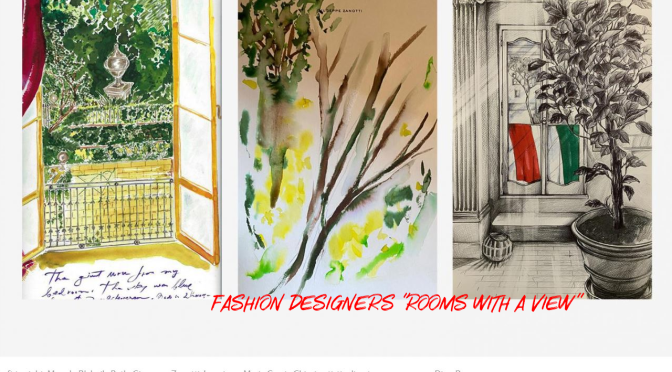
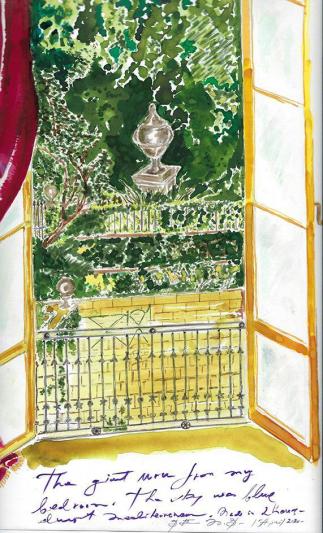
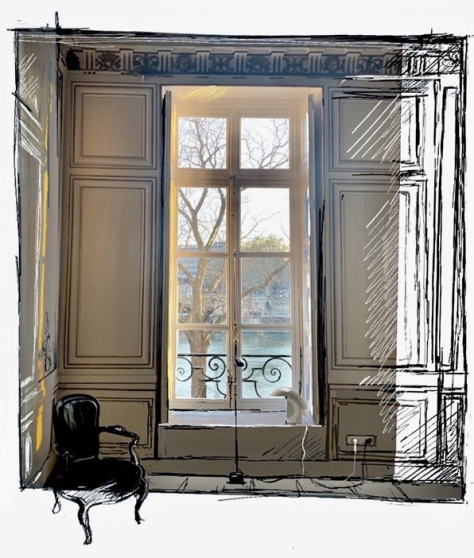
As fashion designers have acclimatised to this new, four wall-defined way of life, from Beijing to Berlin, London to Longiano, we’ve invited those within our creative community to document by hand what they can see from their work desk or window. Here we present our rooms with a view.
From Manolo Blahnik to Margaret Howell, we’ve invited fashion designers to document by hand what they can see from their work desk or window, be it a view of a verdant garden landscape, or an urban snapshot of baroque architecture.
“The art world is the same as the rest of the world,” says British artist, writer, and punk-rocker Billy Childish. “What it requires is new, more, and now.” Childish has worked defiantly and prolifically outside of the mainstream since his expulsion from art school in the early 1980s. To the polymath—whose paintings, poems, novels, and music draw heavily from his autobiography—art is a deeply personal experience that should not rely on external validation, whether from critics or audiences. From his painting studio located on a historic dockyard in Kent, United Kingdom, Childish speaks passionately about the freedom that comes with self-validation. When asked about his perspective on the future of art, he demurs. “People think we’re continually ascending a mountain to success or to enlightenment,” he says. “It’s here and now and this is it.”
Rembrandt Harmenszoon van Rijn; 15 July 1606 – 4 October 1669) was a Dutch draughtsman, painter, and printmaker. An innovative and prolific master in three media, he is generally considered one of the greatest visual artists in the history of art and the most important in Dutch art history. Unlike most Dutch masters of the 17th century, Rembrandt’s works depict a wide range of style and subject matter, from portraits and self-portraits to landscapes, genre scenes, allegorical and historical scenes, and biblical and mythological themes as well as animal studies. His contributions to art came in a period of great wealth and cultural achievement that historians call the Dutch Golden Age, when Dutch art (especially Dutch painting), although in many ways antithetical to the Baroque style that dominated Europe, was extremely prolific and innovative and gave rise to important new genres. Like many artists of the Dutch Golden Age, such as Jan Vermeer of Delft, Rembrandt was also an avid art collector and dealer.
Experience our Picasso and Paper exhibition from your own home in this video tour of the galleries, created before the Royal Academy had to close its doors due to coronavirus.
Picasso didn’t just draw on paper — he tore it, burnt it, and made it three-dimensional. From studies for ‘Guernica’ to a 4.8-metre-wide collage, this exhibition brings together more than 300 works on paper spanning the artist’s 80-year career.


 The sleep industry caters to a working consumer’s wish to sleep less, yet sleep more productively, and accommodates transnational industry which has joined the state as a custodian of biopolitics. Jonathan Crary’s 24/7 spells out in detail how the state and a capitalist economy are encroaching stupendously on the private sphere, in which sleep was one of the last vestiges of unfettered time.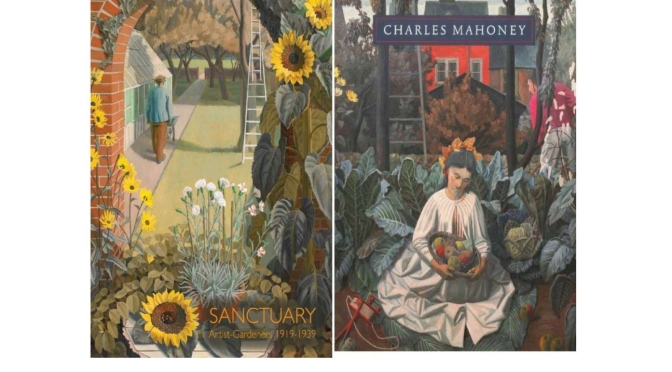
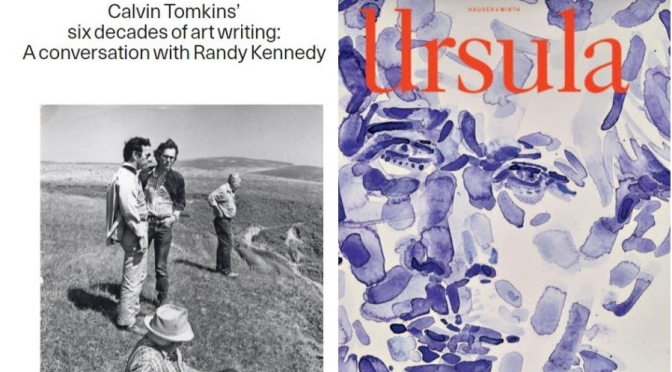
 Monocle 24’s “The Stack” chats with Randy Kennedy, editor of ‘Ursula’, the beautiful print quarterly from Hauser & Wirth.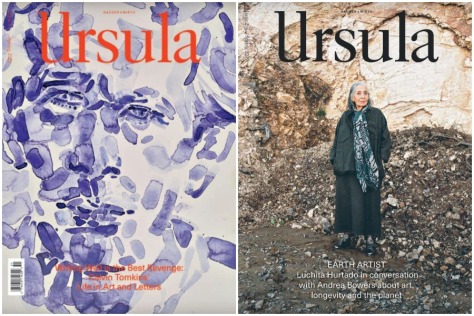
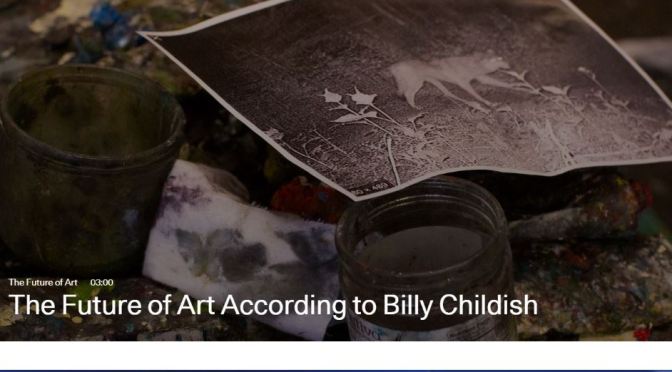
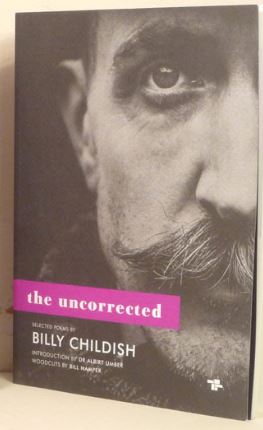 “The art world is the same as the rest of the world,” says British artist, writer, and punk-rocker Billy Childish. “What it requires is new, more, and now.” Childish has worked defiantly and prolifically outside of the mainstream since his expulsion from art school in the early 1980s. To the polymath—whose paintings, poems, novels, and music draw heavily from his autobiography—art is a deeply personal experience that should not rely on external validation, whether from critics or audiences. From his painting studio located on a historic dockyard in Kent, United Kingdom, Childish speaks passionately about the freedom that comes with self-validation. When asked about his perspective on the future of art, he demurs. “People think we’re continually ascending a mountain to success or to enlightenment,” he says. “It’s here and now and this is it.”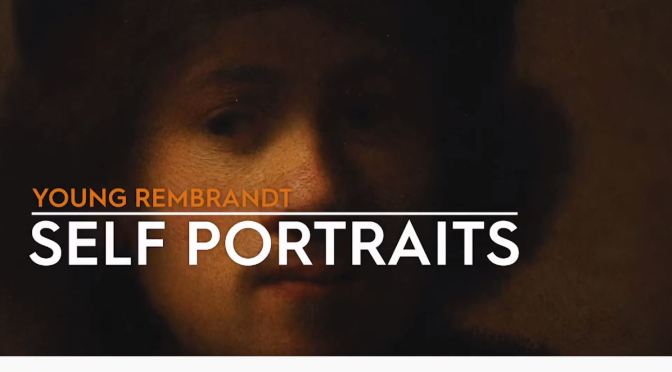
 Boomers Daily