
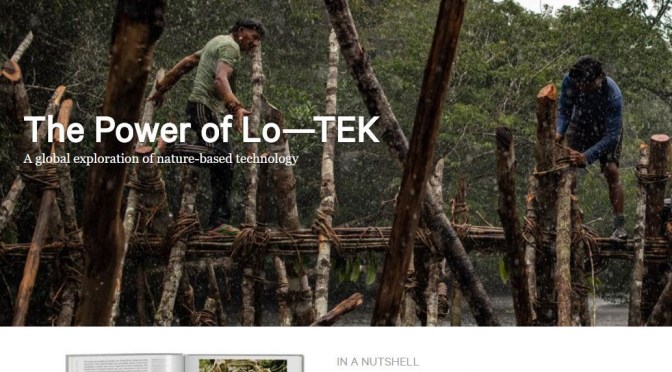
 Lo—TEK, derived from Traditional Ecological Knowledge, is a cumulative body of multigenerational knowledge, practices, and beliefs, countering the idea that indigenous innovation is primitive and exists isolated from technology. It is sophisticated and designed to sustainably work with complex ecosystems.
Three hundred years ago, intellectuals of the European Enlightenment constructed a mythology of technology. Influenced by a confluence of humanism, colonialism, and racism, this mythology ignored local wisdom and indigenous innovation, deeming it primitive. Today, we have slowly come to realize that the legacy of this mythology is haunting us.
With a foreword by anthropologist Wade Davis and four chapters spanning Mountains, Forests, Deserts, and Wetlands, this book explores thousands of years of human wisdom and ingenuity from 20 countries including Peru, the Philippines, Tanzania, Kenya, Iran, Iraq, India, and Indonesia. We rediscover an ancient mythology in a contemporary context, radicalizing the spirit of human nature.
To read more or purchase: https://www.taschen.com/pages/en/catalogue/architecture/all/04698/facts.julia_watson_lotek_design_by_radical_indigenism.htm

 British architect Norman Foster reflects on his first high-tech building and how it shaped offices to come, in this exclusive video produced by Dezeen. Named after the electronics manufacturer that commissioned the building,
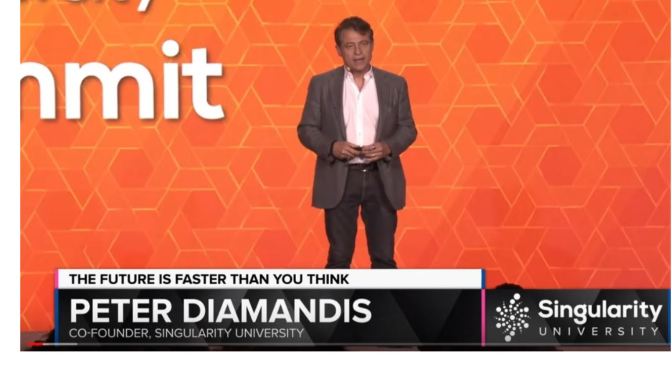
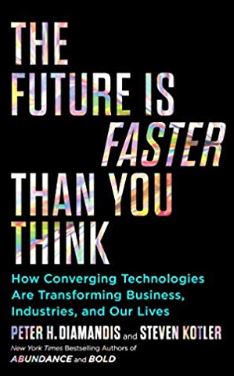 Technology is accelerating far more quickly than anyone could have imagined. During the next decade, we will experience more upheaval and create more wealth than we have in the past hundred years. In this gripping and insightful roadmap to our near future, Diamandis and Kotler investigate how wave after wave of exponentially accelerating technologies will impact both our daily lives and society as a whole. What happens as AI, robotics, virtual reality, digital biology, and sensors crash into 3D printing, blockchain, and global gigabit networks? How will these convergences transform today’s legacy industries? What will happen to the way we raise our kids, govern our nations, and care for our planet?
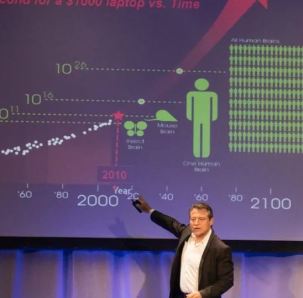 Recently named by Fortune as one of the “World’s 50 Greatest Leaders,” Peter H. Diamandis is the founder and executive chairman of the XPRIZE Foundation, which leads the world in designing and operating large-scale incentive competitions. He is also the executive founder of Singularity University, a graduate-level Silicon Valley institution that counsels the world’s leaders on exponentially growing technologies.


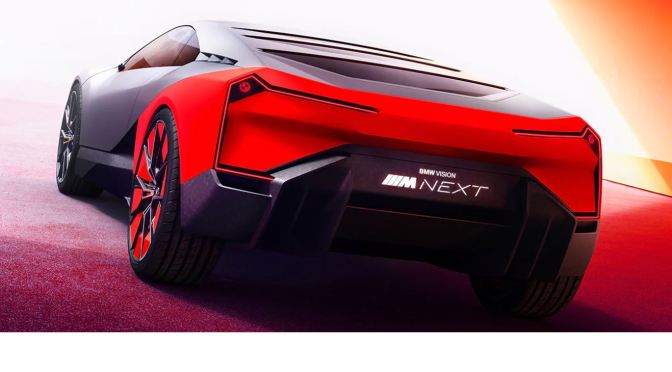
 ‘we believe in the power of choice,’ begins domagoj dukec. as cars embrace new technologies such as autonomous systems, BMW and their designers are ensuring customers are still offered their own ultimate driving experience. in fact, they are actually integrating technology into the background of their designs, from the powertrains to the adaptable furniture and interior fabrics, creating mobility spaces that adapt to your needs. the innovations are there to help and enhance the experience but are free to the user to choose when, where and how it affects their journey. this power of choice is exemplified by
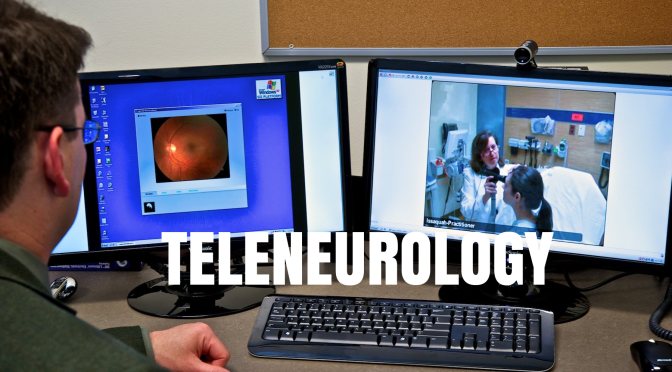
 Telemedicine extends care accessibility to people with epilepsy, who may be unable to drive to appointments, as well as people with mobility issues stemming from neurologic disorders such as multiple sclerosis. Virtual care also helps address geographic barriers by allowing patients in rural areas to see a neurologist through telemedicine technology instead of having to travel hours for in-person care, said lead author Jaime Hatcher-Martin, MD, PhD, a member of AAN, according to the news release.

 “What virtual kitchens, or the Kitchen United concept does, is create a new economic model, where no longer do [restaurants] have to invest in expensive real estate and fancy front-of-house overhead and dining rooms, [they] can share kitchen space, optimize capital that is there and hopefully create a more profitable model for delivery,” NPD Group Vice President David Portalatin told Restaurant Dive.


 Boomers Daily