

From a Restaurant Dive online article:
 “What virtual kitchens, or the Kitchen United concept does, is create a new economic model, where no longer do [restaurants] have to invest in expensive real estate and fancy front-of-house overhead and dining rooms, [they] can share kitchen space, optimize capital that is there and hopefully create a more profitable model for delivery,” NPD Group Vice President David Portalatin told Restaurant Dive.
When Kitchen United received $40 million in funding from RXR Realty during the summer, it became clear the two-year-old shared kitchen startup is paving a path for rapid expansion. The company will partner with the real estate company to open kitchens in New York City and the tri-state area.
This partnership fits within Kitchen United’s overall goal of opening 400 kitchen centers and 5,000 kitchens within the next few years. But it certainly isn’t alone in opening virtual kitchens, or restaurants without a traditional retail storefront. Grubhub, DoorDash and Uber Eats have all been trying their hand in delivery-only restaurants over the last two years.
To read more; https://www.restaurantdive.com/news/innovator-kitchen-united-restaurant-dive-awards/566463/



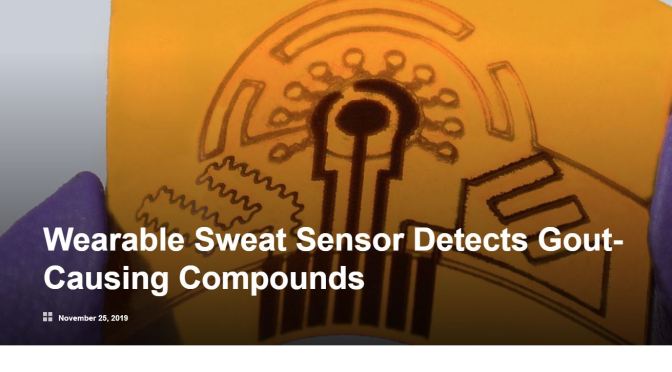
 “Such wearable sweat sensors have the potential to rapidly, continuously, and noninvasively capture changes in health at molecular levels,” Gao says. “They could enable personalized monitoring, early diagnosis, and timely intervention.”
 Gao’s work is focused on developing devices based on microfluidics, a name for technologies that manipulate tiny amounts of liquids, usually through channels less than a quarter of a millimeter in width. Microfluidics are ideal for an application of this sort because they minimize the influence of sweat evaporation and skin contamination on the sensing accuracy. As freshly supplied sweat flows through the microchannels, the device can make more accurate measurements of sweat and can capture temporal changes in concentrations.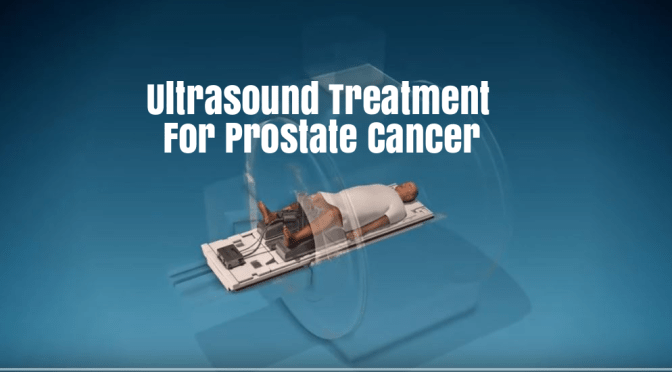
 The TACT Pivotal study of MRI-guided TULSA for whole-gland ablation in men with localized prostate cancer met its primary PSA endpoint in 96% of patients, with low rates of severe toxicity and residual GG2 disease. MRI at 12mo detected residual disease with NPV of 93%.
 In an engaging, deeply reported book, the authors travel to mobility hotspots, from Helsinki to Shanghai, to scout out this future. And they visit the companies putting it together. One, Divergent3d, is devising a system to manufacture cars with robots and 3D printers. PonyAI, a Chinese-Silicon Valley startup, builds autonomous software that perceives potholes, oncoming trucks, and wayward pedestrians, and guides the vehicle around them. Voom, an Airbus subsidiary, is racing with dozens of others to operate fleets of air taxis that fly by themselves.
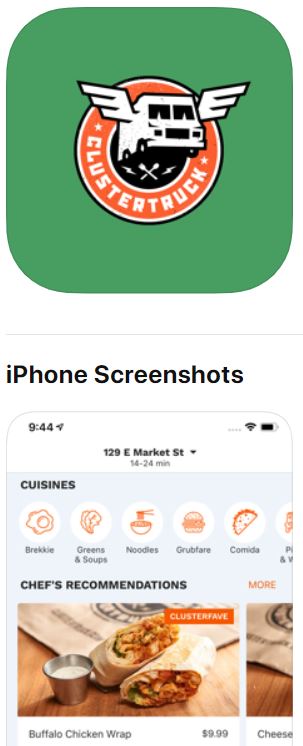 “The way our customers order and receive meals is evolving, and ClusterTruck’s innovative culinary and digital design is cracking the code for the future of profitable meal delivery,” said Yael Cosset, Kroger’s CIO. “Kroger is leveraging ClusterTruck’s advanced technology to ensure our customers don’t have to sacrifice quality and value for convenience when it comes to meal delivery. Kroger Delivery Kitchen Powered by ClusterTruck will allow our customers to access restaurant-quality fresh and delicious meals like never before and without having to pay excessive service or delivery fees.”
 Researchers are using artificial intelligence techniques to invent medicines and materials—but in the process are they upending the scientific method itself? The AI approach is a form of trial-and-error at scale, or “radical empiricism”. But does AI-driven science uncover new answers that humans cannot understand? Host Kenneth Cukier finds out with James Field of LabGenius…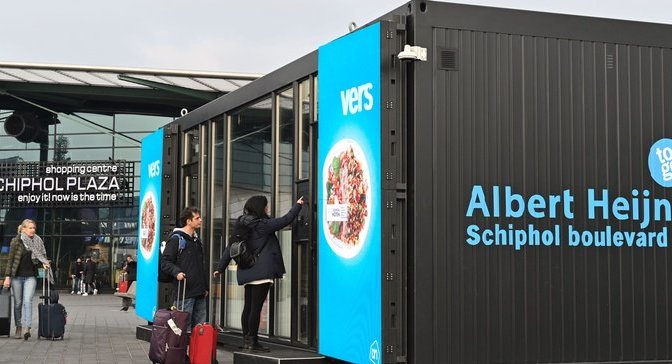
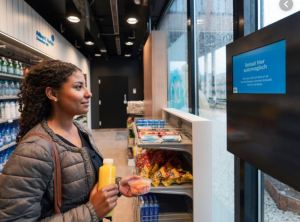 Shoppers have to use a debit card at the door to gain entry to the store. Then they can shop for products and just walk out. Upon exit, customers can verify their purchases against the receipt. No cash is accepted.
 Boomers Daily