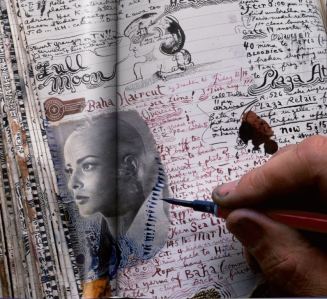
 He collaborated with Francis Bacon and Salvador Dalí, he made diaries with Andy Warhol, worked on books with scientists like Dr. Norman Borlaug, Dr. Richard Laws, and Alistair Graham, and toured with Truman Capote, Terry Southern, and the Rolling Stones—all of whom are brought to life, literally and figuratively, in his work. He delved into the world of fashion for its beautiful women, taking Vogue stars like Veruschka to Africa and bringing new ones back to the U.S. with him.
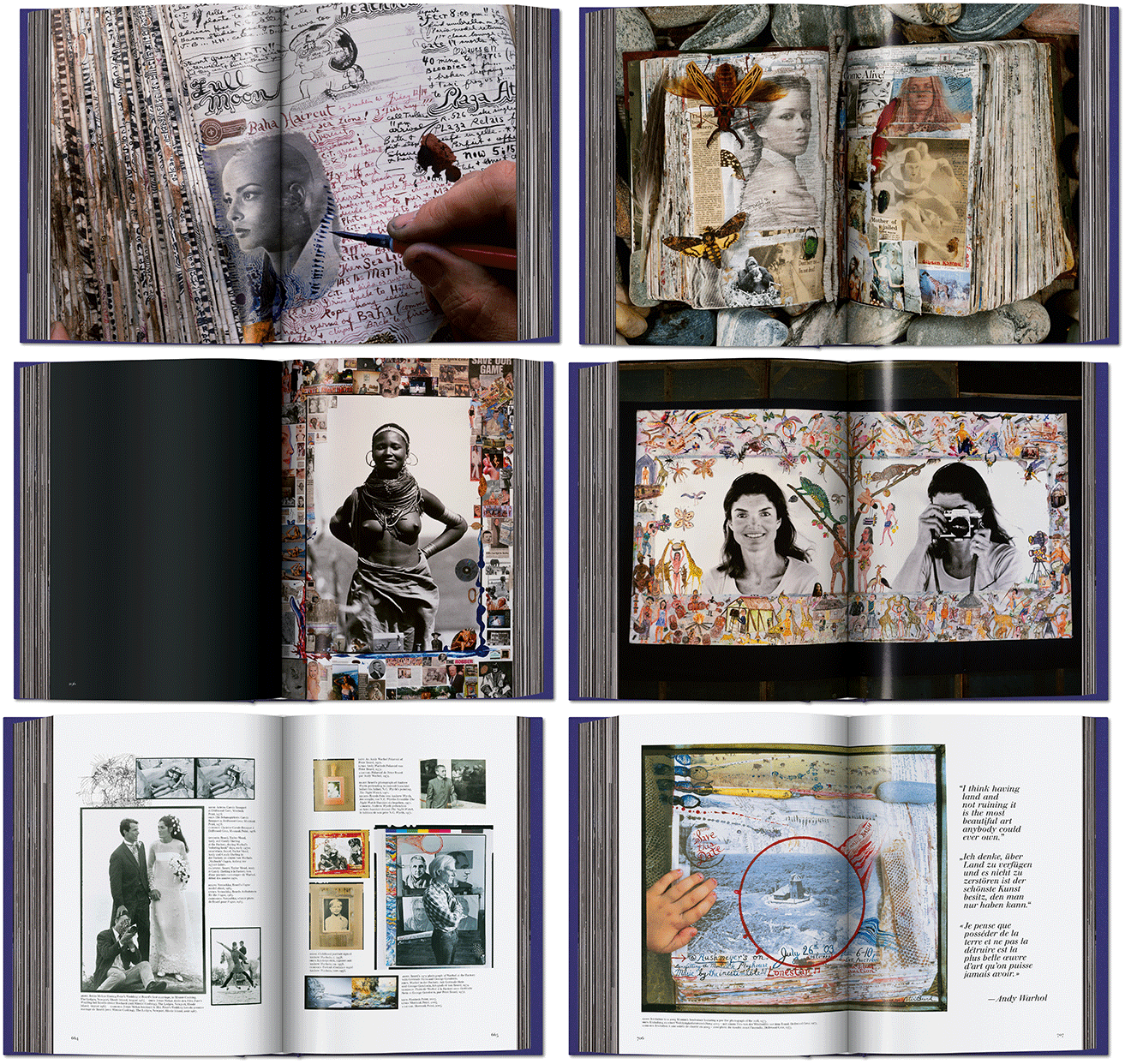
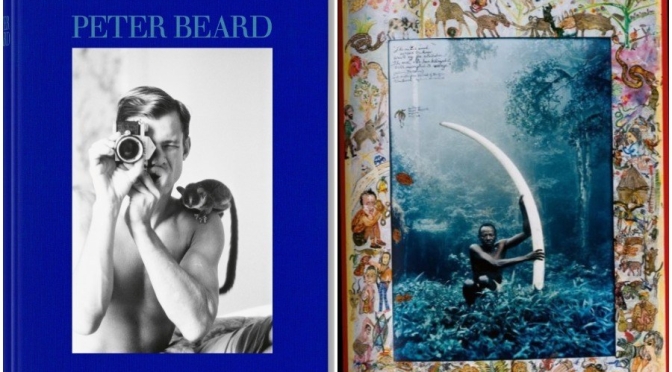
Artist, diarist, collector, and writer Peter Beard has fashioned his life into a work of art; the illustrated diaries he kept from a young age evolved into a serious career as an artist and earned him a central position in the international art world.
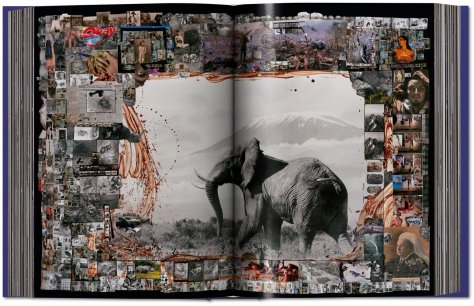
After spending time in Kenya and striking up a friendship with the author Isak Dinesen (Karen Blixen) in the early 1960s, Beard bought 50 acres next to her farm with the stipulation that he would film and write about the land and its flora and fauna. He witnessed the dawn of Kenya’s population explosion, which challenged finite resources and stressed animal populations—including the starving elephants of Tsavo dying by the tens of thousands in a wasteland of eaten trees. So he documented what he saw—with diaries, photographs, and collages. He went against the wind in publishing unique and sometimes shocking books of these works, including The End of the Game. The corpses were laid bare; the facts carefully recorded, sometimes in type and often by hand. Beard uses his photographs as a canvas onto which he superimposes multi-layered contact sheets, ephemera, found objects, newspaper clippings that are elaborately embellished with meticulous handwriting, old-master inspired drawings, and often swaths of animal blood used as paint.
In 2006, TASCHEN first published the book that has come to define his oeuvre, signed by the artist and published in two volumes. It sold out instantly and became a highly sought-after collector’s item. In the decade since, the monograph has been revived in two smaller versions; but sometimes, bigger is better. Now, the book you haven’t been able to get your hands on is available in one large-format volume.
The artist
Born in New York City in 1938, Peter Beard began taking photographs and keeping diaries from early childhood. By the time he graduated from Yale University, he had developed a keen interest in Africa. Throughout the 1960s and ’70s he worked in Tsavo Park, the Aberdares, and Lake Rudolf in Kenya’s northern frontier. A constant creator, Beard the chronicler photographs, writes, draws, collages and assembles a history of his life experiences and our own. He lives in New York City, Long Island, and Kenya with his wife, Nejma, and daughter, Zara.
The editors
Nejma Beard is Peter Beard’s agent and Executive Director of the Peter Beard Studio. Her spirit and experience are synchronous with Beard’s—having been born and raised in Kenya. This deep familiarity and a devotion to a place and a people forms their unique collaborative relationship. Primary to her work is a deep concern for the future of the world and a commitment to ecologic efforts. She curates exhibitions, art-directs photo shoots, and edits and assists with all Beard publications.
David Fahey is co-owner of the Fahey/Klein Gallery, Los Angeles. During his 31-year career in the field, he has collaborated on over 45 fine art photography books. He is the co-vice president of the Herb Ritts Foundation and serves on the Photography Advisory Council for the J. Paul Getty Museum.
The authors
Owen Edwards has written about photography for more than 30 years for numerous publications including American Photographer, New York Times Magazine, and Smithsonian.
Steven M. L. Aronson, a former book publisher, is a writer and editor. He edited and published Peter Beard’s book Longing for Darkness and wrote the T.V. special The End of the Game. He is the author of HYPE and the co-author of Savage Grace.
The contributor
Ruth Ansel is an award-winning art director known for her innovative design at many of America’s top fashion and cultural magazines since the 1960s. Ansel Design Studio (est. 1992) has produced international fashion campaigns and books with photographers including Peter Beard, Richard Avedon, and Annie Leibovitz.
Read more or purchase


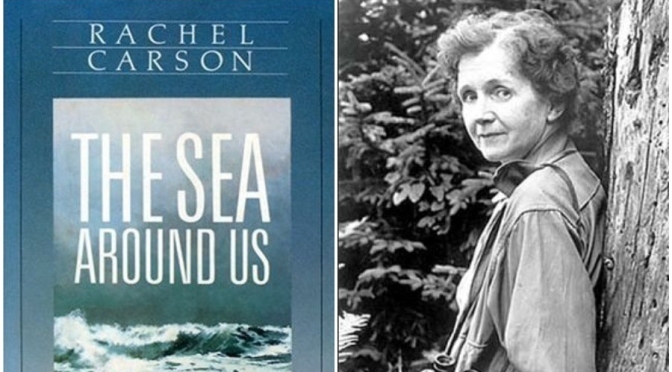
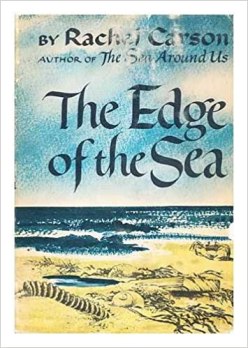
 Before she published “Silent Spring,” one of the most influential books of the last century, Rachel Carson was a young aspiring poet and then a graduate student in marine biology. Although she couldn’t swim and disliked boats, Carson fell in love with the ocean. Her early books—including “
 Jill Lepore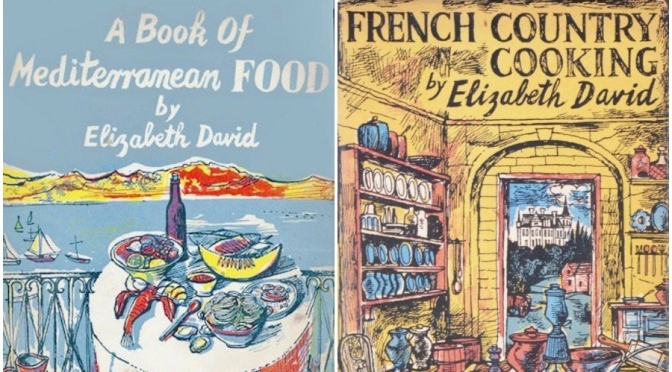
 Minton had gone on to produce a series of spectacularly colourful oil paintings of Corsica on his return to London, exhibiting them at the Lefevre Gallery in 1949. Many of them depicted fruit and fish and other ingredients for Mediterranean cuisine, and so confirmed Minton as the obvious choice for the David commission.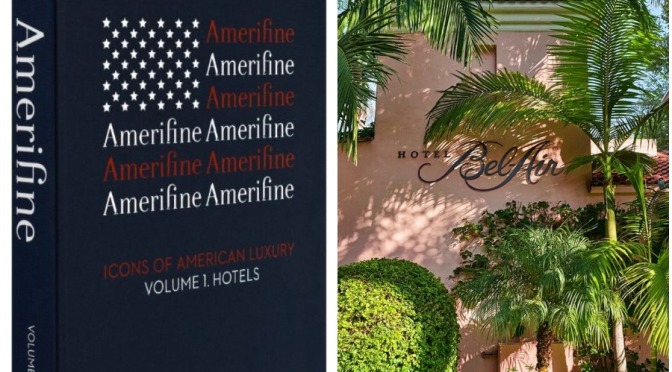
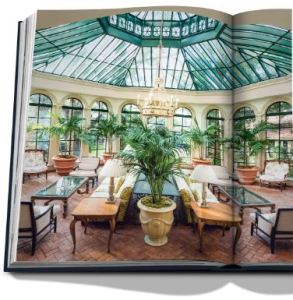 what the United States can offer: extraordinary locations, exquisite design, fantastic food, and boundless comfort. These first-class establishments are run by American hoteliers with a passion for proper American hospitality.
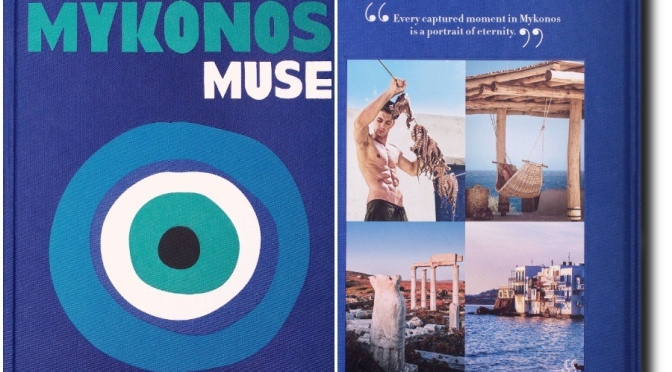
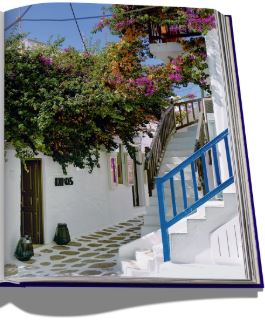 With such names as ‘Paradise’ and ‘Super Paradise,’ the sands of these shores have captured the imaginations and hearts of industry titans, artists, and party-goers alike from all around the globe, marking it as a stable cosmopolitan destination and as a paramount it haven on the jet-set circuit.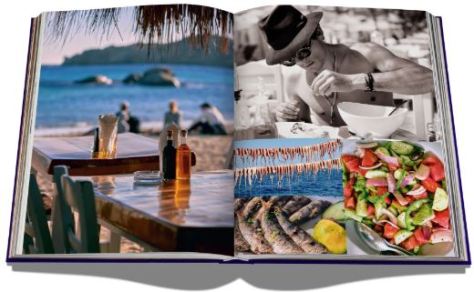
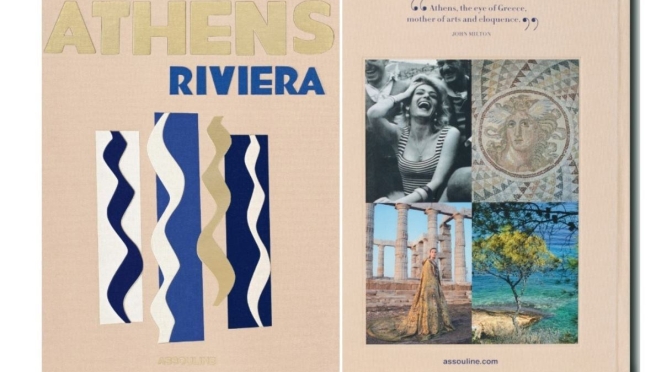
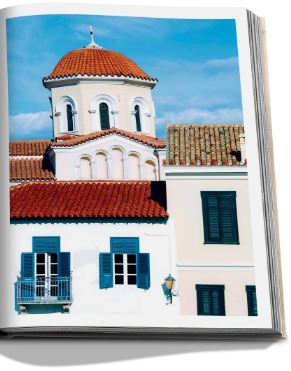 Overlooking the Aegean Sea, a charming string of coastal neighborhoods form the Athens Riviera, a serene escape from the constant activity in the city’s center. A selection of high-end hotels lines the pristine stretch of beaches down to the southernmost point of the Attica Peninsula.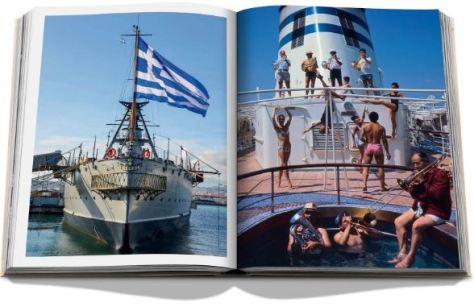
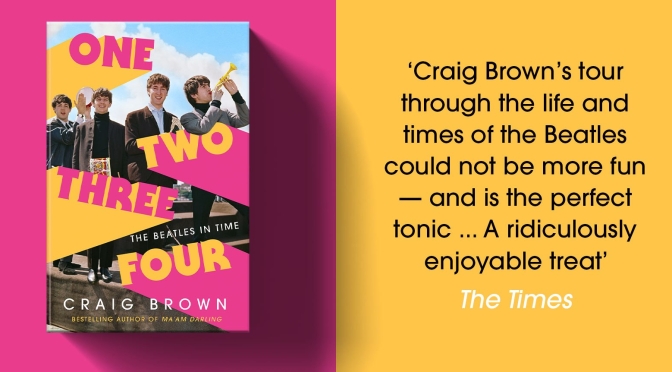
 Robert Bound speaks to writer Craig Brown about his new biography of the Beatles, called ‘One Two Three Four: The Beatles in Time’. How do you say something fresh about one of the most written-about bands in history?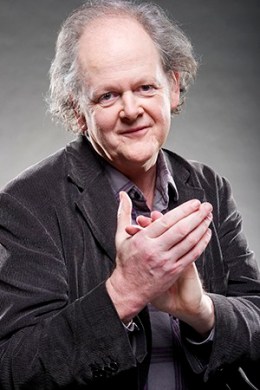

 seashore-dwelling Atlantic puffin. David Sibley’s exacting artwork and wide-ranging expertise bring observed behaviors vividly to life.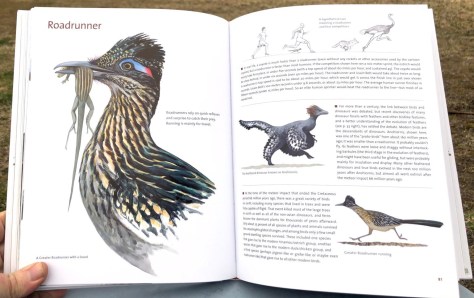
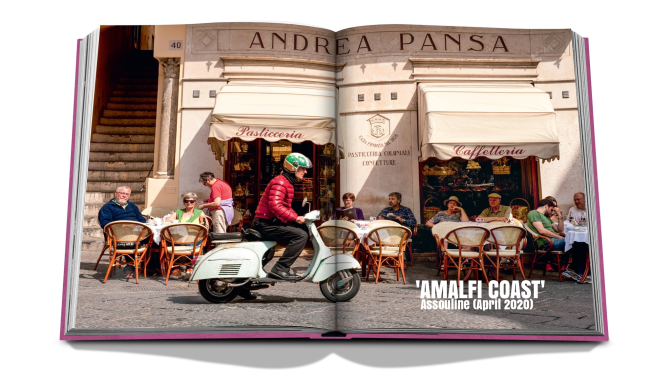
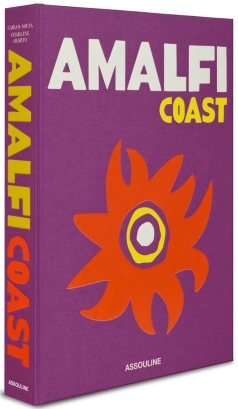 The Amalfi Coast is the pinnacle of the Italian dream. Tucked amongst the lemon blossoms and the bougainvillea is a line of thirteen towns that comprise the Amalfi Coast. Known for its vertical landscape, the villages are only accessible via the Strada Statale 163 — a narrow, winding, cliffside route that while unsettling to traverse, offers unparalleled views.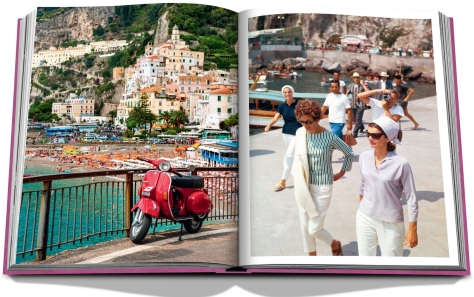
 Boomers Daily