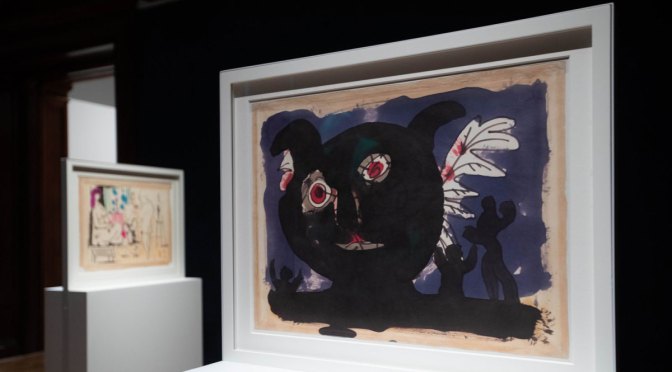
Experience our Picasso and Paper exhibition from your own home in this video tour of the galleries, created before the Royal Academy had to close its doors due to coronavirus.
Picasso didn’t just draw on paper — he tore it, burnt it, and made it three-dimensional. From studies for ‘Guernica’ to a 4.8-metre-wide collage, this exhibition brings together more than 300 works on paper spanning the artist’s 80-year career.
While its focus is on familiar backyard birds–blue jays, nuthatches, chickadees–it also examines certain species that can be fairly easily observed, such as the seashore-dwelling Atlantic puffin. David Sibley’s exacting artwork and wide-ranging expertise bring observed behaviors vividly to life.
The bird book for birders and nonbirders alike that will excite and inspire by providing a new and deeper understanding of what common, mostly backyard, birds are doing–and why.
“Can birds smell?” “Is this the same cardinal that was at my feeder last year?” “Do robins ‘hear’ worms?” In What It’s Like to Be a Bird, David Sibley answers the most frequently asked questions about the birds we see most often. This special, large-format volume is geared as much to nonbirders as it is to the out-and-out obsessed, covering more than two hundred species and including more than 330 new illustrations by the author.
And while the text is aimed at adults–including fascinating new scientific research on the myriad ways birds have adapted to environmental changes–it is nontechnical, making it the perfect occasion for parents and grandparents to share their love of birds with young children, who will delight in the big, full-color illustrations of birds in action. Unlike any other book he has written, What It’s Like to Be a Bird is poised to bring a whole new audience to David Sibley’s world of birds.
DAVID ALLEN SIBLEY is the author and illustrator of the series of successful guides to nature that bear his name, including The Sibley Guide to Birds. He has contributed to Smithsonian, Science, The Wilson Journal of Ornithology, Birding, BirdWatching, North American Birds, and The New York Times. He is a recipient of the Roger Tory Peterson Award for Promoting the Cause of Birding from the American Birding Association and the Linnaean Society of New York’s Eisenmann Medal. He lives and birds in Massachusetts.
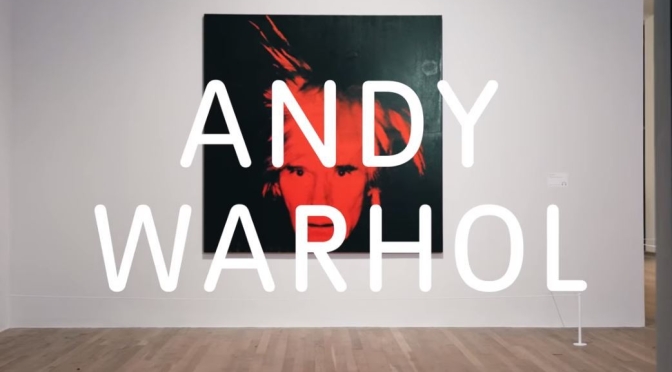
Although our galleries are temporarily closed we wanted to share the Andy Warhol exhibition at Tate Modern with you. Join Tate curators Gregor Muir and Fiontán Moran as they discuss Warhol through the lens of the immigrant story, his LGBTQI identity and concerns with death and religion.
Meet the man behind the brand. It’s a Warhol you might not know, with some artworks you may not have seen before.
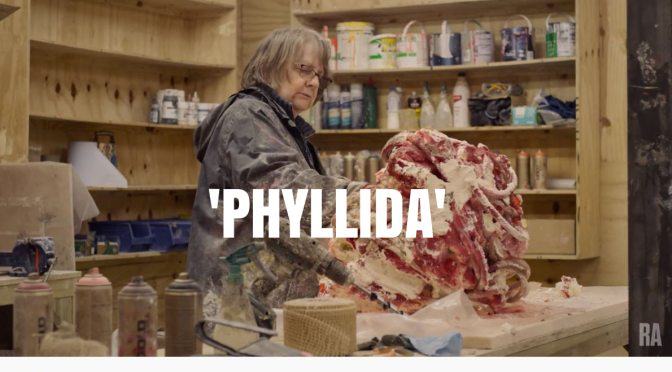
This documentary is an intimate portrait of British sculptor Phyllida Barlow during her preparation for the major survey ‘cul-de-sac’ at the Royal Academy last year. Directed by Cosima Spender, this film maps the roots of Barlow’s oeuvre, as she revisits childhood memories, domestic and urban spaces, and their subsequent role in her creative process.
Phyllida Barlow began studying at Chelsea College of Art in 1960, and went on to study and teach at Slade School of Art for more than twenty years, becoming Emerita Professor in 2009. She was elected a Royal Academician in 2011, and represented Great Britain in the 2017 Venice Biennale, where she created the ambitious installation, ‘folly’.
Watch this evolution and the artist’s influences in ‘PHYLLIDA’. ‘I want the work to be traversed in a way that your memory of it is tested, so that you keep forgetting what you’ve seen’, Barlow explains, ‘I think that is the nature of sculpture – not something that can be held as a whole image in your head, only as fragments… The spaces, the silences in between, are as much a component of the work as the thing itself.”
‘PHYLLIDA’ is produced by Hauser & Wirth, in association with Third Channel and Peacock Pictures.
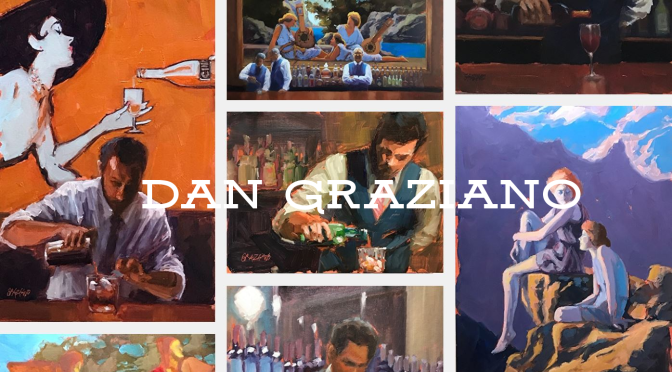
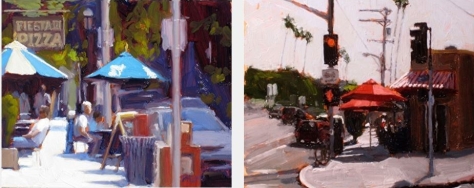
“In my paintings, I try to capture the hidden beauty found in the unexpected places and fleeting moments of everyday life. I continue to be intrigued by the urban landscapes of inner cities – their active streets, time worn buildings and multiple layers of decay, renewal and adaptation – that proudly display the effects of age and use, which I see as testaments to strength, character and authenticity in contrast with modern society’s demand for newness, imitation, disposability and easy duplication.
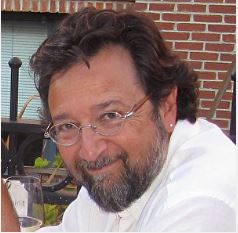
Dan Graziano is an award winning, nationally exhibited artist whose paintings capture the hidden beauty found in the unexpected places and fleeting moments of everyday life. Incorporating dramatic light, shadow, color and perspective, his compositions feature a diversity of subjects – from a simple still life to rugged coastlines, active urban life, lively cafes and bars, small rural towns and forgotten roadside relics. His work has been featured in numerous publications and is in the collections of private and corporate collectors throughout the world.
His artistic vision began taking shape in the 60’s, during America’s explosive political, cultural and artistic awakening. His first formal training focused on advertising and illustration, but a career opportunity in architecture and urban planning altered his original direction.
When he returned to painting, he was drawn to the rich complexity of the urban landscape – inspired by Edward Hopper and other urbanist painters. As an accomplished blues guitarist (his other great passion), he found the city streets, time worn buildings and multiple layers of decay and repair a visual parallel to the spirit and culture of the music.
“My work is influenced by the American realists such as Sargent, Hopper and the three generations of Wyeths along with California painters Wayne Thiebaud and Richard Diebenkorn.”
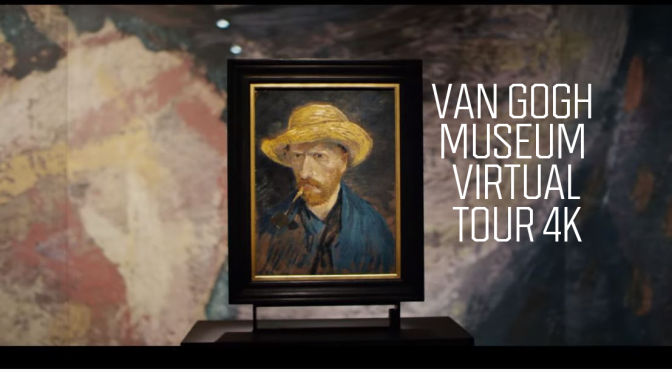
Van Gogh Museum Tour in 4K. Have you always wanted to be alone in the Van Gogh Museum? Step into Vincent’s world and enjoy the private video tour. Episode 4: Van Gogh Museum Amsterdam.
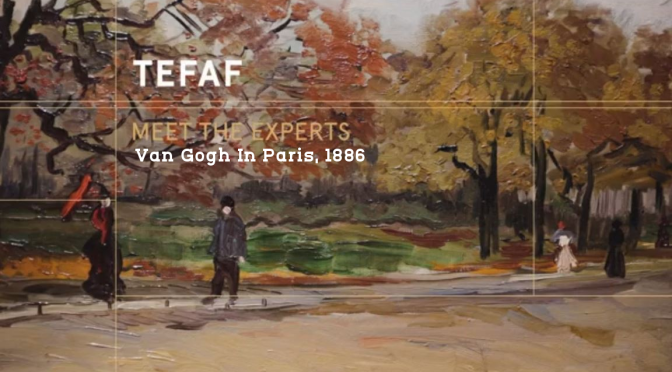
TEFAF’s Meet the Experts presents Howard Shaw from Hammer Gallery shares what Van Gogh would have most likely seen when he visited Paris in 1886. This period of Van Gogh’s life is pivotal to his works as an artist.
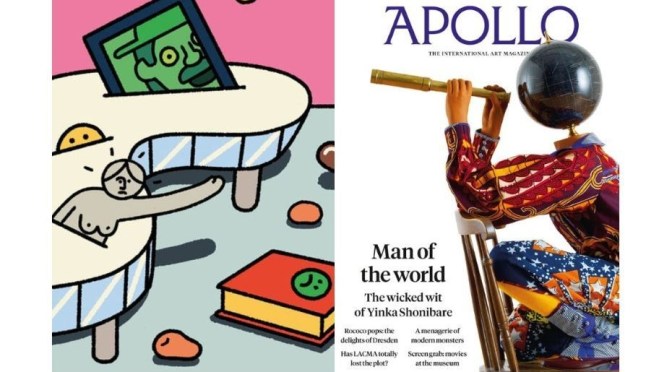
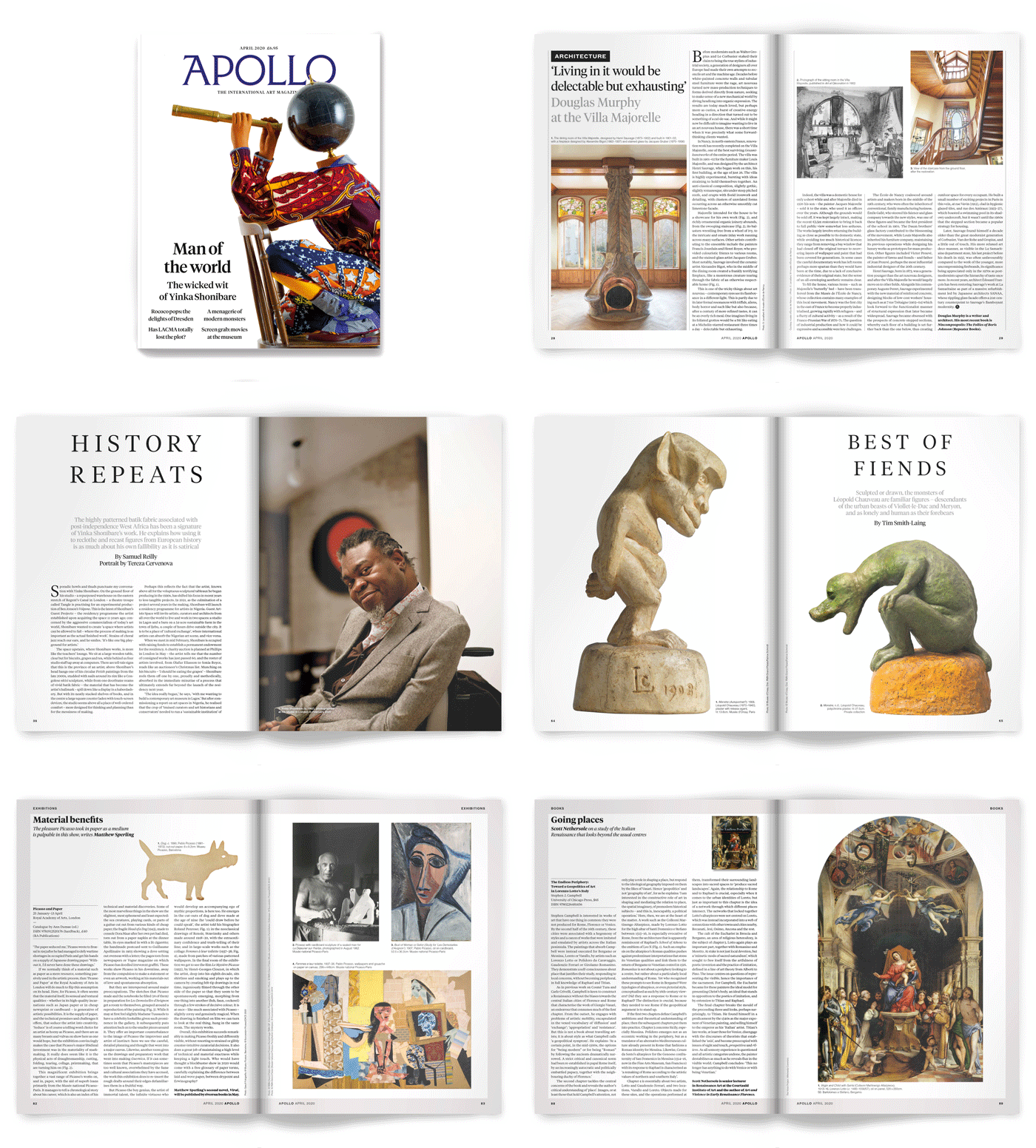
FEATURES | Michael Prodger visits the newly resplendent Gemäldegalerie Alte Meister in Dresden; Yinka Shonibare talks to Samuel Reilly; Seamus Perry considers the visual qualities of Wordsworth’s poems; Tim Smith-Laing on the modern monsters of Léopold Chauveau; Emilie Bickerton looks at how museums tackle the subject of cinema; Christopher Turner talks to Grażyna Kulczyk, founder of the Muzeum Susch
REVIEWS | Matthew Sperling on Picasso’s works on paper at the Royal Academy; Nicholas Hatfull on Edward Hopper at the Fondation Beyeler; Scott Nethersole on Renaissance art in the regions of Italy; Alan Powers on the life of Humphrey Stone; Max Norman on a new study of Poussin; Peter Parker on John Minton’s illustrations for Elizabeth David’s cookery books
MARKET | Tim Maxwell and Tamara Bell on cybersecurity; and the latest art market columns from Susan Moore and Emma Crichton-Miller
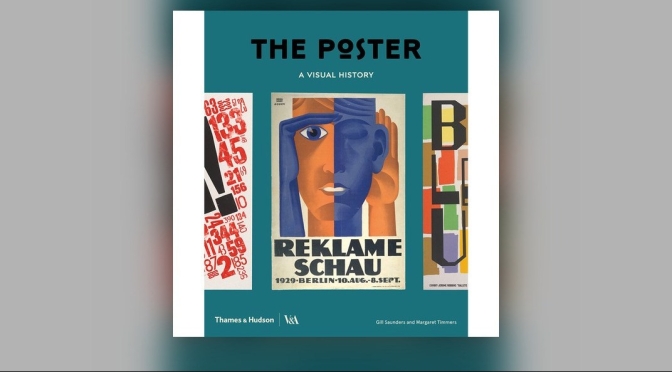
Monocle 24 speaks with Gill Saunders and Margaret Timmers about their upcoming book ‘The Poster’ from Thames & Hudson in partnership with the V&A.
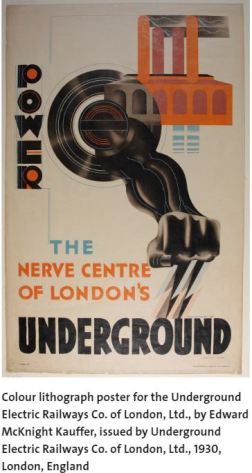
Featuring posters from the world-class collection of the Victoria and Albert Museum, this book is the perfect resource for all those who appreciate one of the most popular art forms.
Even in the digital age, the printed poster has continued to be one of the most influential and well-loved ways of informing and entertaining audiences. A powerful means of mass communication, posters are an invaluable resource for understanding the time periods in which they were produced and distributed and have often played key roles in shaping society.
Organized into seven thematic chapters, The Poster brings together more than 300 examples that offer a comprehensive history of the poster as a medium that has been used to share, sell, or incite political and social change. The text traces the poster through innovations in design, illustration, typography, and printing, as well as movements in art, including Art Nouveau, modernism, Art Deco, psychedelia, and punk.
Featuring works by A. M. Cassandre, Henri de Toulouse-Lautrec, Alphonse Mucha, Milton Glaser, Paula Scher, and Peter Gee, and many more, this book is an essential resource for graphic designers, illustrators, and anyone interested in social and political history.


 seashore-dwelling Atlantic puffin. David Sibley’s exacting artwork and wide-ranging expertise bring observed behaviors vividly to life.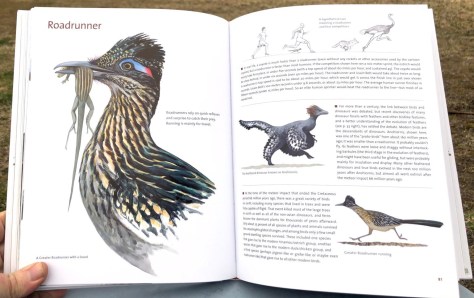
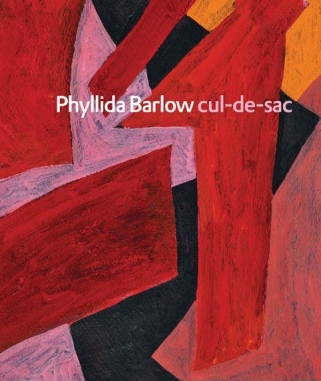 year. Directed by Cosima Spender, this film maps the roots of Barlow’s oeuvre, as she revisits childhood memories, domestic and urban spaces, and their subsequent role in her creative process.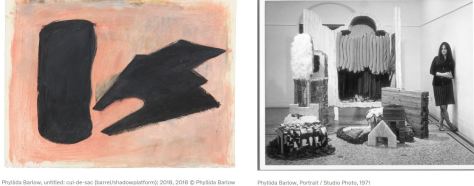
 Monocle 24 speaks with Gill Saunders and Margaret Timmers about their upcoming book ‘The Poster’ from Thames & Hudson in partnership with the V&A.
 Museum, this book is the perfect resource for all those who appreciate one of the most popular art forms.

 Boomers Daily