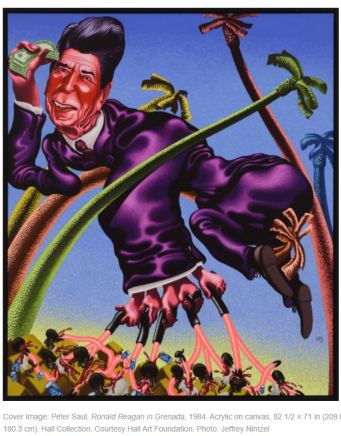
 Beginning in the early 1960s, Peter Saul began to incorporate imagery borrowed from a range of pop-cultural sources into his exuberant, brightly colored paintings, adopting a style that has proven to be far ahead of its time. His work developed independently from concurrent art historical movements like Pop art, with which it shares some superficially similar concerns. Instead of the cool detachment of Andy Warhol and Roy Lichtenstein, however, Saul crafted his own unique blend of Surrealism, history painting, vernacular illustration, and the real-life shock and horror of current events.
Marking the artist’s first New York museum survey, this exhibition will bring together approximately sixty paintings from across his long career.
Saul’s earliest paintings, which he created in Paris, demonstrate a loose, gestural style of abstraction, yet he began to incorporate text, recognizable characters, and consumer products into his works as early as 1960. Around this time, he plucked figures like Donald Duck and Superman from the pages of comic books and deposited them into chaotic scenes representative of the avarice and violence of America. In the late 1960s and early 1970s, Saul created some of his most shocking and indelible works in response to the Vietnam War, with a series that captured the conflict’s grotesque brutality, racism, and destruction. A later group of paintings, which examines the chaotic sociopolitical fabric of urban life in California, reflects the dissolution of 1960s counterculture and the corruption, racism, and greed of US politics.
Saul extended his interrogation of American history in his portraits of infamous criminals like John Wayne Gacy, archetypes like cowboys and businessmen, and US presidents such as Ronald Reagan, George W. Bush, and Donald Trump, whom Saul depicts with disdain and condemnation. He has also looked further back to reimagine supposedly triumphant scenes from America’s past—including Columbus’s arrival in America, Washington crossing the Delaware, and Custer’s Last Stand—as moments of comical failure or disgrace. With a caustic sense of humor, Saul has continuously skewered America’s leaders, rendering their stretched, distorted bodies in Day-Glo colors. His disparate influences range from MAD magazine comics to Surrealist fantasies and American social realist painting from the 1930s.
Peter Saul is an American painter. His work has connections with Pop Art, Surrealism, and Expressionism. His early use of pop culture cartoon references in the late 1950s and very early 1960s situates him as one of the fathers of the Pop Art movement. He realised about 800 paintings during his career.
Website


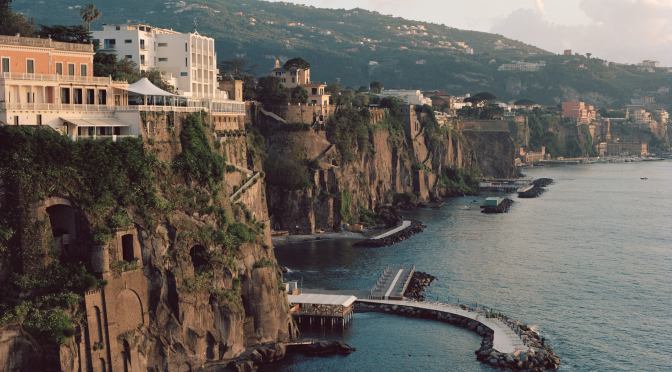
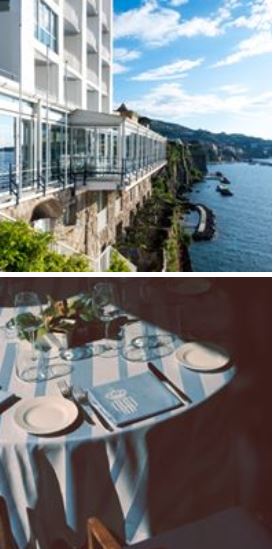 Of all Gio Ponti’s 100-odd buildings, Sorrento is the only hotel where you can still stay, fully immersed in his art — for as well as the building itself he designed every last detail. He was not just an architect, but a designer — of interiors, furniture, industry, cars — an artist and a ceramicist, a writer and a teacher; and at Parco dei Principi his passion for so many disciplines converged in one triumphant paean to modernity.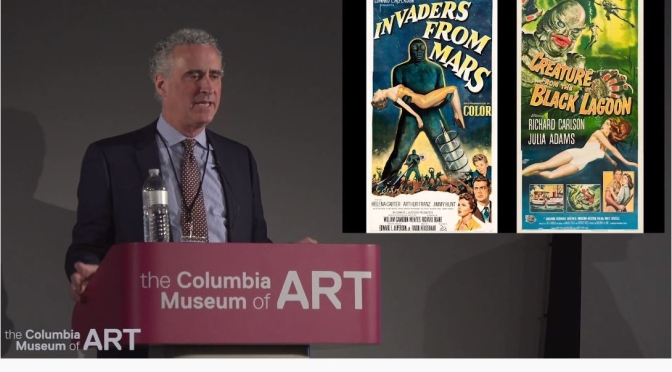
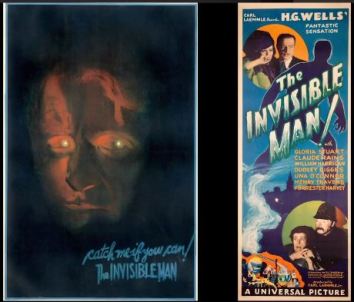 of art history. Finamore is the curator of Maritime Art and History at the Peabody Essex Museum. Best known as lead guitarist of the famed rock band Metallica, Kirk Hammett is also an obsessive collector of visually arresting horror and sci-fi film art and has dedicated the last three decades to creating one of the world’s most important collections.
 The Bizzarrini Strada (also 5300 GT Strada and 5300 GT), was a gran turismo automobile produced by Bizzarrini from 1964 to 1968. Sold as an exceptionally low slung 2-seat coupe, roadster, and track-tuned “Corsa” racer, it proved their most successful model.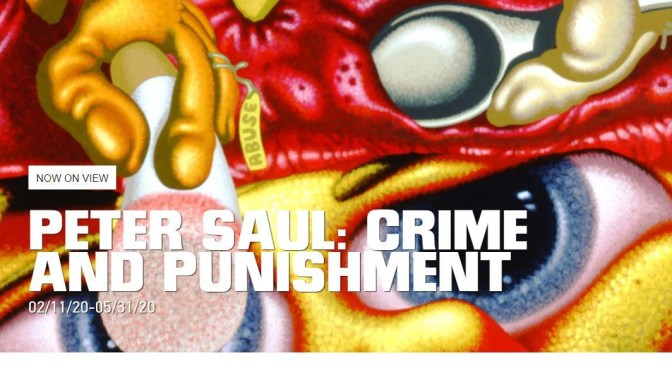
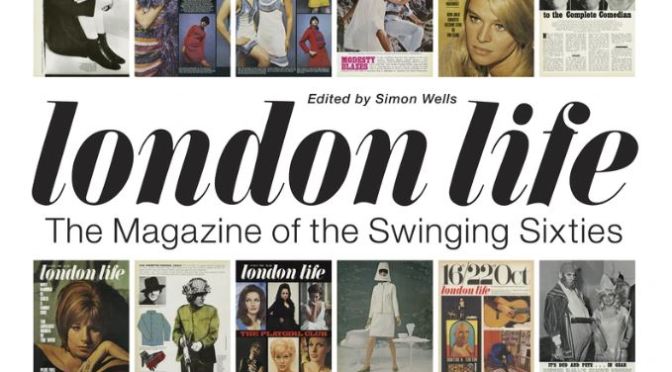
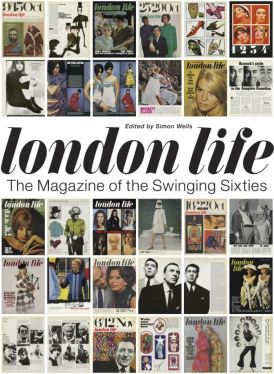 With imagery from the likes of David Bailey, Duffy and Terence Donovan, designs from Peter Blake, David Hockney, Gerald Scarfe and fledgling artist Ian Dury plus words and opinions from those riding high on the city`s cutting-edge, London Life remains the coolest document from the capital’s most exciting period.
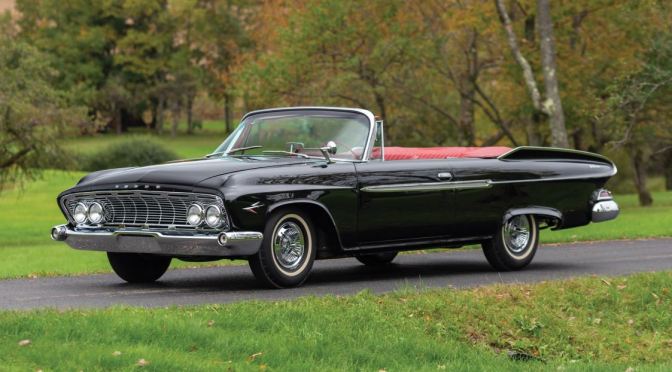
 For the 1961 model year, the Dart continued as the smallest full-size Dodge. It retained the 118 in (2,997 mm) wheelbase, and was restyled to emulate the larger Polara. The same three trim levels were available: the premium Phoenix, mid-range Pioneer, and base Seneca. Once again, wagons shared the Polara’s 122 in/310 cm wheelbase; they also shared the Polara’s unique side-mounted taillights.
 The Dart name originally appeared on a 1956 Chrysler show car featuring a streamlined body designed by the Italian coachbuilder Carrozzeria Ghia that was later modified and renamed the Dart Diablo. The production Dart was introduced as a lower-priced, full-size Dodge in 1960 and 1961, became a mid-size car for 1962, and then was a compact from 1963 to 1976.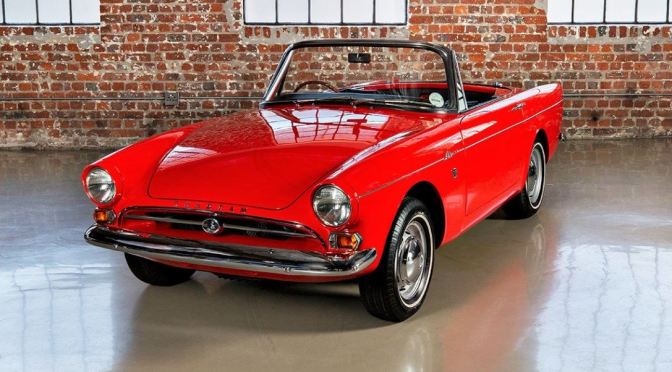
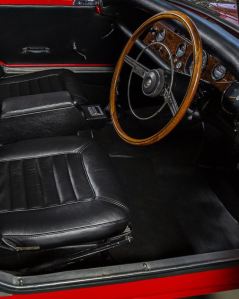 The Sunbeam Tiger is a high-performance V8 version of the British Rootes Group’s Sunbeam Alpine roadster, designed in part by American car designer and racing driver Carroll Shelby and produced from 1964 until 1967. Shelby had carried out a similar V8 conversion on the AC Cobra, and hoped to be offered the contract to produce the Tiger at his facility in the United States. Rootes decided instead to contract the assembly work to Jensen at West Bromwich in England, and pay Shelby a royalty on every car produced.
 Boomers Daily