
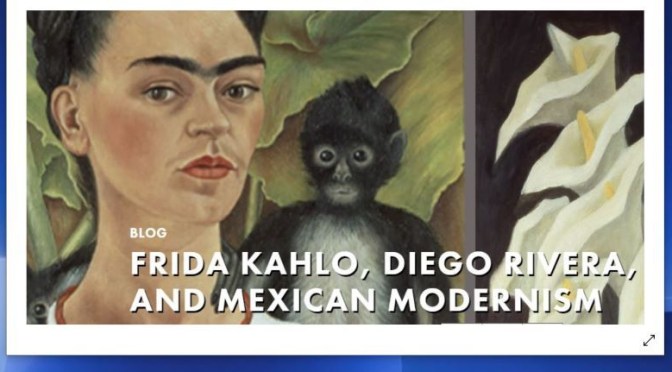
“Frida Kahlo, Diego Rivera, and Mexican Modernism from the Jacques and Natasha Gelman Collection” is on view at the Denver Art Museum through January 24, 2021.
Category Archives: Culture
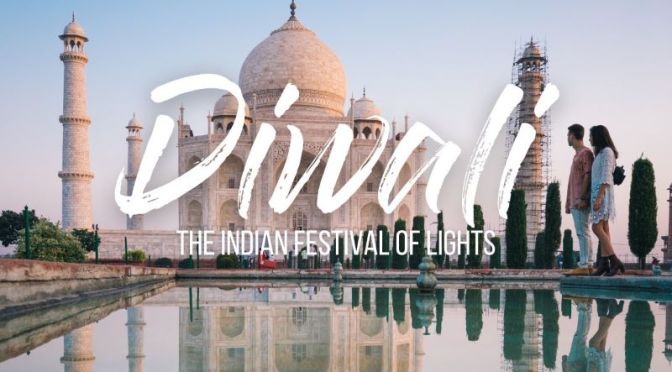
Destinations: ‘Diwali – The Indian Festival Of Lights’
Diwali is India’s biggest and most important holiday of the year, observed by more than a billion people across faiths. Known as the Festival of Lights, it is a 5-day celebration bringing prayer, feasts, fireworks, family gatherings and, for some, a new year.
Derived from the Sanskrit “dipavali”, which means “row of lights,” Diwali is known for the brightly burning clay lamps that celebrants line up outside their homes to cherish the victory of good over evil. With this year’s coronavirus pandemic affecting the celebration, may we be able to derive comfort from the spirit of the holiday—the belief that, eventually, light will triumph over darkness.
A Beautiful Destinations Original Filmed, Directed and Edited by Sam Kolder https://www.instagram.com/samkolder/

Travel & Culture Video: ‘The French Pyrenees’
Surrounded by 16 peaks, the cirque de Gavarnie is a must-see for lovers of hiking. Listed as a UNESCO World Heritage site, it’s one of the natural wonders of France’s Pyrenees. Philippe loves these mountains and spends all his time here. He appreciates the peace and quiet that nature offers. Philippe is also the manager of one of the region’s hostels, where he welcomes passing hikers. Next door, we meet farmer Pascal and his flock of sheep.

Food & Beverage: ‘How Tea Is Enjoyed Around World’
Tea is deeply rooted in many cultures. It tends to be more than just a beverage in countries around the world, but a moment of togetherness and connection. From the very first cup of tea, dating back to ancient China in 2732 BC, tea and tea culture have impacted the very way countries socialize. There are many rituals and traditions for tea as well as many different types. From Taiwan’s bubble tea to Argentina’s yerba mate, we look at TK ways teas are enjoyed around the world.
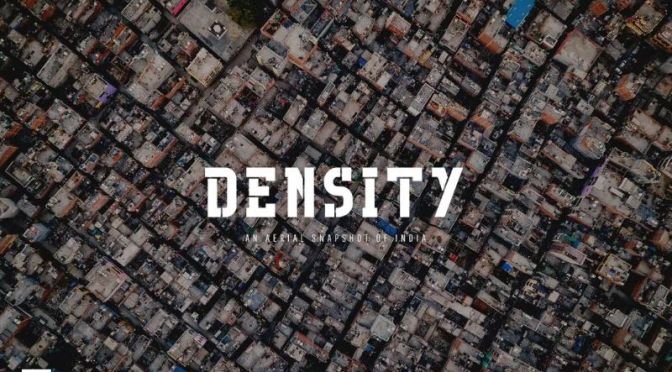
Travel Videos: ‘Density’ – An Aerial View Of India
Filmed and Edited by: Matt Horspool
After watching the new ‘Extraction’ Movie on Netflix, I was inspired to go back and piece together this small number of aerial clips I took during my project in India, 2019.
Never before have I seen such density and organised chaos in one single country. I was also totally blown away at how rich the culture and landscapes were. Yet, there were moments (desert scene) where it felt as if we had been transported from India to another country, as there were literally no other people around. A stark contrast to the cities.
MUSIC FROM ARTLIST – Artlist is the most incredible platform where I source all music content for my films and videos. What makes it great for people like us, is that you only pay a small yearly fee, and get unlimited downloads and usages. No more extortionate licencing fees!
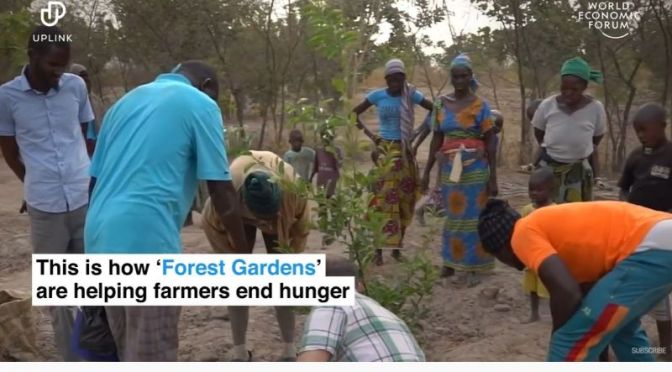
Ecology & Culture Video: ‘Forest Gardens’ Helping To End World Hunger
By planting fast-growing trees that nurture the soil and create a nutrient dense ground, local farmers are transforming exhausted lands into fertile and productive fields.
The World Economic Forum is the International Organization for Public-Private Cooperation. The Forum engages the foremost political, business, cultural and other leaders of society to shape global, regional and industry agendas. We believe that progress happens by bringing together people from all walks of life who have the drive and the influence to make positive change.
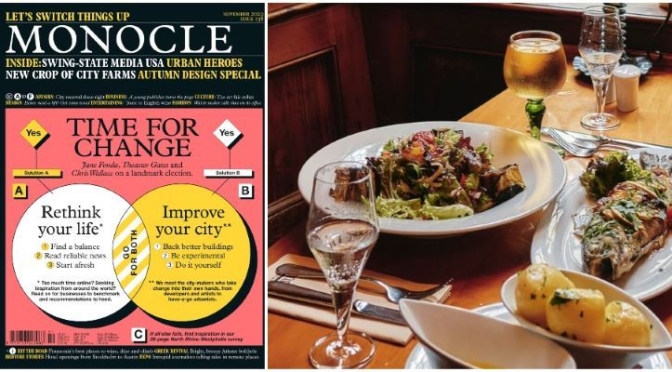
Preview Video: ‘Monocle Magazine’- November 2020
As a landmark US election approaches, Jane Fonda, Theaster Gates and Chris Wallace offer their thoughts on where the country should go next. Change elsewhere comes in the form of city farms, the latest design finds and an art fair redux. Plus: we survey North Rhine-Westphalia, a region on the up.
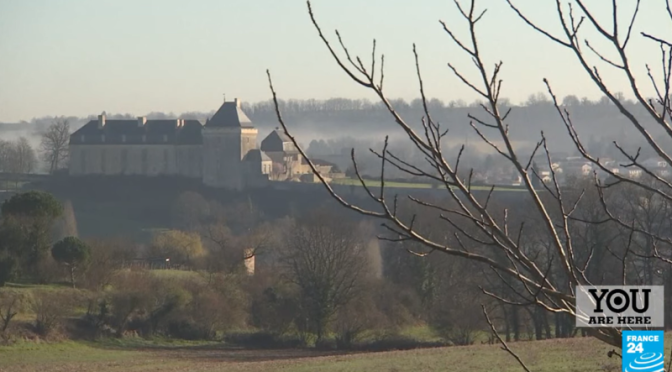
Travel & Culture Videos: ‘Charente Region’, France
Roumazières-Loubert is known as the “city of clay”. This small town in France’s western Charente region has been turning the precious raw material into tiles for more than a century. For 40 years, Bernadette has been passionate about working with clay and says the local factory has become her second home. A little further south, the town of Chalais boasts opulent villas along the railway line: a unique architectural heritage. Jean-Louis shows us the impressive medieval castle, while Joël takes us to discover the world of traditional cattle farming, with calves fed under their mothers.
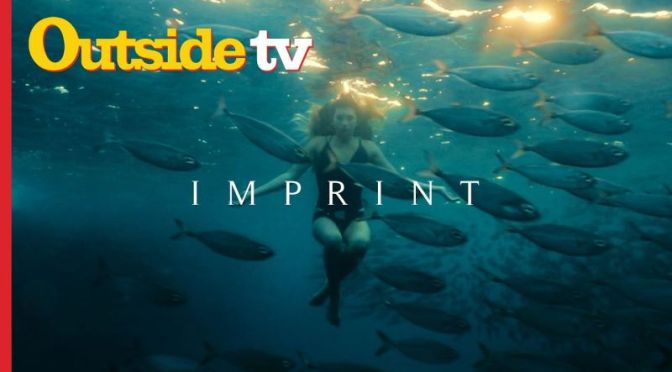
Ocean Culture & Sports: Spearfishing On North Shore Of O’ahu, Hawai’i
What does it mean to be connected to our food? What is the balance between taking life and giving life?
Based on the North Shore of O’ahu, IMPRINT is the story of two souls, whose lives have intertwined with the ocean. Shane Hamamoto, who has lost the ability to spearfish and dive, from barometric trauma now expresses his passion for the ocean through Gyotaku – the traditional art of Japanese fish printing.
Alicia Holland, a young spearfisher woman from the Big Island of Hawai’i, has taken her love for the ocean to support her family and as an outlet through nature. She recognizes that she is growing up in an age of abundance and grocery stores – the aching unnaturalness of modern amenities has had her resort back to the thrill of the hunt.
We follow her life as she navigates the taboos and rewards associated with spearfishing.

Travel: Ten Underrated African Countries (Video)
Filmed and Produced by: Displore
Africa is the second largest continent in the world in terms of both land area and population, only after the Asian continent. Despite the ignorant thought that Africa is one country, Africa is home to 54 sovereign countries, and might be the world´s most diverse continent with very different and unique culture. The diversity makes Africa one of the world´s most interesting travel destination with several countries to choose from. The first thing most people will think of when planning a trip to Africa is the amazing wildlife the continent has to offer. With over 1100 different types of mammals most choose countries with the “big five animals “, national parks and the most popular countries but Africa has so much more to offer than just the most popular countries.
 Boomers Daily