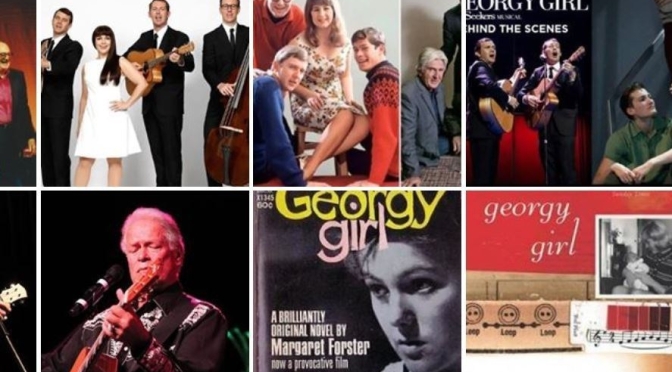
Soundtrack/theme music from the 1966 Silvio Narizzano film “Georgy Girl,” with Lynn Redgrave, James Mason, Alan Bates & Charlotte Rampling.

Soundtrack/theme music from the 1966 Silvio Narizzano film “Georgy Girl,” with Lynn Redgrave, James Mason, Alan Bates & Charlotte Rampling.
From Wallpaper.com:
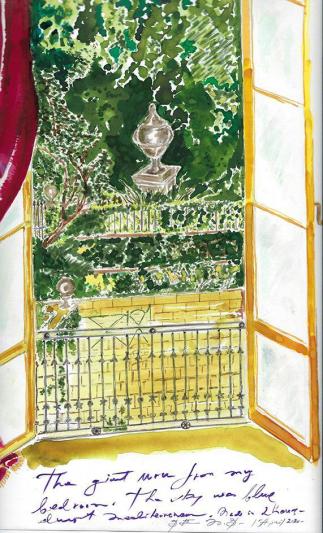
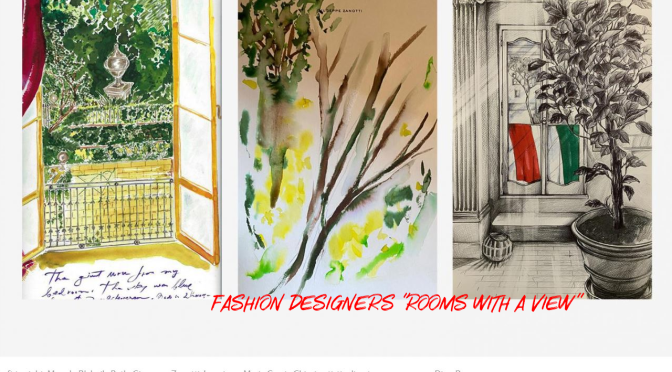
As fashion designers have acclimatised to this new, four wall-defined way of life, from Beijing to Berlin, London to Longiano, we’ve invited those within our creative community to document by hand what they can see from their work desk or window. Here we present our rooms with a view.
From Manolo Blahnik to Margaret Howell, we’ve invited fashion designers to document by hand what they can see from their work desk or window, be it a view of a verdant garden landscape, or an urban snapshot of baroque architecture.
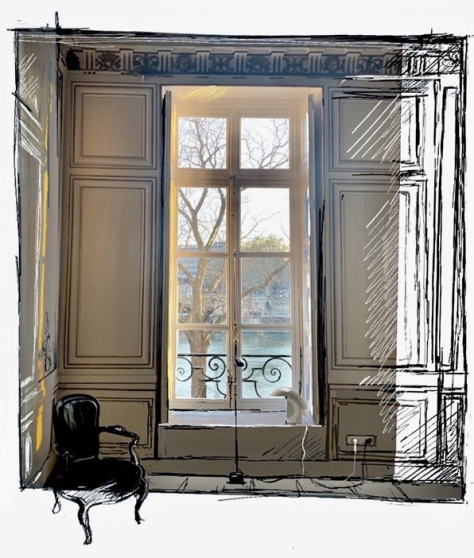
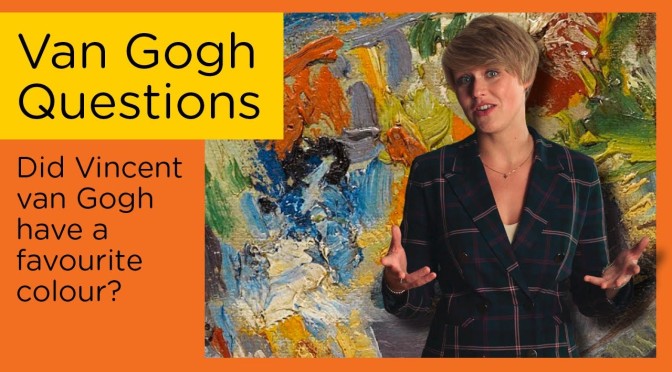
In Van Gogh Questions, our researcher Bregje Gerritse answers the most frequently asked questions about Vincent van Gogh.

From a Stanford Engineering article (April 8, 2020):
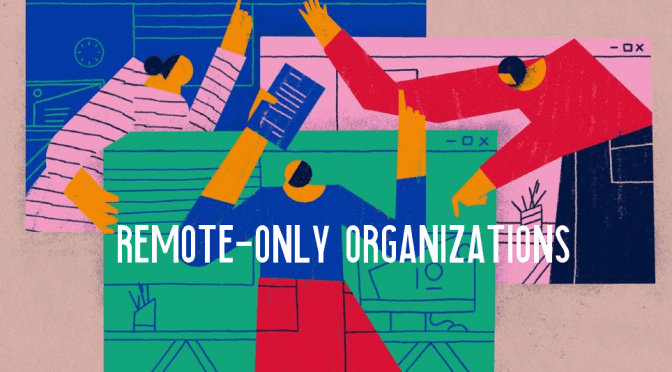
 Companies that structure themselves as location-independent have developed norms and practices that bridge the emotional and logistical distances. The same is true for their workers. For such companies, remote-only work can reduce costs, expand the talent pool and boost productivity. By contrast, being forced by a crisis to work remotely is likely to be disruptive and frustrating. It may be better than shutting down, but it will likely lead to a big drop in productivity.
In the span of a single month, the COVID-19 pandemic has forced companies and organizations of all types to have almost all of their employees work remotely from home.
Has the future of work, the all-remote workforce and even the virtual organization, arrived in full force? Though online technologies have made remote work increasingly common, most companies and organizations are still run out of brick-and-mortar facilities. Now they are scrambling to stand up virtual workspaces overnight.
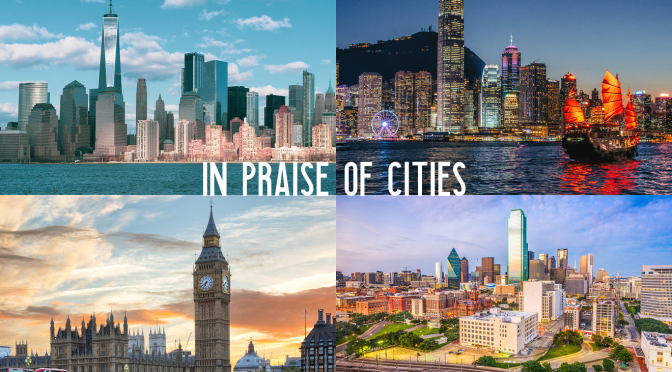
 We ask our housebound editors and correspondents across the globe to reflect on what they cherish about the places in which they live and to pen a love letter to their cities: London, Hong Kong, Rio de Janeiro, Toronto and Milan.
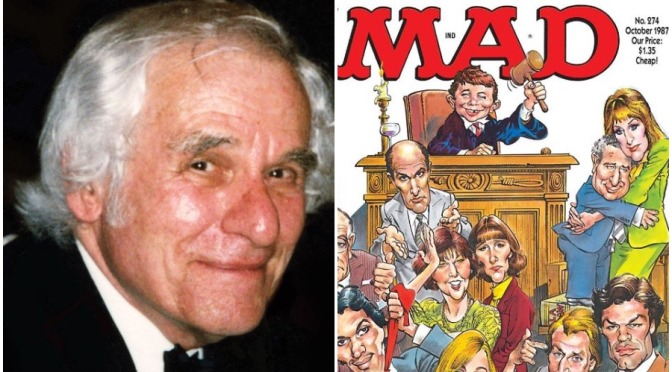
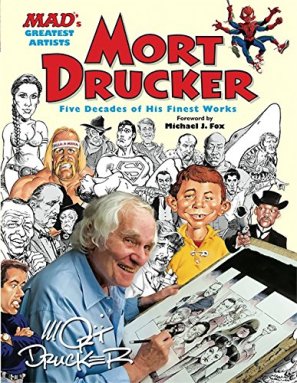 MAD Magazine and DC Comics mourn the loss of Mort Drucker, whose artwork proved that parody is the sincerest form of flattery. “Mort was one of the best—maybe the best—caricature artists in the world,” said DC Chief Creative Officer and Publisher Jim Lee. “His work will continue to entertain for generations.”
Mort entered the comics field when he was 18, working as a production artist for DC. His first original piece of art was a one-pager titled “Tinker Tom Shows You How to Make Fancy Western Duds,” published in All-American Western #117 in December 1950. In 1956, Mort met with MAD publisher Bill Gaines during a Dodgers vs. Yankees World Series game. “If the Dodgers win, you’re hired,” said Gaines. They did win, and Mort began a career at MAD that would span the next five decades, and most notably brought to life the magazine’s infamous parodies of TV shows and films.
Mort won numerous awards and honors for his work, including the Reuben Award for Outstanding Cartoonist of the Year in 1987. He was inducted into the Will Eisner Hall of Fame in 2011, and in 2015 became the inaugural recipient of the National Cartoonists Society’s Medal of Honor. He received an honorary Doctorate in Fine Arts from the Art Institute of Boston, and his TIME Magazine covers hang in the National Portrait Gallery.
Maryland and Delaware are two small states of great historical significance. Highlighted by the great bays of the eastern seaboard: Chesapeake and Delaware, both states are defined by the legacies of their colonial pasts. This aerial journey reveals their giant stature in the history of America.
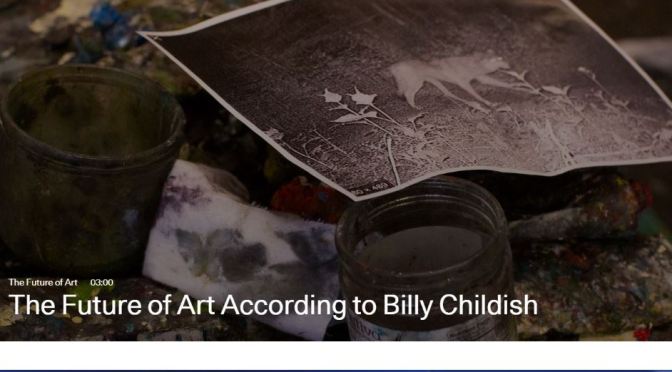
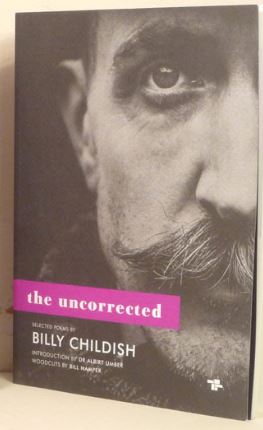 “The art world is the same as the rest of the world,” says British artist, writer, and punk-rocker Billy Childish. “What it requires is new, more, and now.” Childish has worked defiantly and prolifically outside of the mainstream since his expulsion from art school in the early 1980s. To the polymath—whose paintings, poems, novels, and music draw heavily from his autobiography—art is a deeply personal experience that should not rely on external validation, whether from critics or audiences. From his painting studio located on a historic dockyard in Kent, United Kingdom, Childish speaks passionately about the freedom that comes with self-validation. When asked about his perspective on the future of art, he demurs. “People think we’re continually ascending a mountain to success or to enlightenment,” he says. “It’s here and now and this is it.”



 Boomers Daily