Monocle’s Emma Nelson speaks to Vincent McAviney and Rob Cox, plus we hear from The Saturday Paper’s Karen Middleton, and check in with Tokyo and Ljubljana.
Sonnet 44 is one of 154 sonnets written by the English playwright and poet William Shakespeare. It is a member of the Fair Youth sequence, in which the poet expresses his love towards a young man. Sonnet 44 is continued in Sonnet 45.
Sonnet XLIV
If the dull substance of my flesh were thought, Injurious distance should not stop my way; For then despite of space I would be brought, From limits far remote, where thou dost stay. No matter then although my foot did stand Upon the farthest earth removed from thee; For nimble thought can jump both sea and land As soon as think the place where he would be. But ah! thought kills me that I am not thought, To leap large lengths of miles when thou art gone, But that, so much of earth and water wrought, I must attend time’s leisure with my moan, Receiving nought by elements so slow But heavy tears, badges of either’s woe.
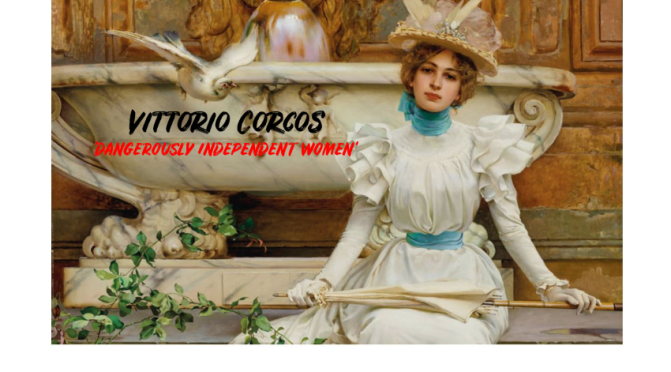
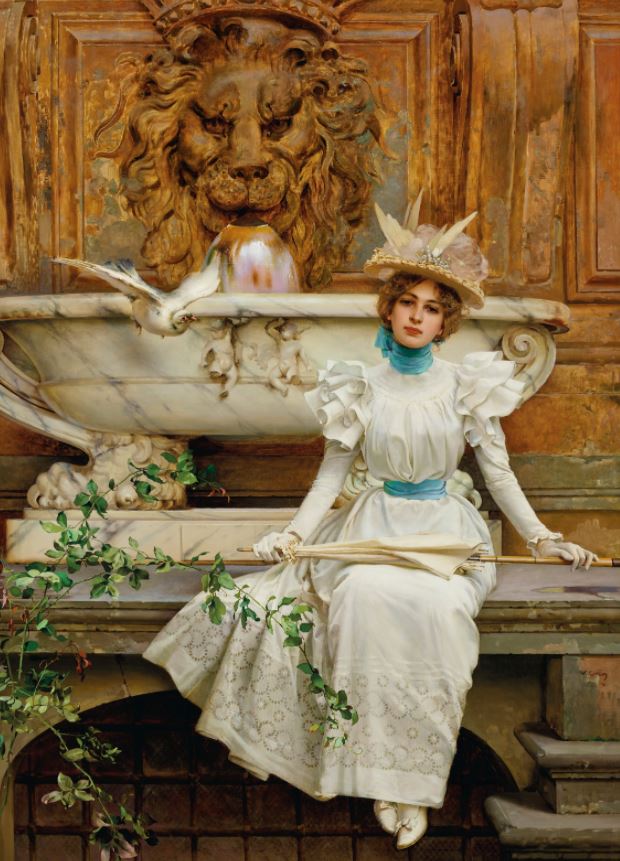
He went on to become a highly respected portraitist, counting Kaiser Wilhelm II of Germany, Benito Mussolini and opera star Lina Cavalieri among his subjects. In Coy’s view, however, his portraits were relatively conventional offerings — and Corcos’s ‘best work’ was his turn-of-the-century imagery of ‘dangerously independent women’.
Compare the biographies of Vittorio Corcos (1859-1933) and Amedeo Modigliani (1884-1920), and a remarkable number of similarities become apparent. Both were born into Jewish families in the Italian port city of Livorno in the second half of the 19th century; both would settle — and artistically come of age — in Paris. Both would even excel at the same type of paintings: their provocative depictions of women.
Their reputations, however, have suffered widely different fates. Modigliani, who struggled to sell much work before his death at the age of 35, is today regarded as a master of Modernism. Corcos, by contrast, who enjoyed a long and prosperous international career, posthumously became a rather forgotten figure.
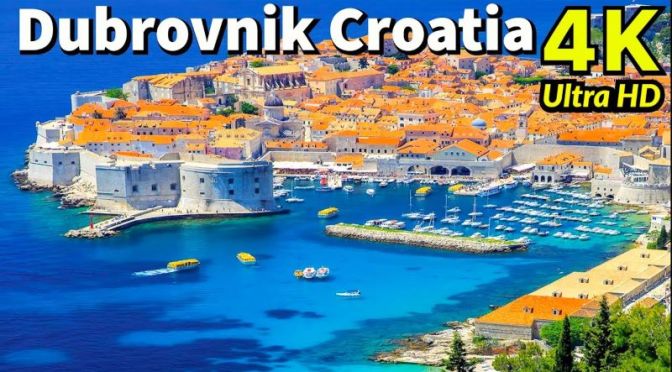
Dubrovnik is a city in southern Croatia fronting the Adriatic Sea. It’s known for its distinctive Old Town, encircled with massive stone walls completed in the 16th century. Its well-preserved buildings range from baroque St. Blaise Church to Renaissance Sponza Palace and Gothic Rector’s Palace, now a history museum. Paved with limestone, the pedestrianized Stradun (or Placa) is lined with shops and restaurants.
Croatia, officially the Republic of Croatia, is a country at the crossroads of Central and Southeast Europe, on the Adriatic Sea. It borders Slovenia to the northwest, Hungary to the northeast, Serbia to the east, Bosnia and Herzegovina, and Montenegro to the southeast, sharing a maritime border with Italy.
Photography by Adam Sienkiewicz Editing by Panos Fotiou
A travel film about the Incentive trip to the Kingdom of Bhutan for Von Quintus Luxury Travel.
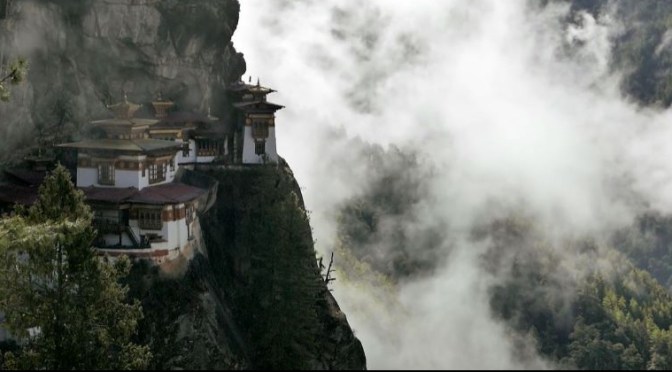
Bhutan, a Buddhist kingdom on the Himalayas’ eastern edge, is known for its monasteries, fortresses (or dzongs) and dramatic landscapes that range from subtropical plains to steep mountains and valleys. In the High Himalayas, peaks such as 7,326m Jomolhari are popular trekking destinations. Paro Taktsang monastery (also known as Tiger’s Nest) clings to cliffs above the forested Paro Valley.
Fennec foxes, native to the deserts of North Africa, are the smallest canines on the planet, weighing in at just over two pounds. This is a sharp contrast to their most distinctive feature: a pair of oversized ears.
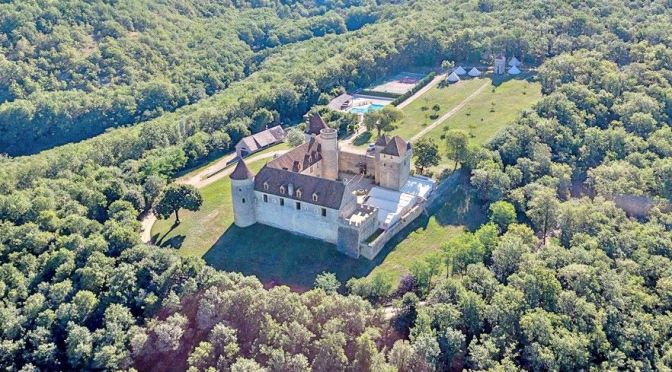
The 14th-century Château de Pechrigal – where composer, poet and author Léo Ferré lived from1963 until 1968 – stands three kilometres outside the village of Gourdon.
Pech-Rigal means royal hill in old local French dialect, befitting its hilltop position.
The 67-hectare plot includes meadows, tennis courts, a pool and half a hectare of Merlot vineyards, giving 4,000 bottles of wine a year.
The chateau, a grand affair of 17 bedrooms, 14 bathrooms, guard house, pigeonnier, wine cellar, restored farmhouse and two outhouses, was bought and renovated by a Frenchman in 1998.
He transformed the crumbling property into a luxurious second home, occasionally used for private events and weddings.
It had fallen into disrepair after rebel composer Ferré left it unlived-in for 25 years.
This is a handcrafted cedar tiny houseboat that measures 28’x8′ and weighs 6,000 lbs. The Koroc V model has a massive deck with sofas, a dinette, and a hammock that hangs over the water, plus a bimini for shade. Indoors there’s a kitchen, bathroom, dining table, and a dinette with sofas that converts into a queen-size bed. It was handcrafted by Richard from Daigno in Quebec, Canada.
This float home is completely off-grid with a solar panel and batteries for electricity, a water pump to pull water from the lake or river for showering, a freshwater tank for drinking water, a composting toilet, a carbon filter for greywater, and a propane heater. There are also two roof fans and plenty of windows and doors that can help keep air circulating.
This is a beautiful build and it was fun to spend the day on the water with Richard and his business partner Özgen, touring and spending time on the pontoon boat, and even cooler to go back to his workshop at the end of the day to see where all the magic happens. Richard really does create every part of this boat by hand and we hope you enjoyed taking a peek at another of his masterpieces!