
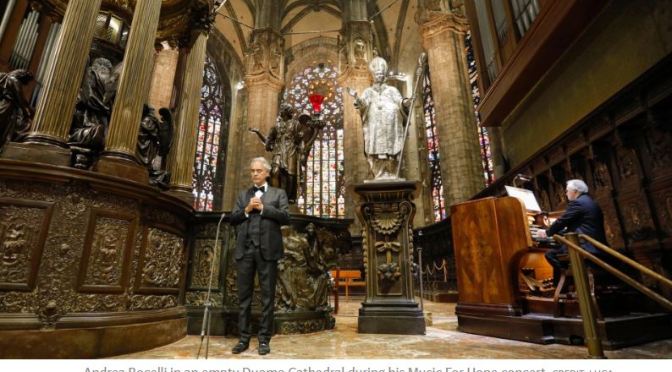
Italian tenor Andrea Bocelli sang in a closed Duomo Cathedral in Milan on Sunday, as a part of a “Music for Hope” event designed to bring people together during the new coronavirus outbreak.
Instead of a crowd in the pews, Bocelli’s performance was watched via livestream on his YouTube channel. Accompanied only by the cathedral’s organist Emanuele Vianello, the Italian opera singer’s set included classic songs such as “Ave Maria” and “Amazing Grace.”


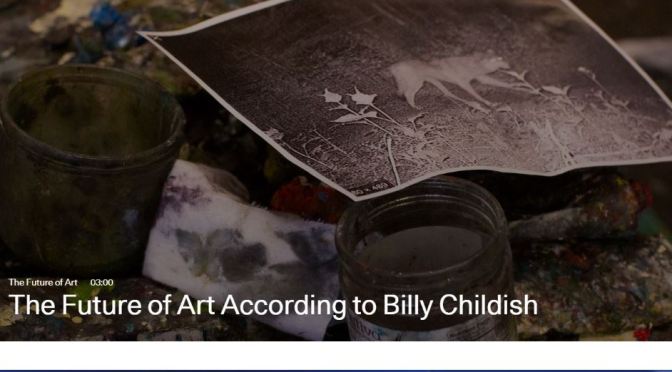
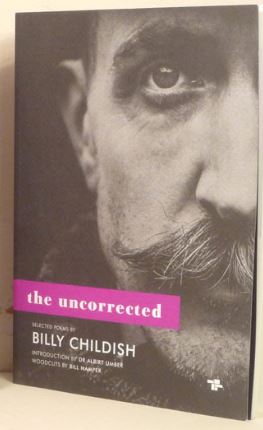 “The art world is the same as the rest of the world,” says British artist, writer, and punk-rocker Billy Childish. “What it requires is new, more, and now.” Childish has worked defiantly and prolifically outside of the mainstream since his expulsion from art school in the early 1980s. To the polymath—whose paintings, poems, novels, and music draw heavily from his autobiography—art is a deeply personal experience that should not rely on external validation, whether from critics or audiences. From his painting studio located on a historic dockyard in Kent, United Kingdom, Childish speaks passionately about the freedom that comes with self-validation. When asked about his perspective on the future of art, he demurs. “People think we’re continually ascending a mountain to success or to enlightenment,” he says. “It’s here and now and this is it.”
 Boomers Daily