
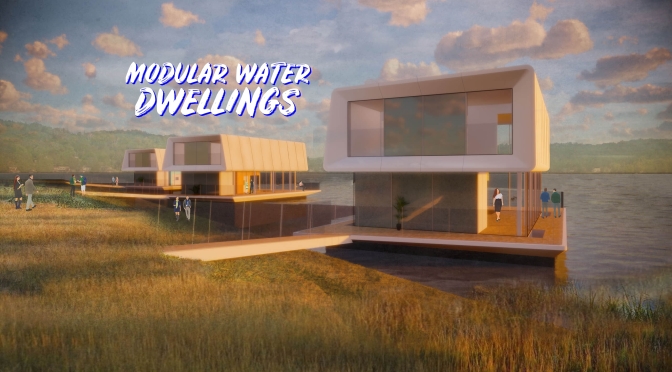
The Water Dwellings use minimal energy, with well-insulated and shaded lower pontoons and upper stories, and energy provided by solar roof panels and heat exchangers built into base boxes below the waterline. By developing a communal energy supply, the Water Dwellings’ environmental efficiency has the potential to achieve near zero energy use.

Global design practice Grimshaw and Dutch manufacturing specialists Concrete Valley have developed an innovative design for Modular Water Dwellings, in response to the growing risks of climate change and the challenges of increasing urbanisation.

 The Modular Water Dwellings incorporate standardised components that provide efficiency in manufacturing, while still allowing a variety of internal layouts for occupants’ individual requirements. The Dwellings can be orientated and spaced in different ways, responding to varying site contexts, local conditions, light sources and primary views. They also maximise the use of durable and non-corroding materials, such as concrete and glass, ensuring a long design life that anticipates multiple occupants.
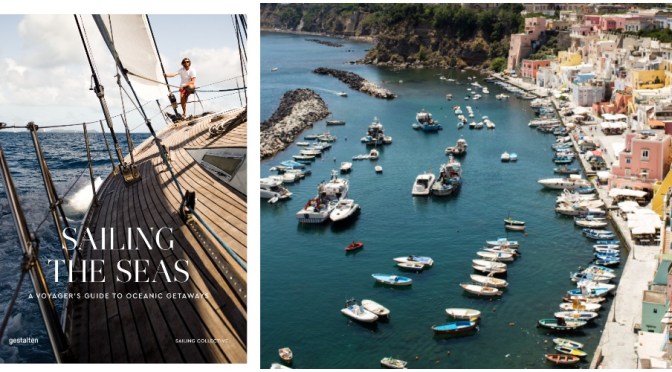
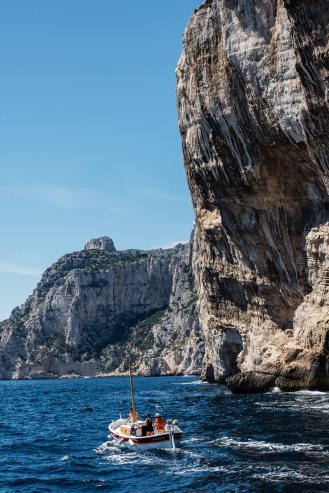 Sailing the Seas will take readers on a series of nautical adventures across the globe, from the coast of the USA down to the Caribbean, through classic Mediterranean voyages and on trips in far-flung locations such as Thailand and French Polynesia. Presenting a fresh, younger side of sailing, this volume reveals the sights, sounds, tastes, and experiences that can be had on board a boat.
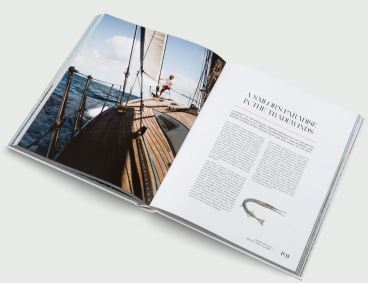 With beautiful photos of locations, detailed itineraries, and “Captain’s Notes” filled with useful tips and insights on destinations, Sailing the Seas will inspire novice sailors and “old salts” alike to take to the waves.
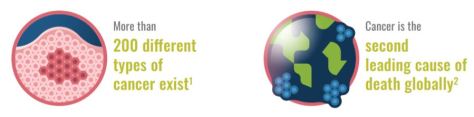
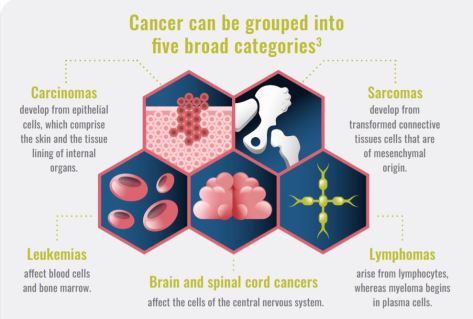


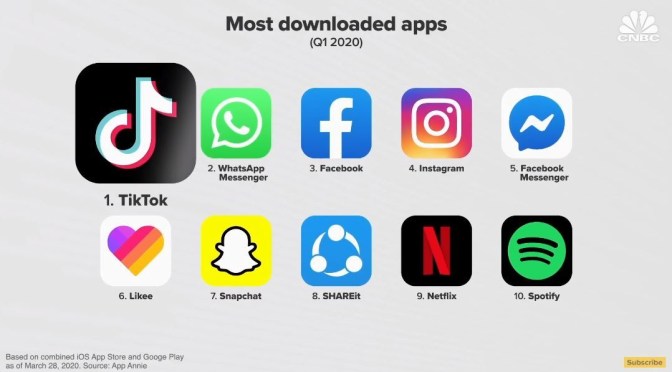

 “There’s an aging population, and there’s a lot of skin out there,” said Dr. Isaacs. “One in five people in the country develop skin cancer, but there is a plethora of benign skin conditions that also require the expertise of the dermatologist. So, you have increasing demand and a limited supply of dermatologists.”

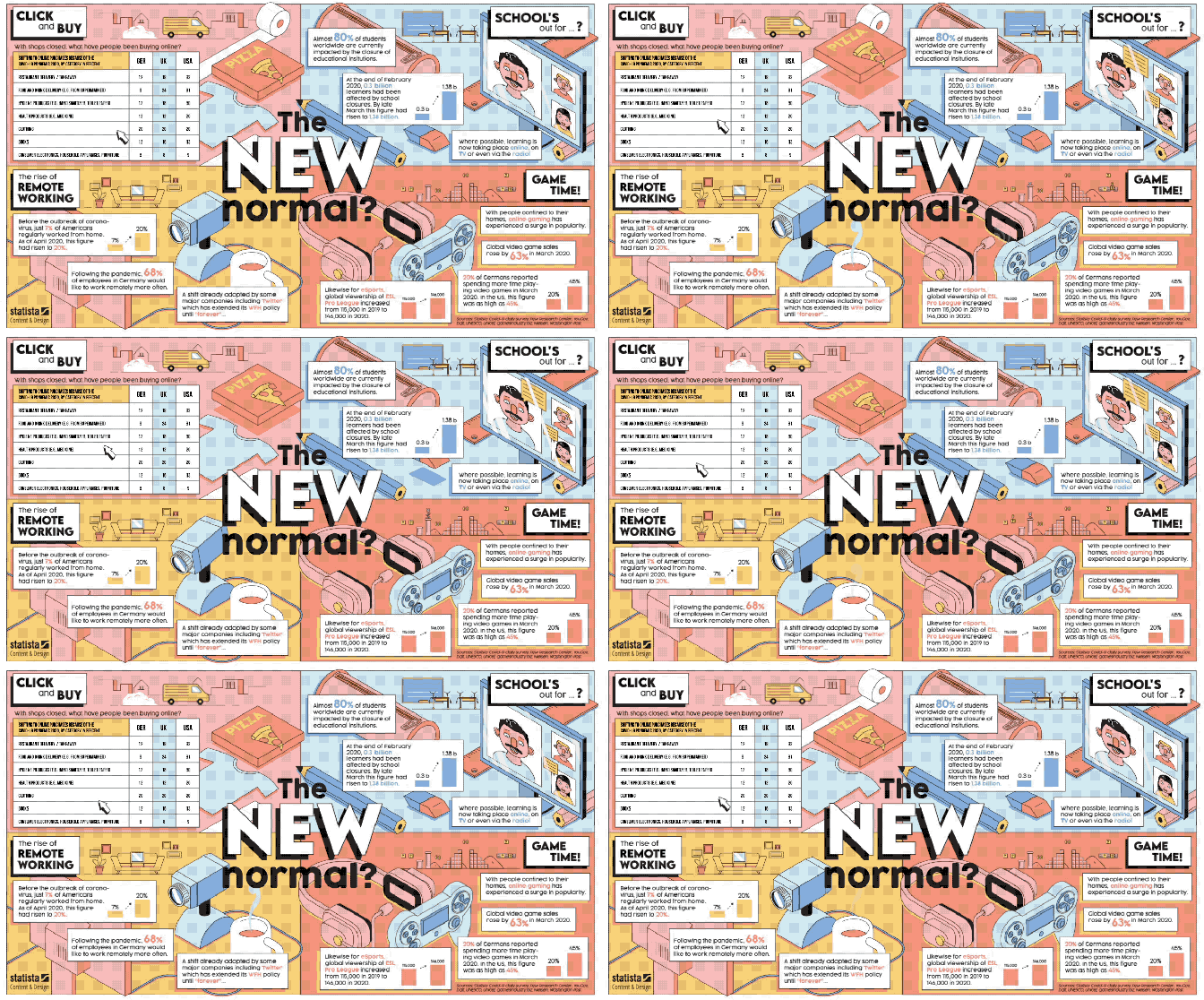

 It is impossible to ignore the ongoing impact the Covid-19 pandemic is having on our lives. This month our infographic shows how some aspects of daily life have changed as a result. The widespread closure of schools, for example, is thought to have affected up to 1.38 billion learners as of late March. Meanwhile, the sudden shift to remote working is one such change expected to have long-lasting effects. Following the pandemic, 68% of Germans have stated they would like to work remotely more often.
 Boomers Daily