
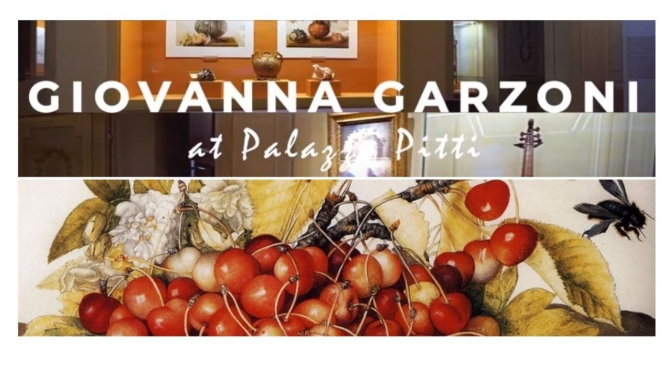
Hosted in the Andito degli Angiolini space at Palazzo Pitti, “The Immensity of the Universe in the Art of Giovanna Garzoni” exhibition encompasses 100 floral compositions, still lives and miniatures by the Baroque, Marche-born painter friend of Artemisia Gentileschi.
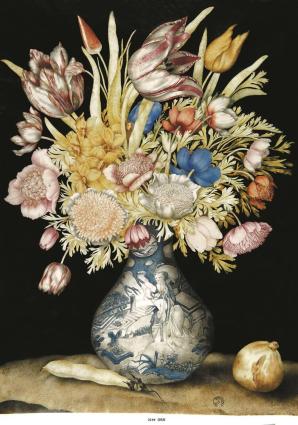 The show has been curated by Sheila Barker of The Medici Archive Project and the Advancing Women Artists foundation is running a challenge to inspire the creation of contemporary art based on Garzoni’s oeuvre. While her role in the evolution of scientific illustration is widely acknowledged, Giovanna Garzoni is less familiar as an illustrator of geographical fantasy in the age of the Baroque.
In harmonic and often relatively small compositions, the painter combines exotic objects of extremely varied provenance such as Chinese porcelain, Pacific nautili, Mexican marrows and flowers, South American plants and English lapdogs, in an effort both to astonish and to amuse.
Turning her back on the conventional role reserved for women in her day, Garzoni travelled in Italy, and possibly also in France, gaining access to the most important collections of curios of her era. The exhibition showcases her works collected by the Medici and still owned by the Gallerie degli Uffizi, alongside targeted loans illustrating the artist’s field of action and her prowess as a portraitist.
On the basis of a previously untapped inventory, a section of the exhibition reconstructs Vittoria della Rovere’s Wunderkammer, once hosted in the Sala dell’Aurora in the villa of Poggio Imperiale, thus indirectly shedding light also on a leading member of the grand ducal family.

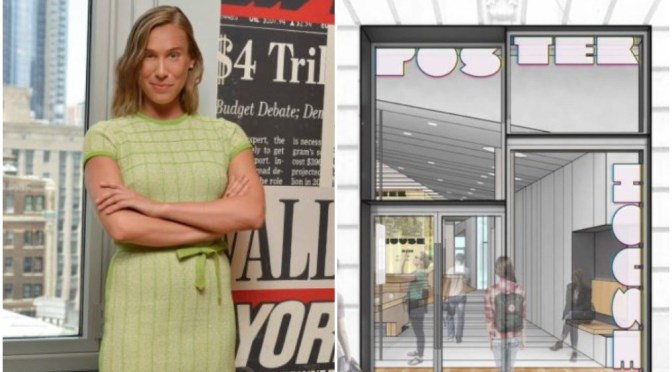
 When New York City’s Poster House museum had to close its doors in early March, director Julia Knight wondered how the institution could support the city.
 The story of the restoration of Sir John Soane’s Museum in Lincoln’s Inn Fields. Filmed over a period of 6 years, it traces the research, the discoveries and the skills that made transforming this magical place possible. This third episode reveals the painstaking work that went into restoring artworks within the Museum, and the legacy of the project.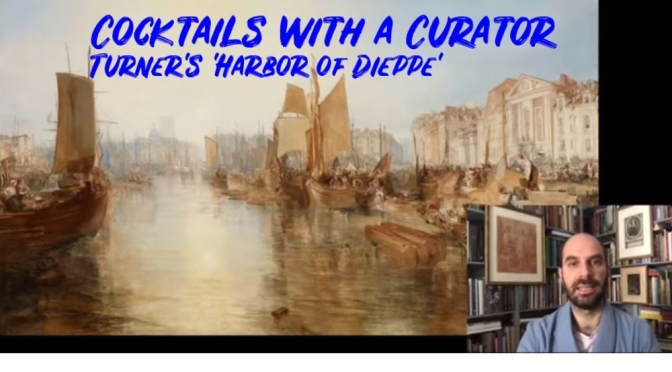
 In this two-part series, six US museum directors discuss the pandemic and its repercussions for their institutions. These candid, insightful conversations address wide-ranging topics, from the logistical challenges of when to close and how to reopen to philosophical exchanges about the role of museums in society.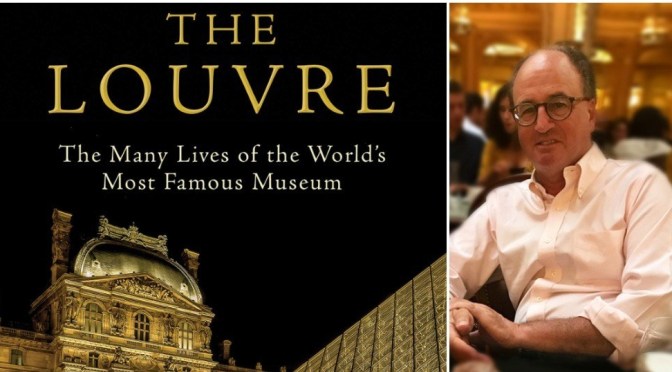
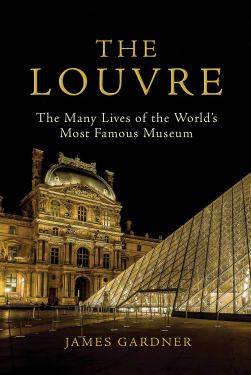 The fascinating and little-known story of the Louvre, from its inception as a humble fortress to its transformation into the palatial residence of the kings of France and then into the world’s greatest art museum.

 Boomers Daily