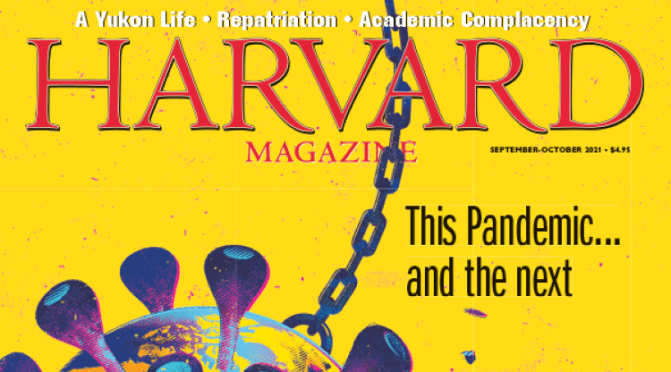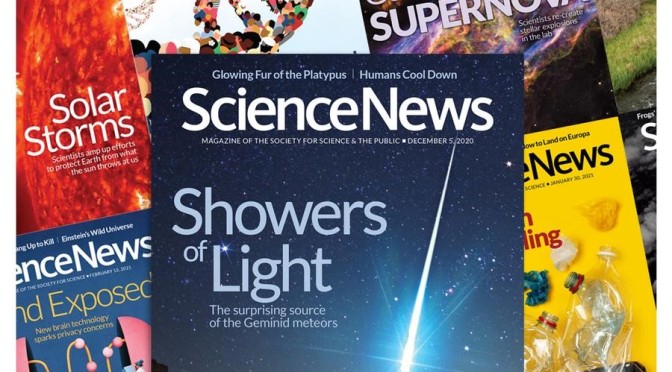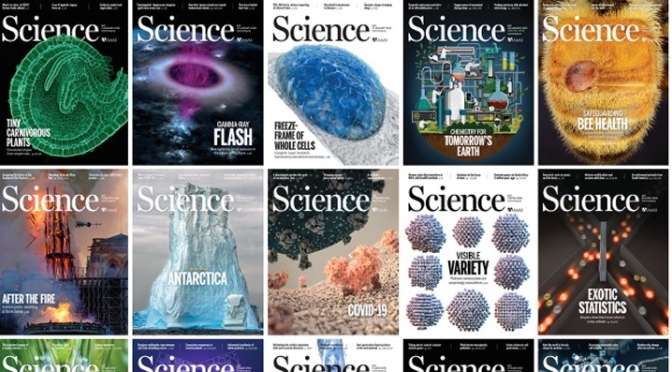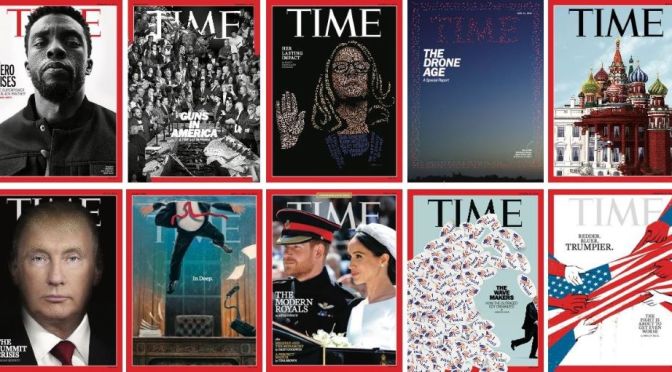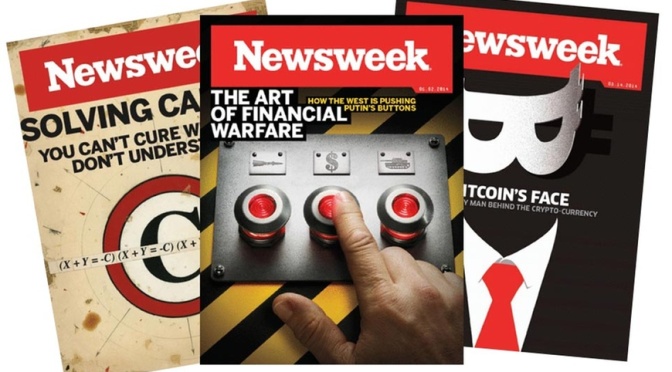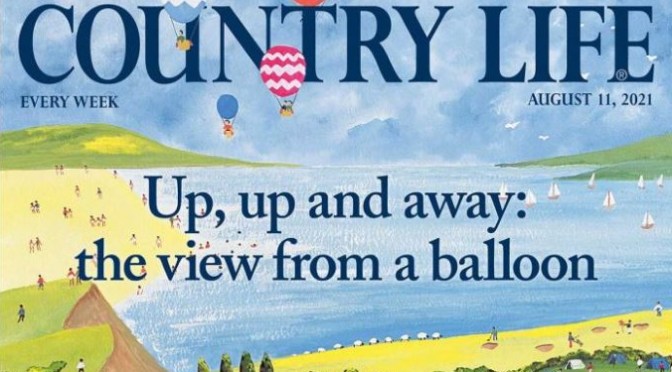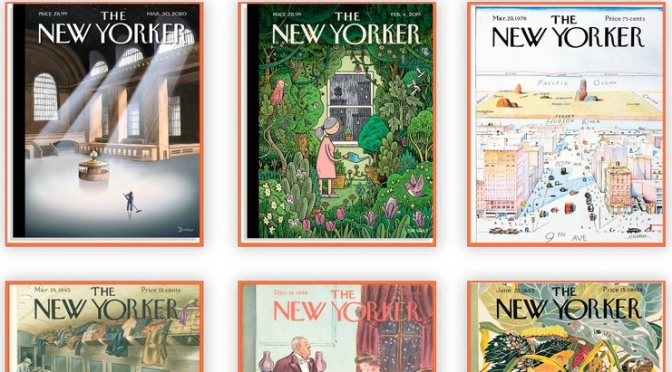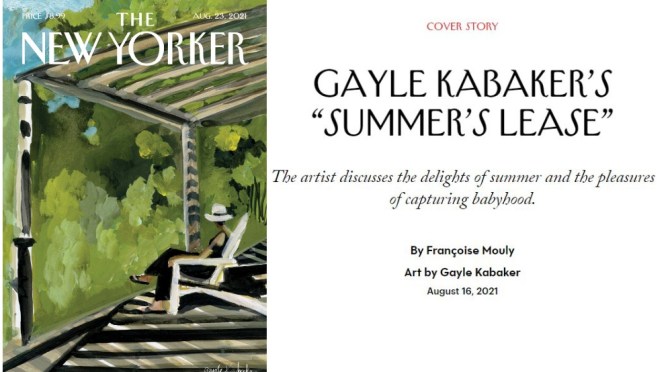

A selection of three essential articles read aloud from the latest issue of The Economist. This week, is China the pandemic’s big geopolitical winner? (8:30) Saudi Arabia has declared a ceasefire in Yemen, but the Houthis are fighting on. (14:13) And, how Britain’s glossy magazines are adjusting to a gloomy world.
Monocle’s home-focused May issue goes beyond the dramatic headlines to look at how to create spaces that are apt to linger in.
We launch a manifesto for building better, look at the firms eyeing up the domestic market and profile a few elegant residences. Elsewhere, we examine the importance of keeping manufacturing onshore, decode the US political advertising industry and recommend the best media to hunker down with.
MAD Magazine and DC Comics mourn the loss of Mort Drucker, whose artwork proved that parody is the sincerest form of flattery. “Mort was one of the best—maybe the best—caricature artists in the world,” said DC Chief Creative Officer and Publisher Jim Lee. “His work will continue to entertain for generations.”
Mort entered the comics field when he was 18, working as a production artist for DC. His first original piece of art was a one-pager titled “Tinker Tom Shows You How to Make Fancy Western Duds,” published in All-American Western #117 in December 1950. In 1956, Mort met with MAD publisher Bill Gaines during a Dodgers vs. Yankees World Series game. “If the Dodgers win, you’re hired,” said Gaines. They did win, and Mort began a career at MAD that would span the next five decades, and most notably brought to life the magazine’s infamous parodies of TV shows and films.
Mort won numerous awards and honors for his work, including the Reuben Award for Outstanding Cartoonist of the Year in 1987. He was inducted into the Will Eisner Hall of Fame in 2011, and in 2015 became the inaugural recipient of the National Cartoonists Society’s Medal of Honor. He received an honorary Doctorate in Fine Arts from the Art Institute of Boston, and his TIME Magazine covers hang in the National Portrait Gallery.
From an Architectural Digest article (April 3, 2020):
Whimsical, wild, and wacky are but a few words that most aptly describe Bill Bensley’s unique design aesthetic and the exceptional hotels born from it. Credited with upping the ante on Southeast Asia’s hospitality design, he is one of the most intriguing artists in the field today.
Originally from California, Bill has called Asia home since 1984 when he lived in Singapore and Hong Kong before moving to Bangkok and setting up Bensley, a full-service hospitality design atelier made up of architects, landscape architects, interior designers, and artists.
“I can take you around the house and say, ‘The base of this column exists at Capella Ubud, and the top of this bathroom door is Four Seasons Chiang Mai, and this lantern is the prototype for all the lamps that we used at Four Seasons Koh Samui.’ There are still remnants of pieces here from probably 100 different projects,” says Bensley.
From an Architectural Digest online article (March 14, 2020):
“Tangier is the crossroads of so many civilizations,” says AD100 talent Frank de Biasi of the evocative Moroccan port city that he and his partner, the multifaceted designer Gene Meyer, have made their home. “There’s a central energy here,” he explains, “where the Atlantic meets the Mediterranean, where Europe meets Africa. It’s a psychic point like no other place.”
Many of the traditional houses here, however, have a claustrophobic lack of light, so when the couple found a ruinous place on a little open square, with exposures on three sides, they knew they could make it their own. Their renovation ultimately took four years as they rebuilt paper-thin walls, replaced a life-threateningly vertiginous staircase with one inspired by the Old Fort Bay clubhouse in the Bahamas, and installed a light-well based on one de Biasi had seen in India and such mod cons as under-floor heating.

| INSIDE THE ISSUE |
| FEATURES | Michael Prodger visits the newly resplendent Gemäldegalerie Alte Meister in Dresden; Yinka Shonibare talks to Samuel Reilly; Seamus Perry considers the visual qualities of Wordsworth’s poems; Tim Smith-Laing on the modern monsters of Léopold Chauveau; Emilie Bickerton looks at how museums tackle the subject of cinema; Christopher Turner talks to Grażyna Kulczyk, founder of the Muzeum Susch |
| REVIEWS | Matthew Sperling on Picasso’s works on paper at the Royal Academy; Nicholas Hatfull on Edward Hopper at the Fondation Beyeler; Scott Nethersole on Renaissance art in the regions of Italy; Alan Powers on the life of Humphrey Stone; Max Norman on a new study of Poussin; Peter Parker on John Minton’s illustrations for Elizabeth David’s cookery books |
| MARKET | Tim Maxwell and Tamara Bell on cybersecurity; and the latest art market columns from Susan Moore and Emma Crichton-Miller |
| PLUS | Matt Stromberg and J. Patrice Marandel consider if LACMA has lost its way; Kitty Hauser takes a personal view of the bushfires in Australia; Rachel Cohen on the resurgence of interest in the painter Beauford Delaney; Fatema Ahmed on a display of chivalry in Abu Dhabi; Douglas Murphy visits an art nouveau masterpiece in Nancy; Robert O’Byrne on a talented Dutch curator; and Thomas Marks on museums and the art world in a time of crisis |
Monocle 24 “The Stack” speaks with creative director Jim Moore about his latest book ‘Hunks and Heroes: Jim Moore – Four Decades of Fashion at GQ’.GQ is revered globally as the ultimate style guide for modern men, and Hunks and Heroes is an epic journey into the world of men’s style as told and edited by Jim Moore.
He began his career at GQ as an intern in 1979 and has since played a pivotal role in reshaping men’s fashion during his nearly forty-year tenure at the magazine. From discovering new designers, distilling the latest men’s trends, and extolling fashion advice and critiques in his popular online video series GQ Rules, to Channing Tatum wearing a “JIM F&%#ING MOORE” T-shirt, Moore’s influence and impact on men’s style is unequivocal.
In these pages, Moore takes us through forty years of men’s fashion: featuring the most iconic GQ fashion looks, the magazine’s unforgettable covers and editorial shoots, essential styling tips like how to dress up denim or style a khaki suit, insights on developing your own personal style, and stories showcasing Moore’s knack at reworking the look of everyday men the magazine literally pulled off the street. This volume features 250 of Moore’s iconic men’s fashion photographs produced with internationally renowned image makers like Peggy Sirota, Craig McDean, and Inez & Vinoodh, and includes seminal GQ images of cultural icons such as celebrities, athletes, and politicians. This is the must-have style bible for all readers interested in men’s fashion, style, culture, and celebrity.