Tag Archives: Food

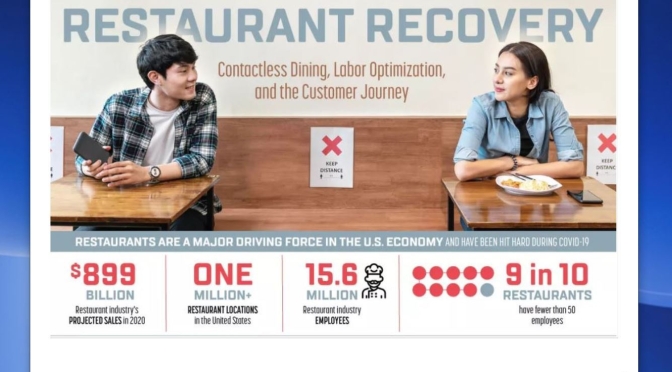
Infographics: The Major Challenges Restaurants Face Post Covid-19 (2020)

Restaurants must function at 75% capacity in order to achieve profitability. With many restaurants operating at 50% capacity or less, how do they make up the remaining 25%? The three main contributing factors are contactless dining, labor optimization and changing the customer journey. Learn more about how restaurants are recovering during the COVID-19 pandemic in this infographic by OneDine.

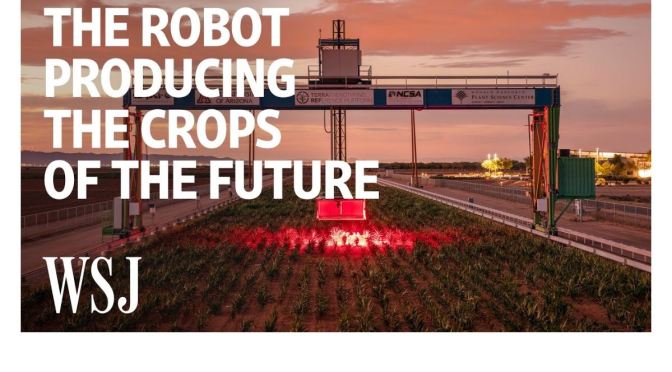
FOOD & AGRICULTURE: “The Robot Producing Crops Of The Future” (WSJ Video)

Arizona has what researchers call “the climate of tomorrow, today.” Scientists are using a 30-ton robotic field scanner in the state to study plant genetics and hopefully develop stress-resilient crops.

Photo: Jesse Rieser for The Wall Street Journal

More from the Wall Street Journal: Visit WSJ.com: http://www.wsj.com

Food & Nature: “The Wild Harvest – Mid Summer” With Chef Alan Bergo


Filmed and Directed by: Jesse Roesler

Produced by: Credo Nonfiction
Featuring: Alan Bergo, Forager Chef

Edited by: Sam Kaiser

From James Beard Award-winning filmmaker Jesse Roesler and renowned Forager Chef Alan Bergo, The Wild Harvest is a new foraging & cooking series that celebrates the beauty and bounty of nature and explores what’s culinarily possible with easily foraged wild foods. This series is being created safely during quarantine using social distancing measures.

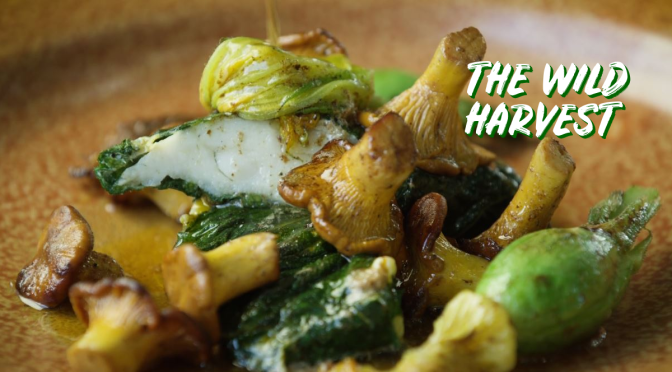
Episode 3 features the bounty of mid summer in the northern hemisphere including a wild greens salad, walleye wrapped in squash leaves with chanterelles and a blueberry desert that captures the spirit of the pine barrens. Featured foraged ingredients include Lamb’s Quarters, Chickweed, Purslane, Bee Balm, Chanterelles, Wild Blueberries, Sweet Fern, Hazelnuts.

We hope to release a new episode every 3-4 weeks for free, but are currently seeking sponsors.

Website

Foods & Flavors: “The Story Of Vanilla” (CBS)

With so many of us staying at home these days and spending more time in the kitchen, vanilla sales, of all things, are booming. Correspondent Seth Doane travels to the island of Madagascar – which supplies 80% of the world’s vanilla – to learn more about the extraordinarily colorful (and sometimes unsavory) story of a familiar spice, and why this valuable cash crop can be worth more by weight than silver.

New Restaurants: “Ampia Rooftop NYC” – “Sanitary, Social Distance Dining”

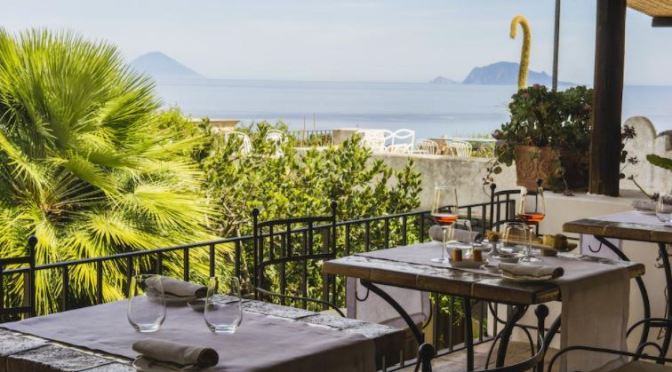
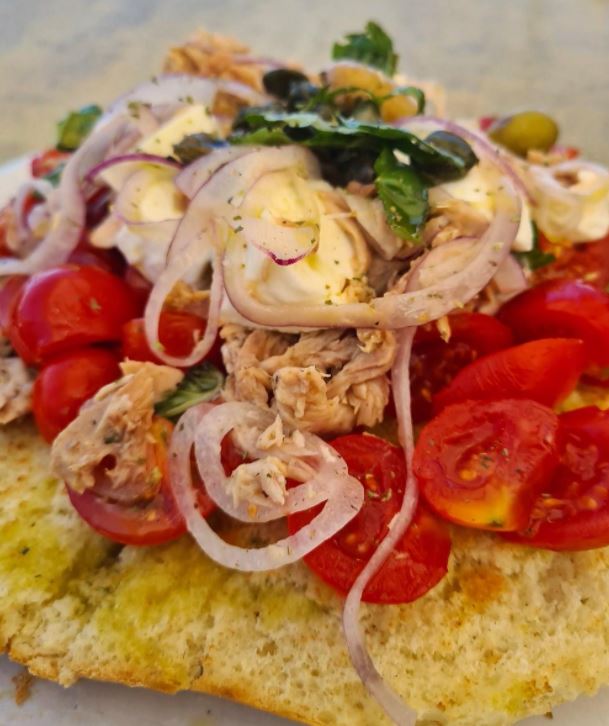
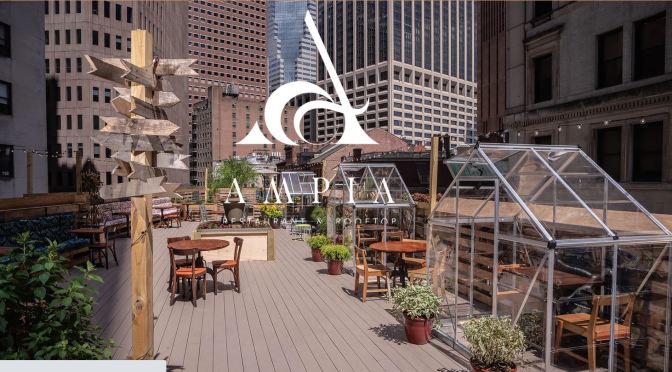
Ampia Rooftop (Ampia meaning “Space” in Italian) is a sprawling 4,500 Sq. foot outdoor rooftop terrace featuring individual greenhouses for a social distance dining experience, opulent clusters of colorful flower gardens, and Italian-themed art and décor dispersed throughout. Chef Michele Iuliano offers up an authentic Italian menu of lite casual fare, along with a selection of inventive seafood paninis. 

Ampia Restaurant

This slideshow requires JavaScript.

Restaurant Business (August 1, 2020) – The first step was a name change. When New York City announced that restaurants could open for outdoor dining during Phase 2, the Iulianos changed the name from Gnoccheria Rooftop to Ampia—a move that gave it a distinct identity. Then they set about redesigning the space to satisfy all the restrictions.

The entire space was sprayed with an electrostatic sanitary coating, including the tables, chairs, bar and every touchable surface. The process sanitizes for up to three months. The pair also purchased a facial recognition thermometer and all the essential PPE specified in New York Gov. Andrew Cuomo’s Phase 2 guidelines.

Next, the space was reconcepted from the original 250-seat restaurant to an outdoor dining venue with a limited bar and food menu. The beer garden in the original plan had to be scrapped; it’s impossible to enforce social distancing in that kind of setting. Instead, tables were spread out and seating areas set far apart, accommodating 60 to 65 guests.

The regulations around social distancing state that if tables cannot be arranged six feet apart, a restaurant can use plexiglass dividers between them. But the Iulianos wanted to infuse Ampia with the same stylish elements that differentiate their other restaurants.

Read more from article

Food Trends: American “Fresh Seaweed” Products Are Expanding (Podcast)

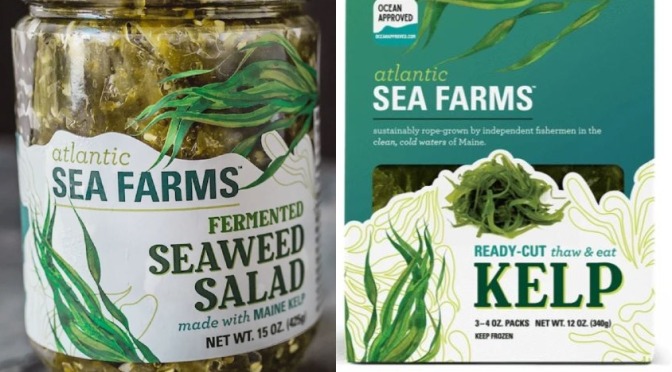
NPR PodcastAtlantic Sea Farms is the largest commercial seaweed farm in the U.S. They line-grow their seaweed in clear, icy cold Maine waters. The seaweed — which is sold frozen in pureed cubes and in ready to eat cut strands and fermented products — is never dyed or dehydrated.

Beyond sushi restaurants and roasted snacks, seaweed is increasingly accepted, appreciated, even adored, in American kitchens — and for good reason.

Seaweed is really good for you. It’s loaded with potassium, magnesium, Vitamin B12, iodine, omega-3 fatty acids, antioxidants, and tons of calcium. And then there’s the umami bomb of taste: briny, sweet, meaty, and vegetal are just some of the ways cooks describe the flavor of various seaweeds.

Website

Travel, Food & Wine: Top Australian Restaurants And Vineyards (Podcast)

Monocle 24 Only In Australia PodcastUnrestrained by culinary tradition, Australia’s fine drinking and dining scene applauds creativity and food fusion. The country’s outdoor eating culture is enlivened by some of the world’s best fresh produce, breathtaking landscapes and ideal growing conditions. 

Get your tummy ready to rumble as Georgina Godwin takes a tour through some of Australia’s finest dining rooms, vineyards and cellar doors, with star wine-makers, foragers of fine food and industry-leading artisans as her guides.

Food & Dining: “How A Michelin Star Restaurant Will Cope Post Covid-19”

After months in lockdown, restaurants are back. But they’re coming out of hibernation into a strange new world shaped by the coronavirus pandemic. In the first in a new series of films, food writer Tim Hayward and the FT’s Daniel Garrahan visit Lyle’s in east London to see how a Michelin star restaurant has pivoted from fine dining to pizza.

Legendary Food: “An Ode To Manny’s Deli, Chicago”

NPR PodcastI’ve had lunch with politicians, clergy, reporters and people who’ve just been indicted at Manny’s Cafeteria and Delicatessen in Chicago, and there’s a code of silence over the clatter: it doesn’t count.

The schmear of cream cheese thick enough to be a ski jump? No calories! Potato pancakes hefty as manhole covers?

No calories!

But the weeks of the shutdown became months. Even as businesses reopened, multitudes still work from home.

“That can’t pay our rent, insurance, our payroll,” says Dan Raskin. “We can’t go on like that.”

When a family business is forced to close, people lose their livelihoods, families lose support, and a city loses revenue and vitality. A landmark like Manny’s is also a link to history. You can point to where Barack Obama talked politics over pastrami, Oprah had apple sauce on her latkes, and where your grandfather went when he got tired of dieting.

Website