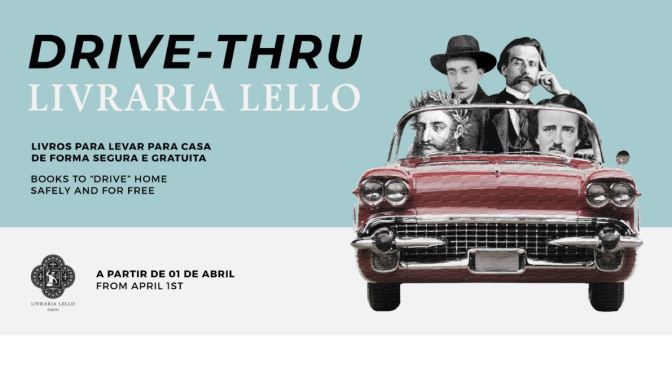
LIVRARIA LELLO OPENS THE FIRST “DRIVE-THRU BOOKSELLER” IN THE WORLD
From April 1st, between 10 am and 12 noon, from Monday to Friday, Livraria Mais Bela do Mundo will offer one book from its “The Collection” per day to all readers who subscribe the day before to which they intend to address the “Drive-Thru” of Livraria Lello.
.
The same should be done until 6 pm, to the email info@livrarialello.pt , sending your personal data (name, address, email and telephone contact).
. On the day of the survey, the reader will only have to stop the car in front of Livraria Lello and the delivery will be made by a collaborator directly through the window.
.
This is a true act of “Love in the Times of Cholera” by Livraria Lello and her team towards their readers, their city, which is their world. A way to give the community some comfort and some encouragement in these difficult times.
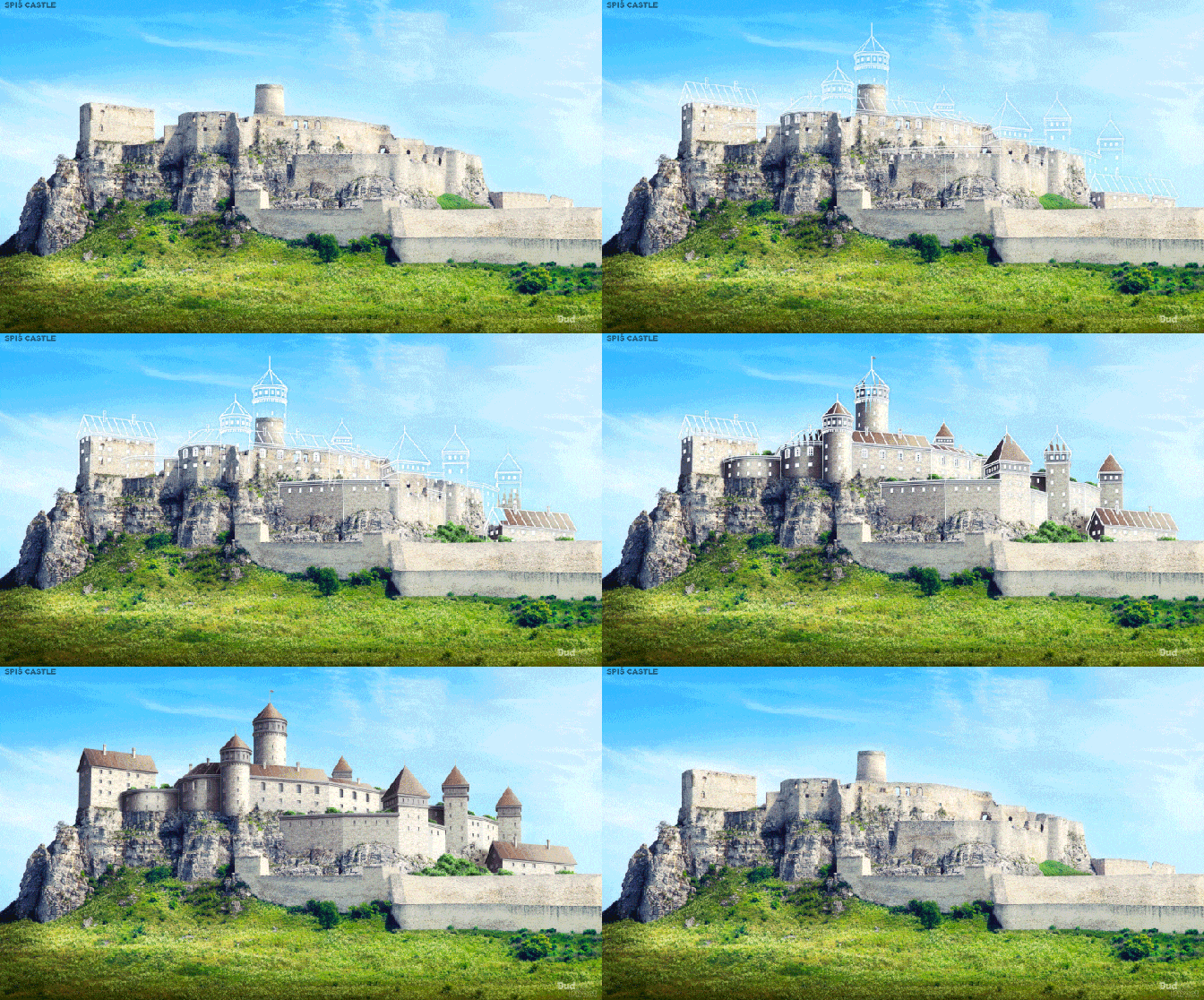
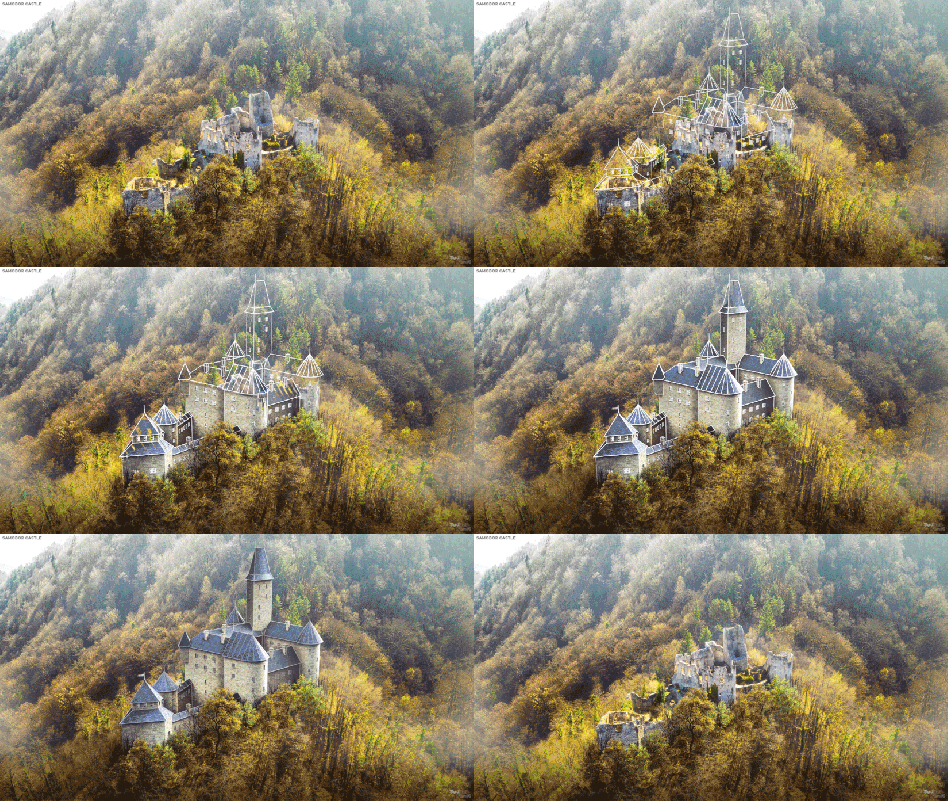
…a team of designers recently looked at the now-ruined castles of Middle Ages Europe, lifting the fortifications up from their dilapidated states and digitally reimagining the structures as they were in their heyday.
Seven European castles were virtually rebuilt, restoring them from their keeps to their baileys. Architects pored over old paintings, blueprints, and other research documents that describe the strongholds, then offered their opinions to the NeoMam Studios design team, which digitally revived the structures from the ground up.
A selection of essential articles read aloud from the latest issue of The Economist. This week, the role of big government in the time of covid-19, (10:20) assessing the havoc the pandemic is causing in emerging countries, (17:45).
In just a few weeks a virus a ten-thousandth of a millimetre in diameter has transformed Western democracies. States have shut down businesses and sealed people indoors. They have promised trillions of dollars to keep the economy on life support. If South Korea and Singapore are a guide, medical and electronic privacy are about to be cast aside. It is the most dramatic extension of state power since the second world war.
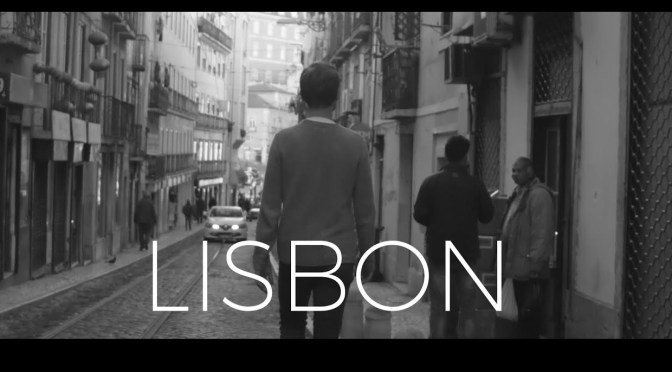
Our Lisbon travel guide! What a treat this city is. Lisbon, and indeed much of Portugal, is a traveler’s dream come true. Easy to navigate, effortlessly enjoyable, endlessly delicious. Lisbon is a city that I could definitely live in…and I don’t say that often.
What a lot of people forget about Lisbon, and even Portugal, is their prodigious exploration over hundreds of years that created a huge global influence. And of course that legacy is experienced in Lisbon’s incredible food. Which we, of course, dive head into.
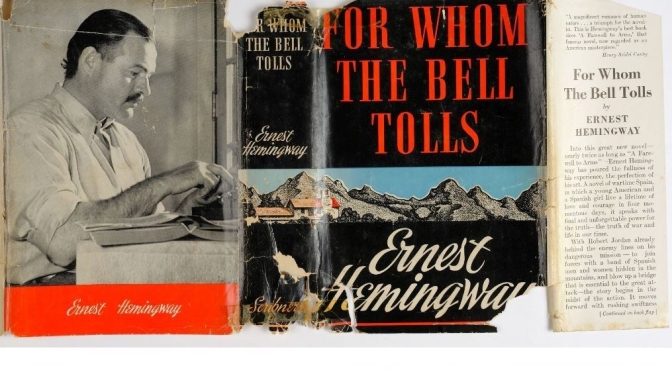
The first three chapters of Ernest Hemingway’s classic novel.
For Whom the Bell Tolls is a novel by Ernest Hemingway published in 1940. It tells the story of Robert Jordan, a young American volunteer attached to a Republican guerrilla unit during the Spanish Civil War. As a dynamiter, he is assigned to blow up a bridge during an attack on the city of Segovia.
It was published just after the end of the Spanish Civil War (1936–1939), whose general lines were well known at the time. It assumes the reader knows that the war was between a democratically elected, pro-working-class and anti-Catholic government, supported by the Soviet Union, which many foreigners like Robert went to Spain to help, and a successful, dictatorial, Catholic, pro-landowner revolt, supported by Nazi Germany and Fascist Italy. It was commonly viewed as the dress rehearsal for the Second World War. In 1940, the year the book was published, the United States had not yet entered the war, which had begun on Sept. 1, 1939, with Nazi Germany’s invasion of Poland.
The novel is regarded as one of Hemingway’s best works, along with The Sun Also Rises, A Farewell to Arms, and The Old Man and the Sea.
Ernest Miller Hemingway (July 21, 1899 – July 2, 1961) was an American journalist, novelist, short-story writer, and sportsman. His economical and understated style—which he termed the iceberg theory—had a strong influence on 20th-century fiction, while his adventurous lifestyle and his public image brought him admiration from later generations. Hemingway produced most of his work between the mid-1920s and the mid-1950s, and he won the Nobel Prize in Literature in 1954. He published seven novels, six short-story collections, and two nonfiction works. Three of his novels, four short-story collections, and three nonfiction works were published posthumously. Many of his works are considered classics of American literature.
A timelapse video shot during my summer adventures especially in the Dolomites and Julian Alps. The rugged peaks of this wonderful mountain area, combined with misty and cloudy conditions created some spectacular movements that I was able to capture with timelapse. This video is the result of countless adventures in the mountains, long and hard hikes and early alarms. Hope you enjoy!
I have seen Naples from his vantage of a ship anchored offshore — one of the most sublime locations in the world, that sweep of coast stacked with apricot, carmine, azure and rose villas; the blue, blue U of the harbor; the emphatic Vesuvius anchoring the view.
Frances Mayes
In October of 1820, typhus raged in Naples. With his artist friend, Joseph Severn, the British poet John Keats rocked in the city’s harbor for 10 days, not nearly the quaranta giorni — 40 days — that give us our word quarantine.
Before this journey, Keats always felt intense melancholy. In “On Seeing the Elgin Marbles for the First Time,” he wrote “… mortality / Weighs heavily on me like unwilling sleep.” (And in the smooth pentameter of “Ode to a Nightingale”: “I have been half in love with easeful death.”) Not a holiday, this voyage out of England was a desperate trip to the sunny climate of Italy. His cough had grown steadily worse. Since the morning he’d seen a splotch of blood on his pillow, he knew he had little chance of surviving the consumption that had invaded his lungs. His last-ditch: Go to Rome. Meanwhile, exile at sea.
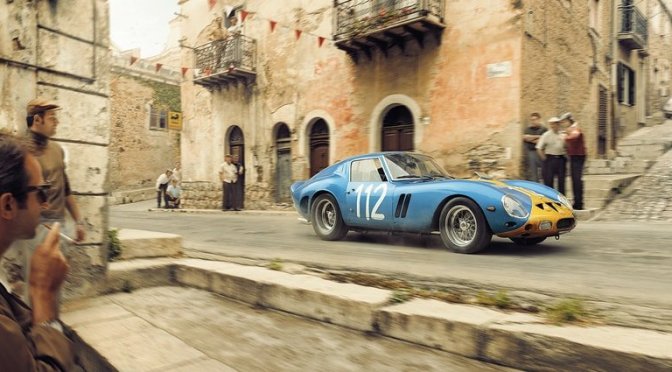
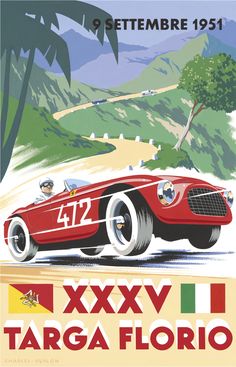
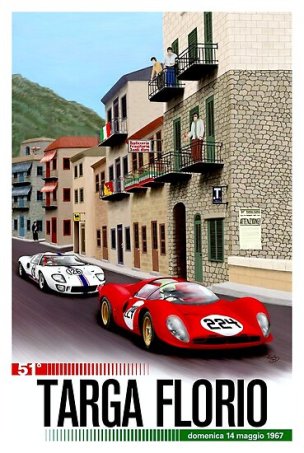
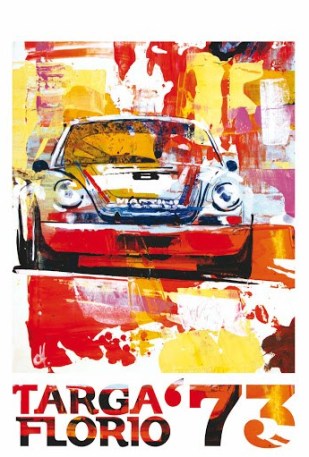
The Targa Florio was an open road endurance automobile race held in the mountains of Sicily near the island’s capital of Palermo. Founded in 1906, it was the oldest sports car racing event, part of the World Sportscar Championship between 1955 and 1973. While the first races consisted of a whole tour of the island, the track length in the race’s last decades was limited to the 72 kilometres (45 mi) of the Circuito Piccolo delle Madonie, which was lapped 11 times.
After 1973, it was a national sports car event until it was discontinued in 1977 due to safety concerns. It has since been run as a rallying event, and is part of the Italian Rally Championship.
The race was created in 1906 by the wealthy pioneer race driver and automobile enthusiast, Vincenzo Florio, who had started the Coppa Florio race in Brescia, Lombardy in 1900. The Targa also claimed to be a worldly event not to be missed. Renowned artists, such as Alexandre Charpentier and Leonardo Bistolfi, were commissioned to design medals. A magazine was initiated, Rapiditas, which aimed to enhance, with graphic and photographic reproductions of the race, the myth of the car and the typical character of modern life, speed.[1]
One of the toughest competitions in Europe, the first Targa Florio covered 3 laps equalling 277 miles (446 km) through multiple hairpin curves on treacherous mountain roads, at heights where severe changes in climate frequently occurred. Alessandro Cagno won the inaugural 1906 race in nine hours, averaging 30 miles per hour (50 km/h).
By the mid-1920s, the Targa Florio had become one of Europe’s most important races, as neither the 24 Hours of Le Mans nor the Mille Miglia had been established yet. Grand Prix races were still isolated events, not a series like today’s F1.
After winning the race several times, Porsche named the hardtop convertible version of the 911 after the Targa. The name targa means plaque or plate, see targa top.