From an Italy Magazine article by Silvia Donati:
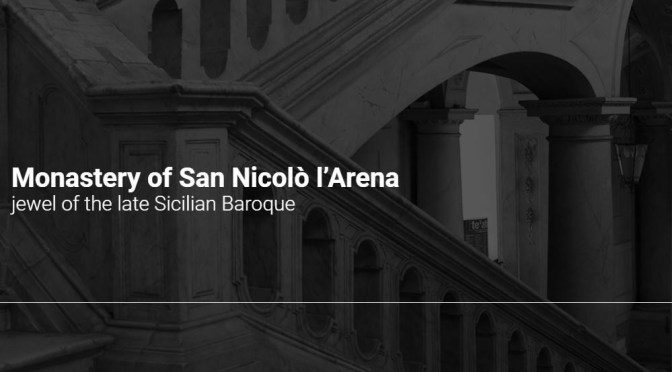
If the nuns of Catania’s Benedictine Convent devoted all their time to praying, the monks of the adjacent Benedictine Monastery were said to be a bit more lax about their spiritual duties. In southern Italian author Federico De Roberto’s most famous novel, I Viceré, which is very accurate in describing the social and political background of Catania in the years that followed Italy’s unification, the monks are described as carrying out the “art of Michelasso,” an Italian saying used to describe someone who, well, is idle, avoids hard work and responsibilities.
Their monastery, known as Monastero di San Nicolò l’Arena, resembled a sumptuous noble residence rather than a place where to retreat and pray to God. It was also very big, almost a city within a city, located in a panoramic position with views of the sea and the Etna volcano on what was once the acropolis of the Greek colony of Katane.
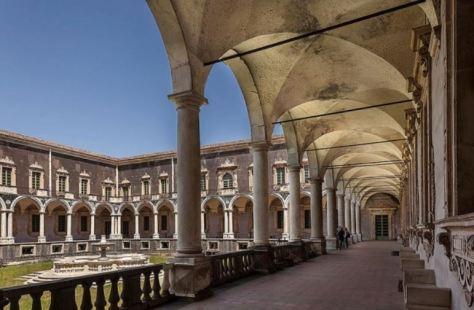
The Benedictine Monastery’s wealth was an indicator of the power the religious order had acquired, in Catania and beyond. This is still clear when you visit the complex, a maze of rooms, basements, stairs, courtyards, colonnades and very long hallways, where architectural styles from different eras superimpose on one another.
To read more click on following link: https://www.italymagazine.com/news/earthly-pleasures-and-baroque-splendor-catanias-benedictine-monastery?utm_source=ITALY+Magazine+Newsletter&utm_campaign=72762c7bd7-ITALY+Newsletter+-+January+12th+2018_COPY_01&utm_medium=email&utm_term=0_7e828ebed3-72762c7bd7-349881

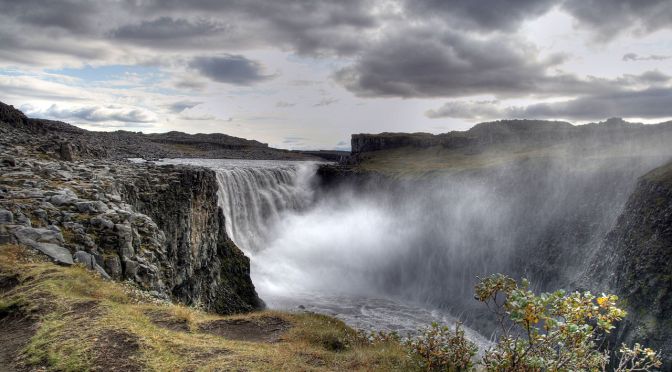
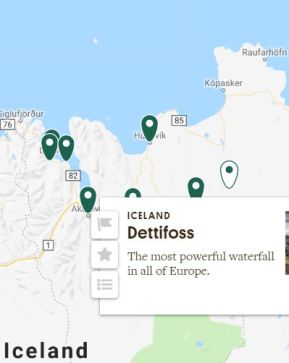 Having earned the superlative of “most powerful waterfall in Europe” because of its massive flow rate (3,059,112 U.S. gallons per minute), standing near this unfettered display of power will give you a healthy respect for the fury of nature.
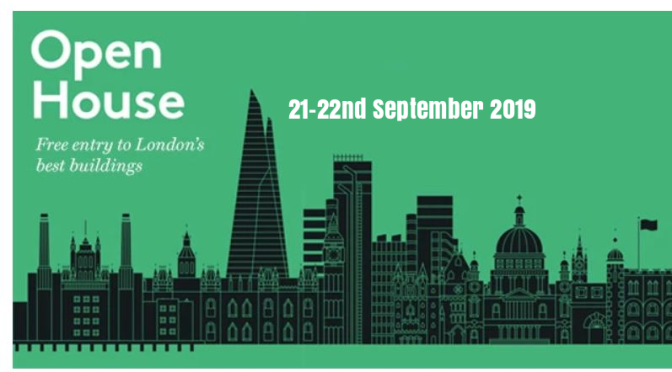
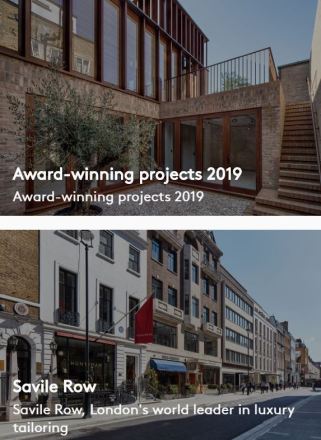 Running the course of a weekend, from Saturday 21st to Sunday 22nd September,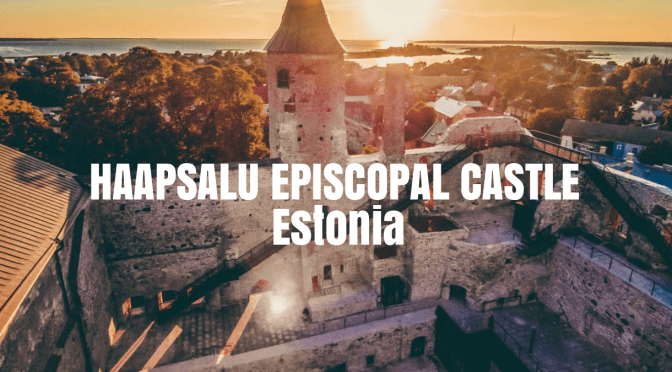
 the long and colourful history of haapsalu episcopal castle began when it was built in the 13th century, but since the 17th century the main castle has been in ruins.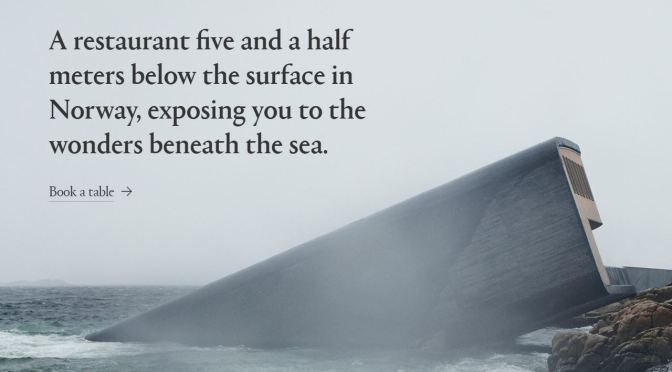
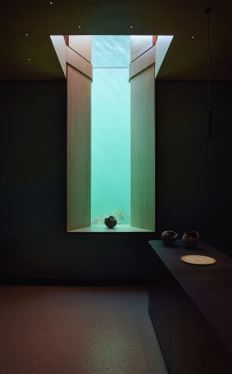 “Under,” which opened in March, is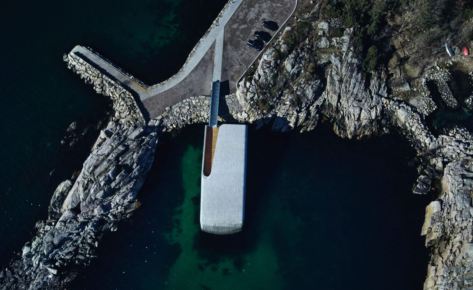

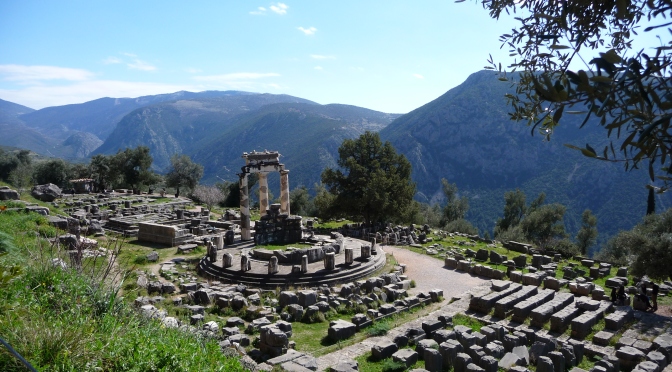
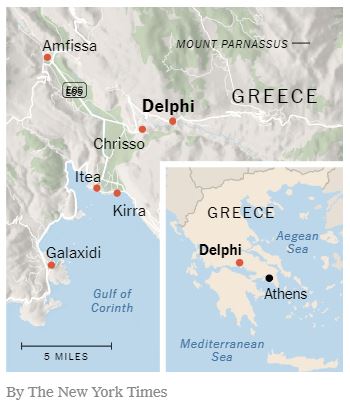 But as I stood on the archaic plateau, I was riveted. The broken columns of once-mighty altars rose like spirits in the pure air. A timeworn stadium and a prodigious stone amphitheater reigned silently over the mountain. The Temple of Apollo, where the Oracle dispensed her cryptic prophecies, was ringed with paths trod by truth-seekers who had labored up the steep valley from the Corinthian Gulf.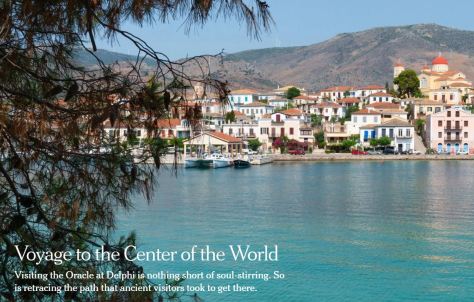
 Boomers Daily