The rural, remote, and wild territories we call “countryside”, or the 98% of the earth’s surface not occupied by cities, make up the front line where today’s most powerful forces―climate and ecological devastation, migration, tech, demographic lurches―are playing out. Increasingly under a ‘Cartesian’ regime―gridded, mechanized, and optimized for maximal production―these sites are changing beyond recognition.
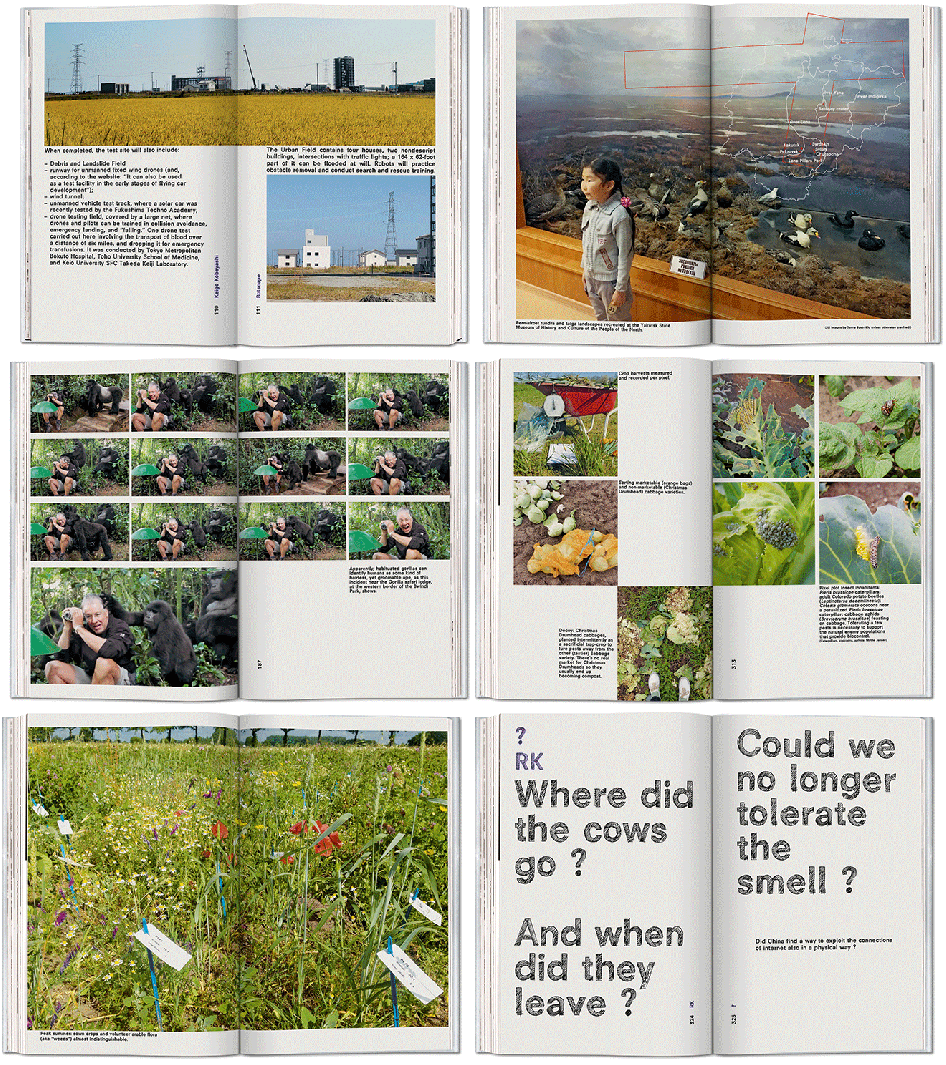
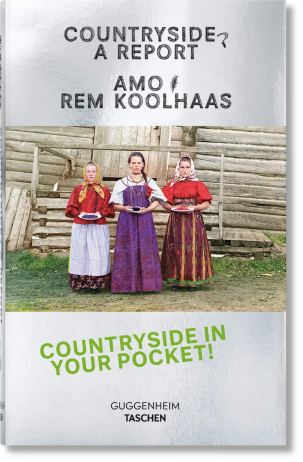 In his latest publication, Rem Koolhaas explores the rapid and often hidden transformations underway across the Earth’s vast non-urban areas.Countryside, A Report gathers travelogue essays exploring territories marked by global forces and experimentation at the edge of our consciousness: a test site near Fukushima, where the robots that will maintain Japan’s infrastructure and agriculture are tested; a greenhouse city in the Netherlands that may be the origin for the cosmology of today’s countryside; the rapidly thawing permafrost of Central Siberia, a region wrestling with the possibility of relocation; refugees populating dying villages in the German countryside and intersecting with climate change activists; habituated mountain gorillas confronting humans on ‘their’ territory in Uganda; the American Midwest, where industrial-scale farming operations are coming to grips with regenerative agriculture; and Chinese villages transformed into all-in-one factory, e-commerce stores, and fulfillment centers.
This book is the official companion to the Guggenheim Museum exhibition Countryside, The Future. The exhibition and book mark a new area of investigation for architect and urbanist Rem Koolhaas, who launched his career with two city-centric entities: The Office for Metropolitan Architecture (1975) and Delirious New York (1978). It’s designed by Irma Boom, who drew inspiration for the book’s pocket-sized concept, as well as its innovative typography and layout, from her research in the Vatican library.
The book brings together collaborative research by AMO, Koolhaas, and students at the Harvard Graduate School of Design; the Central Academy of Fine Arts, Beijing; Wageningen University in the Netherlands; and the University of Nairobi. Contributors also include Samir Bantal, Janna Bystrykh, Troy Conrad Therrien, Lenora Ditzler, Clemens Driessen, Alexandra Kharitonova, Keigo Kobayashi, Niklas Maak, Etta Madete, Federico Martelli, Ingo Niermann, Dr. Linda Nkatha Gichuyia, Kayoko Ota, Stephan Petermann, and Anne M. Schneider.
Read more or purchase


 BBC Radio 4 speaks to Petina Gappah on her new book, “Out of Darkness, Shining Light”.
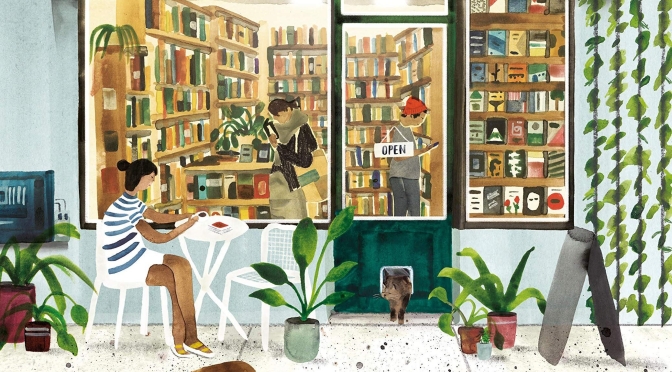
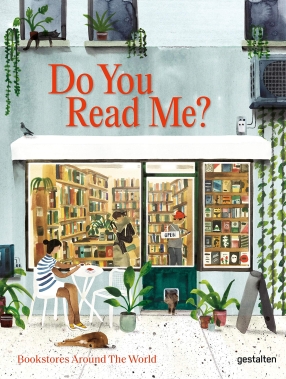 From Daikanyama Tsutaya Books in Tokyo to Kosmos Buchsalon in Zurich, Do You Read Me? travels the globe to discover these gems and some of the people behind them, who turn an ordinary trip to the bookstore into an extraordinary experience.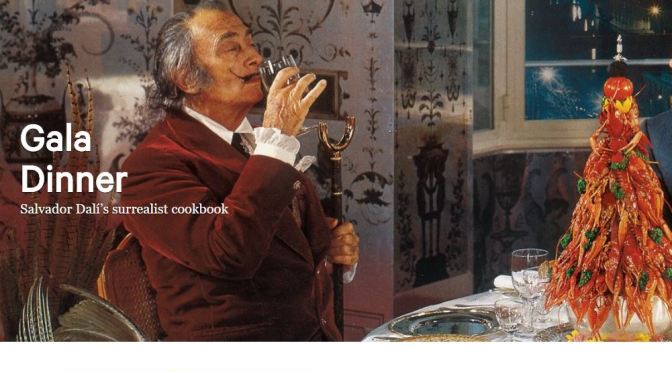
 This reprint features all 136 recipes over 12 chapters, specially illustrated by Dalí, and organized by meal courses, including aphrodisiacs. The illustrations and recipes are accompanied by Dalí’s extravagant musings on subjects such as dinner conversation: “The jaw is our best tool to grasp philosophical knowledge.”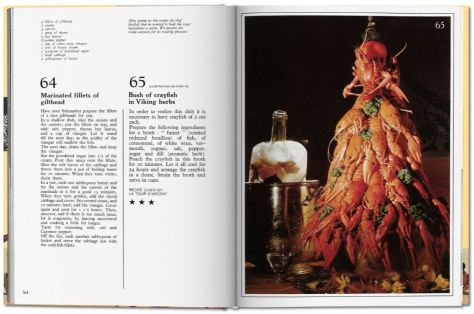
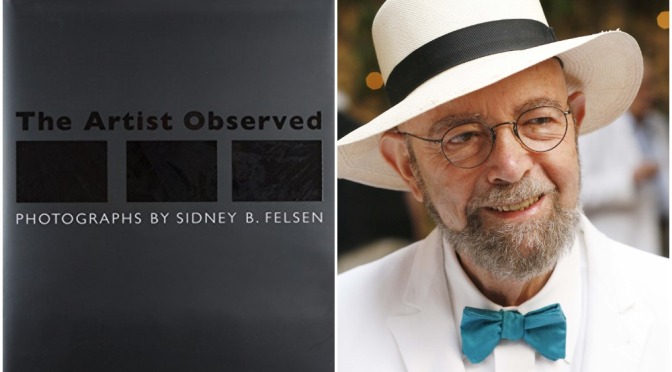
 In this episode, Sidney talks about how Gemini GEL got started and grew into the organization it is today, sharing stories about the artists he’s worked with along the way.
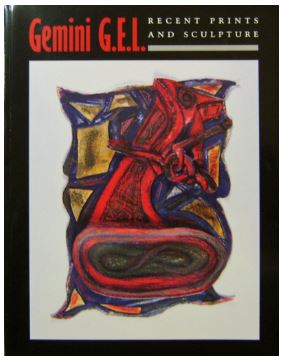 In 1966, at the age of forty-one, Sidney Felsen moved from the world of accounting to that of art, founding the artists’ workshop and fine-art print publisher Gemini GEL in Los Angeles. With Gemini GEL, Sidney quickly got to work with some of the biggest artists of the twentieth century: Man Ray, Josef Albers, Jasper Johns, and Robert Rauschenberg, to name a few. And Gemini GEL continues its work with new generations of artists, including Julie Mehretu, Tacita Dean, and David Hammons.
 At First Light chronicles twenty-six extraordinary artists of the last two hundred years who have lived and worked in Maine. Published to coincide with the state’s bicentennial in 2020, the volume considers the significant contributions artists have made to a deeper and more profound understanding of Maine’s history, its land and its peoples. Maine’s unique and breathtaking landscape–from its rugged coastline, quaint harbors, majestic mountains, and verdant forests–continues to have a powerful effect on the artists who are drawn to its shores.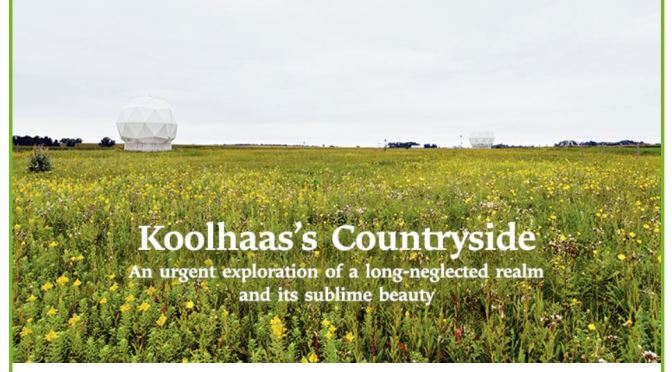
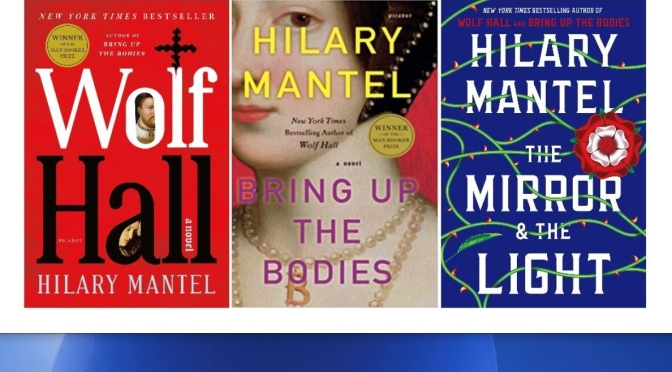
 Robert Bound, John Mitchinson and Ted Hodgkinson review the final – and rather hefty – instalment of Hilary Mantel’s Thomas Cromwell trilogy.
 Screenwriter-cum-author Alex Michaelides’ influences range from Agatha Christie to Euripides. His most recent book, ‘The Silent Patient’, has garnered much acclaim: the thriller is being made into a film having gripped audiences worldwide and topped The New York Times bestseller list.

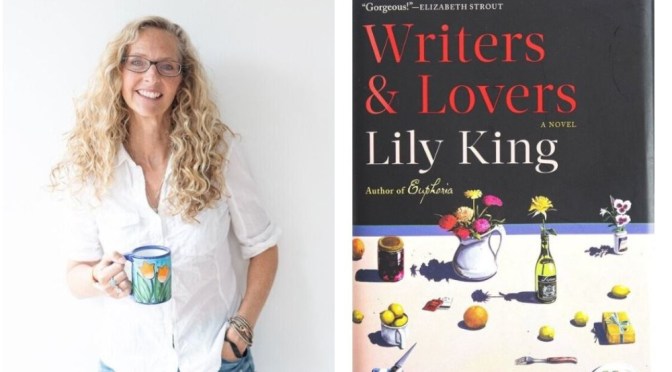
 Writers & Lovers follows Casey―a smart and achingly vulnerable protagonist―in the last days of a long youth, a time when every element of her life comes to a crisis. Written with King’s trademark humor, heart, and intelligence, Writers & Lovers is a transfixing novel that explores the terrifying and exhilarating leap between the end of one phase of life and the beginning of another.
 Lily King returns with another instant New York Times bestseller: an unforgettable portrait of an artist as a young woman.
 Boomers Daily